

We may earn a commission when you buy through links on this page, at no extra cost to you. Learn more.
niagara on the lake wine tasting is a chance to compare cool-climate Chardonnay, Riesling, Cabernet Franc, sparkling wine, and winter Icewine across four distinct sub-appellations. Lake Ontario and the Niagara River temper the growing season, while soils and vineyard positions create meaningful differences from one estate to another. A useful visit balances familiar grapes with local specialties, rather than treating every tasting room as interchangeable. With a little planning, two or three stops can provide a clear sense of the region without rushing the wines.
Niagara-on-the-Lake sits in Ontario’s Niagara Peninsula, close to the United States border and within reach of Niagara Falls. Its tasting rooms range from polished estate experiences to smaller vineyard settings, and the surrounding town gives visitors plenty of ways to pair wine with a meal or an overnight stay. The guide below explains what to taste, how the sub-appellations differ, and how to arrange a thoughtful day in wine country.
Why Niagara-on-the-Lake Produces Distinctive Cool-Climate Wines
Niagara-on-the-Lake’s defining feature is the meeting of Lake Ontario, the Niagara River, and the Niagara Escarpment. Their combined influence moderates temperatures, reduces the risk of late spring and early fall frost, and gives grapes time to develop flavor while retaining freshness.
The Ontario Wine Appellation Authority’s regional profile places the appellation below the crest of the Niagara Escarpment, extending toward the Niagara River and Lake Ontario. It reports 39 wineries, 1,597 growing degree days, 207 frost-free days measured at -2°C, a July mean temperature of 23°C, and 544 millimeters of precipitation. Annual production is listed at 214,749 nine-liter cases. For tasters, the key point is that the climate can preserve freshness in both white and red wines.
Most vineyards occupy gentle lakeshore plains with generous sunlight. Soils range from sandy loam to red shale with high silt and clay content, so drainage and water retention vary. Vineyards farther from the lake tend to have warmer days and cooler nights; those closer to the water receive more moderation. These conditions can support aromatic whites with lively acidity and reds that ripen gradually.
| Regional measure | Reported figure | Why it matters to visitors |
|---|---|---|
| Wineries | 39 | A broad choice of estate and small-producer tasting rooms |
| Annual production | 214,749 nine-liter cases | A mature regional wine industry with multiple styles |
| Growing degree days | 1,597 | A useful measure of seasonal heat accumulation |
| Frost-free days at -2°C | 207 | A relatively long window for grape growing |
| July mean temperature | 23°C | Summer warmth moderated by nearby water |
| Precipitation | 544 mm | Rainfall is part of the region’s site-to-site variation |
Use those conditions as context, not as a promise that every bottle tastes alike. A lakeshore Riesling, an inland Cabernet Franc, and an oak-influenced Chardonnay can differ in fruit, texture, and structure. For broader context, browse the site’s Wine Regions overview.
Four Sub-Appellations and Their Vineyard Differences
The Niagara-on-the-Lake regional appellation contains four sub-appellations: Niagara River, Niagara Lakeshore, Four Mile Creek, and St. David’s Bench. The names indicate location and growing conditions, not a ranking of quality.

Niagara River is influenced by the river corridor and includes gentle, easterly facing slopes. Niagara Lakeshore has a stronger Lake Ontario influence, which helps support a long, consistent season for flavor development. Four Mile Creek is known for expansive vineyards and abundant sunlight; it is the largest of the four sub-appellations, according to Decanter. St. David’s Bench sits closer to the Escarpment and is distinguished by its gently sloping benchland and higher elevations. Decanter notes elevations of up to 180 meters in this area.
These differences make sub-appellation comparisons useful. Try two Rieslings from different locations or Cabernet Francs carrying different place names. Ask what the site contributes—exposure, soil, distance from the lake, or harvest timing—rather than settling for a generic description of the wine as “local.”
Niagara-on-the-Lake is one regional appellation within the larger Niagara Peninsula, alongside Niagara Escarpment. If a room pours wines from across Ontario, ask which flight focuses on Niagara-on-the-Lake. The Niagara on the Lake wine country overview gives useful context before choosing estates.
The Wines to Taste Across a Niagara-on-the-Lake Flight
Start with the region’s cool-climate whites, then compare its reds and sparkling wines before finishing with a sweet wine. Chardonnay, Riesling, Cabernet Franc, Merlot, and Cabernet Sauvignon are among the region’s common varieties, while Pinot Noir and sparkling styles broaden the tasting.
Riesling is a strong first pour because its acidity and aromatic detail make it easy to compare across sweetness levels. Look for citrus, green apple, peach, and mineral impressions, then ask whether the wine is dry, off-dry, or sweet. Chardonnay offers a different measure of the region: some examples emphasize lemon, orchard fruit, and freshness, while others show more lees texture or oak. Compare a stainless-steel or neutral-vessel Chardonnay with one showing more barrel influence, when both are available. Cabernet Franc deserves particular attention. In a cooler climate it can show red cherry, raspberry, herbs, pepper, and a savory edge without the density associated with warmer-climate Cabernet Sauvignon. Stratus Vineyards is one named stop to consider for this grape; Wine Enthusiast’s Niagara Peninsula tasting feature highlights its Cabernet Franc and describes its tasting room as a place for flights and food pairings. Merlot is generally softer in tannin, while Cabernet Sauvignon usually feels firmer and more structured. Pinot Noir offers a lighter-bodied red alternative, often with brighter acidity and more delicate red-fruit character.
Sparkling wine is worth including, especially if you want to compare traditional-method wines with tank-fermented examples. Ontario VQA rules recognize sparkling wines made by secondary fermentation in either tank or bottle, so ask which method the producer uses rather than assuming all local bubbles are made the same way. A flight with sparkling wine, Riesling, Chardonnay, Cabernet Franc, and Icewine gives a clear introduction to the range.
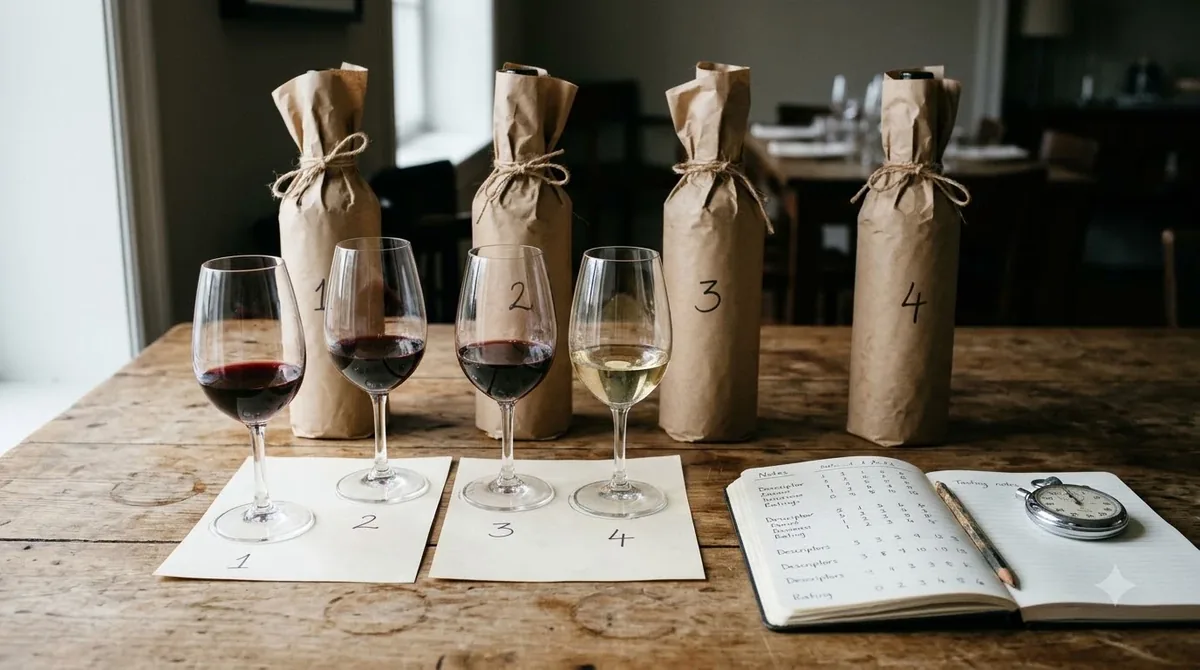
Taste dry sparkling wine and crisp whites before richer Chardonnay, then lighter reds before more tannic Cabernet Franc or Cabernet Sauvignon. Save late-harvest wine and Icewine for last, since sweetness can make a dry wine seem austere. A side-by-side flight of one grape from two sites is often more revealing than five unrelated wines.
How Niagara-on-the-Lake Icewine Is Made
Icewine is the region’s most distinctive winter specialty, but it is not simply very sweet wine made from late-picked grapes. Under Ontario VQA rules, Icewine grapes must freeze naturally on the vine and be picked when the air temperature is -8°C or colder, then pressed promptly in a continuous process.
The cold leaves much of the water inside the berries as ice, so pressing extracts a small amount of concentrated juice. The VQA category page identifies a minimum of 35 degrees Brix for the sweet juice, a measure of its dissolved sugar concentration. This concentration helps explain why a small pour can deliver intense flavors of apricot, peach, citrus peel, honey, and tropical fruit while still feeling balanced when acidity is present. Harvest commonly takes place during cold winter weather, and the exact picking window depends on conditions in the vineyard.
Vidal, Riesling, and Cabernet Franc are familiar Icewine varieties in Ontario. Vidal often provides generous fruit and rounded texture; Riesling brings citrus and vivid acidity; Cabernet Franc can produce a red Icewine with berry and spice character. Late-harvest wines are a separate category, since the Icewine name is tied to natural freezing and harvest requirements. Compare a small pour with dry Riesling or blue cheese.
Tip: Treat Icewine as a tasting pour, not a large glass. Serve it cool, around 43–50°F, and pair it with a dessert that is no sweeter than the wine; blue cheese, fruit tart, and lightly sweet pastries can also work well.
Some estates build a visit around the cold-weather harvest. Wine Enthusiast describes Peller Estates’ 10Below Icewine Lounge as a chilled room set to the grape-harvest temperature, with a parka provided for the tasting.
Wineries and Tasting Experiences Worth Comparing
Choose wineries by the experience they offer, not only by their reputation. Niagara-on-the-Lake has large estate properties, smaller producers, vineyard patios, food-pairing flights, and cellar experiences, so a well-planned day can include more than one style of visit.
For a broad introduction, consider a classic estate tasting at Château des Charmes, Peller Estates, or Ravine Vineyard Estate Winery. The official Niagara-on-the-Lake tourism site lists those properties among its local winery experiences, alongside AMO Estate Winery, Bella Terra Vineyards, and Konzelmann Estate Winery. These estates are useful starting points for comparing tasting-room settings and wine selections. Check the current format before setting out: a seated flight, patio pour, and cellar tour are different experiences.
For a grape-focused visit, put Stratus Vineyards on the shortlist for Cabernet Franc and structured flights. For Icewine, Peller Estates is a notable option because its 10Below experience is built around the frozen-harvest concept. Two contrasting producers can be more revealing than several similar tasting lists. Pair a Cabernet Franc-focused estate with one pouring Riesling and Icewine, then compare what each says about the appellation.
A host may explain vineyard sources, winemaking choices, food pairings, or the estate’s history. Say whether you prefer dry whites, structured reds, or sweet wines and ask for a flight built around that interest. To compare origin claims, include one sub-appellation bottling and one broader Niagara-on-the-Lake or Niagara Peninsula wine.
Plan a Comfortable Tasting Day and Pair the Wines Well
Two or three winery visits make a manageable day for most visitors, especially when each stop includes a seated tasting or tour. Build the route around nearby estates, leave time for a meal, and arrange a designated driver or a licensed tour rather than driving between tastings yourself.
Reserve ahead for weekends, holidays, and special experiences such as cellar tours or food pairings. Check opening days and tasting times directly with each estate, and leave time between visits for travel, water, and a snack. Plan by season too: spring suits rosé and fresh whites; summer is ideal for patios, Chardonnay, and Riesling; fall brings sparkling wines and red blends; winter is the time for Icewine. The Niagara on the Lake wine trail helps with route planning, while the Niagara on the Lake wine festival page can help you check seasonal events.
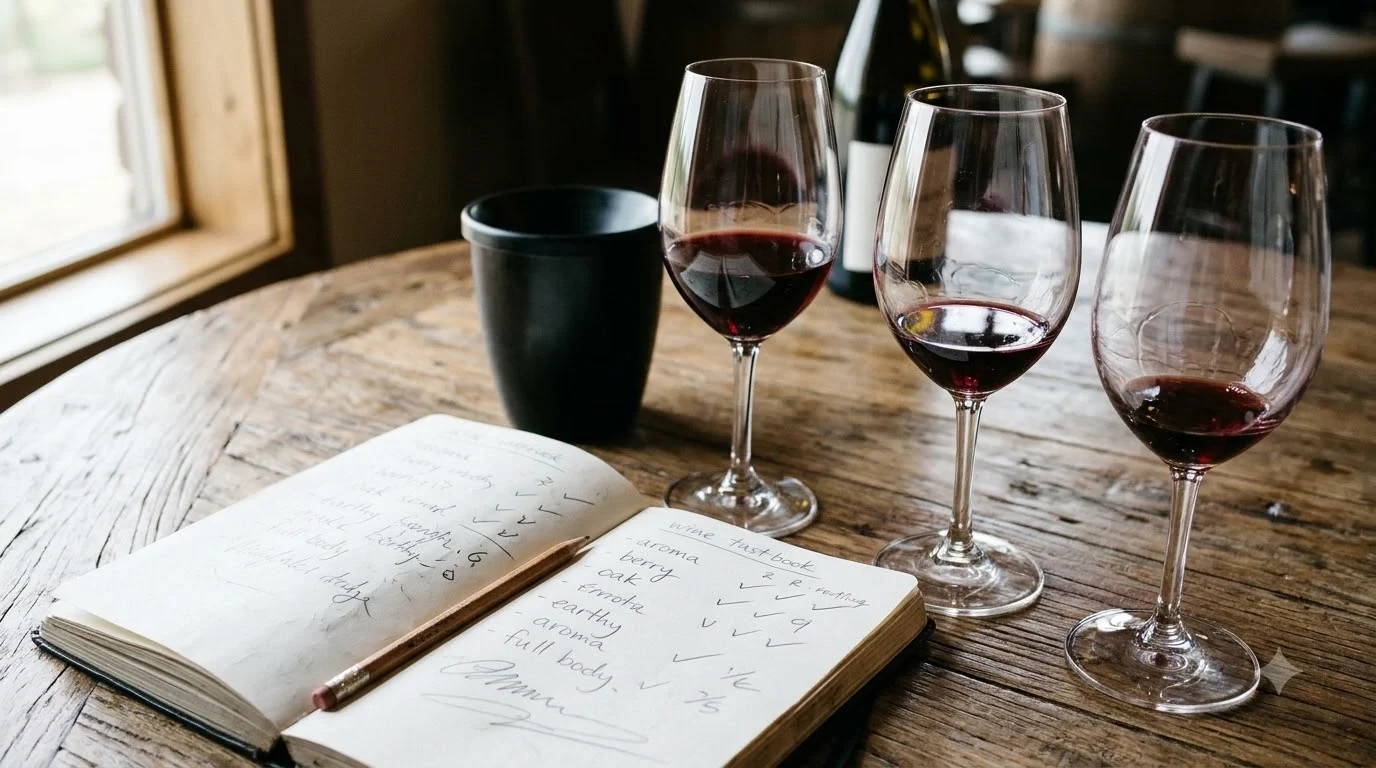
At the tasting table, ask for a small pour, smell the wine, and note its acidity, tannin, body, and sweetness. A standard serving is about 5 ounces, though tasting-room samples are smaller. For comparison, serve sparkling wine around 40–50°F, light whites and rosé at 45–50°F, fuller whites at 50–55°F, light reds at 55–60°F, and full-bodied reds at 60–65°F; sweet whites such as Icewine suit 43–50°F. Pair acidic Riesling with dishes that have matching acidity, such as goat cheese salad with citrus dressing or lemon over white fish. Salt and fat soften tannin, so Cabernet Franc can work with roast beef, lamb, aged cheddar, or mushrooms. Avoid pairing tannic reds with oily fish, and be careful with spicy dishes: alcohol and tannin can amplify chili heat. For dessert, choose a sweet no sweeter than the wine so Icewine retains its fruit and acidity. Store unopened bottles on their side near 55°F, away from sunlight and temperature swings. Refrigerate opened still wines and finish them within three to five days; sparkling wine is best within one to three days with a proper stopper.
Frequently Asked Questions
These details help clarify Ontario’s label rules and the distinctions between Icewine and other sweet wines. They are useful when comparing bottles at a tasting room or choosing something to bring home.
What does a Four Mile Creek VQA designation guarantee?
A wine labelled with the Four Mile Creek sub-appellation must be made from grapes grown entirely within Four Mile Creek. By comparison, a Niagara Peninsula VQA wine may include up to 15% grapes from elsewhere in Ontario, provided more than 85% comes from the named Niagara Peninsula appellation.
What distinguishes VQA sparkling wine from effervescent wine?
Ontario defines sparkling wine as having pressure of at least 300 kilopascals after secondary fermentation in tank or bottle. Effervescent wine has a lower pressure ceiling of 300 kilopascals and may result from primary or secondary fermentation.
Can Vidal be used to make VQA Icewine?
Yes. Vidal is a hybrid grape, and Ontario’s rules make a specific exception that permits Vidal Icewine. Other wines containing hybrid grape varieties cannot use the regulated Icewine designation unless they meet the Vidal exception.
Does an Ontario Icewine label have to show a vintage?
Yes, Icewine is among the Ontario VQA categories that require a vintage date. For a vintage declaration, at least 85% of the wine must come from grapes grown in the stated year, helping buyers connect the bottle with a particular harvest.
How is late-harvest wine different from Icewine?
Late-harvest wines are made from grapes left on the vine to concentrate their sugars, but they do not necessarily undergo natural freezing. Ontario sets separate grape-sugar thresholds for Late Harvest, Select Late Harvest, and Special Select Late Harvest, so those terms do not mean the same thing as Icewine.
A rewarding Niagara-on-the-Lake visit is less about checking off the greatest number of tasting rooms than about noticing how site, grape, and winemaking choices shape each glass. Taste the region’s Riesling and Cabernet Franc, include at least one Icewine, and leave enough time to enjoy the places between the vineyards. The result is a more memorable introduction to one of Ontario’s defining wine regions.
More in Wine Regions
 Willcox Wine Trail: Discover Arizona’s High-Elevation Wine CountryUpdated Nov 20, 2026
 Yakima Valley Wine Region: Find the Best Styles to TryUpdated Nov 20, 2026
 Vosne Romanee Wine Tasting: Identify Aromas and Choose Better PairingsUpdated Nov 20, 2026
 Yakima Valley Wine Festival: Find the Best Seasonal Wine EventsUpdated Nov 20, 2026
 Wales Vineyards: Discover Cool-Climate Wines and Where to VisitUpdated Nov 20, 2026
 Yountville Wine Festival: Discover Napa Wines and Local FoodUpdated Nov 20, 2026