


We may earn a commission when you buy through links on this page, at no extra cost to you. Learn more.
Niagara on the lake wine country is an Ontario wine destination known for cool-climate Chardonnay, Riesling, Cabernet Franc, sparkling wine, and internationally recognized Icewine. Located between Lake Ontario and the Niagara River, this regional appellation contains four distinct sub-appellations with different soils and growing conditions. Visitors can explore established estates, smaller vineyard tasting rooms, vineyard restaurants, and seasonal wine events while discovering one of Canada’s most important wine-producing areas.
For American travelers, Niagara-on-the-Lake offers an appealing combination of wine tourism, historic architecture, restaurants, and scenic countryside. Its location near Niagara Falls makes it particularly convenient for travelers planning a longer visit to southern Ontario. Understanding the region’s geography, signature grapes, and winery experiences makes it easier to choose bottles and plan a worthwhile tasting itinerary.
Where Niagara-on-the-Lake Sits Within Ontario Wine Country
Niagara-on-the-Lake is a regional appellation within the larger Niagara Peninsula wine appellation. Its vineyards occupy an area between Lake Ontario, the Niagara River, and the Niagara Escarpment, where the interaction of water, landscape, and weather creates conditions suited to several cool-climate grape varieties.
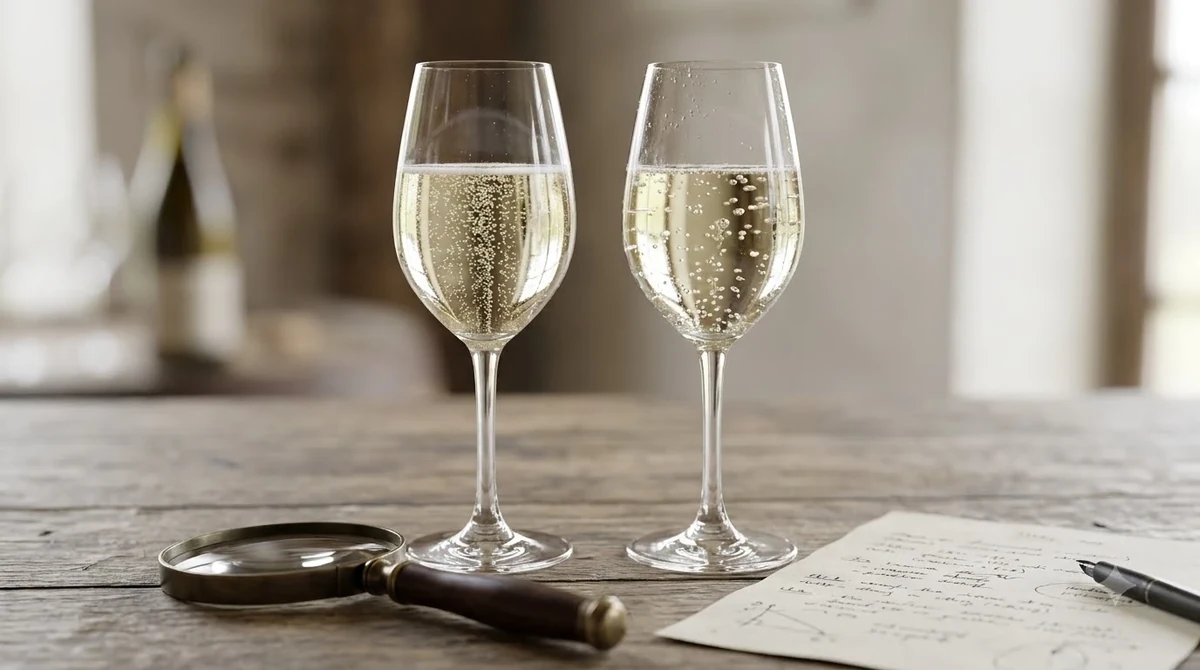
The distinction between Niagara-on-the-Lake and the Niagara Peninsula matters when selecting Ontario wines. The Niagara Peninsula is the broader geographic designation, while Niagara-on-the-Lake identifies a more specific regional growing area. Within it, four sub-appellations provide additional geographic detail for understanding where particular grapes originate.
The Ontario Wine Appellation Authority identifies 39 wineries in Niagara-on-the-Lake and reports annual production of 214,749 nine-liter cases in its regional statistics. The area is an established part of Canada’s wine industry, with both larger estates and smaller producers contributing to its reputation. Its wine culture also benefits from the nearby town’s historic character, restaurants, cultural attractions, and accommodation options.
Three geographical influences help explain the area’s viticulture:
- Lake Ontario: The lake moderates temperatures because of its substantial body of water, helping reduce the likelihood of damaging spring and autumn frost events.
- Niagara River: The river contributes another moderating influence, particularly for vineyards situated near its banks.
- Niagara Escarpment: The elevated landscape influences airflow, sunlight exposure, and local growing conditions.
According to the Ontario Wine Appellation Authority, the regional area records approximately 1,597 growing degree days, 207 frost-free days using a -2°C threshold, and a July mean temperature of 23°C. These figures help describe a growing environment that can support both aromatic white grapes and red varieties capable of reaching suitable ripeness.
Visitors comparing different Ontario wine destinations can also explore Wine Regions to understand how Niagara-on-the-Lake relates to other Canadian growing areas, including Prince Edward County and Lake Erie North Shore.
The Four Sub-Appellations and Their Growing Conditions
Niagara-on-the-Lake contains four sub-appellations: Niagara River, Niagara Lakeshore, Four Mile Creek, and St. David’s Bench. Each has a distinctive combination of landscape, exposure, and proximity to water, giving wine enthusiasts a useful way to compare regional expressions.
Niagara River features gentle, easterly facing slopes and a growing season moderated by the river. Its location contributes to a relatively consistent environment for grape development. Wines from this area can be considered in the context of its river-influenced geography rather than treated as interchangeable with every wine from the larger appellation.
Niagara Lakeshore receives a strong influence from Lake Ontario. The lake helps moderate seasonal temperatures, supporting a longer and more consistent period of grape development. The proximity to the water is an important consideration when comparing wines from lakeside vineyards with those grown farther inland.
Four Mile Creek is characterized by expansive vineyard areas and abundant sunlight. Its growing conditions are associated with warmer, more intense growing environments. These characteristics make it an interesting area to explore when comparing the ripeness and structure of wines produced within the regional appellation.
St. David’s Bench features gently sloping terrain and conditions that encourage relatively early spring warming. Its landscape and precipitation patterns distinguish it from the more expansive vineyard plains elsewhere in the region.
The area’s soils also vary considerably. The Ontario Wine Appellation Authority describes compositions ranging from sandy loam to red shale containing substantial silt and clay. Drainage, water retention, and root development can therefore differ from one vineyard to another.
| Sub-appellation | Geographical characteristic | Growing influence |
|---|---|---|
| Niagara River | Easterly-facing gentle slopes | River-moderated growing season |
| Niagara Lakeshore | Vineyards near Lake Ontario | Consistent seasonal conditions |
| Four Mile Creek | Expansive vineyard landscape | Abundant sunlight and warmth |
| St. David’s Bench | Gently sloping benchland | Earlier spring warming |
For visitors, the practical benefit of understanding these distinctions is that winery visits become more informative. Rather than simply collecting tasting-room impressions, travelers can ask about vineyard locations, soil composition, and the influence of nearby water on grape development. The Ontario Wine Appellation Authority’s Niagara-on-the-Lake regional profile provides additional information about the area’s climate, soils, and four sub-appellations.
Grape Varieties and Wine Styles to Look For
Niagara-on-the-Lake is particularly interesting for Chardonnay, Riesling, Cabernet Franc, Merlot, and Cabernet Sauvignon. Its cool-climate conditions allow producers to make a varied portfolio of white, red, sparkling, rosé, and dessert wines.
Chardonnay is one of the region’s important white grapes. Depending on vineyard conditions and winemaking choices, Niagara Chardonnay can show citrus, apple, pear, and stone-fruit characteristics. Stainless-steel fermentation often emphasizes freshness and fruit, while barrel fermentation or aging can contribute toast, spice, and a fuller texture.
Riesling deserves particular attention. Its naturally high acidity helps preserve freshness, while the grape can be made in several sweetness levels. Dry versions are useful with seafood, poultry, and vegetable dishes, while off-dry examples can complement mildly spicy foods. The balance between acidity, fruit, and residual sugar is more informative than sweetness alone.
Cabernet Franc is another important variety. It can offer red cherry, raspberry, herbal, and pepper-like notes, with a structure that varies according to ripeness and winemaking. Niagara examples provide a useful alternative to more familiar Cabernet Sauvignon wines, particularly for people who appreciate medium-bodied reds with freshness.
Merlot and Cabernet Sauvignon round out the region’s red-wine selection. Merlot generally has softer tannins and a more approachable texture, while Cabernet Sauvignon typically has higher tannin levels and firmer structure. Some producers also use these varieties in blends, creating wines with different proportions of fruit, acidity, and tannin.
The following table provides a practical overview of the grapes worth comparing during a tasting visit.
| Grape | Typical style | What to notice |
|---|---|---|
| Chardonnay | Dry white | Apple, citrus, texture, oak influence |
| Riesling | Dry to sweet white | High acidity, citrus, floral aromas |
| Cabernet Franc | Red wine | Red fruit, herbal notes, fresh acidity |
| Merlot | Medium-bodied red | Plum, soft tannins, rounded texture |
| Cabernet Sauvignon | Fuller-bodied red | Dark fruit, firm tannins, structure |
| Pinot Noir | Light to medium-bodied red | Red berries, acidity, delicate tannins |
Although Chardonnay and the other common regional varieties are useful starting points, tasting beyond the best-known grapes provides a fuller picture of Niagara’s production. Sparkling wines, rosé, and seasonal dessert wines also deserve a place in a regional tasting itinerary.
Tip: Compare a dry Riesling with an off-dry Riesling, followed by Chardonnay and Cabernet Franc. This four-wine sequence provides a practical introduction to the region’s white-wine acidity, texture, and red-wine character without making the tasting overly complicated.
Serving temperature makes a difference when comparing these styles. Serve light whites and rosé at approximately 45–50°F, fuller-bodied whites at 50–55°F, and lighter reds at 55–60°F. These temperatures help preserve the wines’ aromas and prevent excessive warmth from making alcohol more noticeable.
Icewine, Sparkling Wine, and Niagara’s Signature Bottles
Niagara-on-the-Lake has a particularly strong reputation for Icewine, a naturally sweet dessert wine produced from grapes that freeze on the vine. The region’s cold winter conditions make this specialized style an important part of its identity, alongside dry whites, reds, and sparkling wines.
Icewine production requires careful timing. Grapes remain on the vine until sufficiently cold winter conditions allow them to freeze naturally. They are harvested while frozen and pressed in that condition, concentrating the sugars and other components in the resulting juice. The process produces a small amount of intensely concentrated must, which can become a wine with pronounced sweetness and acidity.
Vidal is an important grape associated with Ontario Icewine, although producers also make Icewine from varieties such as Riesling and Cabernet Franc. Vidal is valued for its suitability to cold-climate growing conditions and its ability to produce aromatic, richly flavored dessert wines.
Reif Estate Winery is one notable producer to know. According to Destination Ontario, the winery produced its first Vidal Icewine vintage in 1984 and has continued to use the same vineyard plot for this particular wine. Its Niagara Parkway location also makes it a useful stop for travelers exploring wineries near the Niagara River.
Icewine should be served colder than many ordinary white wines, generally around 43–50°F. Its sweetness makes it suitable for fruit-based desserts, blue cheese, and other rich or salty foods. A small serving is often sufficient because the concentration of flavor is substantial.
Niagara also has an established sparkling-wine scene. Traditional-method sparkling wines undergo their second fermentation in the bottle, creating the bubbles and contributing the potential for more complex aromas through lees aging. Chardonnay and Pinot Noir are particularly familiar grapes in this category.
For visitors interested in sparkling wine, Trius Winery offers tours that include its Sparkling Cellar. The experience provides an opportunity to understand the production process rather than simply tasting the finished wine. Peller Estates also offers distinctive Icewine-focused experiences, including its 10Below Icewine Lounge, constructed from 13,607 kilograms of ice.
When tasting sparkling wines, sweetness terminology is important. From driest to sweetest, the common classifications are Brut Nature, Extra Brut, Brut, Extra Dry, Dry, Demi-Sec, and Doux. The term Extra Dry can be misleading because it is sweeter than Brut.
These distinctive wines make Niagara particularly rewarding for visitors who want more than a conventional red-and-white tasting. A flight that includes traditional-method sparkling wine, dry Riesling, Cabernet Franc, and Vidal Icewine can demonstrate several different aspects of the region’s production.
Notable Wineries and Tasting Experiences
Niagara-on-the-Lake offers a mixture of established wineries, estate restaurants, tasting rooms, and boutique producers. A first-time visitor can build a varied itinerary by choosing wineries with different specialties rather than visiting several estates that offer almost identical tasting experiences.
Inniskillin is an important name in Canadian wine history. Its Niagara-on-the-Lake property at 1499 Line 3 offers visitors the opportunity to explore red, white, sparkling, and dessert wines. Vidal Icewine is a particularly relevant selection for anyone interested in understanding the area’s best-known specialty.
Peller Estates is another recognizable destination. Its experiences combine wine tasting with culinary offerings and visits to winery spaces, including the underground barrel cellar. The 10Below Icewine Lounge provides an unusual setting for learning about one of Ontario’s best-known wine styles.
Château des Charmes is worth considering for its place in the development of Canadian wine. Founded in 1978 by fifth-generation French winegrower Paul Bosc, the winery has a history of working with European grape varieties. Its estate experiences include guided tours and tasting flights of VQA wines.
Konzelmann Estate Winery offers a lakefront setting and tasting experiences featuring white, red, sparkling, and dessert wines. Its location along Lakeshore Road makes it an interesting option for travelers who want to connect the wine experience with the area’s geography.
Trius Winery is especially relevant for sparkling-wine enthusiasts. Its tours include the Sparkling Cellar, Rosé Lookout, and Sparkling House. The property also has a restaurant, allowing visitors to combine a tasting with a meal.
Ravine Vineyard Estate Winery and AMO Estate Winery are additional names to consider when researching local tasting experiences. Smaller producers and estate properties can offer a different perspective from the larger destinations, especially for travelers interested in limited-production bottles and more intimate tasting-room settings.
Before selecting a winery, consider what you want to learn:
- For Icewine, prioritize Reif Estate, Inniskillin, or Peller Estates.
- For sparkling wine, consider a visit to Trius.
- For historic winemaking and European grape varieties, explore Château des Charmes.
- For lakefront scenery and a range of wine styles, consider Konzelmann Estate Winery.
- For a more intimate experience, investigate smaller estate tasting rooms and their appointment requirements.
It is also helpful to distinguish between a standard tasting, a guided cellar tour, and a food-pairing experience. A basic flight introduces several wines, while a guided experience may explain grape growing, fermentation, aging, and the influence of the vineyard site. Food-focused visits can provide additional insight into how acidity, sweetness, and tannin work with different dishes.
Best Seasons and How to Plan a Winery Visit
Niagara-on-the-Lake is a year-round wine destination, but each season offers a different experience. Spring and summer are attractive for vineyard scenery and outdoor tastings, fall brings harvest activity and sparkling wines, and winter is particularly appealing for Icewine experiences.
Spring is a good time to enjoy rosé and fresh white wines while the vineyards begin their seasonal growth. Temperatures can vary, so visitors should plan for changing weather and confirm which outdoor tasting areas are operating.
Summer is popular for vineyard patios, outdoor dining, and longer days. Chardonnay and Riesling are natural selections for this season. The combination of wine tasting, local restaurants, and nearby historic attractions makes it possible to plan a full day without spending every hour inside a winery.
Fall is associated with grape harvest, changing vineyard colors, and seasonal events. Sparkling wines and structured reds are particularly interesting to explore during this period. Harvest activities may also affect tasting-room schedules, so advance reservations are useful.
Winter is the season most closely associated with Icewine. Cold temperatures provide the conditions necessary for harvesting frozen grapes, while winery events and seasonal experiences give visitors another reason to travel outside the traditional summer tourism period.
Tourism Niagara-on-the-Lake identifies wine tours, cellar experiences, food pairings, and vineyard patios as ways to explore the destination. It also highlights approximately 40 estates and small-batch tasting rooms. With that range of choices, visitors should plan a manageable route rather than attempting to visit every available winery.
How many wineries should you visit?
For most first-time visitors, three wineries in one day provide a sensible target. This allows time for tasting flights, conversations with staff, photography, meals, and travel between locations. Two wineries are often sufficient if both offer longer guided tours or structured food-pairing experiences.
A practical itinerary might begin with a morning visit to an estate specializing in white wines, followed by lunch at a winery restaurant. The afternoon can include a sparkling-wine or Icewine experience, depending on the season and the visitor’s interests.
For a broader itinerary, explore the Niagara-on-the-Lake wine trail to organize stops by location and tasting style. Visitors who prefer a guided experience can also research Niagara-on-the-Lake wine tasting options before arriving.
Transportation and reservations
Transportation deserves attention because winery visits involve alcohol consumption and multiple stops. Designated drivers, private wine tours, and organized transportation services are practical alternatives to driving between tasting rooms. Travelers should also consider that individual winery properties can be separated by several miles, even when they appear close together on a regional map.
Reservations are particularly helpful for weekends, holiday periods, harvest season, and specialized experiences such as Icewine tastings. Some tasting rooms accommodate walk-ins, but guided tours, restaurant seating, and private flights may require advance booking.
Visitors crossing from the United States should also allow time for international border formalities. A trip that combines Niagara Falls with the wine region can be convenient, but it is sensible to plan the border crossing and transportation arrangements before scheduling winery appointments.
For a seasonal event-focused trip, the Niagara-on-the-Lake wine festival experience can provide another way to discover regional producers. Event schedules and participating wineries vary, so checking the current calendar before travel is a useful planning step.
Buying, Serving, and Pairing Niagara Wines
Exploring Niagara-on-the-Lake does not have to end when a tasting-room visit finishes. Understanding VQA labels, serving temperatures, and food-pairing principles makes it easier to select bottles and enjoy them at home.
VQA stands for Vintners Quality Alliance. In Ontario, the designation identifies wines made entirely from Ontario-grown grapes under a certification and quality-assurance system. The appellation information on the label provides additional geographic context, helping consumers identify whether the wine comes from Niagara-on-the-Lake, a particular sub-appellation, or a broader regional designation.
When buying a bottle, consider both the grape variety and the producer’s style. A dry Riesling is different from an off-dry Riesling, and a stainless-steel Chardonnay can have a different texture from a barrel-aged version. For red wines, Cabernet Franc generally offers a different balance of tannin and herbal character from the firmer structure of Cabernet Sauvignon.
The Wine Country Ontario explanation of VQA wines and appellations provides useful information about certification, grape origin, and the geographic terms found on Ontario wine labels.
Food pairing recommendations
Riesling is a versatile match for seafood, poultry, and dishes with a little spice. Its high acidity can balance foods with substantial richness, while off-dry versions can complement moderate chili heat more successfully than high-alcohol, tannic reds.
Chardonnay can work with roast chicken, creamy pasta, grilled vegetables, and seafood. A fuller-bodied, oak-influenced version may suit richer dishes, while a fresher unoaked example can complement lighter meals.
Cabernet Franc is a useful partner for grilled poultry, pork, mushrooms, and herb-seasoned dishes. Merlot can accompany burgers, roast meats, and dishes with tomato-based sauces. Cabernet Sauvignon generally works best with substantial foods such as grilled beef and lamb because protein and fat help soften its tannins.
Icewine is best paired with desserts that are no sweeter than the wine itself. Fruit tarts, apple desserts, and blue cheese can provide appealing contrasts. For sparkling wine, consider oysters, seafood appetizers, fried foods, and soft cheeses.
There are a few pairing principles worth remembering. Acidic foods need wines with equal or higher acidity to keep the wine from seeming flat. Salt and fat soften the perception of tannin, while chili heat can feel more intense alongside alcoholic and tannic wines. Oily fish can also clash with heavily tannic red wines.
Serving and storing bottles
Temperature is important for both white and red wines. Sparkling wines are generally best served around 40–50°F, while sweet whites such as Icewine are suitable around 43–50°F. Light reds benefit from approximately 55–60°F, and fuller-bodied reds are generally served around 60–65°F.
A standard wine serving is 5 ounces, meaning a 750-milliliter bottle contains approximately five glasses. When entertaining, smaller tasting pours make it easier to compare several Niagara varieties without opening excessive numbers of bottles.
Store unopened bottles on their sides in a cool, stable environment near 55°F when appropriate for the closure and bottle style. Once opened, refrigerate still wines and generally consume them within three to five days. Sparkling wines are usually best enjoyed within one to three days, while fortified wines can remain enjoyable for several weeks depending on their style and storage conditions.
For young, full-bodied reds, decanting for approximately 30–60 minutes can help soften the initial impression and allow aromas to develop. Delicate older wines may require a different approach, so avoid assuming that every red wine benefits from extended aeration.
Frequently Asked Questions
Is Niagara-on-the-Lake part of the Niagara Peninsula wine region?
Yes. Niagara-on-the-Lake is a regional appellation within the Niagara Peninsula, rather than a separate primary Ontario appellation. The distinction matters because Niagara Peninsula also includes other regional growing areas with different geographical characteristics and wine styles.
What is the difference between Icewine and late-harvest wine?
Icewine requires naturally frozen grapes to be harvested and pressed while frozen. Late-harvest wines are made from grapes left on the vine longer than usual, but freezing is not a necessary production condition. This distinction is important because the two categories have different production requirements and cannot be treated as interchangeable wine styles.
Can Niagara-on-the-Lake wineries accommodate visitors who do not drink alcohol?
Many winery destinations also provide restaurants, vineyard scenery, tours, and seasonal activities that can appeal to visitors who do not participate in wine tasting. Some properties and nearby craft beverage businesses offer non-wine options. Contacting the winery beforehand helps establish which experiences are available to all members of a travel group.
Are Niagara-on-the-Lake wines available in the United States?
Some Ontario wines are distributed through American wine retailers and restaurants, although availability varies by state, importer, and producer. Smaller estate wines and limited-production Icewines can be harder to find outside Canada. The producer’s website or an Ontario wine importer can help identify distribution options.
What is the difference between Vidal and Riesling Icewine?
Vidal is a hybrid grape commonly associated with Ontario Icewine, while Riesling is a traditional European vinifera variety. Vidal Icewine often displays tropical fruit and stone-fruit characteristics, whereas Riesling Icewine can emphasize citrus, orchard fruit, and floral aromas. The producer, vineyard conditions, and vintage also influence the final style.
Niagara-on-the-Lake offers a rewarding introduction to Canadian wine through its four sub-appellations, distinctive cool-climate grapes, and celebrated Icewine production. Whether the priority is a vineyard tour, a sparkling-wine tasting, or discovering a bottle of Cabernet Franc, the region provides plenty of opportunities to connect wine with its place of origin. A carefully planned visit to two or three wineries is an excellent way to begin exploring this distinctive corner of Ontario.
More in Wine Regions
 Willcox Wine Trail: Discover Arizona’s High-Elevation Wine CountryUpdated Nov 20, 2026
 Yakima Valley Wine Region: Find the Best Styles to TryUpdated Nov 20, 2026
 Vosne Romanee Wine Tasting: Identify Aromas and Choose Better PairingsUpdated Nov 20, 2026
 Yakima Valley Wine Festival: Find the Best Seasonal Wine EventsUpdated Nov 20, 2026
 Wales Vineyards: Discover Cool-Climate Wines and Where to VisitUpdated Nov 20, 2026
 Yountville Wine Festival: Discover Napa Wines and Local FoodUpdated Nov 20, 2026