

We may earn a commission when you buy through links on this page, at no extra cost to you. Learn more.
Seneca Lake wine tasting offers visitors the chance to explore one of New York’s premier cool-climate wine regions, known for expressive Riesling, elegant Pinot Noir, Cabernet Franc, and scenic vineyard views. Located in the Finger Lakes of upstate New York, the region combines lake-influenced growing conditions with a diverse collection of welcoming wineries. Visitors can explore tasting rooms along both shores, compare dry and sweet wines, and enjoy local food while taking in views of the deepest of New York’s Finger Lakes.
Seneca Lake is an appealing destination for both experienced wine enthusiasts and first-time visitors. Its wineries offer everything from focused Riesling flights and traditional-method sparkling wines to approachable tasting experiences with cheese, restaurant meals, and outdoor seating. Understanding the region’s geography, signature grapes, and winery layout makes it easier to plan a rewarding visit without trying to fit too many stops into one day.
What Makes Seneca Lake Wine Country Special?
Seneca Lake stands out because its deep water, steep vineyard slopes, and glacially influenced soils create growing conditions suited to cool-climate grapes. The resulting wines often combine fresh acidity, moderate alcohol, and expressive fruit, making the region particularly interesting for Riesling and other aromatic varieties.
The Seneca Lake American Viticultural Area (AVA) was established in 2003 within the larger Finger Lakes AVA. According to the Seneca Lake Wine Trail, the designated area covers approximately 320 square miles. Its landscape includes vineyards on both sides of the lake, where differences in sunlight, slope, elevation, and soil contribute to distinct growing conditions.
Seneca Lake itself is approximately 630 feet deep, according to Finger Lakes Wine Country. Its considerable volume of water absorbs heat during warmer months and releases it as temperatures fall. This moderating influence helps reduce some temperature extremes and supports the cultivation of European wine grapes that might otherwise struggle in a northern climate.
Another important feature is the southeastern shore’s warmer microclimate, commonly called the Banana Belt. Here, steep, west-facing slopes receive afternoon sunlight, while the lake helps moderate temperatures. The combination can create favorable conditions for grapes that need additional warmth to reach full ripeness.
Vineyard soils also contribute to the character of local wines. Shale, clay, gravel, and glacial deposits appear throughout the region. In certain southeastern locations, limestone-rich soils provide another distinctive influence. According to Decanter’s examination of the Argetsinger Vineyard, thin, rocky topsoil and steep slopes can restrict vine vigor and contribute to concentrated fruit.
The area’s cool climate encourages wines with lively acidity rather than uniformly heavy body or high alcohol. This makes Seneca Lake particularly attractive to visitors who appreciate freshness and balance. It also explains why the region produces several different expressions of Riesling, from bone-dry wines to sweeter styles with pronounced fruit character.
The growing season is relatively short compared with warmer American wine regions. The Seneca Lake Wine Trail describes a typical growing season of approximately 90 to 120 days. That shorter window requires careful vineyard management, thoughtful harvesting decisions, and winemaking approaches suited to changing seasonal conditions.
For visitors, these environmental differences provide a useful framework for tasting. Two wineries only a short drive apart may present different expressions of the same grape. Comparing their Rieslings or Pinot Noirs can reveal how vineyard location, soil, exposure, and winemaking choices influence the finished wine.
Which Wines Should You Taste at Seneca Lake?
Riesling is the essential starting point for a Seneca Lake wine tasting, but the region offers much more than one white grape. Pinot Noir, Cabernet Franc, Chardonnay, Gewürztraminer, sparkling wines, and ice wines provide a broader picture of its cool-climate strengths.
Riesling: This is the grape most closely associated with the Finger Lakes. Seneca Lake Riesling can be bone-dry, medium-dry, off-dry, or sweet. Common tasting characteristics include green apple, lime, peach, citrus blossom, and mineral notes. Its naturally high acidity keeps the wine refreshing, even when some residual sugar is present.
Try tasting a dry Riesling alongside an off-dry version. The comparison helps explain why sweetness and acidity should be considered separately. A wine can contain noticeable sweetness while still feeling crisp because its acidity provides balance.
Cabernet Franc: This red grape is another important regional specialty. It generally produces medium-bodied wines with moderate tannin and flavors that can include red cherry, raspberry, herbs, pepper, and earthy notes. Seneca Lake’s cooler conditions make it an interesting alternative to fuller-bodied Cabernet Sauvignon from warmer regions.
Pinot Noir: Pinot Noir is particularly suited to visitors who enjoy lighter reds with bright acidity. Expect possible flavors of cherry, cranberry, raspberry, and subtle earth. Its relatively low-to-medium tannin makes it versatile at the table and approachable for people who prefer less intense red wines.
Chardonnay: Local Chardonnay ranges from crisp, stainless-steel expressions to richer versions that may spend time in oak. Look for apple, pear, citrus, and occasional creamy or toasted characteristics. Comparing two styles can show how fermentation and aging influence the grape.
Gewürztraminer and Pinot Gris: These aromatic white grapes offer alternatives to Riesling. Gewürztraminer can feature lychee, rose, ginger, and tropical fruit aromas, while Pinot Gris often provides pear, apple, citrus, and a rounded texture.
Sparkling wine and ice wine: Traditional-method sparkling wines demonstrate the region’s ability to produce wines with high acidity and fine bubbles. Ice wine offers a very different experience, concentrating sweetness and fruit flavors through grapes harvested and pressed while frozen.
For a first visit, a useful tasting sequence is a sparkling wine, dry Riesling, off-dry Riesling, Chardonnay, Pinot Noir, and Cabernet Franc. This progression moves from lighter styles toward more structured wines and gives you a representative introduction to the region.
Tip: Ask for dry and off-dry Rieslings side by side rather than tasting only one style. Comparing their sweetness, acidity, and fruit character is one of the best ways to understand what makes Seneca Lake wine distinctive.
Notable Wineries and Tasting Experiences
Seneca Lake has wineries suited to different interests, from educational tastings and vineyard-focused Riesling flights to relaxed visits with food and lake views. A good itinerary balances the types of wine you want to explore with the time available for each stop.
Fox Run Vineyards is a useful starting point for visitors interested in estate-grown wines and an approachable tasting experience. The winery is located on the western side of Seneca Lake near Penn Yan. Wine Enthusiast describes its tasting experience as including knowledgeable staff, vineyard and winemaking tours, and a café featuring house-made food.
Fox Run is particularly useful for comparing different expressions of Finger Lakes grapes. Include its Riesling and other estate wines in a tasting itinerary if you want to understand the relationship between local grape varieties and the region’s cool climate.
Hermann J. Wiemer Vineyard is another important name for visitors interested in serious Finger Lakes wine. Its location near the western shore makes it a worthwhile consideration when exploring the central and northern portions of Seneca Lake. Riesling should be high on your tasting list, particularly if you want to compare aromatic intensity, dryness, and texture.
Lamoreaux Landing Wine Cellars is located on the eastern side of Seneca Lake near Lodi. Its setting and estate-wine focus make it a good option for visitors exploring that shore. Consider comparing its Riesling, Chardonnay, and red wines to understand how different varieties respond to the region’s conditions.
Wagner Vineyards is another established destination on the eastern side. The family-owned winery has operated since 1979 and offers a broader beverage experience through its associated Wagner Valley Brewing operation. The Ginny Lee Café also provides a dining option for visitors who want to include lunch in their wine-country itinerary.
Boundary Breaks Vineyard is particularly interesting for Riesling enthusiasts. Its Seneca Lake identity is closely associated with Riesling and Cabernet Franc. Visitors looking for a more focused comparison of these grapes can consider adding it to an eastern-shore itinerary.
Red Newt Cellars is another noteworthy stop, especially for people interested in aromatic white wines. Finger Lakes Wine Country highlights its Riesling offerings and tasting-room experience, along with a bistro inspired by the winery’s wines. Its food component makes it a practical consideration for a longer visit.
Other names worth researching include Glenora Wine Cellars, Lakewood Vineyards, Ventosa Vineyards, Three Brothers Wineries & Estates, and Atwater Vineyards. Each offers a different reason to visit, whether that means scenic views, broader beverage choices, estate wines, or an informal tasting atmosphere.
Rather than attempting to visit every well-known winery, choose three or four that match your interests. For example, a Riesling enthusiast might prioritize Hermann J. Wiemer, Boundary Breaks, and Lamoreaux Landing. A mixed group might prefer a combination of Fox Run, Wagner, and Three Brothers.
Before setting out, consult the official Seneca Lake Wine Trail website for current winery offerings, opening hours, tasting arrangements, and special events. Individual wineries may have different reservation requirements, seasonal schedules, and group policies.
How to Plan a Seneca Lake Wine Tasting Route
The most practical way to explore Seneca Lake is to concentrate on one part of the lake rather than trying to visit every winery in a single day. Geneva at the northern end and Watkins Glen at the southern end provide useful reference points for organizing your route.
The Seneca Lake Wine Trail includes wineries on both shores, with roads such as Route 14 on the western side and Route 414 on the eastern side providing access to many tasting rooms. The scenic surroundings can make short distances take longer than expected, especially when visitors stop for photographs, meals, or lake views.
Exploring the western shore
The western shore is a useful choice for visitors interested in wineries around Penn Yan and the northern-to-central part of the lake. Fox Run Vineyards and Hermann J. Wiemer Vineyard are two names to consider when building a wine-focused route.
This side can work particularly well for people who want to compare Riesling and other cool-climate varieties without spending the entire day driving. Include a meal or a scenic break to give yourself time between tastings.
Exploring the eastern shore
The eastern shore provides access to wineries such as Wagner Vineyards, Lamoreaux Landing, and Boundary Breaks. Visitors can explore different expressions of Riesling and Cabernet Franc while enjoying views across the water.
Route 414 is an important road for organizing an eastern-shore visit. The area around Burdett and Hector is also attractive for travelers who want to combine wine tasting with scenic stops and outdoor activities.
Planning a northern or southern visit
Geneva is a convenient reference point for visitors approaching the northern end of the lake. Watkins Glen is an appealing base near the southern end, particularly for travelers who also want to explore the village, waterfront, and Watkins Glen State Park.
For a full-day visit, plan approximately three wineries with time for lunch. Four stops may be possible if the wineries are close together and the tasting experiences are relatively short. Allow approximately 60 to 90 minutes at each winery, depending on whether you book a standard flight, guided experience, or tour.
The following example illustrates a manageable schedule rather than a fixed route. Exact travel times depend on your starting point, traffic, weather, and winery arrangements.
| Part of the day | Suggested activity | Time allowance |
|---|---|---|
| 10:00 AM | First winery tasting | 60 minutes |
| 11:15 AM | Second winery tasting | 60 minutes |
| 12:30 PM | Lunch and scenic break | 75 minutes |
| 2:00 PM | Third winery tasting | 75 minutes |
| 3:30 PM | Optional village or lakeside visit | 60 minutes |
| 4:30 PM | Return to accommodation | Allow for travel |
Reservations are especially useful for larger groups, guided tastings, food pairings, and special experiences. Smaller groups may find that some tasting rooms accept walk-ins, but availability varies. Check each winery’s current policies before leaving your accommodation.
For a broader comparison of American and international wine destinations, explore our Wine Regions resource. It can help put Seneca Lake’s cool-climate identity into context alongside other established wine-producing areas.
Food Pairings and How to Taste Local Wines
Seneca Lake wines are particularly food-friendly because many of the region’s best-known styles combine fresh acidity with moderate alcohol and balanced fruit. Riesling, Pinot Noir, Cabernet Franc, and sparkling wine can all work well with regional dishes when their sweetness, acidity, and structure are matched to the food.
Start with Riesling if you are ordering a meal that includes seafood, poultry, spicy dishes, or Asian-inspired flavors. Dry Riesling works particularly well with grilled fish, shrimp, chicken, and fresh salads. Its acidity refreshes the palate, while its fruit character complements lighter seasonings.
Off-dry Riesling can be especially useful with dishes that include ginger, chili, aromatic spices, or a little sweetness. A touch of residual sugar can balance heat, while the wine’s acidity prevents the combination from feeling heavy. However, alcohol can intensify chili heat, so a lower-alcohol style is often a more comfortable match.
Chardonnay is a natural choice for roasted chicken, creamy pasta, and seafood prepared with butter or cream. A lighter stainless-steel style can complement grilled fish and vegetable dishes, while a richer oak-aged version may work better with dishes featuring roasted poultry or creamy sauces.
Pinot Noir pairs well with roast turkey, mushroom dishes, grilled salmon, and pork. Its relatively gentle tannins and bright acidity make it more flexible than heavier red wines. This is especially helpful when a meal includes several different ingredients.
Cabernet Franc is a good partner for grilled pork, roast chicken, herb-seasoned lamb, and mushroom-based dishes. Its moderate tannin and herbal character can complement savory food without overpowering it.
Sparkling wines deserve attention beyond celebratory occasions. Their acidity and bubbles can refresh the palate between bites of fried foods, cheese, seafood, and salty appetizers. A traditional-method sparkling wine made from Chardonnay or Pinot Noir can also accompany a more substantial meal.
Ice wine is best treated as a dessert pairing. Choose a dessert that is no sweeter than the wine itself, such as fruit-based tarts, mild blue cheese, or a simple fruit dessert. Excessively sweet food can make even a rich dessert wine taste less expressive.
A simple tasting method
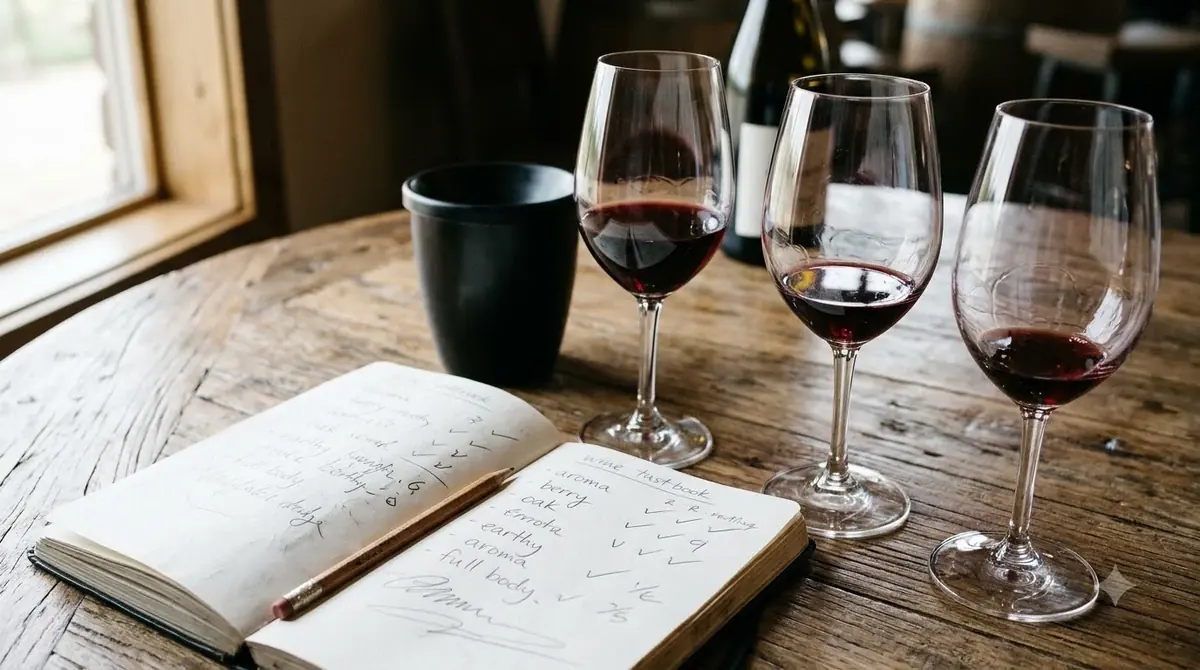
Take a moment to observe each wine before drinking. Look at its color, swirl the glass gently, and smell the aromas. Then take a small sip and consider the balance of acidity, sweetness, alcohol, body, fruit, and finish.
For Riesling, pay particular attention to the relationship between acidity and residual sugar. For Pinot Noir and Cabernet Franc, consider tannin, fruit character, and texture. These observations will make comparisons between wineries more meaningful.
Use the same questions for each tasting:
- Does the wine taste dry, off-dry, medium-sweet, or sweet?
- Is the acidity low, moderate, or high?
- Which fruit aromas are most noticeable?
- Does the wine feel light-bodied or full-bodied?
- How long do the flavors remain after swallowing?
- Would the wine work better with food or on its own?
Serving temperature also matters. Light whites and rosé are generally best around 45 to 50 degrees Fahrenheit, while fuller-bodied whites benefit from approximately 50 to 55 degrees. Light reds are often more expressive at 55 to 60 degrees, and fuller reds generally work well at 60 to 65 degrees.
Remember that tasting flights are usually smaller than a standard restaurant pour. A typical serving of wine is 5 ounces, and a 750-milliliter bottle contains approximately five such glasses. Small tasting pours make it possible to compare several wines while keeping the experience focused.
Best Seasons, Visitor Etiquette, and Practical Tips
Seneca Lake is a year-round wine destination, but each season offers a different atmosphere. Summer brings green vineyards and outdoor activities, fall provides harvest scenery, winter offers a quieter tasting-room experience, and spring is appealing for visitors who prefer a less crowded itinerary.
Spring: Spring is a good time for travelers interested in a relaxed visit. The vineyards begin to develop fresh growth, and tasting rooms can provide a more intimate experience outside major holiday periods. Weather can change quickly, so flexible clothing and a backup indoor plan are useful.
Summer: Summer is popular for visitors who want to combine wine tasting with lake activities, outdoor dining, and scenic drives. Longer daylight hours make it easier to plan several stops. However, demand can be higher, particularly on weekends, so advance reservations are sensible.
Fall: Autumn is one of the most visually appealing periods in Finger Lakes wine country. Harvest activity, changing foliage, and cooler temperatures create an attractive setting for winery visits. Some wineries may offer harvest-related events or special experiences, depending on the season.
Winter: Winter provides a different perspective on Seneca Lake. The scenery is quieter, and visitors can focus on tasting-room conversations, food pairings, and indoor experiences. Weather and road conditions require additional attention, and some businesses may adjust their schedules.
The Seneca Lake Wine Trail was formed in 1986 and has developed into an established regional tourism organization. Its official website lists 28 member wineries and more than 600 varieties of wine offered by its members. These figures demonstrate the breadth of the local tasting experience, although the actual selection available at any individual winery will vary.
Good tasting etiquette makes the experience more enjoyable for everyone. Arrive on time for reservations, follow the tasting-room’s instructions, and allow staff to explain the wines before moving to the next pour. If you are visiting with friends, avoid occupying a tasting station for an extended period after finishing your flight.
It is also useful to take brief notes. Record the winery, grape variety, sweetness level, and a few descriptive impressions. A simple note such as dry Riesling, green apple, high acidity, and long finish is often enough to help you remember a wine later.
Visitors planning a trip with different interests can compare Seneca Lake with other wine destinations. For example, Niagara on the Lake wine tasting provides another perspective on cool-climate wines and regional wine tourism. Meanwhile, Lake Chelan wine tasting offers a useful contrast with Washington’s lake-influenced wine country.
Transportation deserves special attention. A tasting itinerary should never depend on the assumption that the driver will be able to drink wine and drive safely. Arrange a designated driver who abstains, a professional transportation service, or an organized wine tour. This makes it easier to enjoy the visit without worrying about driving after tastings.
Finally, consider purchasing wines that genuinely interest you rather than buying something at every stop. A bottle of dry Riesling, a distinctive Cabernet Franc, and a sparkling wine can make a useful introduction to the region at home. Ask winery staff about serving suggestions and food pairings so you can appreciate the wines after your trip.
Frequently Asked Questions
How deep is Seneca Lake?
Seneca Lake reaches approximately 630 feet at its deepest point, making it the deepest of New York’s Finger Lakes. Its great depth helps moderate local temperatures and influences the surrounding vineyard microclimates. The lake also accounts for a substantial share of the water volume in the Finger Lakes system.
Is Seneca Lake part of the Finger Lakes AVA?
Yes. Seneca Lake is a nested American Viticultural Area within the larger Finger Lakes AVA. The Seneca Lake designation was established in 2003, while the broader Finger Lakes AVA dates to 1982. This distinction recognizes the area’s particular grape-growing conditions and geographic identity.
Can you find organic and sustainably produced wines around Seneca Lake?
Visitors interested in farming practices can ask individual wineries about vineyard management, certifications, and sustainability programs. Production methods differ among estates, so it is better to ask about a specific winery rather than assume that all regional producers follow the same standards. Some tasting rooms can also explain their approach to soil management and vineyard biodiversity.
What is the Seneca Lake Wine Trail Passport?
The wine trail has offered organized tasting-pass experiences that allow visitors to explore participating wineries through a coordinated program. The wineries, inclusions, dates, and redemption conditions can vary between events. Consult the official trail’s current event information before planning a trip around a passport or seasonal tasting package.
Can you visit Seneca Lake wineries without joining an organized tour?
Yes. Independent visits are possible, and many travelers arrange their own itineraries using the wine trail’s winery directory. Some tasting rooms welcome walk-in guests, while others require advance reservations for certain experiences. Independent visitors should also arrange transportation that does not involve driving after drinking.
Seneca Lake offers an engaging introduction to American cool-climate wine, with Riesling, Cabernet Franc, Pinot Noir, and sparkling wine providing plenty of variety for curious visitors. Choose a manageable route, allow time for food and scenery, and compare wines from different parts of the lake rather than rushing between tasting rooms. A thoughtful itinerary makes it easier to appreciate the distinctive character of Finger Lakes wine country.
More in Wine Regions
 Willcox Wine Trail: Discover Arizona’s High-Elevation Wine CountryUpdated Nov 20, 2026
 Yakima Valley Wine Region: Find the Best Styles to TryUpdated Nov 20, 2026
 Vosne Romanee Wine Tasting: Identify Aromas and Choose Better PairingsUpdated Nov 20, 2026
 Yakima Valley Wine Festival: Find the Best Seasonal Wine EventsUpdated Nov 20, 2026
 Wales Vineyards: Discover Cool-Climate Wines and Where to VisitUpdated Nov 20, 2026
 Yountville Wine Festival: Discover Napa Wines and Local FoodUpdated Nov 20, 2026