

We may earn a commission when you buy through links on this page, at no extra cost to you. Learn more.
Lake chelan wine tasting offers visitors the chance to explore more than 40 wineries and tasting rooms across four distinct wine districts in north-central Washington. The region combines distinctive glacial soils, lake-moderated temperatures, and a growing collection of wineries producing Syrah, Pinot Noir, Chardonnay, Riesling, and other varieties. Whether you prefer a relaxed afternoon in downtown Chelan, a vineyard visit near Manson, or a scenic tasting overlooking the water, the area offers several ways to experience Washington wine country.
Lake Chelan is an appealing destination for wine enthusiasts because its tasting experiences combine regional wine styles with an unusually scenic setting. The lake stretches between mountain landscapes, orchards, vineyards, and small communities, creating a wine-tourism destination where a tasting-room visit can easily become part of a longer getaway. Understanding the geography, local grape varieties, and differences between winery districts makes it easier to organize a rewarding visit without spending the entire day driving between appointments.
What Makes the Lake Chelan Wine Region Special?
Lake Chelan stands out for its distinctive growing conditions, relatively compact wine-growing area, and relationship with the surrounding lake. Its combination of glacial soils, moderate temperatures, and approximately 1,100-foot elevation gives local vineyards a different growing environment from many other Washington wine regions.
The Washington State Wine Commission’s Lake Chelan AVA profile identifies the appellation as a sub-region of the Columbia Valley AVA in north-central Washington. It received American Viticultural Area designation in 2009 and covers approximately 24,040 acres. The appellation encompasses the southern and eastern portions of Lake Chelan, including vineyards located around the town of Chelan and farther up the shoreline.
One of the most important features is the lake effect. Lake Chelan is approximately 50.5 miles long, and its substantial body of water moderates temperatures in the surrounding landscape. The result is relatively cooler summer days and warmer summer nights compared with nearby growing areas. These conditions can help extend the growing season and reduce the risk of damaging frost.
The landscape also differs geologically from much of the Columbia Valley. According to the Washington State Wine Commission, the region’s soils include glacial sediments, volcanic ash, and pumice, while its underlying bedrock is granitic rather than the basalt commonly associated with other Columbia Valley sub-appellations. The glacial material contains quartz and mica, adding to the area’s distinctive geological profile.
Rainfall is relatively limited. The commission reports average annual precipitation of approximately 11 inches, making vineyard water management an important part of grape growing. The area’s combination of sunshine, dry conditions, elevation, and lake moderation helps explain why a range of grape varieties can thrive here.
Modern commercial vinifera production began with vineyard plantings in 1998. Bob Christopher and Steve and Bobbi Kludt established early production vineyards after converting apple orchard acreage. The Kludt Family licensed and bonded the first winery in Chelan County in 2000, helping establish the foundation for the area’s modern wine industry.
For visitors, this history provides useful context. Lake Chelan is an established wine destination, but its identity is still developing through independent producers, different grape varieties, and individual interpretations of the region’s growing conditions. Exploring Lake Chelan wine is therefore an opportunity to discover a regional style rather than simply revisit familiar Washington labels.
The Four Main Wine-Tasting Districts
Lake Chelan wine country is generally organized into four districts: North Shore, Downtown Chelan, South Shore, and Downtown Manson. Understanding these areas is one of the easiest ways to plan tastings efficiently and choose wineries that fit your preferred atmosphere.
The North Shore is particularly useful for visitors interested in vineyard settings and destinations around Manson. Its winery directory includes Benson Vineyards, Cairdeas Winery, Hard Row To Hoe Vineyards, Tildio Winery, and Tipsy Canyon Winery. These locations provide opportunities to explore the northern side of the lake while enjoying the area’s vineyard landscape.
Downtown Chelan offers a different experience, with tasting rooms and wine businesses located close to restaurants, accommodations, and other visitor amenities. Rocky Pond Estate Winery, Sigillo Cellars, One Wines, and Vin du Lac Winery are among the destinations listed in the regional wine directory. This district is especially convenient for visitors who prefer to walk between activities instead of arranging transportation for every tasting.
The South Shore combines winery visits with the scenery along the lake’s southern shoreline. Karma Vineyards, Siren Song Winery and Restaurant, Fielding Hills Winery, and Callan Cellars are among the listed destinations. Visitors interested in combining wine with a meal may particularly appreciate including a winery restaurant in their plans.
Downtown Manson provides another concentration of tasting rooms. Wapato Point Cellars, WineGirl Wines, Alta Cellars, Ancestry Cellars, and Navarre Coulee Vineyards are included in the district directory. This makes Manson a practical base for visitors who want to explore several wine businesses without constantly changing their starting point.
The regional wine map published by the Lake Chelan Wine Alliance identifies these four districts and organizes participating wineries geographically. This is more useful than choosing tasting rooms randomly because it helps visitors avoid unnecessary backtracking between opposite sides of the lake.
Tip: Choose one primary district for each tasting session. Two or three carefully selected wineries in North Shore, Downtown Chelan, South Shore, or Downtown Manson usually make a more relaxed itinerary than attempting to visit every area in a single afternoon.
The best district depends on your priorities. Choose Downtown Chelan for convenient access to restaurants and accommodations, North Shore for a vineyard-focused outing, Downtown Manson for concentrated tasting-room options, or South Shore for a combination of wine and lakeside scenery.
Which Grapes and Wine Styles Should You Try?
Lake Chelan produces a diverse selection of wines, including structured reds, aromatic whites, and lighter varieties suited to the area’s more moderate growing conditions. Syrah, Chardonnay, Merlot, Pinot Noir, Pinot Gris, and Riesling are among the most important grapes to look for during a tasting.
Syrah is particularly significant in the local vineyard landscape. The Lake Chelan Wine Alliance’s varietal acreage information identifies approximately 59 acres of Syrah, making it the largest listed grape variety. Visitors who enjoy red wines should consider comparing several Syrah bottlings to understand how different producers approach ripeness, oak influence, texture, and structure.
Chardonnay is another important variety, with approximately 35 planted acres in the alliance’s varietal breakdown. Depending on the producer and winemaking decisions, Chardonnay can range from fresh and citrus-driven to richer expressions with creamier textures and oak-derived flavors. Asking whether a wine was fermented or aged in stainless steel, oak, or a combination of vessels can help explain these differences.
Merlot represents approximately 29 acres in the same acreage information, while Pinot Noir accounts for around 25 acres. Merlot generally offers medium tannin and a softer impression than Cabernet Sauvignon. Pinot Noir usually has low-to-medium tannin and relatively high acidity, making it a useful comparison for visitors who prefer lighter-bodied reds.
White wine enthusiasts should look for Riesling and Pinot Gris. Riesling is particularly useful for understanding the relationship between acidity, fruit character, and sweetness. Some examples may be dry and crisp, while others retain noticeable residual sugar. Pinot Gris typically offers approachable fruit flavors and can work well as a refreshing wine before moving to fuller-bodied styles.
The region also has smaller plantings of Cabernet Franc, Malbec, Tempranillo, Cabernet Sauvignon, Sauvignon Blanc, and Viognier. Its unusual varieties include Aglianico, Dolcetto, Tannat, and Grüner Veltliner. These less familiar grapes can make a tasting visit more interesting because they provide alternatives to the most common Washington wine styles.
A practical tasting comparison
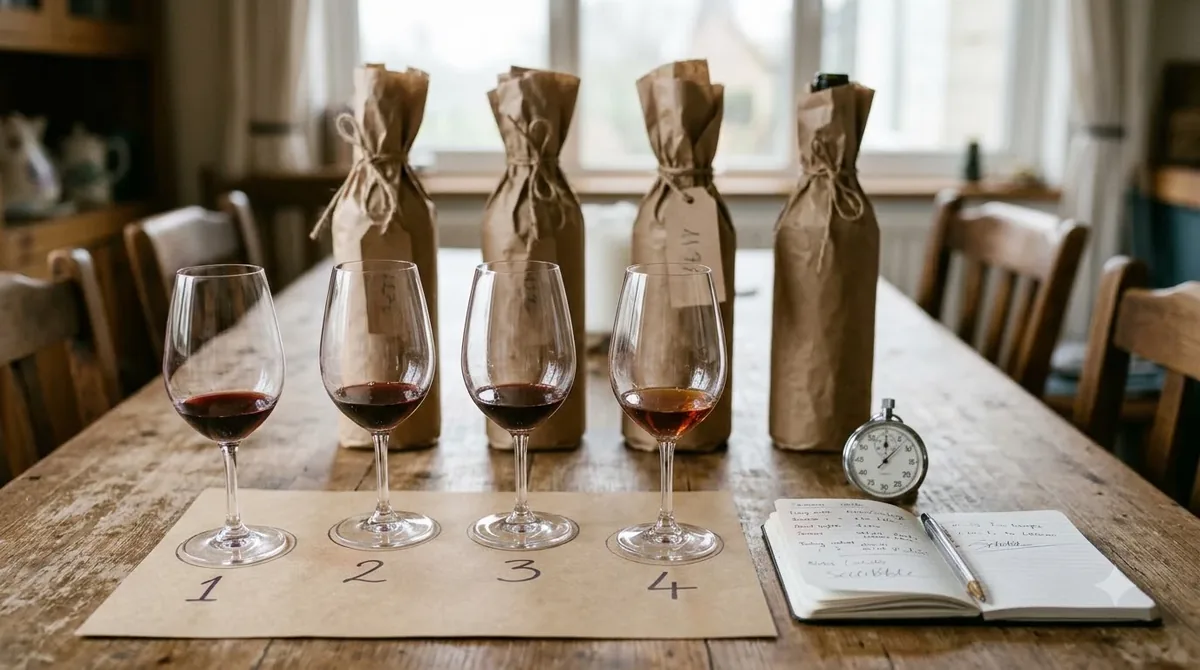
When visiting multiple wineries, compare wines by grape variety rather than tasting every bottle in an unrelated sequence. For example, tasting two Syrahs from different producers followed by two Chardonnays gives you a clearer impression of regional similarities and differences.
The following figures provide useful context for the area’s principal varieties. They represent the acreage breakdown published by the Lake Chelan Wine Alliance, not a complete inventory of every vineyard.
| Grape variety | Reported vineyard acreage | What to look for |
|---|---|---|
| Syrah | 59 acres | Dark fruit, spice, structure |
| Chardonnay | 35 acres | Citrus, orchard fruit, texture |
| Merlot | 29 acres | Plum, softer tannins, medium body |
| Pinot Noir | 25 acres | Red fruit, acidity, lighter tannins |
| Riesling | 23 acres | Fresh acidity, citrus, possible sweetness |
| Cabernet Franc | 22 acres | Red fruit, herbs, savory notes |
| Malbec | 22 acres | Dark fruit, color, firm structure |
| Pinot Gris | 21 acres | Pear, citrus, refreshing acidity |
These numbers also explain why visitors should not assume that Lake Chelan is exclusively a white-wine destination or exclusively a red-wine destination. Its relatively diverse vineyard plantings make it possible to explore both styles during the same trip.
Wineries and Tasting Rooms Worth Considering
Lake Chelan has more than 40 wineries and tasting rooms, so choosing a manageable shortlist is more useful than trying to visit every producer. The following destinations represent different districts and give visitors several ways to experience the region.
North Shore: Cairdeas Winery and Hard Row To Hoe Vineyards
Cairdeas Winery is located at 31 Winesap Avenue in Manson, making it a useful stop for visitors exploring the North Shore. Its position in the district allows wine enthusiasts to combine a tasting with other nearby vineyard destinations.
Hard Row To Hoe Vineyards is another North Shore option, listed at 300 Ivan Morse Road in Manson. Its vineyard location makes it a candidate for visitors who prefer winery destinations away from the main downtown tasting-room clusters.
Other names to consider in this area include Benson Vineyards, Tildio Winery, Tipsy Canyon Winery, and Succession Wines. Checking the current winery directory before setting out will help identify which tasting experiences best match your interests.
Downtown Chelan: Rocky Pond and Sigillo Cellars
Rocky Pond Estate Winery has a downtown tasting location at 212 East Woodin Avenue. Its central position makes it a convenient option for visitors who want to combine a tasting with shopping, dining, or an evening in Chelan.
Sigillo Cellars Tasting Room and Public House is listed at 2037 West Woodin Avenue. Its tasting-room and public-house format makes it another destination worth considering when planning a downtown wine outing.
One Wines and Vin du Lac Winery are additional options in the broader Downtown Chelan district. A downtown itinerary is particularly convenient for people who want to limit driving between wine stops.
South Shore: Siren Song and Fielding Hills
Siren Song Winery and Restaurant is listed at 635 South Lakeshore Road. Its combination of winery and restaurant makes it a particularly interesting destination for visitors who want food to be part of the experience rather than treating lunch and wine tasting as separate activities.
Fielding Hills Winery is listed at 565 South Lakeshore Drive. Visitors exploring this district can also consider Karma Vineyards, Callan Cellars, Tillan Cellars, and Mellisoni Vineyards.
Downtown Manson: Wapato Point Cellars and WineGirl Wines
Wapato Point Cellars is listed at 200 South Quetilquasoon Road in Manson. WineGirl Wines, at 222 East Wapato Way, provides another downtown option for visitors exploring the northern end of the lake.
Alta Cellars, Ancestry Cellars, Navarre Coulee Vineyards, and Vibe Cellars are also included in the Downtown Manson district. These destinations make it possible to organize a tasting session around a relatively concentrated group of businesses.
For a broader introduction to Washington’s different growing areas, compare the region with destinations such as Niagara on the Lake wine tasting and explore how geography and local grape selections influence wine tourism in different destinations.
Best Time to Visit and How to Plan Your Tastings
The best time to visit Lake Chelan depends on whether you prioritize warm-weather lake activities, vineyard scenery, quieter tasting rooms, or harvest-season atmosphere. Summer and early fall are particularly appealing for combining winery visits with outdoor activities, although each season has advantages.
Summer brings warm weather, long daylight hours, and opportunities to combine wine tasting with boating, lakeside dining, and other recreational activities. The lake’s moderating influence is an important part of the local climate, but visitors should still plan for sunshine and warm conditions when moving between wineries.
Early fall offers another attractive opportunity. Harvest activity brings added interest to vineyard visits, and the changing landscape can make winery outings especially scenic. However, harvest is also an important working period for wineries, so visitors should be considerate of staff schedules and avoid assuming that every producer offers the same experiences throughout the season.
Spring is worth considering for visitors who prefer a quieter trip. Vineyard landscapes begin their seasonal transition, and winery visits can provide a more relaxed alternative to the busiest summer travel periods. Some outdoor facilities and tasting experiences may operate on different schedules outside peak tourism season.
Winter can appeal to visitors interested primarily in wine and dining rather than lake recreation. The surrounding mountain scenery provides a different atmosphere, although seasonal hours and weather-related travel conditions deserve attention.
How many wineries should you visit?
For a comfortable day, plan approximately two or three winery visits rather than attempting to cover the entire region. This allows time to enjoy each tasting, ask questions, eat a meal, and appreciate the surroundings without turning the day into a race.
A useful itinerary might begin with a late-morning tasting, followed by lunch at or near a winery, and finish with an afternoon visit to another producer. If you prefer a slower experience, two wineries can easily fill an enjoyable afternoon.
Reservations are particularly sensible for groups, larger parties, guided experiences, and winery restaurants. Some tasting rooms accommodate walk-ins, while others may have limited seating or require advance arrangements for particular experiences.
Before leaving, verify opening days, current tasting hours, reservation policies, group-size restrictions, and any special event schedules. A winery appearing in a regional directory does not necessarily mean it will be open every day.
Sample one-day tasting itinerary
A practical itinerary can be built around one district instead of crossing the entire lake repeatedly. For example, visitors staying in Manson could spend the morning at a North Shore winery, enjoy lunch in the area, and finish with a Downtown Manson tasting.
Visitors staying in Chelan could choose Rocky Pond or Sigillo Cellars for a downtown starting point, then arrange a separate South Shore visit if transportation and time allow. This approach keeps the day organized while still providing opportunities to compare different producers.
For anyone considering other lakeside wine destinations, Seneca Lake wine tasting offers another useful comparison of winery districts, regional wines, and scenic wine-country travel.
Wine-Tasting Etiquette, Transportation, and Practical Tips
A successful Lake Chelan wine trip depends on more than choosing wineries. Planning transportation, tasting portions, food, and wine purchases in advance makes the experience more comfortable and allows visitors to concentrate on the wines.
Start by choosing a designated driver or arranging transportation that does not require anyone in the group to drive after drinking. Winery visits are spread across the shoreline and surrounding roads, so the distance between tasting rooms can be significant even when they appear close on a regional map.
For groups planning several visits, a professional transportation service or private tour can simplify the day. It also removes the need to coordinate individual driving arrangements between North Shore, South Shore, Chelan, and Manson.
At the tasting room, communicate your preferences to the staff. Mention whether you enjoy crisp whites, aromatic Riesling, lighter Pinot Noir, or fuller-bodied Syrah. This helps the tasting-room team select appropriate wines and explain differences between producers and grape varieties.
There is no need to taste every wine offered. A focused selection of three to five wines at an individual stop can provide plenty of information, particularly if you compare wines of the same grape variety or style.
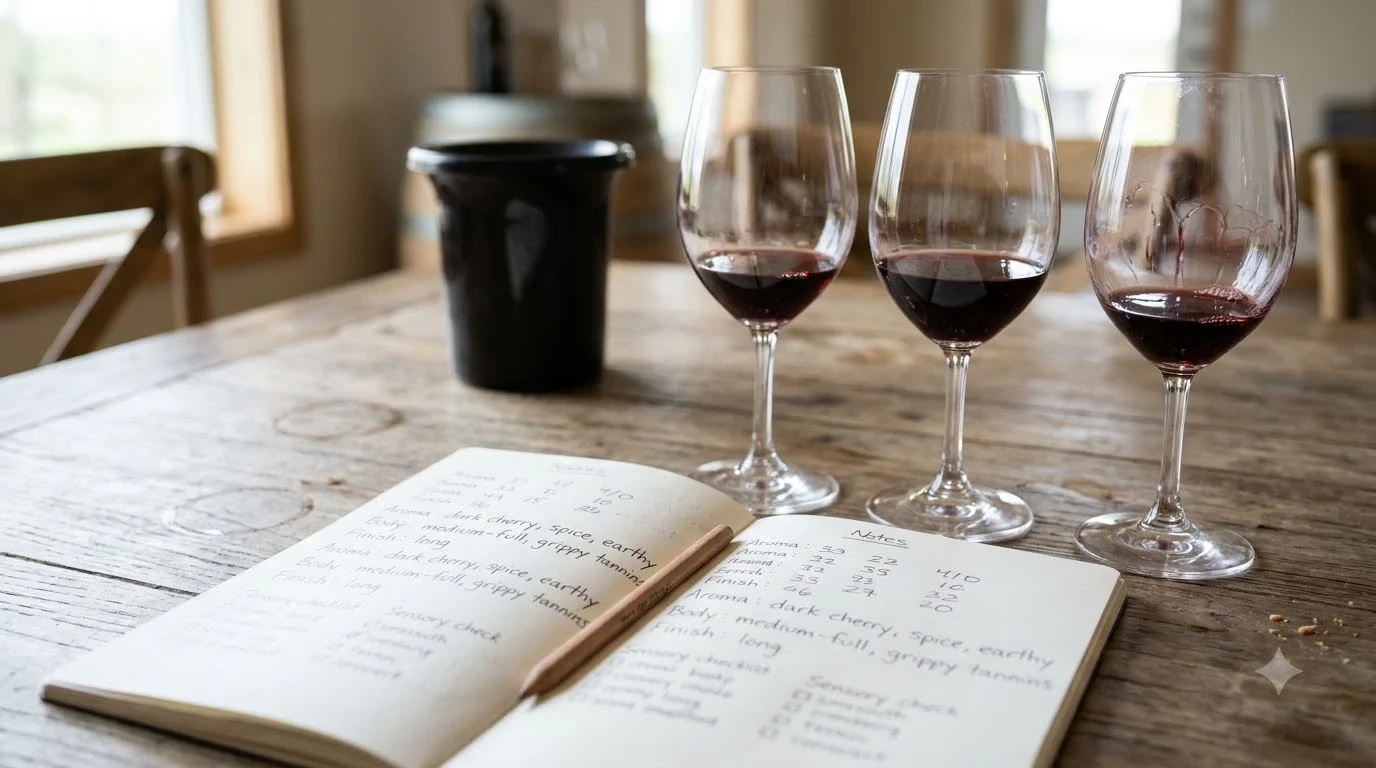
Take notes on grape variety, producer, vintage, acidity, tannin, sweetness, and overall impression. Even a few descriptive words can help you remember which wines you enjoyed after visiting multiple wineries.
Food and wine pairing during a tasting trip
Food is an important consideration when planning a day of wine tasting. Cheese, bread, charcuterie, and substantial meals can provide useful opportunities to explore how different foods change the impression of a wine.
Acidity is particularly important when pairing wine with food. Dishes containing tomatoes, citrus, vinegar, or other acidic ingredients generally work best with wines that have comparable or higher acidity. Riesling and Sauvignon Blanc are useful styles to explore with these foods.
Salt and fat can soften the perception of tannin, making fuller-bodied red wines more approachable alongside rich meats and aged cheeses. Syrah and Merlot can be interesting options with grilled meats, savory dishes, and hearty preparations.
Spicy food requires more care. Wines with substantial alcohol and tannin can make chili heat feel stronger. A fruit-forward wine with moderate alcohol and some residual sweetness may be a more comfortable pairing with spicy dishes.
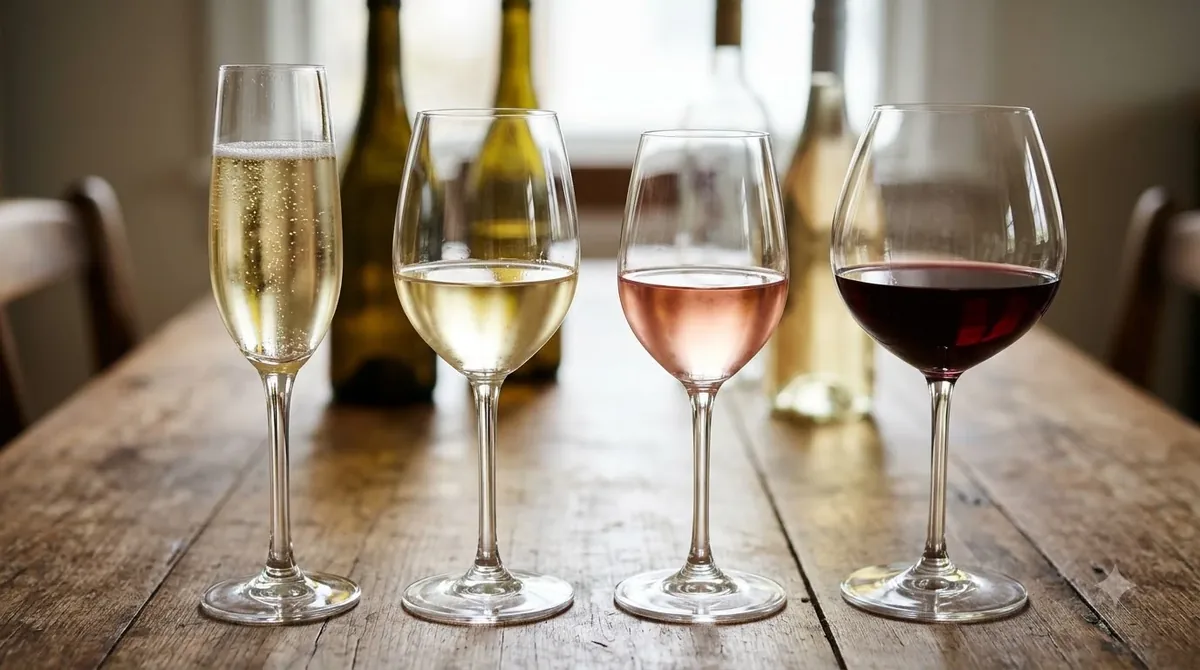
Temperature also changes how wine tastes. Sparkling wines generally show well at 40–50 degrees Fahrenheit, light whites and rosé at 45–50 degrees, and fuller-bodied whites at 50–55 degrees. Light reds are generally served at 55–60 degrees, while full-bodied reds benefit from approximately 60–65 degrees.
If you purchase bottles during the day, consider how you will transport them. Avoid leaving wine in a hot vehicle for extended periods, particularly during summer. Ask the winery about appropriate packaging and storage recommendations if you are continuing your sightseeing before returning to your accommodation.
Purchasing wine and remembering favorite producers
Buying directly from a winery can be a useful way to bring home wines that may be difficult to find elsewhere. Before purchasing, consider whether the wine suits your preferences, whether you have appropriate storage, and whether it can be transported safely.
A standard 750-milliliter bottle provides approximately five 5-ounce glasses. This is a useful reference when estimating how much wine to purchase for a dinner or gathering.
For bottles intended for longer storage, a cool environment near 55 degrees Fahrenheit is a useful target. Traditional cork-finished bottles are generally stored on their sides to help keep the cork from drying out.
For opened bottles, refrigeration helps preserve freshness. Most opened still wines are best consumed within approximately three to five days, while sparkling wine generally lasts around one to three days with an appropriate sparkling-wine stopper.
Keep a record of the producers and wines you particularly enjoyed. This makes it easier to revisit favorite bottles, discover related varieties, and plan another visit to a different Lake Chelan district.
Frequently Asked Questions
Is Lake Chelan considered part of the Columbia Valley wine region?
Yes. Lake Chelan is a sub-appellation entirely contained within the larger Columbia Valley AVA. Its own federal designation recognizes the area’s distinctive geography, climate, and soils. This means a wine labeled Lake Chelan AVA identifies a more geographically specific origin than one labeled only Columbia Valley.
How deep is Lake Chelan compared with other American lakes?
The lake reaches approximately 1,486 feet at its deepest point. Its unusual depth is a result of the geological forces associated with its glacial formation. This dramatic underwater landscape is an important part of the region’s physical identity.
Can visitors explore Lake Chelan wine country without renting a car?
Yes, although the experience requires some planning. Visitors can concentrate on Downtown Chelan or Downtown Manson, where multiple tasting destinations are listed within the same general district. For vineyard visits farther from town, arranging a shuttle, private driver, or organized tour is a practical alternative to renting a vehicle.
Does Lake Chelan produce wine from grapes other than traditional European varieties?
The region’s vineyard diversity includes several less familiar varieties, including Aglianico, Clairette Blanche, Dolcetto, Grüner Veltliner, Muscadelle du Bordelais, and Tannat. Availability varies by producer and vintage, so these wines may be less common than Syrah, Chardonnay, or Merlot. Asking tasting-room staff about unusual varieties can reveal some interesting local selections.
How far does the Lake Chelan AVA extend from the town of Chelan?
The Lake Chelan Wine Alliance describes the appellation as extending approximately 12 miles up the lake from the town of Chelan. Its geographic boundaries also incorporate surrounding land at or below 2,000 feet in elevation. The boundary follows the area’s physical relationship with the lake rather than simply following municipal borders.
Lake Chelan offers a distinctive Washington wine experience, combining more than 40 wineries and tasting rooms with a landscape shaped by glaciers, volcanic materials, and the moderating influence of a deep alpine lake. Start with one or two of its four wine districts, explore the local Syrah, Chardonnay, Pinot Noir, and Riesling, and leave enough time to enjoy the scenery. A thoughtfully planned visit provides a rewarding introduction to one of Washington’s most distinctive wine-growing areas.
More in Wine Regions
 Willcox Wine Trail: Discover Arizona’s High-Elevation Wine CountryUpdated Nov 20, 2026
 Yakima Valley Wine Region: Find the Best Styles to TryUpdated Nov 20, 2026
 Vosne Romanee Wine Tasting: Identify Aromas and Choose Better PairingsUpdated Nov 20, 2026
 Yakima Valley Wine Festival: Find the Best Seasonal Wine EventsUpdated Nov 20, 2026
 Wales Vineyards: Discover Cool-Climate Wines and Where to VisitUpdated Nov 20, 2026
 Yountville Wine Festival: Discover Napa Wines and Local FoodUpdated Nov 20, 2026