

We may earn a commission when you buy through links on this page, at no extra cost to you. Learn more.
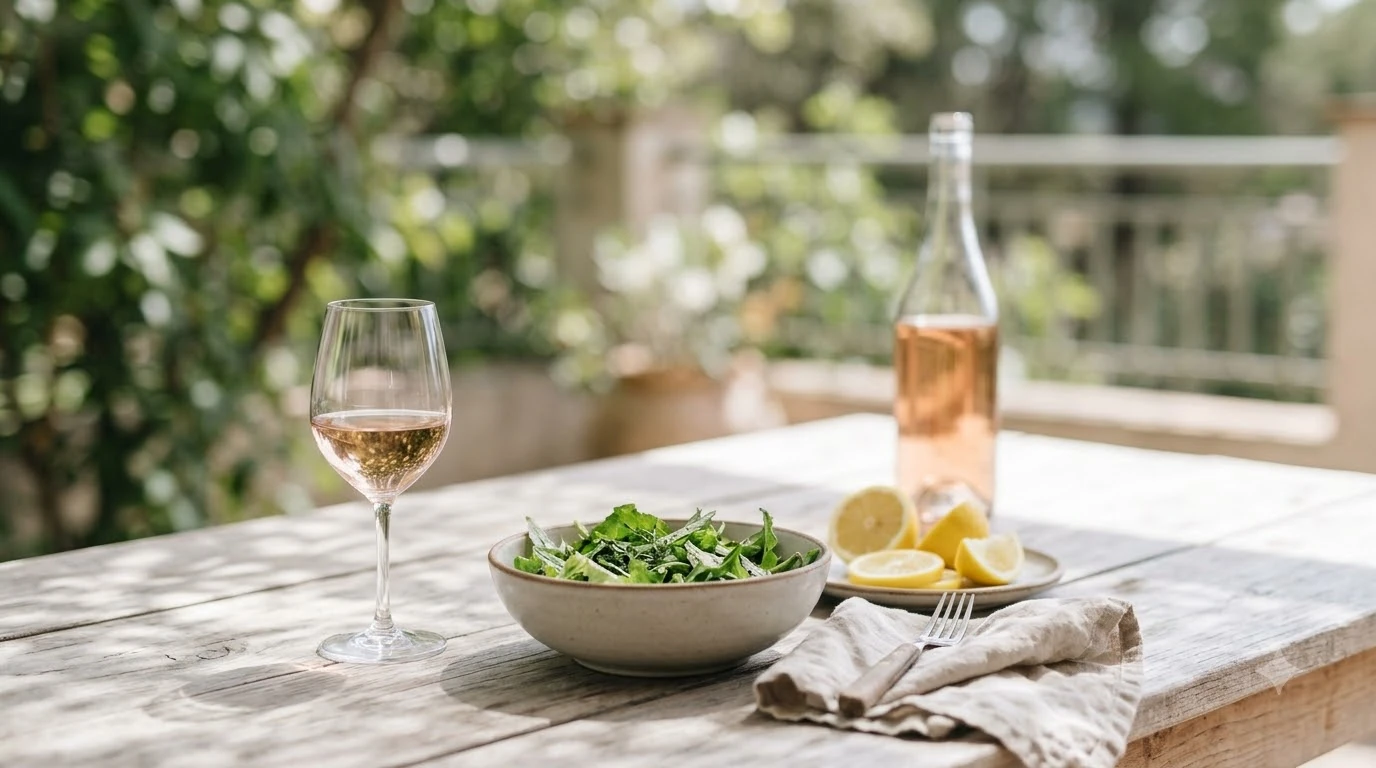
Krug red wine is not a standalone red wine; Krug makes prestige Champagne, including Krug Rosé, a pink sparkling wine that incorporates still red Pinot Noir into its blend. This distinction explains why shoppers sometimes associate the Champagne house with red wine even though its red-wine component is used to create rosé Champagne. Understanding the difference helps you choose the right Krug bottle, recognize its grape varieties, and find suitable food pairings.
Krug is one of Champagne’s distinguished producers, known for its multi-vintage blending, careful selection of reserve wines, and extended cellar maturation. Its rosé Champagne offers a different expression of the house style, combining the richness of Pinot Noir with the freshness and structure of Chardonnay and Meunier. If you are searching for Krug red wine, the most useful bottle to investigate is Krug Rosé, rather than a conventional still red wine.
Does Krug Make Red Wine?
No, Krug is principally a Champagne producer, not a traditional red wine producer. Its wine range includes white Champagne, rosé Champagne, vintage releases, and single-vineyard bottlings. The important distinction is that Krug Rosé contains still red wine as a blending component, but the finished product remains sparkling rosé Champagne.
The House of Krug was established by Joseph Krug in 1843. His original ambition was to create excellent Champagne every year, regardless of differences between growing seasons. Instead of relying entirely on one harvest, he developed a blending philosophy that brought together wines from different vineyards and years. That approach became central to the identity of Krug Grande Cuvée and influenced the house’s broader range.
Krug is headquartered in Reims, in France’s Champagne region. Its wines are made within the Champagne tradition, which distinguishes them from ordinary still red wines produced in regions such as Bordeaux, Burgundy, Tuscany, or Napa Valley.
There are three useful distinctions to understand:
- Red wine: A still wine produced through red-wine winemaking, generally with fermentation involving grape skins to extract color, tannin, and flavor.
- Rosé Champagne: A sparkling wine with a pink color, created using methods that introduce color and character from red grapes or red wine.
- Krug Rosé: A prestige rosé Champagne made by blending white Champagne wines with a carefully selected portion of still red Pinot Noir.
That final category is the reason the phrase Krug red wine appears in wine searches. A buyer may have heard about the red Pinot Noir used in Krug Rosé and assumed that the producer also sells a conventional red bottle. The distinction matters because the finished wine has bubbles, Champagne acidity, and a different serving style from still Pinot Noir.
For readers exploring the wider producer category, the Wine Brands section offers a useful starting point for understanding how different producers organize their wine collections.
Krug Rosé and Its Red Pinot Noir Component
Krug Rosé is the closest match to what someone searching for Krug red wine probably has in mind. It is a carefully assembled pink Champagne in which still red Pinot Noir contributes color, structure, and additional fruit character without turning the finished wine into a still red wine.
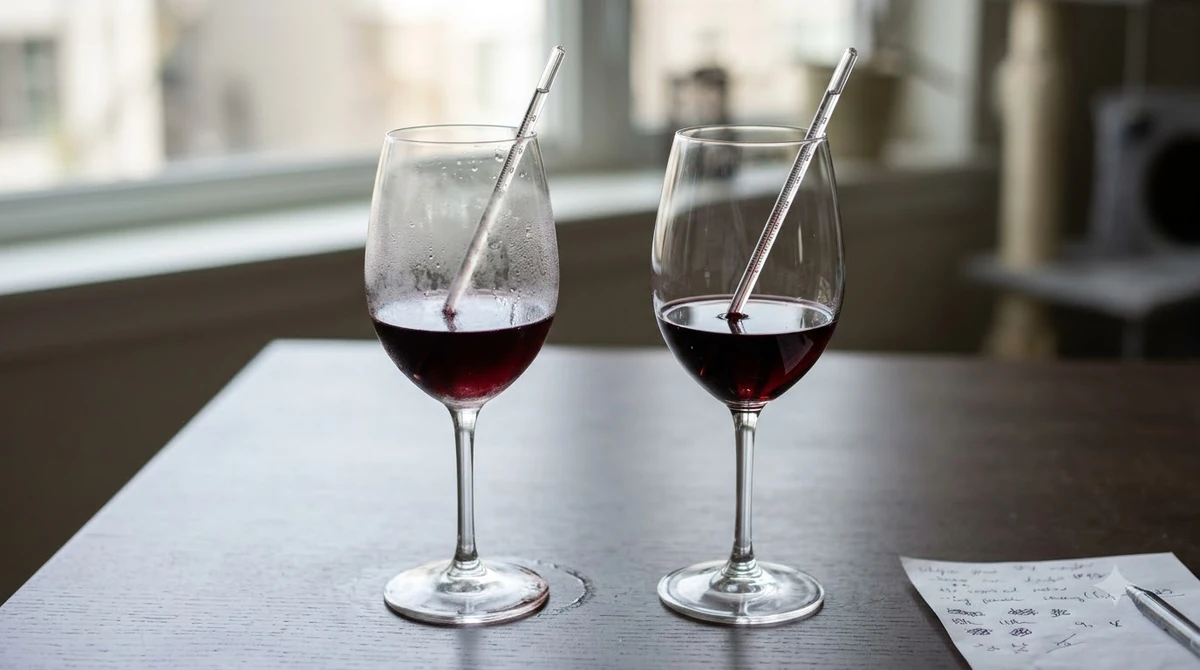
The idea for Krug Rosé emerged during the 1970s. Members of the fifth generation of the Krug family, Rémi and Henri Krug, considered creating a rosé Champagne that would express the house’s established blending philosophy in a new way. The concept took shape following the 1976 harvest, and the first blend was presented to the public in 1983.
Rather than simply producing a lighter version of its white Champagne, Krug developed a rosé with its own identity. The aim was to retain the complexity and depth associated with the producer while introducing the fruit character and visual appeal of rosé.
Pinot Noir plays a central role in that process. It is a red grape variety that can provide structure, red-fruit aromas, and a more substantial impression on the palate. Chardonnay contributes freshness and acidity, while Meunier helps provide fruitiness and mid-palate generosity.
The proportions vary between editions, so it is important not to assume that every Krug Rosé bottle has precisely the same recipe. For example, the Krug Rosé 29ème Édition is composed of the following grape proportions:
| Component | Percentage | Contribution |
|---|---|---|
| Pinot Noir | 53% | Red fruit, structure, and depth |
| Chardonnay | 28% | Freshness, acidity, and precision |
| Meunier | 19% | Fruitiness and roundness |
| Total | 100% | Complete grape composition |
According to Krug’s published description of this edition, 11% of the final composition consisted of traditionally macerated Pinot Noir wines. This is a particularly useful detail because it explains how the red-wine element contributes to the finished rosé.
Decanter also discusses Krug’s approach to blending, reserve wines, and the use of Pinot Noir in the house style. Its Krug producer profile provides additional context about the Champagne house’s winemaking philosophy and production methods.
In practical terms, Krug Rosé should be understood as a sophisticated sparkling wine with a red-wine influence, not as a bottle of red Pinot Noir. Its color, bubbles, acidity, and blending process all belong to the Champagne category.
What Does Krug Rosé Taste Like?
Krug Rosé combines the freshness of Champagne with the deeper fruit character associated with Pinot Noir. Expect a more substantial style than many light, straightforward rosé sparkling wines, with fruit, acidity, and layered flavors working together.
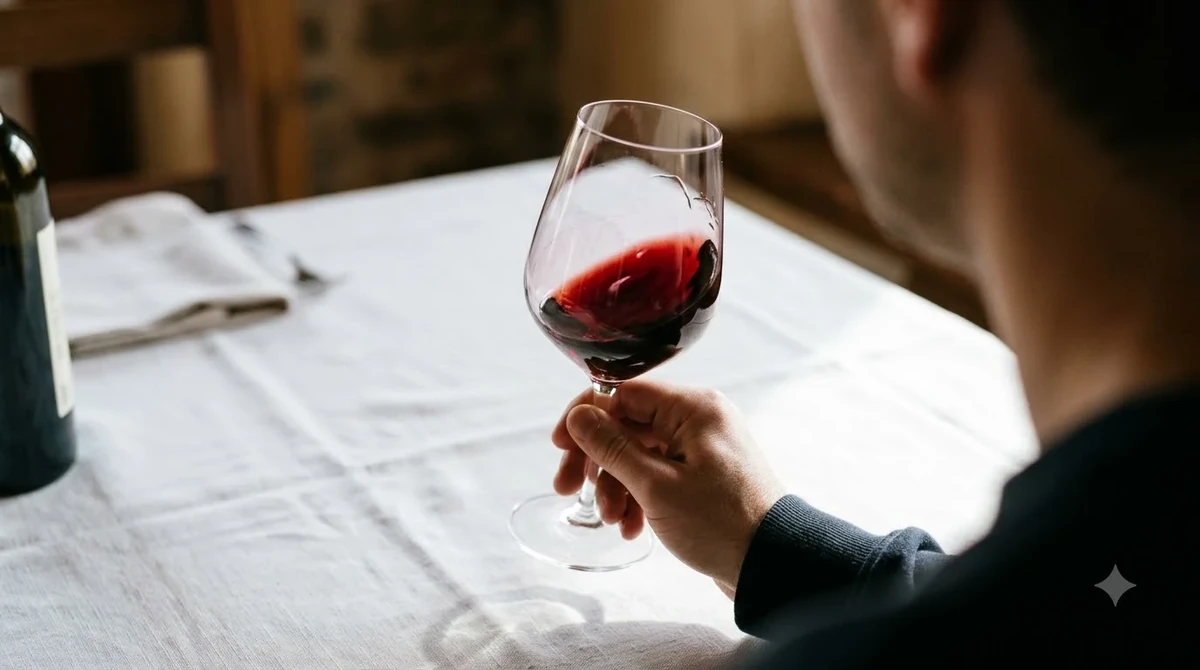
The Pinot Noir component helps give the wine its pink color and red-fruit character. Depending on the edition and its development in the bottle, the aromatic profile can include strawberry, raspberry, red currant, and cherry. These fruit notes can be accompanied by citrus, floral details, and the more developed aromas associated with extended lees aging.
Chardonnay contributes a fresh, lively impression, helping balance the richer elements of the blend. Meunier can add a generous fruit character and help fill out the middle of the palate. Together, the varieties produce a Champagne that is more than simply a white sparkling wine with a pink appearance.
Another important influence is the production method. Krug uses oak barrels for fermenting its base wines, with old, neutral barrels chosen to support the development of the wine rather than impart strong new-oak flavors. The wines are subsequently transferred to stainless steel before blending and further maturation.
Lees aging also contributes to the house style. During this process, the wine develops additional texture and aromas through its extended contact with spent yeast cells. These characteristics can produce notes associated with bread, biscuit, pastry, and brioche.
For a broader understanding of the distinction between white and rosé Champagne, compare Krug Rosé with Krug white wine. The white bottlings offer a different expression of the same producer’s approach to blending, vineyard selection, and maturation.
It is also useful to remember that different Krug Rosé editions will not taste exactly alike. The proportions of the contributing wines, the character of their harvests, the selection of reserve wines, and bottle development all influence the final result.
How Krug Rosé Compares With Other Krug Champagnes
Krug offers several distinct Champagne expressions, and understanding their differences makes it easier to choose the right bottle. Grande Cuvée is the flagship multi-vintage Champagne, while Rosé adds a red-wine component, Vintage highlights a particular harvest, and the Clos bottlings focus on individual vineyard sites.
Krug Grande Cuvée is designed to express the house’s preferred interpretation of Champagne every year. It combines wines from numerous harvests rather than focusing on one vintage. The blending process allows the producer to bring together different vineyard characteristics, grape varieties, and reserve wines.
According to Krug’s official description, Grande Cuvée can contain more than 120 individual wines from over 10 different years. These components are selected to create a consistent house philosophy while allowing individual editions to express differences in their contributing harvests.
Krug Rosé follows a comparable philosophy of blending, but its identity is different. The addition of still red Pinot Noir creates a pink Champagne with a fruit profile and structure distinct from Grande Cuvée.
Other important bottlings include:
- Krug Vintage: A Champagne that expresses the distinctive character of a particular harvest. The house produces it only when the vintage merits a dedicated release.
- Krug Clos du Mesnil: A single-vineyard Blanc de Blancs Champagne made exclusively from Chardonnay grown in the Clos du Mesnil vineyard.
- Krug Clos d’Ambonnay: A single-vineyard Champagne made entirely from Pinot Noir grown in a small enclosed vineyard.
- Krug Collection: Mature vintage Champagne held in the house’s cellars for later release, offering a more developed expression of the original wine.
These wines are not interchangeable. Someone looking for a rosé Champagne should choose Krug Rosé, while a buyer interested in the character of a specific harvest should investigate Krug Vintage. A collector interested in Chardonnay-focused Champagne may prefer Clos du Mesnil.
The comparison also explains why the phrase Krug red wine can be misleading. Although Pinot Noir is an important grape in several of these wines, the house’s red-grape expressions remain within the Champagne category.
Tip: If you are trying to identify a bottle associated with red Pinot Noir, look for Krug Rosé rather than searching for a conventional Krug red wine. The word Rosé identifies the finished wine style, while the red-wine component describes part of its production.
How to Pair Krug Rosé With Food
Krug Rosé works particularly well with foods that combine savory flavors, moderate richness, and enough acidity to complement the wine. Its red-fruit character and Champagne freshness make it suitable for seafood, poultry, mushrooms, and selected meat dishes.
Seafood is a natural starting point. Salmon, tuna, and richer shellfish can work especially well because the wine has more structure than many delicate sparkling rosés. Seared tuna with sesame, for example, can complement the fruit character of Pinot Noir while the Champagne’s acidity helps balance the richness of the fish.
Oysters, scallops, and lobster can also be suitable, although preparation matters. A simple grilled scallop with butter and lemon offers a different pairing from a heavily spiced seafood dish. Lemon-based sauces and fresh herbs can provide an acidic contrast that supports the wine’s freshness.
Poultry is another useful option. Roasted chicken, duck breast, and turkey can complement the wine’s texture and red-fruit character. Duck with a restrained cherry sauce is especially appealing because the fruit in the sauce can echo the wine’s berry notes without making the dish excessively sweet.
For richer dishes, consider mushroom risotto, roasted vegetables, or soft cheeses. The savory character of mushrooms can work with the wine’s developed aromas, while creamy preparations provide a contrasting texture.
Here are several practical pairing ideas:
| Food | Why It Works | Serving Idea |
|---|---|---|
| Seared tuna | Rich texture and savory flavor complement Pinot Noir | Sesame and light citrus dressing |
| Roast duck | Meaty flavors suit the wine’s fruit and structure | Cherry or berry sauce |
| Grilled salmon | Natural richness balances sparkling acidity | Lemon and fresh herbs |
| Mushroom risotto | Earthy flavors complement developed Champagne aromas | Parmesan and thyme |
| Soft-ripened cheese | Creaminess contrasts with lively acidity | Brie or Camembert |
| Roasted chicken | Moderate richness suits the wine’s texture | Garlic and rosemary |
There are some combinations to approach carefully. Very hot chili dishes can make the alcohol and flavor intensity of wine seem more pronounced, while extremely sweet desserts can make a dry Champagne seem sharper and less balanced.
For dessert, choose something with restrained sweetness or fresh fruit rather than an intensely sugary preparation. A dessert should generally be no sweeter than the wine being served. Fresh strawberries or lightly sweetened berry preparations can be more suitable than heavily frosted cakes or very sweet chocolate desserts.
Salt and fat can soften the perception of tannin in red wines, but Krug Rosé is sparkling Champagne rather than a tannic still red. Its acidity and bubbles are particularly useful for balancing richer dishes, making it a versatile choice for a celebratory dinner.
Serving Temperature, Storage, and Bottle Identification
Krug Rosé is best served chilled, generally within the sparkling wine range of 40-50 degrees Fahrenheit. Proper temperature preserves its freshness and helps maintain a balanced presentation of fruit, acidity, and developed Champagne aromas.
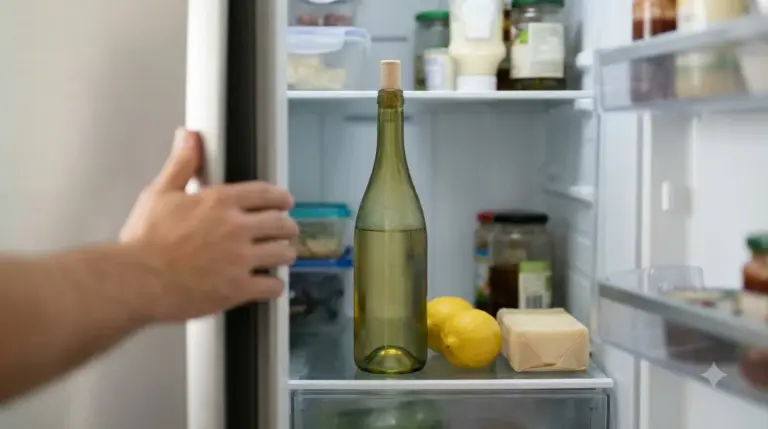
Serving the wine too warm can make its alcohol and richer flavors seem more prominent, while excessive chilling can temporarily suppress its aromatic complexity. A refrigerator is a practical way to bring the bottle down to serving temperature before opening.
Glassware also influences the experience. A standard Champagne flute preserves a narrow stream of bubbles, but a tulip-shaped sparkling wine glass offers more room for aromas to develop. A moderately wide white wine glass can also be suitable when the goal is to appreciate the complexity of a mature Champagne.
Use the following practical guidelines:
- Serving temperature: 40-50 degrees Fahrenheit.
- Pour size: Approximately 5 ounces per serving.
- Standard bottle: A 750-milliliter bottle provides approximately five 5-ounce glasses.
- Glassware: Choose a tulip-shaped Champagne glass or a suitable white wine glass.
- Opened bottle: Refrigerate promptly and use a proper sparkling wine stopper.
- Short-term storage: Opened sparkling wine generally retains its best qualities for approximately 1-3 days in the refrigerator, although carbonation gradually declines.
For unopened bottles, consistent storage conditions are important. A cool environment around 55 degrees Fahrenheit is a useful target, away from direct sunlight and sudden temperature changes. Bottles stored for extended periods are generally best kept on their sides in an appropriate wine-storage environment.
Krug also provides an identification feature that can help buyers understand individual bottles. Its Krug ID is a six-digit code printed on the back label. Introduced in 2011, this code gives access to information about the specific bottling, including its composition and other details supplied by the house.
This is particularly useful for multi-vintage Champagne. Two bottles bearing the same main wine name may belong to different editions, with different proportions of reserve wines and different contributing harvests.
For example, Krug Rosé 28ème Édition and 29ème Édition are not simply two bottles of an identical recipe. Each reflects a distinct selection of wines. The edition number and Krug ID help collectors distinguish them.
When purchasing a bottle, examine the front and back labels, the condition of the capsule, and the storage history if available. For an older bottle, provenance is particularly important because prolonged exposure to heat or fluctuating temperatures can affect Champagne quality.
For more information about the house’s individual wines and their compositions, Vinfolio’s guide to Krug Champagne provides additional background on its range, production methods, and bottle identification system.
How to Choose Between Krug Rosé and Other Wine Styles
The best choice depends on whether you want a sparkling rosé, a traditional red wine, or a different style of Champagne. Krug Rosé is appropriate for someone seeking a complex pink sparkling wine, but it is not a substitute for a still red wine in every food or drinking situation.
If you specifically want a red wine with pronounced tannins and a still-wine structure, a Cabernet Sauvignon or Syrah may be more appropriate. These wines offer a different experience from Champagne, particularly with grilled red meat and dishes that benefit from greater tannin structure.
For something softer, Pinot Noir from Burgundy or another established Pinot Noir region can provide red cherry, raspberry, and earthy characteristics. However, the wine will not have the bubbles or Champagne acidity of Krug Rosé.
Merlot is another option for someone seeking a softer red wine. Its generally moderate tannin level makes it suitable for dishes such as roasted poultry, pasta with meat sauce, and grilled vegetables.
Someone interested in Champagne rather than still red wine should compare Krug Rosé with Grande Cuvée. The former has a pink appearance and a red Pinot Noir component, while the latter is a white multi-vintage Champagne. Both reflect the house’s approach to blending and extended maturation.
It can also help to distinguish Champagne from other sparkling wines. Prosecco, for example, is typically produced from Glera using the tank method, while Champagne undergoes its second fermentation in the bottle. These production differences contribute to different textures and flavor profiles.
Other producers may offer a different approach to red and rosé wines. For example, readers comparing established wine houses can explore Baron Philippe de Rothschild wine to understand how a producer associated with Bordeaux approaches its broader range of wine styles.
Similarly, understanding the alcohol level of an everyday white wine such as Black Box Pinot Grigio alcohol content can help illustrate how wine style, grape variety, and production choices influence the final bottle.
Ultimately, the most important purchasing decision is to choose the wine that matches your intended occasion. Krug Rosé is suited to people seeking a complex sparkling wine with red-fruit character, while someone specifically looking for a still red wine should select a bottle from a red-wine-producing region or producer.
Frequently Asked Questions
Is Krug Rosé made with red grapes?
Yes. Pinot Noir is a major component of Krug Rosé, and the wine also includes Chardonnay and Meunier. The red grapes are used in a Champagne blending process, with the finished wine retaining its sparkling rosé classification.
Does Krug Rosé contain actual red wine?
Yes. Krug incorporates still red Pinot Noir wine into its rosé Champagne blend. The amount varies by edition, and the red component contributes to the wine’s color, fruit character, and structure.
What is the difference between Krug Rosé and Krug Clos d’Ambonnay?
Krug Rosé is a multi-vintage rosé Champagne, while Clos d’Ambonnay is a single-vineyard vintage Blanc de Noirs Champagne made from Pinot Noir. The Clos d’Ambonnay vineyard covers approximately 0.68 hectares and is located near the village of Ambonnay in Champagne.
Is Krug Rosé suitable for aging?
Yes. Krug Rosé is designed to develop in the bottle, and its character can change with additional cellar time. The exact aging potential depends on the edition, storage conditions, and individual bottle, so collectors should preserve consistent cool temperatures and protect bottles from light.
What does the Krug ID tell you about a bottle?
The six-digit Krug ID connects a bottle to information about its individual composition and production history. The code can be entered on Krug’s official website or accessed through its app. It is particularly useful for identifying individual editions and understanding their contributing wines.
Krug red wine is best understood as a search for the distinctive red-wine influence found in Krug Rosé, not as a separate still red Champagne-house offering. With its Pinot Noir component, complex blending, and extended maturation, Krug Rosé provides a distinctive alternative to conventional rosé sparkling wines. Choosing it over a traditional red wine makes sense when you want Champagne freshness, bubbles, and the deeper fruit character that Pinot Noir brings to the blend.
More in Wine Brands
 Vega Sicilia Wine Review: Choose the Right Spanish WineUpdated Nov 21, 2026
 Trimbach Riesling Review: Pick the Right Dry Alsace StyleUpdated Nov 21, 2026
 Veuve Clicquot Wine Price: Compare Bottles and Choose the Right ChampagneUpdated Nov 21, 2026
 Unshackled Wine Price: What to Expect for Every BottleUpdated Nov 21, 2026
 Trimbach Riesling Price: What to Pay for a Quality Alsace WhiteUpdated Nov 21, 2026
 Tisdale Wine Review: How to Choose the Right BottleUpdated Nov 21, 2026