

We may earn a commission when you buy through links on this page, at no extra cost to you. Learn more.
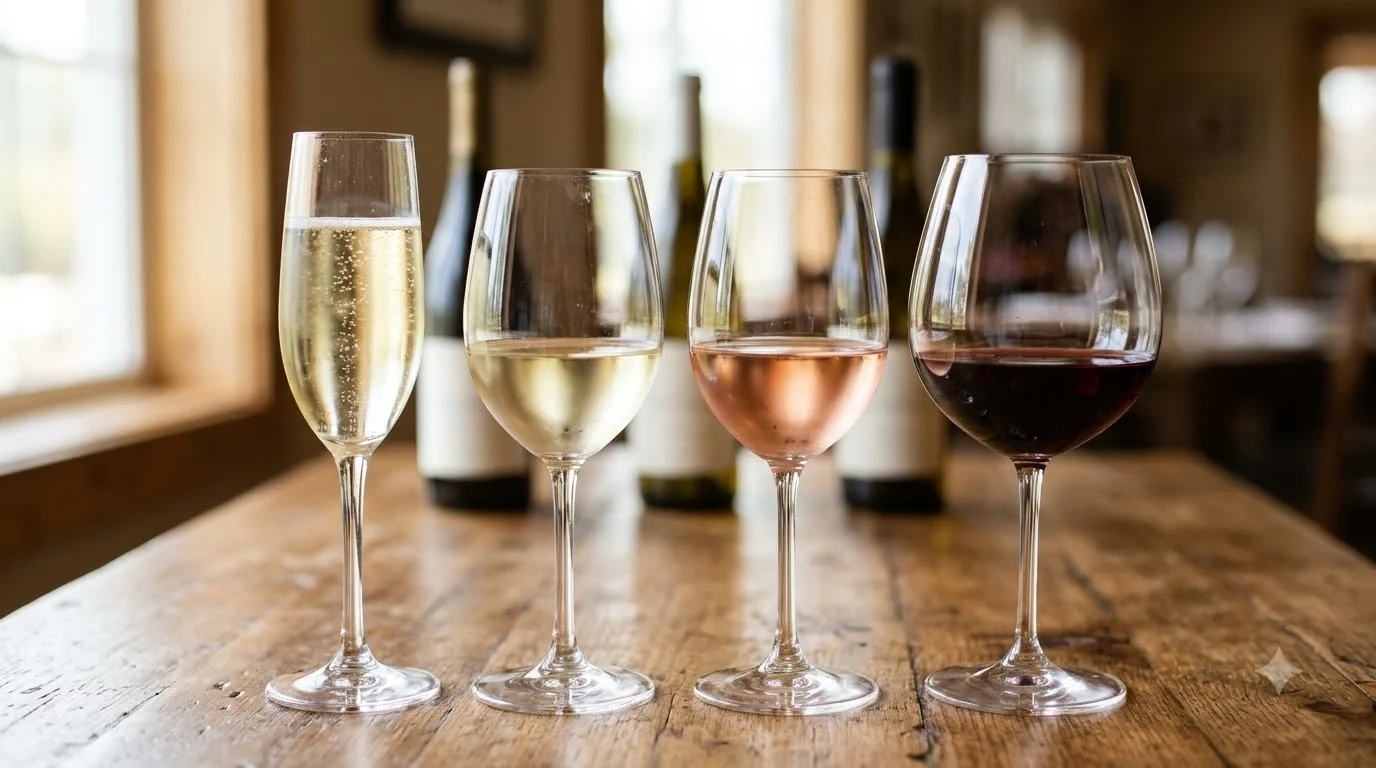
Krug white wine is premium white Champagne from Maison Krug in Reims, France, best known for its richly layered Grande Cuvée and exceptional single-vineyard Clos du Mesnil. These sparkling wines combine freshness, fine bubbles, and complex flavors developed through careful blending, oak-barrel winemaking, and extended cellar aging. Understanding their grape varieties, production methods, and differences makes it easier to choose the right Krug bottle for a special meal or occasion.
Krug is a distinctive name in Champagne because its white wines are built around more than simple freshness or fruitiness. The house emphasizes blending wines from different vineyards and harvest years, while also producing rare Champagnes that express the character of individual vineyard sites. Chardonnay plays an important role in these wines, but Pinot Noir and Meunier also contribute to the house’s signature white Champagne style. Whether you are considering a bottle of Grande Cuvée or a rare Clos du Mesnil, the differences are important for understanding what makes Krug recognizable.
What Krug White Wine Actually Is
Krug white wine refers primarily to the house’s white sparkling Champagne, not a conventional still Chardonnay or another everyday white wine. Produced in Champagne, France, these bottles follow the traditional Champagne method and combine grape selection, fermentation, blending, and bottle aging to create their characteristic complexity.
Maison Krug was established in Reims in 1843 by Joseph Krug. Its original philosophy centered on creating excellent Champagne every year rather than allowing differences in weather and harvest conditions to determine the quality of the finished wine. This approach helps explain why the house places so much importance on reserve wines, individual vineyard parcels, and careful blending.
Grande Cuvée is the clearest example of this philosophy. Rather than relying on grapes from one harvest, it combines wines from multiple years to achieve a recognizable house style. According to Krug, its general composition includes more than 120 individual wines from over 10 different harvest years. Each edition is a separate expression of that approach, rather than a simple repetition of an earlier bottling.
Krug also produces vintage Champagne and special single-vineyard wines. Clos du Mesnil is particularly important for understanding the white-wine side of the house because it focuses entirely on Chardonnay from one small vineyard. These wines offer a more specific expression of place and harvest than the broader blend of Grande Cuvée.
It is also useful to distinguish white Krug Champagne from Krug Rosé. Rosé is a separate style with a different color and blending approach. White Krug Champagne is generally the more appropriate starting point for someone looking for the house’s traditional sparkling wine character.
For readers exploring different producers and wine categories, the broader Wine Brands collection provides additional context for comparing Champagne houses with still-wine producers.
The Main White Champagne Styles From Krug
Krug’s white Champagne range includes multi-vintage blending, vintage expressions, and single-vineyard bottlings. Grande Cuvée offers the broadest interpretation of the house style, while Clos du Mesnil provides a focused expression of Chardonnay from Le Mesnil-sur-Oger.
Grande Cuvée is the central reference point for understanding Krug. Its blend can include wines from numerous vineyards and harvest years, allowing the cellar team to combine different characteristics. Some components contribute fruit, others provide structure, and reserve wines add additional layers of complexity. The proportions change between editions, so a particular composition should not be treated as a permanent formula.
Krug Vintage takes a different approach. It represents the character of a particular harvest rather than combining numerous years to maintain the same broad house profile. The house selects wines that express the conditions and personality of that year. This means that two vintage releases can differ noticeably in their balance, fruit character, and structure.
Clos du Mesnil is the most distinctive white single-vineyard expression. It uses Chardonnay exclusively and comes from a single enclosed vineyard in the village of Le Mesnil-sur-Oger. Its production is selective, and the house does not automatically release a bottle from this site every year.
The following comparison explains the basic differences between these styles:
| Krug style | Grape composition | Harvest approach | Main characteristic |
|---|---|---|---|
| Grande Cuvée | Pinot Noir, Chardonnay, Meunier | Multiple years | Layered house style |
| Krug Vintage | Blend of Champagne grapes | One harvest year | Vintage character |
| Clos du Mesnil | 100% Chardonnay | One harvest year | Single-vineyard expression |
| Clos d’Ambonnay | 100% Pinot Noir | One harvest year | Single-vineyard expression from black grapes |
These styles are not simply different levels of sweetness or carbonation. They represent different decisions about grape selection, blending, and vineyard expression. A person who prefers a consistent house character may find Grande Cuvée especially interesting, while someone interested in Chardonnay and vineyard-specific Champagne may prefer Clos du Mesnil.
Krug Rosé should not be confused with these white bottlings. Although it belongs to the same house, it uses a different blending approach and offers a different aromatic and visual experience.
Krug Clos du Mesnil and Its Chardonnay Vineyard
Krug Clos du Mesnil is a rare blanc de blancs Champagne made from 100% Chardonnay grown in a single 1.84-hectare enclosed vineyard in Le Mesnil-sur-Oger. Its identity comes from the combination of a specific vineyard, a single harvest year, and the house’s decision to bottle the wine separately only when the fruit meets its standards.
The vineyard has a history that stretches back several centuries. According to Krug, its protective walls have existed since 1698. The site is located in the heart of Le Mesnil-sur-Oger, one of the Champagne villages particularly associated with Chardonnay. Its small size and enclosed position make it different from the much broader selection of vineyards used for Grande Cuvée.
Rémi and Henri Krug secured vineyards in Le Mesnil-sur-Oger in 1971, including the Clos du Mesnil plot. Initially, the Chardonnay from this site was intended to enrich the house’s blended wines. However, its distinctive character became increasingly apparent during evaluations of the individual vineyard wines.
The 1979 harvest proved exceptional enough for the brothers to make a Champagne entirely from this enclosed vineyard and that single year. The resulting wine was first presented in 1986. This decision established a distinctive direction for Krug, as it allowed the house to highlight a single vineyard rather than blending its grapes into a broader composition.
Why Clos du Mesnil Is Not Released Every Year
Krug does not automatically produce Clos du Mesnil from every harvest. Its tasting committee assesses the vineyard’s wines over approximately six months, using blind tastings to evaluate their quality and character. The goal is to determine whether the particular harvest expresses the site’s Chardonnay with enough distinction to justify a separate bottling.
If the committee does not select the wine for a Clos du Mesnil release, its components may instead contribute freshness and character to Grande Cuvée or Krug Rosé. This decision reflects the house’s emphasis on the quality of the finished wine rather than a fixed release schedule.
Clos du Mesnil is therefore particularly interesting for people who want to understand the relationship between Chardonnay and Champagne terroir. Its profile can highlight citrus, floral, and mineral characteristics, while its extended development in the cellar can add toasted, nutty, and more complex aromas.
It is important not to assume that every Clos du Mesnil vintage tastes identical. Differences in growing conditions and harvest characteristics influence the finished wine. The vineyard remains the same, but each vintage offers a different interpretation of its character.
Grape Varieties Behind Krug White Champagne
Krug’s white Champagne relies on three principal grape varieties: Chardonnay, Pinot Noir, and Meunier. Chardonnay provides freshness and aromatic precision, Pinot Noir adds structure, and Meunier contributes roundness and fruitiness to blended wines.
Chardonnay is the only one of the three principal Champagne varieties with white skin. The Comité Champagne identifies it with freshness and delicate aromas that can include citrus, flowers, and mineral notes. It is particularly associated with the Côte des Blancs, where chalk-rich vineyard sites provide suitable conditions for the variety.
Chardonnay is central to Clos du Mesnil because that wine contains no Pinot Noir or Meunier. Its single-variety composition allows the character of the vineyard to become the main focus. The result is a different expression from Grande Cuvée, where Chardonnay forms part of a wider blend.
Pinot Noir is a black-skinned variety, but it can still contribute to white Champagne. Its juice is naturally pale when separated from the skins without extended skin contact. In Champagne, Pinot Noir is valued for its ability to contribute body, structure, and red-fruit characteristics without necessarily creating a red-colored wine.
Meunier is another black-skinned grape used in white Champagne production. It generally contributes supple fruit and roundness. The Comité Champagne associates it with yellow-fruit characteristics and notes that it tends to develop more quickly than Chardonnay and Pinot Noir.
Krug Grande Cuvée illustrates how these varieties can work together. One documented edition contains 44% Pinot Noir, 36% Chardonnay, and 20% Meunier. These figures are specific to that edition, not fixed proportions for every bottle.
How the Grapes Work Together
The three varieties serve different purposes in a blended Champagne. Chardonnay helps maintain freshness and aromatic detail, Pinot Noir contributes body and structure, and Meunier can make the blend feel more rounded and fruit-driven.
This combination also explains why Krug Grande Cuvée is not simply a Chardonnay Champagne. Although Chardonnay remains important to its character, the house uses black-skinned grapes to build additional depth and texture. Clos du Mesnil, by contrast, provides a more direct expression of Chardonnay without those other varieties.
Readers comparing Champagne with still wines may also find it useful to understand how grape selection changes the character of other producers, including Baron Philippe de Rothschild wine, which represents a different approach to French wine production.
How Krug Makes Its White Champagne
Krug’s winemaking style emphasizes individual base wines, careful blending, oak-barrel fermentation, and the preservation of acidity. These decisions help explain why its Champagne can combine richness and complexity with freshness.
Champagne production involves more than fermenting grapes and adding bubbles. The base wines are prepared before the second fermentation takes place in the bottle. During this process, yeast and sugar initiate another fermentation, producing the carbon dioxide responsible for Champagne’s natural effervescence.
The bottle fermentation method also allows the wine to develop through contact with spent yeast cells, known as lees. Extended lees aging can contribute aromas and textures associated with bread, pastry, and brioche. This development is particularly important when considering complex Champagne styles.
Decanter’s producer profile identifies 205-liter oak barrels as an important part of Krug’s winemaking approach. The house ferments individual lots separately, allowing the cellar team to preserve differences between vineyard parcels and grape selections before assembling the final blend.
Another important characteristic identified by Decanter is the avoidance of malolactic fermentation in the base wines. Malolactic fermentation converts sharper malic acid into softer lactic acid. Retaining more of the original acidity helps Krug preserve freshness and contributes to the wines’ ability to develop over time.
The Importance of Reserve Wines
Reserve wines are essential to Grande Cuvée. They are wines from previous harvests that the house keeps for future blending. Rather than relying exclusively on the newest harvest, Krug can draw on this library to introduce additional dimensions and balance to a new edition.
For example, one documented Grande Cuvée edition used 163 individual wines from 11 different years. Reserve wines represented 40% of its final composition. This example demonstrates how extensively a multi-vintage Champagne can differ from a conventional single-harvest wine.
The blending process requires the cellar team to assess the character of individual wines before deciding how they will work together. Some wines contribute freshness, others provide structure, and additional components can bring depth or fruitiness.
This approach explains why the house can maintain a recognizable style while allowing individual editions to differ. Grande Cuvée is not designed to reproduce the same exact blend every year. Instead, its character comes from the consistent application of the house’s blending philosophy.
For a closer look at how different sparkling wines are produced, the Comité Champagne explanation of grape varieties provides useful background on the roles of Chardonnay, Pinot Noir, and Meunier.
Krug White Wine Taste, Sweetness, and Food Pairings
Krug white Champagne is generally associated with a dry, complex profile that balances fruit, acidity, and developed aromas. Grande Cuvée can show a broad combination of orchard fruit, citrus, toasted notes, and savory depth, while Clos du Mesnil places greater emphasis on Chardonnay’s freshness and vineyard character.
Exact tasting characteristics depend on the edition or vintage. A younger expression may emphasize lemon, apple, pear, and floral notes. With additional bottle development, aromas can become more complex, with impressions of toasted bread, nuts, pastry, and honey-like richness.
Clos du Mesnil can be especially interesting for people who enjoy Chardonnay with pronounced acidity. Its single-vineyard composition provides an opportunity to appreciate citrus and mineral characteristics without the additional grape varieties found in Grande Cuvée.
Grande Cuvée generally offers a broader combination of characteristics. Its blend can combine Chardonnay’s freshness with Pinot Noir’s structure and Meunier’s rounder fruit. This makes it suitable for a wide range of dishes rather than limiting it to light appetizers.
Is Krug White Champagne Sweet?
Krug white Champagne should generally be approached as a dry sparkling wine rather than a dessert-style sweet wine. Brut is a common Champagne category, although the exact dosage can differ between cuvées and releases.
Dosage refers to the small amount of sugar-containing liquid added after disgorgement. It influences the final balance of the wine and helps determine its sweetness classification.
The principal Champagne sweetness categories include the following:
- Brut Nature: less than 3 grams of sugar per liter, with no added dosage.
- Extra Brut: between 0 and 6 grams of sugar per liter under the Comité Champagne classification.
- Brut: less than 12 grams of sugar per liter.
- Extra Dry: between 12 and 17 grams of sugar per liter.
- Sec: between 17 and 32 grams of sugar per liter.
- Demi-Sec: between 32 and 50 grams of sugar per liter.
- Doux: more than 50 grams of sugar per liter.
These categories help explain why a wine labeled Extra Dry is actually sweeter than one labeled Brut. The terminology can be confusing, especially for people who are accustomed to still-wine sweetness descriptions.
Food Pairings for Krug White Champagne
Krug white Champagne’s acidity and bubbles make it a useful companion for rich and flavorful foods. Its freshness can balance creamy textures, while its complex aromas work well with ingredients that have subtle savory or nutty characteristics.
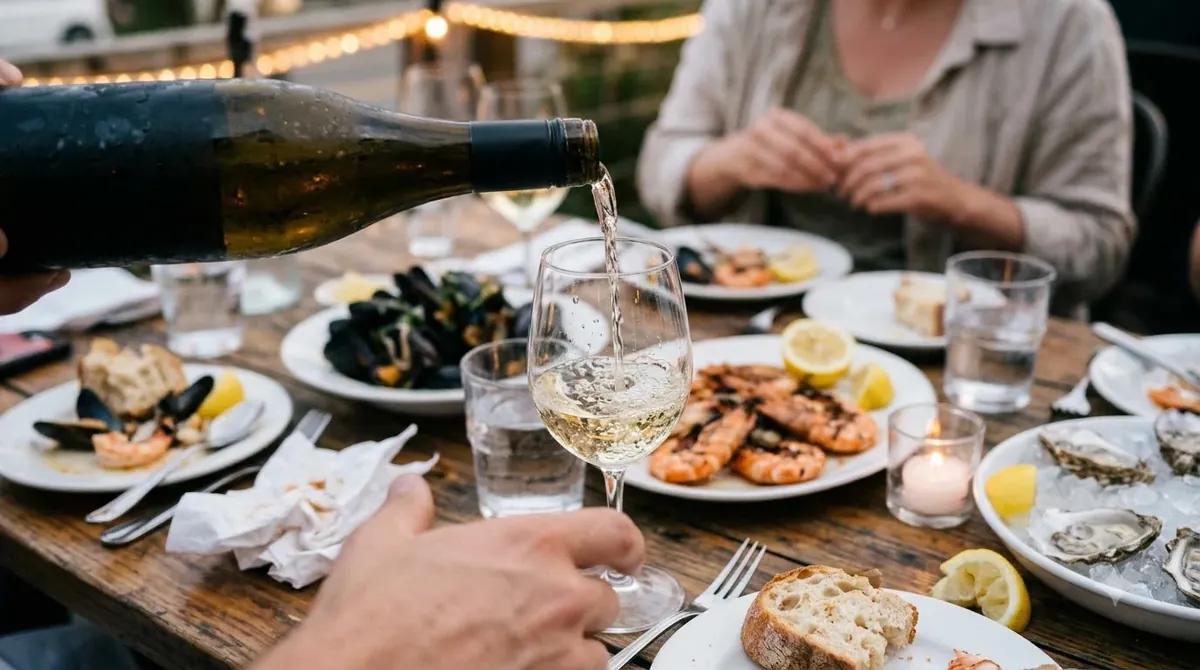
Seafood is a natural starting point. Oysters, scallops, lobster, and grilled white fish can complement the wine’s citrus and mineral characteristics. A preparation with butter or a light cream sauce can provide additional richness without overwhelming the Champagne.
Other useful pairings include:
- Oysters and shellfish: Their delicate flavors complement Champagne’s freshness and fine bubbles.
- Seared scallops: A lightly browned surface and natural sweetness work well with Chardonnay’s citrus character.
- Roasted chicken: The savory flavors and moderate richness suit the structure of Grande Cuvée.
- Truffle dishes: Earthy aromas and creamy textures can complement the developed characteristics of mature Champagne.
- Aged Parmesan: Salt and savory depth can work particularly well with a complex, dry sparkling wine.
- Light seafood pasta: Lemon, herbs, and moderate butter provide a useful combination of acidity and richness.
Very spicy dishes require more care because alcohol and chili heat can intensify each other. Extremely sweet desserts are also difficult matches for dry Champagne. A dessert should generally be no sweeter than the wine being served with it.
For a balanced meal, consider serving Grande Cuvée with roasted poultry or seafood, followed by a mild cheese course. Clos du Mesnil can be reserved for dishes that allow its Chardonnay character to remain the focus.
Serving, Storing, and Enjoying Krug Champagne
Krug white Champagne is best served chilled but not excessively cold, with a tulip-shaped glass that gives its aromas room to develop. Careful storage and gentle opening also help preserve the wine’s bubbles and aromatic complexity.
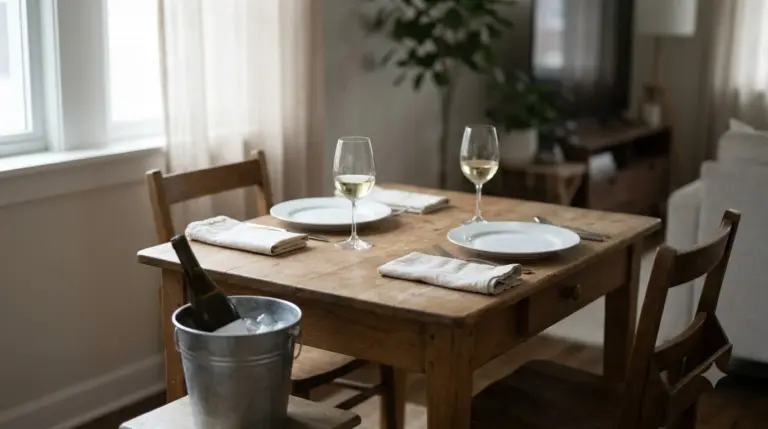
The Comité Champagne recommends a serving temperature of approximately 8–10°C, equivalent to 46–50°F. This range provides enough cooling to maintain freshness while allowing the wine’s aromas to remain expressive.
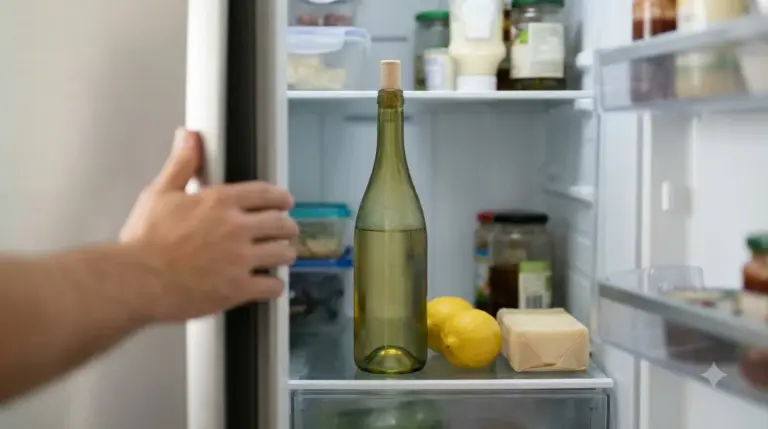
For a practical chilling method, place the bottle in an ice bucket containing both ice and water for approximately 20–30 minutes. Alternatively, refrigerate it for several hours before serving. Avoid placing the bottle in a freezer for an extended period because excessive cooling can interfere with the serving experience.
Glassware is another important consideration. A tulip-shaped glass is particularly useful because its wider bowl allows aromas to develop while its narrower opening helps concentrate them. A conventional flute is also suitable, but it may provide less room for complex aromas to emerge.
Opening and Pouring
Champagne bottles contain significant internal pressure, so opening them requires care. Remove the foil and loosen the wire cage while keeping a hand over the cork. Keep the bottle pointed away from people and rotate the bottle gently while controlling the cork.
A loud pop is not necessary. A quiet release is preferable because it reduces the chance of losing wine or disturbing the contents unnecessarily.
Pour slowly into clean glasses. A standard wine serving is approximately 5 ounces, and a 750-milliliter bottle provides about five standard servings. For a tasting involving several bottles, smaller pours can make it easier to compare the different expressions.
Storage and Leftover Champagne
For longer-term storage, keep unopened Champagne away from direct sunlight, strong odors, and vibration. The Comité Champagne recommends a stable environment between 10 and 15°C, with humidity between 60% and 80%.
For a home cellar, a consistent temperature near 55°F is a useful target. Bottles can be stored horizontally or vertically according to the storage conditions, provided the environment remains cool and stable. Avoid repeated temperature fluctuations, which can interfere with wine development.
Once opened, Champagne should be closed with a dedicated sparkling-wine stopper and refrigerated. A spoon placed in the bottle neck does not reliably preserve carbonation. Krug’s complex Champagnes are best enjoyed promptly after opening, while their freshness and bubbles remain expressive.
Tip: Chill Krug white Champagne to approximately 46–50°F before serving. Use a tulip-shaped glass rather than an extremely narrow flute when you want to appreciate its citrus, floral, toasted, and developed aromas.
Understanding Champagne storage and serving is useful when comparing different sparkling wines. For another perspective on white wine styles, the article about Black Box Pinot Grigio alcohol content provides a contrasting example of a still white wine rather than a traditional-method Champagne.
Frequently Asked Questions
Is Krug considered a luxury Champagne brand?
Yes, Krug is widely recognized as a prestigious Champagne house. Its reputation is connected to its history, detailed blending practices, vintage bottlings, and rare single-vineyard Champagnes. The house was established in 1843 in Reims, and its wines are known internationally among Champagne enthusiasts and collectors.
What does Krug’s iD number on a bottle mean?
Krug uses an identification system that allows consumers to access information about individual bottles and their specific editions. The information can provide details about the Champagne’s composition, production, and release. This is particularly useful for Grande Cuvée because its blend changes with each edition.
What is the difference between blanc de blancs and blanc de noirs?
Blanc de blancs means white Champagne made exclusively from white grapes, usually Chardonnay. Blanc de noirs means white Champagne made from black-skinned grapes such as Pinot Noir or Meunier. The color depends on how the grapes are processed, since their juice can remain pale when separated from the skins.
Can Krug Champagne be aged after purchase?
Yes, suitable Krug bottles can develop additional complexity with careful cellaring. Their development depends on the particular cuvée, vintage, and storage history. Consistent temperatures, protection from light, and limited vibration are important for maintaining bottle condition over extended periods.
Why is Clos du Mesnil different from other blanc de blancs Champagnes?
Clos du Mesnil comes from one enclosed vineyard measuring 1.84 hectares in Le Mesnil-sur-Oger. Its historical walls date to 1698, and Krug’s separate bottling program began with the 1979 harvest. The wine is therefore associated with a specific vineyard and harvest rather than a blend of Chardonnay from numerous locations.
Krug white Champagne offers several ways to appreciate the house’s approach to sparkling wine, from the multi-vintage complexity of Grande Cuvée to the focused Chardonnay expression of Clos du Mesnil. Understanding their grape varieties, production methods, and serving requirements makes choosing a bottle more straightforward. For anyone interested in premium Champagne, Krug provides an especially interesting example of how blending and vineyard identity can create distinct wine styles.
More in Wine Brands
 Vega Sicilia Wine Review: Choose the Right Spanish WineUpdated Nov 21, 2026
 Trimbach Riesling Review: Pick the Right Dry Alsace StyleUpdated Nov 21, 2026
 Veuve Clicquot Wine Price: Compare Bottles and Choose the Right ChampagneUpdated Nov 21, 2026
 Unshackled Wine Price: What to Expect for Every BottleUpdated Nov 21, 2026
 Trimbach Riesling Price: What to Pay for a Quality Alsace WhiteUpdated Nov 21, 2026
 Tisdale Wine Review: How to Choose the Right BottleUpdated Nov 21, 2026