

We may earn a commission when you buy through links on this page, at no extra cost to you. Learn more.
Kenwood wine comes from Kenwood Vineyards, a Sonoma Valley winery founded in 1970 in Kenwood, California, known for Zinfandel and Cabernet Sauvignon from several Sonoma County appellations. The winery’s own story is worth knowing before you shop: according to the Wikipedia entry on Kenwood Vineyards, the winery operated from 1970 until it closed in 2026, so check whether a bottle you find is a current release or an older vintage.
If you have seen Kenwood wine on a restaurant list, a shelf in a wine shop, or in a friend’s collection, you probably want two things: a sense of what the brand made, and whether it still makes sense to buy. This guide covers the winery’s history, the main wine lines, the grape styles it was known for, how to serve those wines, and what to look for when you find older bottles.
Where Kenwood Vineyards came from
Kenwood Vineyards sat on Highway 12 in the Sonoma Valley wine country, in the small town of Kenwood. Wikipedia describes the winery as founded in 1970 at the site of the former Pagani Brothers Winery, a wine cellar built in 1906. John Sheela and his brothers-in-law, Mike and Marty Lee, founded the business and converted a jug-wine facility into a modern winery.
The brand changed hands several times over its life. Wikipedia lists a 1996 stake purchase by F. Korbel & Bros., a full buyout of the remaining share in 1999, a planned sale to Banfi Vintners in 2012 that fell through, and a 2014 acquisition by Pernod Ricard Winemakers. Each change in ownership can affect the house style and the sourcing of grapes, so a bottle from the early 2000s may taste different from one released later.
The main wine lines
Kenwood’s early releases were the Sonoma Series, which began with Zinfandel and Cabernet Sauvignon. These are the everyday wines most people remember, meant to show the character of Sonoma County fruit without a heavy oak program.
Two additional lines gave the brand more range. The Artist Series was a reserve Sonoma County Cabernet Sauvignon with a label redesigned each year, first released in 1975. The Jack London Series came from the historic Jack London Ranch vineyards in Glen Ellen, with the first vintage in 1977. Wikipedia notes that the winery also sourced fruit from several county appellations, including Russian River Valley, Alexander Valley, Dry Creek Valley, Sonoma Valley, and Sonoma Mountain, which gave the lineup a broader range than a single vineyard could.
The grapes Kenwood became known for
Kenwood’s reputation rests mostly on two red grapes. Zinfandel was the grape that defined the winery’s early identity, and Cabernet Sauvignon became the anchor of the reserve lines. Understanding those two grapes helps you know what to expect from any Kenwood bottle you open.
VinePair describes Zinfandel as full-bodied yet often zippy, with a fruit range that can run from underripe strawberry to stewed prune (see VinePair’s Zinfandel guide). Tart cranberry and jammy blackberry can show together, often with savory, smoky, and herbal notes. That combination is why Sonoma Zinfandel often reads as fruity and bold at the same time.
Cabernet Sauvignon is a different style. It is a dry, structured red with firm tannin and dark fruit, often with cedar and spice. A Kenwood Cabernet from a warm year will usually feel riper and fuller, while a cooler year can taste leaner. Either way, the grape rewards some time in the glass.
How to serve Kenwood wine
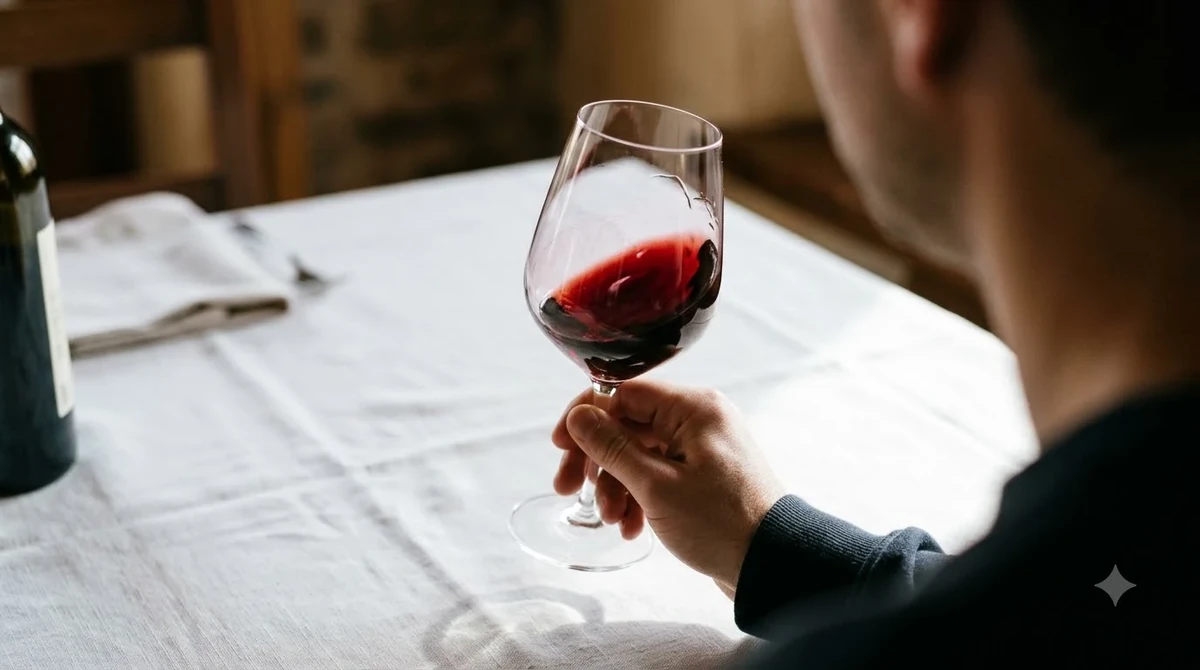
The right serving temperature depends on the bottle. Zinfandel is often best served slightly cool, so the fruit stays fresh and the alcohol does not dominate. A Cabernet reserve benefits from a little more warmth, closer to the 60 to 68 degree range that Wine Folly gives for Cabernet Sauvignon. A short rest out of the fridge or a few minutes in the glass usually brings both styles into balance.
A bigger glass helps the aromas open, and a short decant can help a younger Cabernet soften. For an older bottle, pour carefully to leave any sediment in the bottle and avoid long decanting, which can fade delicate fruit.
| Kenwood style | Typical traits | Serving approach |
|---|---|---|
| Sonoma Series Zinfandel | Bright fruit, zippy acidity, smoky edge | Slightly cool, with a short rest before pouring |
| Sonoma Series Cabernet | Dark fruit, cedar, firm tannin | Around 60 to 68 degrees F, with a short decant |
| Artist Series Cabernet | Reserve structure and longer finish | Decant for about an hour if young |
| Jack London Series | Fruit from the historic Jack London Ranch vineyards in Glen Ellen | Treat like a reserve red; open and taste first |
Tip: Older bottles from a closed winery can be fragile. If the cork looks damaged or the wine smells flat, try a small pour before serving a full bottle to guests.
Food pairing and what to serve with it
Zinfandel’s bright fruit and smoky edge pair well with barbecue, grilled sausages, and tomato-based dishes. The acidity also works with pizza and roasted vegetables. Cabernet Sauvignon fits better with heavier plates. Wine Folly describes the grape as a strong partner for grilled meats and boldly flavored dishes, so a Kenwood reserve Cabernet can match a steak or a slow-cooked beef stew.
For a simple dinner, match the wine to the main dish rather than the side. A rich mushroom dish or aged cheese can carry a Cabernet without strain, while salads and delicate seafood usually clash with a tannic red.
Is it still worth buying Kenwood wine?
This is the question most shoppers actually face. Because Wikipedia lists the winery as closed in 2026, a bottle on a shelf today is either left over from earlier releases or sold through a secondary channel. Older bottles can still be enjoyable if they were stored well, but they are not guaranteed to show the same character as a fresh release.
If you want to find a similar style from an active producer, compare the bottle with other Sonoma and California reds on the market. Readers who like the smooth, fruit-forward feel of a Kenwood Zinfandel often look at other mainstream California reds, and those who enjoy a structured reserve Cabernet can compare labels in the Wine Brands guide. Some readers also compare the style with Pedernales wine or Spottswoode wine, which show how different producers handle structure and fruit. If you want a lighter, sweeter option, Stella Rosa Red is a very different style.
When you check a bottle, look at the vintage year, the bottling name, and the storage history. A well-kept bottle from a strong year can still be a good buy, while a bottle with a damaged cork or a warm storage history is best left on the shelf.
Frequently Asked Questions
Is Kenwood Vineyards still making wine?
According to the Wikipedia entry for Kenwood Vineyards, the winery operated from 1970 and closed in 2026. Check a retailer or the current brand owner before assuming a bottle is a new release.
What wines did Kenwood Vineyards make?
The core lines were Zinfandel and Cabernet Sauvignon from the Sonoma Series, plus the Artist Series reserve Cabernet and the Jack London Series from the Jack London Ranch vineyards in Glen Ellen.
How should I serve an older Kenwood bottle?
Chill a Zinfandel slightly and serve a Cabernet at cellar-like warmth. Pour older bottles gently to keep sediment in the bottle, and taste a small amount first in case the wine has faded.
What food goes well with Kenwood Zinfandel?
Barbecue, grilled sausages, and tomato-based dishes suit Zinfandel because its fruit and acidity hold up to smoke and sauce. Pizza and roasted vegetables also work well.
Kenwood wine is a good case study in how a Sonoma brand can build a reputation on Zinfandel and Cabernet, then change hands and eventually close. If you own a bottle, serve it with food that suits its style and check its storage history first. If you are looking for a similar style from an active producer, the Wine Brands guide is a good place to start.
More in Wine Brands
 Underwood Wine Price: Compare Bottles, Cans, and Pack SizesUpdated Nov 21, 2026
 Zenato Wine Price: Compare Styles and Choose the Right BottleUpdated Nov 21, 2026
 Zuccardi Wine Price: Compare Bottles and Find the Right RangeUpdated Nov 21, 2026
 Yellow Tail Moscato Review: Taste, Sweetness and Serving TipsUpdated Nov 21, 2026
 Wolf Blass Yellow Label Review: Choose Your Best StyleUpdated Nov 21, 2026
 Wolffer Estate Rose Review: Choose the Right Bottle for Your TableUpdated Nov 21, 2026