

We may earn a commission when you buy through links on this page, at no extra cost to you. Learn more.
Kabinett wine is the lightest, most delicate tier of Germany’s Prädikatswein quality classification, crafted primarily from fully ripe Riesling grapes harvested at lower natural sugar levels. Because the grapes are picked earlier than higher ripeness tiers, finished bottles typically land between 8% and 11.5% ABV with vibrant acidity and crisp orchard-fruit flavors. Despite widespread confusion on American retail shelves, the term measures grape ripeness at harvest rather than residual sugar, meaning a bottle can range from bone-dry to noticeably sweet.
For anyone exploring German labels or browsing Wine by Type, understanding this single word unlocks some of the most food-friendly, refreshing white wines produced anywhere in Europe. Whether poured alongside spicy takeout on a weeknight or tucked away in a cool cellar for a decade, this classic style rewards curiosity without weighing down the palate.
What Is Kabinett Wine?
In German wine law, Kabinett sits as the entry-level rung of the six-tier Prädikatswein pyramid, which categorizes wines strictly by the natural sugar concentration (measured in degrees Oechsle) of the grapes at harvest. Unlike everyday German Qualitätswein, Prädikat wines cannot undergo chaptalization, meaning winemakers are legally prohibited from adding sugar before fermentation to boost alcohol.
The term itself carries centuries of history that originally had nothing to do with light, early-harvest whites. As Wine Enthusiast notes in its history of Kabinett, the designation dates back to 1716 at Schloss Vollrads in the Rheingau, where Count Johann Erwein of Greiffenclau built a special “cabinet cellar” to store his estate’s finest, longest-lived bottlings. Prior to Germany’s sweeping 1971 wine law overhaul, producers routinely labeled top late-harvest wines as Spätlese Cabinet or Auslese Cabinet to signal reserve status.
The 1971 legislation repurposed the word to represent the lightest, earliest-picked ripeness tier in the modern Prädikat hierarchy. Today, producers must harvest grapes at a minimum must weight that varies by growing region and grape variety—typically starting around 67 to 73 degrees Oechsle for Riesling. Because winemakers either ferment those modest natural sugars completely dry or halt fermentation early to preserve a touch of sweetness, the resulting wines feel buoyant, energetic, and remarkably low in alcohol.
Flavor Profile and Styles
A classic Riesling Kabinett delivers piercing, mouthwatering acidity balanced by bright notes of green apple, Meyer lemon, key lime, white peach, and crisp pear. Floral hints of jasmine and honeysuckle often lift out of the glass alongside wet slate or graphite minerality, and bottles with a few years of age frequently develop Riesling’s signature honeycomb, beeswax, and subtle petrol aromas.
Because the Prädikat designation only governs grape ripeness at picking, winemakers can vinify the juice across the entire sweetness spectrum. Shoppers will encounter three main stylistic expressions on the shelf:
- Kabinett Trocken: Fermented completely dry with zero perceptible sugar, offering razor-sharp citrus, mineral tension, and an invigorating, palate-cleansing finish.
- Kabinett Feinherb or Halbtrocken: Off-dry bottlings that retain a whisper of natural grape sugar, softening the brisk acidity without ever tasting syrupy.
- Fruity-Style Kabinett: Traditional bottlings where fermentation is chilled and stopped early, leaving palpable sweetness that pairs effortlessly with naturally racy acidity and low alcohol around 8% to 9% ABV.
While Riesling dominates the category globally, German estates also produce small quantities of Silvaner Kabinett—known for earthy, herbal spice—and aromatic Scheurebe Kabinett bursting with pink grapefruit and blackcurrant. Rare red bottlings made from Spätburgunder (Pinot Noir) also exist, offering delicate red-berry fruit and light tannins, though most German Pinot Noir is now bottled under regional origin classifications instead.
| Prädikat Tier | Harvest Timing & Ripeness | Typical ABV | Body & Style |
|---|---|---|---|
| Kabinett | Earliest Prädikat harvest; fully ripe grapes (67–82° Oechsle) | 8% – 11.5% | Light, crisp, ethereal; dry to sweet |
| Spätlese | Late harvest; riper grapes picked days or weeks later (76–90° Oechsle) | 8% – 12.5% | Medium-bodied, richer orchard and stone fruit; dry to sweet |
| Auslese | Selected harvest of extra-ripe bunches, sometimes with noble rot | 7.5% – 13.5% | Concentrated, lush, honeyed; usually sweet, occasionally dry |
| Beerenauslese (BA) | Individually selected overripe, botrytis-affected berries | 6% – 9% | Rich, intensely sweet dessert wine |
| Eiswein | Ripe berries harvested and pressed while frozen at -7°C or colder | 6% – 8% | Razor-sharp acidity with pure, concentrated fruit sweetness |
| Trockenbeerenauslese (TBA) | Shriveled, raisin-like berries affected by noble rot | 5.5% – 8% | Nectar-like, opulent, decades-worthy dessert wine |
Where It Grows
Germany’s 13 official wine-growing regions (Anbaugebiete) all permit Prädikatswein production, though cool northern river valleys yield the most prized expressions. Steep, south-facing vineyards along winding rivers capture reflected sunlight during the day while benefiting from chilly autumn nights that lock in vibrant acidity.
The Mosel—along with its tributaries, the Saar and Ruwer—is universally regarded as the spiritual home of classic off-dry Kabinett. Here, vines cling to vertiginous slopes of blue, red, and gray Devonian slate, producing featherlight wines with electric tension, green apple snap, and low alcohol. Neighboring regions like the Nahe and the Rheingau sit slightly warmer, yielding bottles with a touch more mid-palate weight, riper stone-fruit character, and structured minerality.
Further south in Rheinhessen, the Pfalz, and Franken, warmer temperatures and varied soils of limestone, sandstone, and loess push growers toward dry styles. In Franken, producers traditionally bottle crisp, earthy Silvaner Kabinett Trocken in the distinctive squat, flagon-shaped Bocksbeutel bottle. Neighboring Austria also recognizes Kabinett under its wine law, where it almost exclusively denotes a dry, medium-bodied white wine without added sugar.
How to Serve Kabinett Wine
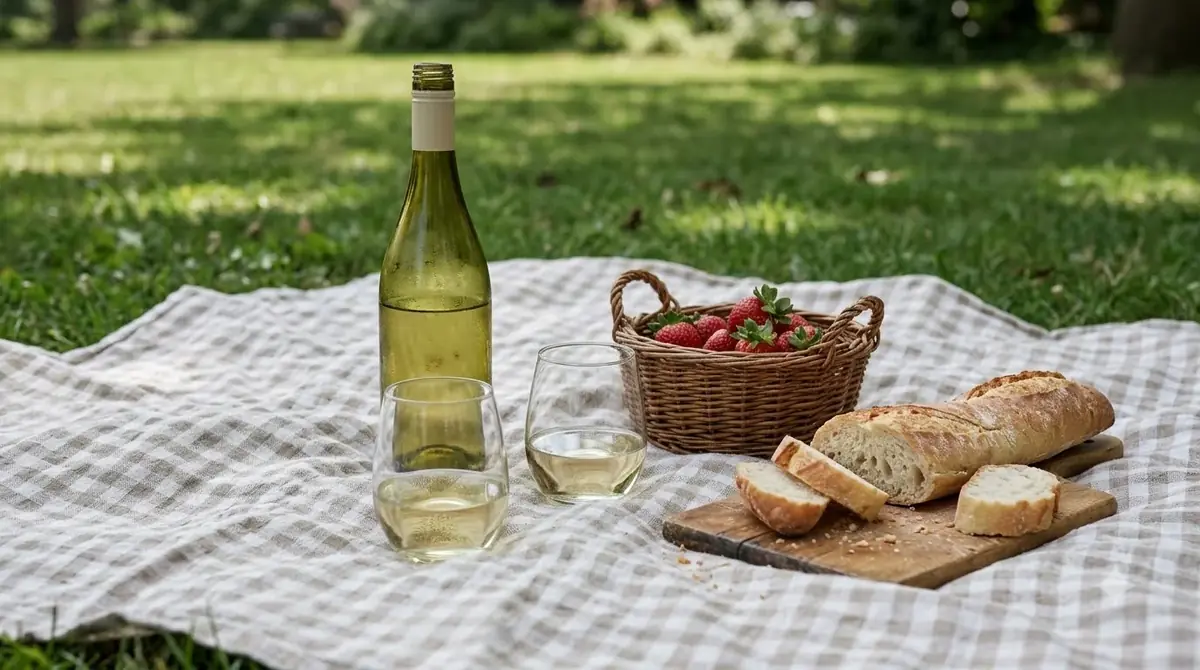
Serve Kabinett well chilled at 45°F to 50°F (7°C to 10°C) in a standard tulip-shaped white wine glass to preserve its delicate aromatics and crisp acidity. Serving it straight out of a freezing ice bucket mutes the floral and stone-fruit nuances, while letting it warm past 55°F dulls the refreshing snap that defines the style.
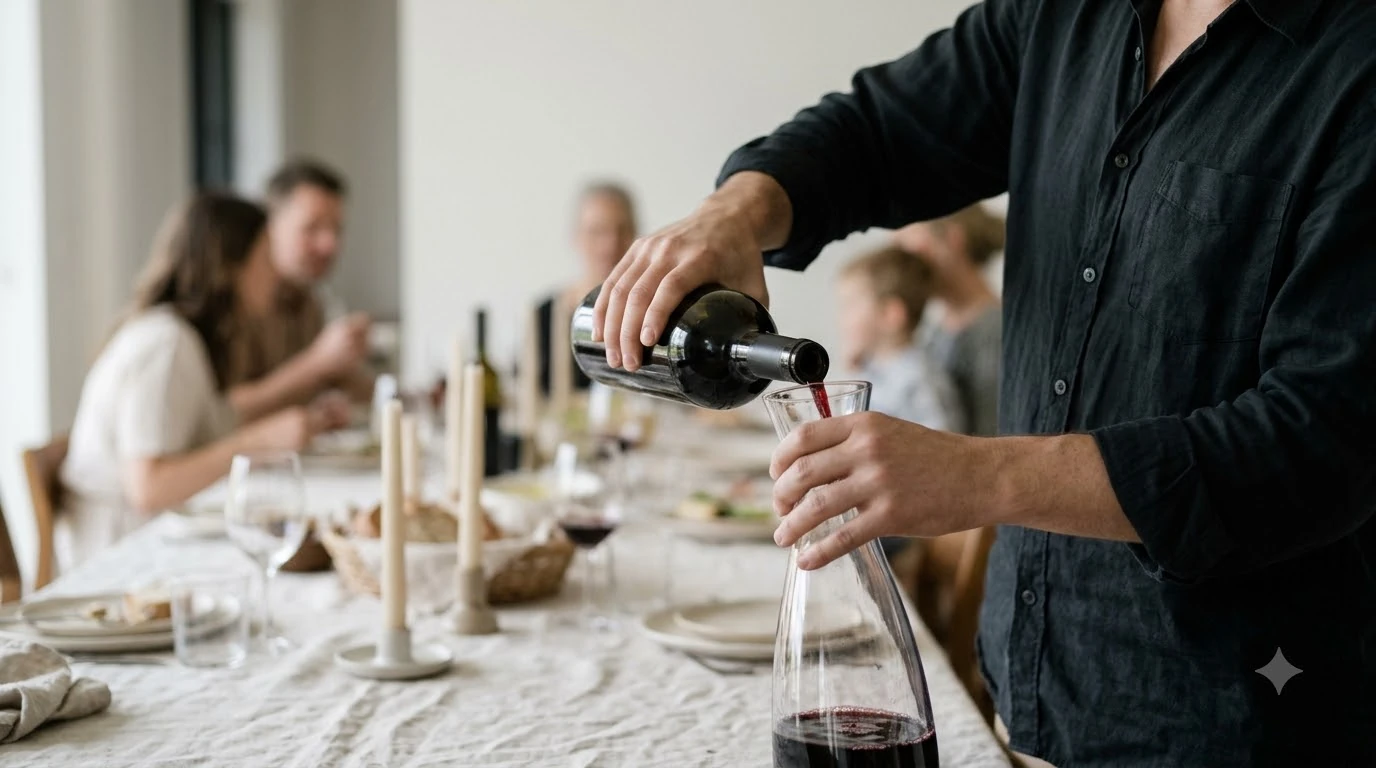
Young bottles rarely require decanting, as gentle swirling in the glass provides plenty of aeration to open up primary citrus and blossom notes. However, if you open an aged Kabinett from a top Mosel or Rheingau estate—many of which evolve gracefully for 10 to 20 years—pouring it into a decanter 20 to 30 minutes before dinner helps blow off any reductive cellar aromas and reveals layers of dried apricot and slate.
Tip: Check the back label or look for the word Trocken before chilling—if you want a bone-dry aperitif, confirm the style on the label rather than assuming all Kabinett bottles taste sweet.
Food Pairing
Thanks to its buoyant acidity, modest alcohol, and versatile sweetness levels, Kabinett ranks among the most adaptable dinner companions in the wine world. Rather than overpowering delicate ingredients, it acts like a squeeze of fresh lemon over a finished dish, lifting flavors and refreshing the palate between bites.
Off-dry and fruity styles shine alongside spicy Asian and Latin cuisines—including Thai green curry, Sichuan noodles, Indian vindaloo, and jerk chicken—where a touch of residual sugar cools chili heat while high acidity cuts through rich coconut milk or sesame oil. Classic German fare such as bratwurst with tangy sauerkraut, roasted pork belly, and smoked trout also pairs effortlessly with the wine’s natural brightness.
Dry Kabinett Trocken bottlings excel with raw oysters, sushi, ceviche, poached white fish, and fresh goat cheese salads. For anyone monitoring dietary intake during multi-course meals, dry white wines in this range offer a crisp alternative to heavier reds, much like checking pinot noir carbs helps diners plan lighter pairings without sacrificing flavor.
How to Choose a Bottle
Reading a German wine label becomes straightforward once you know where to look for sweetness cues and regional origin. As Wine Folly explains in its guide to German Riesling labels, checking the Prädikat level alongside explicit dryness terms and alcohol percentage tells you almost everything about how the wine will taste in your glass.
Use the ABV printed on the front or back label as your most reliable sweetness decoder. Because grape sugar converts directly into alcohol during fermentation, a Riesling Kabinett listed at 7.5% to 9% ABV almost certainly retains noticeable residual sweetness, whereas a bottle at 11% to 12% ABV has fermented dry or nearly dry.
Finally, look for the VDP eagle emblem on the capsule if you want an extra layer of quality assurance. Members of the Verband Deutscher Prädikatsweingüter adhere to strict vineyard-tier classifications—ranging from regional Gutswein up to single-vineyard Erste Lage and Grosse Lage sites—ensuring low yields and expressive terroir character even at the entry-level Kabinett tier.
Frequently Asked Questions
Is Kabinett wine always sweet?
No, Kabinett wine is not always sweet. The term indicates the ripeness of the grapes at harvest rather than the sugar remaining in the finished bottle. Producers make dry versions labeled Kabinett Trocken, off-dry Feinherb styles, and traditional fruity-sweet expressions.
What is the difference between Kabinett and Spätlese?
Spätlese translates to “late harvest” and is made from grapes picked later than Kabinett, resulting in higher natural sugar levels at harvest. Consequently, Spätlese wines have fuller body, riper stone-fruit flavors, and typically more concentration than light, delicate Kabinett bottlings.
Can you age Kabinett wine?
Yes, high-quality Riesling Kabinett ages remarkably well thanks to its naturally high acidity. Dry bottlings drink beautifully within 3 to 8 years, while top off-dry Mosel and Rheingau examples can develop complex honey, petrol, and dried-fruit notes over 10 to 20 years.
What grape is used to make Kabinett wine?
Riesling is by far the most common and celebrated grape used for Kabinett wine across Germany. However, German wine law permits any approved regional variety at this tier, including Silvaner in Franken, Scheurebe, Weissburgunder (Pinot Blanc), and occasionally Spätburgunder (Pinot Noir).
Whether you prefer a bone-dry glass alongside fresh shellfish or an off-dry Mosel bottle paired with spicy weeknight noodles, Kabinett proves that low-alcohol white wine can still deliver remarkable depth and energy. Once you learn to match the ABV and dryness cues on the label to your menu, stocking a few bottles gives you an effortless answer for almost any meal.
More in Wine Types & Grapes
 Zinfandel Sugar Content: Dry Red vs. White Zinfandel GramsUpdated Nov 21, 2026
 Best Zinfandel Substitute Options for Sipping and CookingUpdated Nov 21, 2026
 Zweigelt Food Pairing: Best Dishes, Cheeses, and Serving TipsUpdated Nov 21, 2026
 Zinfandel Tannins Explained: How Structure Shapes Every BottleUpdated Nov 21, 2026
 Zinfandel Sweetness Level: Dry Red vs. Sweet White Zin ExplainedUpdated Nov 21, 2026
 Xinomavro Food Pairing: Best Dishes, Styles, and Serving TipsUpdated Nov 21, 2026