

We may earn a commission when you buy through links on this page, at no extra cost to you. Learn more.
What is white wine? White wine is wine made by fermenting grape juice without letting the grape skins stay in contact with it during the process. That single step separates it from red wine, which ferments together with its skins. White wine ranges from bone-dry to sweet, and its color usually runs from straw-yellow to yellow-gold.
This guide explains the basics of white wine in plain English. You will see how it is made, why most bottles look pale, how grape varieties shape flavor, and how dry and sweet styles differ. Read it as a starting point before you choose your next bottle.
How White Wine Is Made
White wine production follows the same general path as other wine, from harvest to bottling. The key difference comes right after the grapes are crushed. Winemakers press the fruit and keep the clear juice, leaving the skins behind.
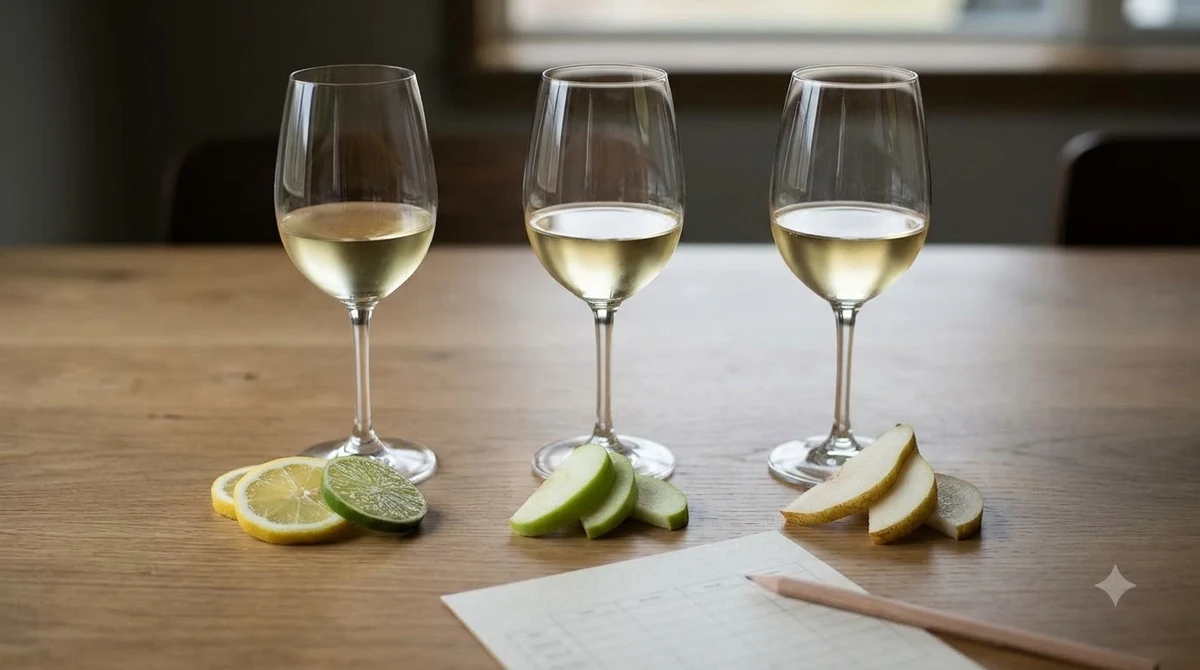
According to the Wikipedia overview of winemaking, white wine is made by fermenting juice pressed from crushed grapes, and the skins are removed and play no further role. Red wine ferments with its skins, which give it color, flavor and tannin. That contrast shapes almost everything else about the two styles.
- Harvest the grapes and bring them into the winery.
- Crush and press the fruit, then keep only the pressed juice for white wine.
- Start fermentation, often by adding yeast to the juice.
- Let the yeast turn sugar into alcohol and carbon dioxide, which usually takes one to two weeks.
- Settle, clarify, age and bottle the wine once it tastes ready.
The Le Cordon Bleu winemaking guide notes that juice yield averages about 60 to 70 percent of the grape weight, and that a stable fermentation temperature matters. Its guide suggests a range of 18 to 25 degrees for many yeasts. Stable temperature helps the yeast work evenly and keeps flavors clean.
Why White Wine Is Usually Pale
Most white wine looks pale because the grape juice it comes from has little color to give. The pigment that colors red wine sits mainly in the skins, and white wine skips that contact. The result is a light, clear liquid.
White wine is mainly made from white grapes, which are green or yellow in color. The Wikipedia article on white wine lists typical colors as straw-yellow, yellow-green and yellow-gold. Those shades reflect the fruit and how the wine is handled after fermentation.
Color is a useful clue but not a perfect guide. Some white wine comes from grapes with colored skins, as long as the juice is not stained by the skins. Pinot noir is one example that producers use for white wine, including some champagne. Over time, age can also deepen the color of a white wine, so an older bottle often looks more golden than a young one.
Common White Wine Grape Varieties
Grape variety has a large effect on what ends up in the glass. Winemakers choose varieties for acidity, aroma and how well the fruit ripens in a given climate. Several names appear again and again on white wine labels.
| Grape variety | Skin color | What the sources say |
|---|---|---|
| Chardonnay | White (green or yellow) | Named among the main white grapes |
| Sauvignon blanc | White (green or yellow) | Named among the main white grapes |
| Riesling | White (green or yellow) | Named among the main white grapes, recognized since the late Middle Ages |
| Pinot noir | Colored (red or black) | Used for white wine when the juice is not stained, including in champagne |
| Malvasia | Varies by type | Its name traces back to a port that exported a large amount of white wine |
Regional grape names can help you learn a style quickly. The catarratto grape page explores a white variety whose character changes with where it is grown. Similarly, the colombard grape guide shows how a white variety can produce fresh, lighter styles. Not every regional name means white wine, though. The chianti grape page shows why a famous region can be better known for red wine, which is a useful reminder to read labels closely.
Dry vs. Sweet White Wine
White wine can taste bone-dry or noticeably sweet, and the difference comes down to how much sugar is left after fermentation. Dry wine is the most common style. Sweet wine needs a deliberate step to keep some sugar in the bottle.
According to the Wikipedia white wine article, dry white wine comes from the complete fermentation of the must. Sweet wines are produced by interrupting fermentation before all the grape sugars become alcohol. Winemakers can do this by chilling the wine and adding sulphur, or by sterile filtering it to remove yeast.
Sweetness can also be built into the grapes before pressing. Common methods include:
- Late harvest, where grapes stay on the vine longer to build sugar.
- Ice wine, made from grapes frozen to concentrate their sugar.
- Noble rot, a Botrytis fungus that dehydrates grapes on the vine.
- Raisining or straw drying, which concentrates sugar after picking.
Fortified wines follow a different route. Winemakers add a neutral grape spirit to stop fermentation at the desired sugar level. Sherry and port are well-known examples of fortified styles, and both can be sweet or dry depending on the producer.
Popular Styles of White Wine
White wine comes in several main styles, and each one suits different moments. Still dry whites are the everyday choice. Sparkling, sweet and fortified styles offer more contrast in texture and flavor.
| Style | How it is made | Where you might see it |
|---|---|---|
| Still dry white | Fermented until little sugar remains | Everyday dinner wine |
| Sparkling white | Carbon dioxide from fermentation stays dissolved and fizzes when opened | Celebrations and aperitifs |
| Sweet white | Fermentation stopped early or sugar concentrated in the grapes | Dessert pairings |
| Fortified white | Neutral grape spirit added to stop fermentation | Sipping after a meal |
Sparkling white wine keeps the carbon dioxide from fermentation dissolved in the liquid. Champagne uses a second fermentation inside the bottle, while prosecco is typically force-carbonated in tanks. Both styles are mostly white, and both show how a simple base wine can change with the method.
The Wikipedia article also notes that sherry descends from a white wine once shipped from Spain to England and the Netherlands. Its history shows that fortified white wines have a long track record in European trade.
How to Serve and Store White Wine
Serving temperature and storage change how white wine tastes. Cooler wine shows more freshness and lift, while very cold wine can hide aroma. Check the producer website or back label for guidance on each bottle.
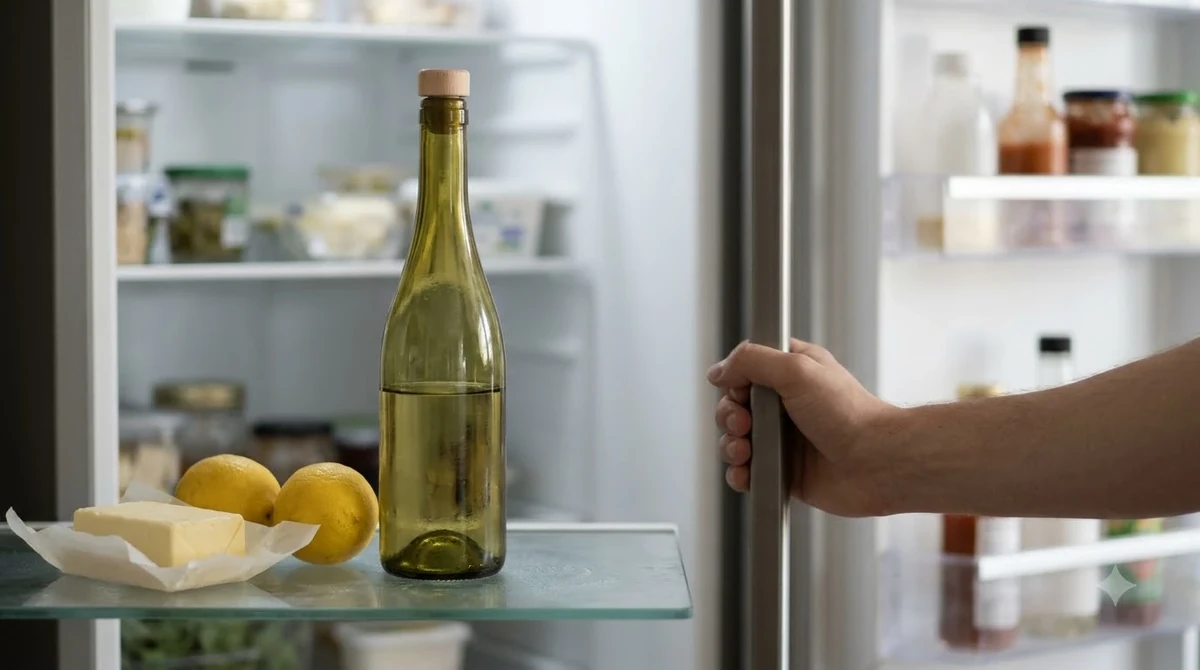
Chill most dry white wines before serving, but avoid icy temperatures that mute flavor. A short time in the refrigerator usually works well. Keep bottles in a cool, dark place, and keep them away from heat and sunlight until you are ready to open them.
Tip: Once opened, reseal the bottle and refrigerate it. Most white wine tastes best within a few days, so plan to finish it sooner rather than later.
Drink responsibly and pour moderate servings. Serve water alongside wine at the table, and avoid driving after drinking. Simple habits keep the evening enjoyable for everyone.
Food Pairings for White Wine
White wine pairs well with a wide range of dishes, mostly because of its acidity. Crisp, acidic whites cut through rich or fatty foods. Sweet whites balance desserts and salty cheeses.
According to the Wikipedia white wine article, white wines are often used as an apéritif, with dessert, or as a refreshing drink between meals. Their acidity also makes them useful in cooking, where they can soften meat and deglaze pan juices. Some practical pairings include:
- Dry white with seafood, salads, and soft cheeses.
- Sparkling white with fried snacks and salty bites.
- Sweet white with fruit tarts or blue cheese.
- Fortified white with nuts or light desserts.
Match the wine weight to the food weight. A light wine suits a light dish, while a fuller white can stand up to richer sauces. Taste a small sample with your meal to see what works best.
Frequently Asked Questions
Is white wine made from white grapes only?
Most white wine comes from green or yellow grapes, but not all of it does. Some white wine is made from red or black grapes when the juice is pressed without staining from the skins. Pinot noir is one example used for white and champagne styles.
Why does white wine taste different from red wine?
White wine ferments without the skins, so it gets less color, tannin and body from the fruit. Red wine ferments with its skins and often ages in oak. These steps create the lighter, fresher character most people associate with white wine.
Is white wine always dry?
No. Dry white wine is the most common style, but sweet white wines exist too. Winemakers make them by stopping fermentation early, concentrating grape sugar, or using noble rot. Check the label or producer notes to see how sweet a bottle is.
How long can you keep an open bottle of white wine?
An opened bottle of still white wine keeps best when resealed and refrigerated. Most people finish it within a few days for the freshest flavor. Sparkling wine loses its fizz faster once opened, so use a stopper designed for sparkling wine.
White wine is easier to understand once you know the basic steps and the main styles. Start with a dry, well-known variety, then explore sweet and sparkling examples as your taste grows. For more background, visit the Wine by Type section and compare styles side by side.
More in Wine Types & Grapes
 Zinfandel Sugar Content: Dry Red vs. White Zinfandel GramsUpdated Nov 21, 2026
 Best Zinfandel Substitute Options for Sipping and CookingUpdated Nov 21, 2026
 Zweigelt Food Pairing: Best Dishes, Cheeses, and Serving TipsUpdated Nov 21, 2026
 Zinfandel Tannins Explained: How Structure Shapes Every BottleUpdated Nov 21, 2026
 Zinfandel Sweetness Level: Dry Red vs. Sweet White Zin ExplainedUpdated Nov 21, 2026
 Xinomavro Food Pairing: Best Dishes, Styles, and Serving TipsUpdated Nov 21, 2026