


We may earn a commission when you buy through links on this page, at no extra cost to you. Learn more.
Jones von Drehle wine is estate-grown wine from a family-owned winery in Thurmond, North Carolina, in the Yadkin Valley foothills of the Blue Ridge Mountains. The range includes dry reds such as Tempranillo, Cabernet Franc, Merlot, and Petit Verdot, along with Viognier, Petit Manseng, Chardonnay, rosé, and sparkling wine. Its vineyard sits at about 1,500 feet, and the tasting room makes it possible to explore the wines in the place where the grapes are grown.
For wine drinkers who know California, Oregon, or European labels better than North Carolina bottles, Jones von Drehle offers a useful introduction to the Yadkin Valley. The guide below explains the estate’s background, the grape varieties and wine styles in its portfolio, how to choose a bottle for a meal, and what to expect from a visit to the property.
A Family Estate in the Blue Ridge Foothills
Jones von Drehle is a family-owned winery in Thurmond, North Carolina, where the Yadkin Valley rises toward the Blue Ridge Mountains. Its founders, Chuck and Diana Jones and Ronnie and Raymond von Drehle, found the land in 2007 with the goal of making wine from estate-grown grapes.
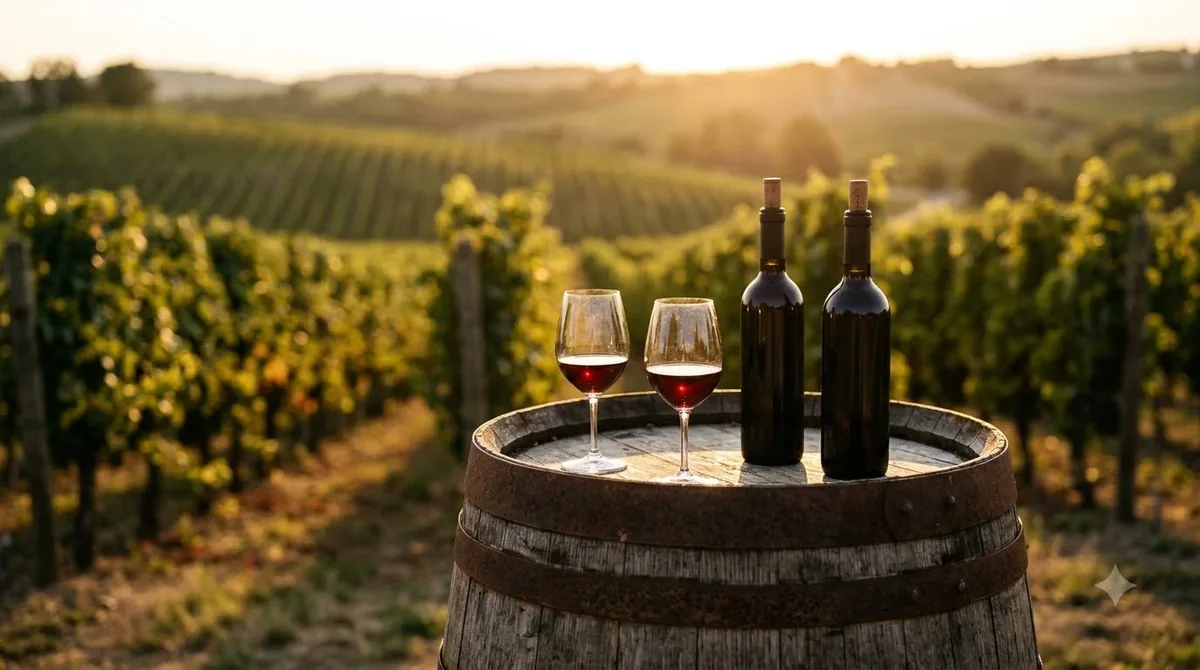
The winery’s own history gives a useful sequence of milestones. The estate’s vines were planted in 2009, and the winery opened in 2014. The family describes its model as estate production: growing, harvesting, and making the wine on the property. For a buyer, that means the vineyard and cellar are part of the same operation, so the wines can be understood as expressions of one site and the choices made there.
The estate vineyard is about 30 acres and sits at roughly 1,500 feet above sea level, according to the winery. That elevation places the property near the upper end of the Yadkin Valley’s broader range, which Wine Enthusiast lists as 800 to 1,600 feet. The number is useful context, not a promise that every vintage will taste the same: seasonal weather, harvest timing, grape variety, and cellar decisions all influence the finished wine.
The location also explains why the winery presents itself as more than a tasting counter. Visitors look out over the vines toward the Blue Ridge foothills, and the grounds include an outdoor performance space. In practical terms, the setting invites a slower visit: taste several wines, compare grapes, take in the landscape, and allow time to understand how a North Carolina estate differs from a bottle sourced from a much larger multi-region brand.
Yadkin Valley Climate, Elevation, and Grapes
The Yadkin Valley gives Jones von Drehle its regional context: it is North Carolina’s first American Viticultural Area, established in 2003, and it occupies the western Piedmont near the foothills of the Southern Appalachian Mountains. Sunny days, rolling terrain, and a comparatively long growing season help the region support European wine grapes as well as hybrid varieties.
Wine Enthusiast describes the AVA’s elevation range as 800 to 1,600 feet and identifies clay, fine loam, schist, and mica among its soil types. Jones von Drehle’s vineyard sits at about 1,500 feet, near the upper end of that regional range. The figures offer context, not a guarantee of a fixed flavor: slope, exposure, seasonal weather, harvest timing, and cellar decisions all affect each vintage. Within a single vineyard, rows can receive different amounts of afternoon sun or drain at different speeds after rain. Those small variations are one reason a producer pays attention to individual blocks rather than treating every vine as interchangeable.
The estate portfolio draws on grapes with different European associations, including Cabernet Franc and Merlot from the Bordeaux tradition, Spanish Tempranillo, and Petit Manseng, widely planted in southwest France. It also features varieties such as Malbec and Chardonnay. For a broader geographic picture, the Wine Enthusiast overview of the Yadkin Valley AVA outlines the region’s history and grape range, while the winery’s own vineyards give those varieties a specific North Carolina setting. The AVA is a geographic designation, not a promise that every bottle tastes alike. A wine from one estate may emphasize ripe fruit and texture, while another producer may favor freshness or a lighter frame, even when both work with the same grape.
Red Wines: Tempranillo, Cabernet Franc, and Blends
The red wines are a natural starting point for drinkers who prefer structured, dry styles. Jones von Drehle’s range has featured Tempranillo, Cabernet Franc, Merlot, Petit Verdot, Malbec, Cabernet Sauvignon, and named bottlings such as Rock & Rail and Steel & Stone. Listed vintages have included a 2022 Tempranillo, a 2021 Tempranillo Reserve, and a 2020 Cabernet Franc; the winery’s current wine list shows which releases are in its online portfolio.
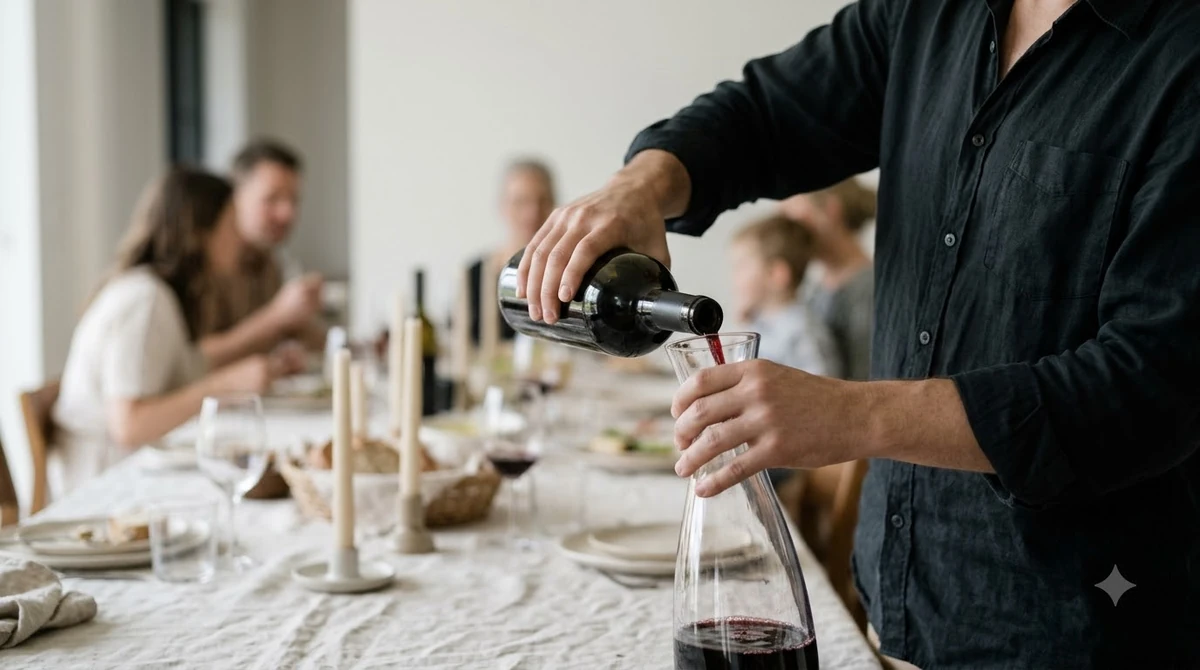
Tempranillo provides a Spanish reference point and can make a medium- to full-bodied red with moderate acidity and tannin. It is a natural candidate for grilled meats, roasted vegetables, and tomato-based dishes. Cabernet Franc often brings aromatic lift and savory or red-fruit associations, while Merlot generally has medium tannin and a softer feel than Cabernet Sauvignon. These are grape-level tendencies, not claims about the precise aroma of a particular Jones von Drehle vintage.
Petit Verdot, Malbec, and Cabernet Sauvignon offer a firmer comparison. Petit Verdot is usually deeply colored and firm in tannin; Malbec tends toward dark fruit and a generous texture; Cabernet Sauvignon is commonly the most tannic of the group. The estate has listed Petit Verdot and Malbec Reserve bottlings as well as Cabernet Sauvignon Reserve. For named blends such as Rock & Rail or Steel & Stone, ask which grapes are included and whether the vintage is intended for early drinking or further cellaring. A blend can be built to balance softness, acidity, tannin, and aroma in a way that one grape on its own may not. That makes blend composition a practical subject for a tasting-room conversation, especially for someone who wants to understand why two reds with similar color can feel quite different on the palate.
White, Rosé, and Sparkling Selections
Jones von Drehle’s white wines broaden the picture beyond red varieties, with Viognier, Petit Manseng, and Chardonnay forming the core of the selection. The winery describes its whites as crisp and picked with freshness in mind, and its portfolio also includes rosé and sparkling wine.
Viognier is an aromatic white grape that often gives a fuller-bodied impression, with floral and stone-fruit associations. It can suit roast chicken, pork, mildly spiced dishes, and soft cheeses. Petit Manseng is known for retaining strong acidity even when its grapes reach substantial ripeness, and it can be made in dry or sweeter styles. For a dry version, consider shellfish, richer white fish, or dishes with citrus and herbs. The winery’s online selection has listed a 2025 Viognier and a 2023 Petit Manseng.
Chardonnay gives visitors a familiar reference point: the winery has listed a 2023 Steel Chardonnay and a 2021 Barrel Chardonnay. Stainless steel generally preserves a cleaner fruit profile, while barrel aging can add a rounder texture and oak-related flavors. The rosé and sparkling selections add still more choice, including a 2025 Rosa Dia and a 2024 Blanc de Blanc. Sparkling wine or rosé can open a tasting flight, followed by aromatic whites and then the reds, so lighter textures appear before more structured wines. These bottles also make useful choices for gatherings where guests have different preferences: a crisp white can suit a seafood starter, while rosé can bridge salads, grilled vegetables, and lighter meat dishes. A sparkling bottle adds a celebratory feel without requiring a heavy main course.
How to Choose and Pair a Bottle
Start with the meal and the amount of structure you want in the glass. Merlot or Cabernet Franc can suit roast chicken and pork; Tempranillo, Malbec, Petit Verdot, or Cabernet Sauvignon can stand up to grilled beef and lamb. For seafood, salads, or lighter vegetable dishes, begin with Chardonnay, Viognier, Petit Manseng, rosé, or sparkling wine rather than automatically choosing a red.
Match the wine’s weight to the food and use acidity as a guide. High-acid wines work well with lemon, vinegar, tomatoes, and other tart ingredients because a low-acid wine may taste flat beside them. Salt and fat can soften tannin, helping a structured red work with steak or rich cheese, while tannic reds are usually a poor match for delicate oily fish. A wine served with dessert should be at least as sweet as the dessert; chili heat can also feel stronger beside wine with higher alcohol or noticeable tannin.
Tip: Taste the wine before adding salt, lemon, or hot sauce to the dish. Those ingredients can change the balance of acidity, tannin, and heat, so a small adjustment at the table can make the pairing feel more balanced.
Serving temperature is a simple adjustment that can improve the experience. Sparkling wine is best around 40–50°F, light whites and rosé around 45–50°F, and fuller whites around 50–55°F. Light reds suit 55–60°F, while fuller reds generally suit 60–65°F. A typical pour is 5 ounces, and a 750-milliliter bottle provides about five such glasses.
| Wine style | Typical serving temperature | Simple serving cue |
|---|---|---|
| Sparkling | 40–50°F | Chill well before opening |
| Light whites and rosé | 45–50°F | Serve cool, not icy |
| Fuller whites | 50–55°F | Allow a few minutes out of the fridge |
| Light reds | 55–60°F | Give a brief chill if the room is warm |
| Full reds | 60–65°F | Serve slightly below typical room temperature |
| Sweet whites | 43–50°F | Keep chilled through dessert |
Most opened still wines keep for about three to five days in the refrigerator, while sparkling wine is usually best within one to three days. A young, full-bodied red can benefit from 30 to 60 minutes in a decanter. Readers comparing the estate with other labels can also look at our guides to Zenato wine, Main and Vine wine, and Apothic Brew for different grape, region, and house-style reference points.
Planning a Visit to Thurmond
The winery is at 964 Old Railroad Grade Road in Thurmond, North Carolina, with public hours Wednesday through Saturday from 11 a.m. to 5 p.m. and Sunday from noon to 5 p.m. Wine service ends at 4:30 p.m.; the property is closed Monday, Tuesday, and major holidays, and reservations are encouraged though walk-ins may be accommodated when space is available.
The standard tasting is a seated flight of eight wines. Groups of seven or fewer should allow about 45 minutes, while larger parties should plan for roughly 75 minutes. The Reserve Room hosts private groups of 8 to 20, and Chloe Hall is available for gatherings with more than 20 people. Food options include cheeses, assorted crackers, and charcuterie; outside food is not permitted. Since this is a tasting rather than a full-service restaurant, visitors planning a longer day should arrange a separate meal before or after their reservation. Keeping the food simple during the flight also gives the wine room to show differences in grape variety and texture.
The patio offers bottle and glass service on a first-come, first-served basis. Children are welcome outdoors but not in the tasting room, which is reserved for guests 21 and older; well-behaved pets may join on the patio when leashed. The Stage, an outdoor amphitheater on the property, adds concerts and events to the visitor experience, so check the event schedule before traveling and allow time for both a seated flight and the grounds. Event days can have a different rhythm from an ordinary afternoon tasting, so confirm ticketing, arrival instructions, and any event-specific details before setting out. A weekday or non-event visit may suit people who want a quieter conversation about the wines.
Frequently Asked Questions
How do you pronounce Yadkin Valley?
Wine Enthusiast gives the pronunciation as “YAD·kin VAL·ee.” The name comes from the Yadkin people, who lived along the river that now shares the name.
Which other grapes are important in the Yadkin Valley?
Beyond varieties grown at Jones von Drehle, Wine Enthusiast identifies Chambourcin and Muscadine among the region’s important grapes. Chambourcin is a French-American hybrid, while Muscadine is native to the southeastern and south-central United States. Their presence shows that North Carolina wine is not limited to European Vitis vinifera varieties.
Is Jones von Drehle part of a local wine trail?
Yes. The Yadkin Valley tourism listing identifies the winery as part of the Surry County Wine Trail. The trail connects visitors with several producers around the county and can help turn a single tasting into a broader regional itinerary.
What does the winery’s wine club include?
The winery describes member benefits as including complimentary tastings, member gatherings, and access to exclusive releases. Those benefits connect members with seasonal releases and events at the estate; the winery’s membership page has the current terms and enrollment details.
Who was Chloe at Jones von Drehle?
Chloe was the winery’s longtime dog and a familiar presence for more than fourteen years. She greeted guests and was part of daily life while the vineyards were being planted and the event venue was built. Chloe Hall carries her name as part of the estate’s story.
Jones von Drehle is a focused way to discover how estate-grown wines from North Carolina can express a distinctive foothill setting through familiar grapes and a varied portfolio. Start with the style you already enjoy, then use a tasting to compare varieties, vineyard character, and winemaking choices in the Yadkin Valley itself.
More in Wine Brands
 Underwood Wine Price: Compare Bottles, Cans, and Pack SizesUpdated Nov 21, 2026
 Zenato Wine Price: Compare Styles and Choose the Right BottleUpdated Nov 21, 2026
 Zuccardi Wine Price: Compare Bottles and Find the Right RangeUpdated Nov 21, 2026
 Yellow Tail Moscato Review: Taste, Sweetness and Serving TipsUpdated Nov 21, 2026
 Wolf Blass Yellow Label Review: Choose Your Best StyleUpdated Nov 21, 2026
 Wolffer Estate Rose Review: Choose the Right Bottle for Your TableUpdated Nov 21, 2026