

We may earn a commission when you buy through links on this page, at no extra cost to you. Learn more.
This j lohr wine review finds that J. Lohr is a dependable California wine producer offering approachable Cabernet Sauvignon, balanced Chardonnay, and several other varietal styles for different preferences and occasions. Its strongest identity comes from two Central Coast regions: Paso Robles for structured, fruit-forward reds and Monterey County for fresh, aromatic whites. The Estates range is a practical starting point, particularly Seven Oaks Cabernet Sauvignon and Riverstone Chardonnay, while the winery’s Vineyard Series and other collections offer more distinctive expressions.
J. Lohr has a long history of California winegrowing, with vineyards in Monterey County, Paso Robles, and Napa Valley. Its broad selection can make choosing a bottle confusing, especially because the winery produces several Cabernet Sauvignon, Chardonnay, and blended-wine styles. Understanding the differences between the regions, grape varieties, and wine collections makes it easier to find a bottle that suits your palate. This guide examines the winery’s background, its best-known wines, what to expect from each style, and how to make a sensible buying decision.
Who Should Consider J. Lohr Wine?
J. Lohr is a good option for wine drinkers who appreciate recognizable California varietals, consistent fruit character, and a range of styles rather than a single signature wine. Its selection includes accessible everyday bottles as well as more specialized vineyard-designated wines.
The winery is particularly relevant to people who enjoy Cabernet Sauvignon from Paso Robles or Chardonnay from Monterey County. These two regional identities explain much of the difference between its reds and whites. The Paso Robles wines generally emphasize ripe fruit and substantial structure, while the Monterey wines benefit from cooler growing conditions that help preserve acidity and freshness.
The winery was established by Jerry Lohr, who began planting vineyards in Monterey County in the early 1970s. The first 280 acres of estate vineyards were planted in the Arroyo Seco area in 1972 and 1973. Its first wine, a Petite Sirah, was produced at the San Jose winery in 1974. The family subsequently expanded into Paso Robles, planting vineyards there in 1986. The Paso Robles production facility opened in 1988.
J. Lohr remains a family-owned and operated winery, with Jerry Lohr and his children Steve, Cynthia, and Lawrence involved in the business. This family ownership is part of the producer’s identity, but the more useful buying consideration is how its vineyard locations influence the wines in your glass.
Consider J. Lohr if you:
- Enjoy Cabernet Sauvignon with black cherry, cassis, and noticeable but approachable tannins.
- Prefer Chardonnay with ripe citrus, orchard fruit, creamy texture, and some oak influence.
- Want to compare several California grape varieties from one established producer.
- Need a wine for grilled beef, roasted chicken, cheese, or casual entertaining.
- Prefer recognizable grape varieties instead of unfamiliar blends.
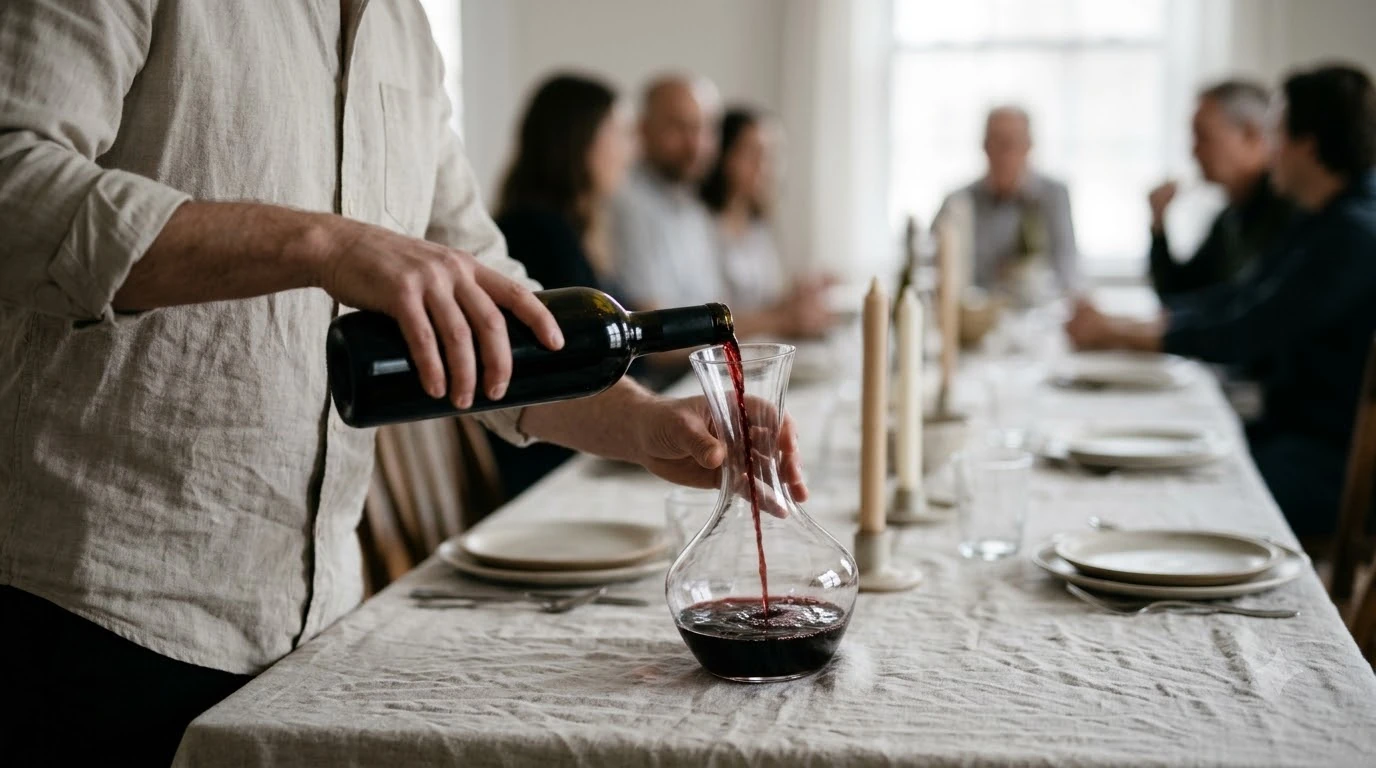
However, J. Lohr may be less suitable if you exclusively prefer very light-bodied reds, extremely lean unoaked whites, or highly traditional European wine styles. Some of its Cabernet Sauvignon wines have considerable body and alcohol, while certain Chardonnays combine ripe fruit with creamy barrel-aged characteristics.
For a broader look at the producer’s selection, the J Lohr wine overview provides another useful starting point. Readers comparing different producers can also explore our guide to Wine Brands to understand how California wineries differ in their regional focus and winemaking approach.
Key Factors to Compare Before Buying
The most important considerations are grape variety, growing region, oak treatment, tannin, and acidity. Comparing these characteristics helps identify whether a J. Lohr bottle will taste rich and powerful, fresh and citrus-driven, or somewhere between those extremes.
| Wine or category | Region | Main characteristics | Best suited to |
|---|---|---|---|
| Seven Oaks Cabernet Sauvignon | Paso Robles | Black cherry, cassis, vanilla, structured tannins | Grilled beef and hearty meals |
| Riverstone Chardonnay | Arroyo Seco, Monterey County | Citrus, apple, stone fruit, creamy texture | Chicken and seafood |
| Los Osos Merlot | Paso Robles | Plush fruit and softer tannins | Roasted poultry and pork |
| South Ridge Syrah | Paso Robles | Dark fruit and savory character | Lamb and grilled meats |
| Falcon’s Perch Pinot Noir | California | Red-fruit character and lighter structure | Salmon and roast chicken |
| Flume Crossing Sauvignon Blanc | California | Fresh citrus and herbal character | Salads and seafood |
| Bay Mist White Riesling | Monterey County | Aromatic fruit and refreshing acidity | Spicy dishes and lighter meals |
The table summarizes the principal styles rather than promising identical tasting characteristics across every vintage. Specific vineyard sources, blends, and winemaking decisions can change from one release to another. For example, the producer’s 2023 Seven Oaks Cabernet Sauvignon contains 86% Cabernet Sauvignon, 9% Petite Sirah, 3% Petit Verdot, 1% Merlot, and 1% Cabernet Franc. It is therefore not a single-variety wine despite Cabernet Sauvignon being the dominant grape.
1. Region and growing conditions
Region is one of the clearest indicators of what to expect. J. Lohr’s Arroyo Seco vineyards in Monterey County experience cool winds and fog influenced by nearby Monterey Bay. The area’s stony, well-drained soils and relatively cool conditions support Chardonnay and Pinot Noir production.
Paso Robles has a different growing environment. Warm daytime temperatures and cooler nights create conditions suited to Cabernet Sauvignon and other Bordeaux and Rhône varieties. J. Lohr farms more than 2,100 acres of vineyards in this region, and nearly all its red-wine portfolio comes from Paso Robles.
The winery also owns more than 30 acres at Carol’s Vineyard in St. Helena, Napa Valley, where Cabernet Sauvignon and Petit Verdot are planted. These three locations give the producer access to different growing environments rather than forcing every variety into the same regional style.
2. Oak and texture
Oak treatment can significantly affect how a wine feels and smells. American oak can contribute vanilla, toasted wood, and sweet spice impressions, while lees aging can give Chardonnay additional texture and a rounded mouthfeel.
Riverstone Chardonnay is a useful example. The 2023 vintage is made from 100% Chardonnay, and the producer describes citrus, apple, white nectarine, baking spice, hazelnut, and cocoa characteristics. Its barrel aging on the lees contributes to the wine’s texture without removing the freshness associated with its cool-climate origin.
Seven Oaks Cabernet Sauvignon provides a different illustration. The 2023 vintage received 12 months of aging in 60-gallon American oak barrels, with 18% new oak. This treatment helps explain its toasted pastry, vanilla, and hazelnut notes alongside black cherry and currant.
3. Tannin, acidity, and body
Cabernet Sauvignon typically has high tannin, while Merlot generally has softer, medium tannin. Pinot Noir tends to have lower-to-medium tannin and relatively high acidity. These differences influence how a wine pairs with food and how substantial it feels.
For whites, Chardonnay generally has medium acidity, while Sauvignon Blanc and Riesling usually have higher acidity. A Chardonnay such as Riverstone can therefore feel rounder and more textured than a crisp Sauvignon Blanc, even when both wines have refreshing fruit character.
Think about your usual preferences before selecting a bottle. Someone who likes concentrated reds with a noticeable structure may prefer Seven Oaks, whereas a drinker who enjoys softer reds may find Merlot a more comfortable starting point.
Step-by-Step: How to Choose the Right J. Lohr Bottle
A simple selection process makes the winery’s broad portfolio easier to understand. Start with your preferred grape variety, narrow the choice by regional style, and then consider the occasion and serving conditions.
-
Decide whether you want red or white wine.
For a substantial red, start with Cabernet Sauvignon or Syrah. For a more moderate red, consider Merlot or Pinot Noir. If you prefer white wine, choose Chardonnay for a richer texture, Sauvignon Blanc for a fresher profile, or Riesling for pronounced aromatic character.
-
Choose a grape variety that matches your palate.
Cabernet Sauvignon is a natural choice for drinkers who like black fruit and firm structure. Merlot is generally softer, Pinot Noir is lighter in tannin, and Chardonnay offers a broader range of textures depending on its production method.
-
Match the wine to its regional identity.
Look toward Paso Robles for the producer’s main Cabernet Sauvignon selection. For Monterey County Chardonnay, Riverstone is a logical first bottle. Arroyo Seco’s cool conditions help preserve acidity, while Paso Robles supports fuller-bodied red wines.
-
Compare the wine collection.
J. Lohr Estates is a practical starting point for familiar varietals. Vineyard Series wines offer more specific vineyard expressions, while Cuvée Series and Gesture selections provide opportunities to explore blends and Rhône-inspired styles.
-
Consider the food you plan to serve.
Choose Cabernet Sauvignon for grilled steak or lamb, Chardonnay for roast chicken or seafood risotto, and Merlot for pork or mushroom dishes. A wine should complement the meal rather than overwhelm it.
-
Consider the vintage and drinking window.
Look at the producer’s recommendations for individual releases. For example, J. Lohr recommends enjoying the 2023 Riverstone Chardonnay now or within five years of its vintage, while the 2023 Seven Oaks Cabernet Sauvignon is described as suitable for aging seven years or longer.
-
Plan the serving temperature.
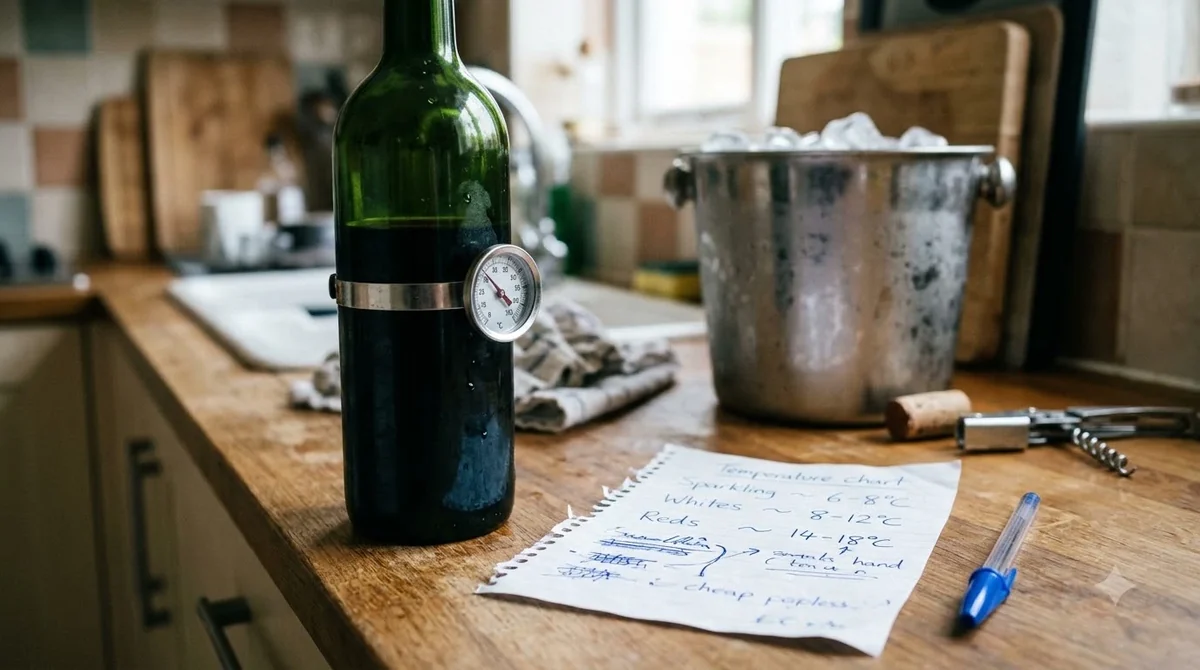
Serve light whites around 45–50°F and fuller-bodied whites around 50–55°F. Light reds generally benefit from 55–60°F, while fuller reds are best around 60–65°F.
This approach prevents a common buying mistake: choosing a bottle simply because the producer is familiar. A specific grape, regional origin, and food pairing are more reliable indicators of whether the wine will suit your preferences.
Tip: If you are buying your first two J. Lohr wines, choose Riverstone Chardonnay and Seven Oaks Cabernet Sauvignon. They illustrate the winery’s two principal regional strengths: cool-climate Monterey Chardonnay and fruit-forward Paso Robles Cabernet Sauvignon.
J. Lohr Wine Types and Styles Explained
J. Lohr offers several collections and grape varieties, so the label’s collection name is an important part of the buying decision. The Estates range provides recognizable varietals, while the more specialized collections focus on distinctive vineyard sources, blends, or limited-release wines.
J. Lohr Estates: The accessible starting point
The Estates collection is one of the easiest places to begin exploring the producer. It includes Riverstone Chardonnay, Seven Oaks Cabernet Sauvignon, Los Osos Merlot, South Ridge Syrah, Falcon’s Perch Pinot Noir, and Flume Crossing Sauvignon Blanc.
Riverstone is especially useful for understanding the winery’s Monterey identity. Its 2023 vintage is sourced from the Arroyo Seco AVA in Monterey County and contains 100% Chardonnay. The producer describes ripe citrus, Meyer lemon, white nectarine, hazelnut, and cocoa characteristics, with a long finish and balanced acidity.
Seven Oaks represents the Paso Robles side of the portfolio. The 2023 vintage combines Cabernet Sauvignon with smaller amounts of Petite Sirah, Petit Verdot, Merlot, and Cabernet Franc. Its black cherry, cassis, toasted pastry, and vanilla profile makes it a recognizable California Cabernet style.
Vineyard Series: More specific vineyard character
The Vineyard Series is designed to showcase wines from special growing sites and smaller production lots. The winery introduced its first Vineyard Series releases in 1998, including Arroyo Vista Chardonnay and Hilltop Cabernet Sauvignon.
This collection is worth considering if you already enjoy the Estates wines and want to explore a more site-specific expression. The distinction is not simply a difference in grape variety. Vineyard conditions, fruit selection, and winemaking choices can produce noticeably different results within the same broad varietal category.
Cuvée Series: Bordeaux-inspired blends
The Cuvée Series focuses on Bordeaux-inspired blends with a Paso Robles identity. J. Lohr introduced this collection in 2002, giving the winery another way to express the character of its red-wine growing region.
Blends can combine grapes with complementary characteristics. Cabernet Sauvignon contributes structure, Merlot can add softer fruit, and other Bordeaux varieties can provide aromatic or textural complexity. The exact composition depends on the individual wine, so it is sensible to evaluate each release separately.
Gesture: Rhône-inspired selections
Gesture is the winery’s limited-release Rhône-style collection, launched in 2009. Its selections include varieties and blends such as Syrah, GSM (Grenache, Syrah, and Mourvèdre), and RVG (Roussanne, Viognier, and Grenache Blanc).
This collection is particularly interesting for people who want to explore beyond conventional Cabernet Sauvignon and Chardonnay. Syrah can offer dark fruit and savory notes, while white Rhône varieties can bring floral aromas, stone fruit, and a broader palate texture.
Pure Paso and Monterey Roots
Pure Paso is a proprietary red wine introduced in 2019. Its original release was a blend of Cabernet Sauvignon and Petite Sirah, reflecting the winery’s interest in combining Bordeaux and other red varieties in a Paso Robles expression.
Monterey Roots was introduced in 2022. The collection includes Bay Mist White Riesling and Wildflower Valdiguié, connecting the brand to its early Monterey County history. These wines offer alternatives for people who want aromatic whites or less conventional California reds.
Another distinction worth understanding is the ARIEL range. J. Lohr also produces alcohol-removed wines through its ARIEL brand. These are separate from the conventional wine collections and serve a different purchasing preference.
For more detailed comparisons of the producer’s red selection, see our guide to J Lohr red wine. Chardonnay drinkers can also explore the dedicated J Lohr Chardonnay guide for a closer look at the winery’s white-wine options.
Common Mistakes When Buying J. Lohr Wine
The biggest mistakes involve assuming that every wine from the same producer tastes alike, overlooking the difference between grape varieties, or choosing a bottle without considering its intended food pairing. Paying attention to regional origin and winemaking style can prevent disappointing purchases.
Assuming every Cabernet Sauvignon tastes the same
J. Lohr produces Cabernet Sauvignon in different collections and from different vineyard sources. Seven Oaks, Hilltop, and Carol’s Vineyard wines should not automatically be treated as interchangeable.
The 2023 Seven Oaks blend, for example, contains 86% Cabernet Sauvignon, with the remaining 14% made up of four other grape varieties. It also receives 12 months of American oak aging. Another Cabernet Sauvignon in the portfolio may have a different composition, vineyard origin, and maturation approach.
Expecting every Chardonnay to be heavily buttery
Chardonnay can range from crisp and restrained to rich and creamy. Riverstone’s barrel aging and lees contact contribute texture, but its cool-climate origin also supports natural acidity.
Drinkers who dislike pronounced oak may prefer to investigate an unoaked Chardonnay such as Paperwhite rather than dismissing the producer’s entire Chardonnay selection. The winery also produces more distinctive Chardonnay expressions through its specialized collections.
Ignoring the difference between Cabernet Sauvignon and Merlot
Cabernet Sauvignon generally has firmer tannins and a more structured profile than Merlot. Choosing Cabernet when you actually prefer softer reds can make a wine seem unnecessarily drying or powerful.
For a gentler starting point, consider Los Osos Merlot. If you enjoy more structure, Seven Oaks Cabernet Sauvignon is a more natural selection. Pinot Noir is another alternative for those who prefer lighter tannins and higher acidity.
Serving reds too warm
Full-bodied California reds are often served too close to warm room temperature. This can make alcohol seem more prominent and reduce the impression of freshness. A fuller red such as Seven Oaks is generally better served around 60–65°F rather than at a hot indoor temperature.
Pairing wine without considering food characteristics
Cabernet Sauvignon works particularly well with foods containing protein and fat because these elements can soften the perception of tannin. Grilled steak, lamb, and aged hard cheese are useful pairings.
High-acidity whites work well with similarly acidic foods, while sweet wines should generally be at least as sweet as the dessert. Chili heat can become more pronounced with alcoholic, tannic reds, so aromatic whites or wines with some residual sweetness can be more comfortable choices for spicy dishes.
Oily fish also deserves attention. Strongly tannic red wines can clash with oily fish, so a Chardonnay or Pinot Noir is often a more suitable option depending on the preparation and sauce.
Serving, Care, and Storage Tips
Proper storage and serving conditions help preserve the intended character of J. Lohr wines. Temperature is particularly important because excessive warmth can make alcohol more noticeable, while excessively cold serving conditions can hide aromas and texture.
Recommended serving temperatures
Use these general temperature ranges as a starting point:
- Riverstone Chardonnay: 50–55°F for fuller-bodied white wine.
- Flume Crossing Sauvignon Blanc: 45–50°F for a fresher white-wine presentation.
- Bay Mist White Riesling: 43–50°F, depending on its sweetness and preferred aromatic expression.
- Seven Oaks Cabernet Sauvignon: 60–65°F.
- Los Osos Merlot: 60–65°F for a fuller red-wine presentation.
- Falcon’s Perch Pinot Noir: 55–60°F.
A wine thermometer is useful if you want more consistency. A refrigerator can cool a white wine before serving, while a brief period in the refrigerator can also bring an overly warm red closer to its preferred temperature.
Decanting red wines
Young, full-bodied Cabernet Sauvignon wines can benefit from 30–60 minutes of decanting. This gives the wine time to interact with oxygen and can make its aromas more expressive.
Decanting is not compulsory for every bottle. Lighter Pinot Noir and softer Merlot may require less time, and older wines should be handled more carefully because prolonged exposure to oxygen can reduce their aromatic freshness.
Storing unopened bottles
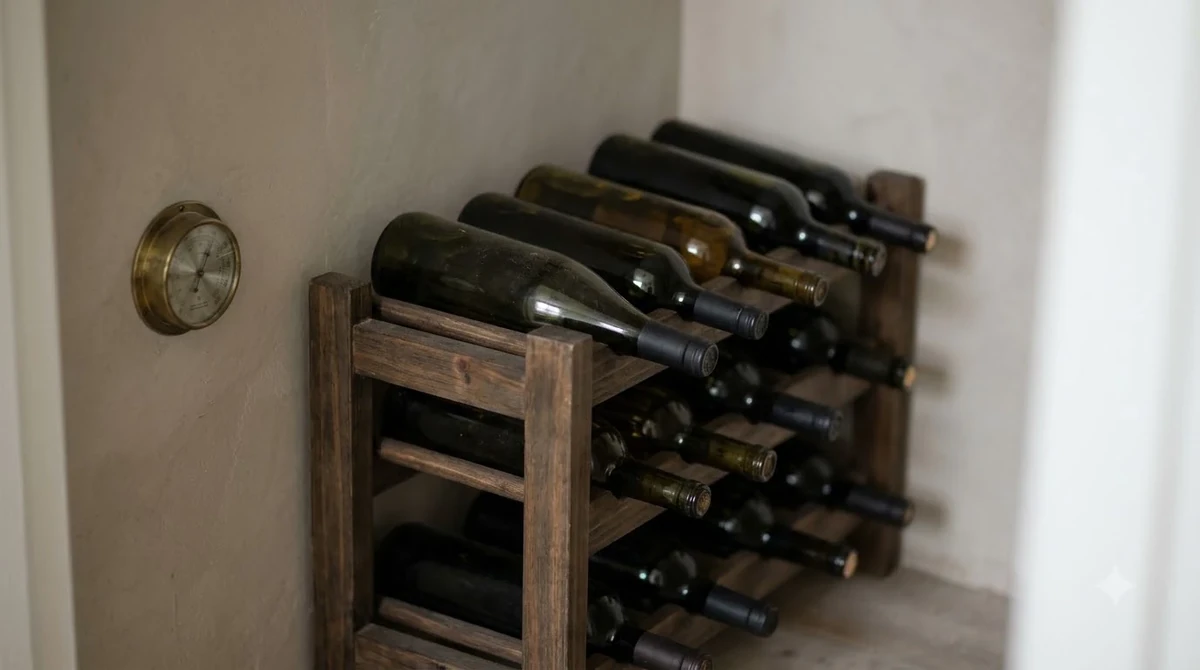
Store unopened bottles in a cool, dark location with a relatively stable temperature. Around 55°F is a useful storage target. Avoid direct sunlight, heat sources, and frequent temperature fluctuations.
For bottles sealed with natural cork, horizontal storage helps keep the cork in contact with the wine. This reduces the risk of the cork drying out during longer storage. A dedicated wine refrigerator is useful if the home environment experiences substantial temperature changes.
Keeping opened bottles fresh
Once opened, most still wines should be recorked or sealed and refrigerated. A general guideline is three to five days for opened still wines, although the actual drinking window depends on the wine’s structure, age, and exposure to oxygen.
For Riverstone Chardonnay, refrigeration after opening helps retain freshness. Seven Oaks Cabernet Sauvignon can also be refrigerated after resealing; allow it to warm slightly before serving again.
These are practical guidelines rather than guarantees. Use a clean closure, minimize the amount of air in the bottle where possible, and avoid leaving wine open overnight at room temperature.
Checking the producer’s drinking recommendations
Individual wine releases can have different aging potential. The producer recommends that the 2023 Riverstone Chardonnay be enjoyed upon release or within five years of its vintage. For the 2023 Seven Oaks Cabernet Sauvignon, the suggested cellaring horizon is seven years or longer.
These recommendations are more useful than applying one universal aging rule to the entire portfolio. A structured Cabernet Sauvignon may develop differently from a fresh Chardonnay, and not every everyday wine benefits from extended cellaring.
Frequently Asked Questions
Is J. Lohr considered a California wine pioneer?
Yes. Jerry Lohr was among the early winegrowers who recognized the potential of California’s Central Coast during the early 1970s. His involvement in establishing vineyards in Monterey County and later Paso Robles helped bring greater attention to these growing regions. The winery’s history also includes participation in the development of the Arroyo Seco appellation.
What does the J. Lohr name on a bottle represent?
J. Lohr is the winery and brand name associated with the Lohr family. The name appears across several collections, including Estates, Vineyard Series, Cuvée Series, Gesture, and Monterey Roots. The collection designation provides additional information about the wine’s intended style and position within the producer’s portfolio.
Does J. Lohr produce wines other than Cabernet Sauvignon and Chardonnay?
Yes. Its broader selection includes Riesling, Valdiguié, Petite Sirah, Syrah, Merlot, Pinot Noir, Sauvignon Blanc, and Rhône-inspired blends. The producer also makes wines using varieties such as Roussanne, Viognier, Grenache Blanc, Grenache, and Mourvèdre. This variety makes the portfolio suitable for people who want to explore more than two familiar California grapes.
Can visitors taste J. Lohr wines at the winery?
Yes. The winery operates Wine Centers in Paso Robles and San Jose, California. Its Paso Robles location offers scheduled tasting experiences that are planned for approximately 60 minutes. Reservations are recommended, and the tasting selections can include winery-exclusive wines that are not part of the usual retail range.
What sustainability recognition has J. Lohr received?
J. Lohr was among the first 17 California vineyards and wineries to earn the Certified California Sustainable Winegrowing designation in 2010. Its Riverstone Chardonnay became the first wine in the portfolio to carry the Certified California Sustainable seal in 2020. The certification program evaluates sustainable vineyard and winery practices rather than simply describing a wine’s flavor or quality.
J. Lohr is a versatile California producer with a particularly clear identity in Paso Robles Cabernet Sauvignon and Monterey County Chardonnay. Seven Oaks and Riverstone are sensible starting points, while the Vineyard Series, Cuvée Series, Gesture, and Monterey Roots collections provide opportunities to explore additional styles. Choose according to grape variety, regional character, and food pairing, and you can find a J. Lohr bottle that fits both your preferences and the occasion.
For additional background, the winery’s official history and vineyard overview explains how its Monterey and Paso Robles locations shaped its portfolio. Independent tasting commentary is also available in Wine Enthusiast’s Seven Oaks Cabernet Sauvignon review, which provides another perspective on the producer’s best-known red wine.
More in Wine Brands
 Louis Latour Wine Price: Compare Bottles by Style and TierUpdated Nov 20, 2026
 Yellow Tail Moscato Price: What to Expect Before You BuyUpdated Nov 20, 2026
 Sutter Home Sweet Red Review: Find the Right Food PairingsUpdated Nov 20, 2026
 Franzia Chillable Red Review: Find the Right Serving StyleUpdated Nov 20, 2026
 Veuve Clicquot Rose Review: Flavor, Food Pairings and Buying AdviceUpdated Nov 20, 2026
 Rombauer Wine Price: Compare Bottles Before You BuyUpdated Nov 20, 2026