

We may earn a commission when you buy through links on this page, at no extra cost to you. Learn more.
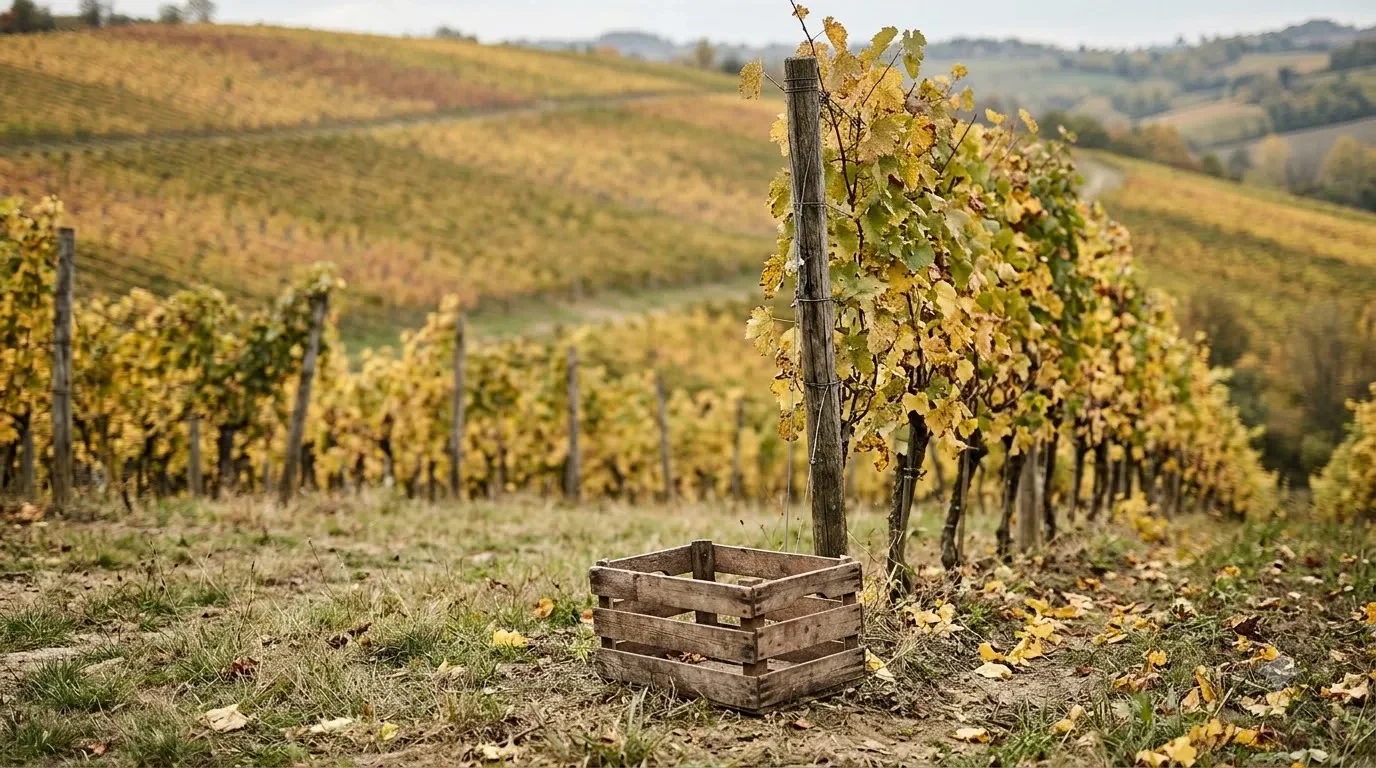
St Helena vineyards are the vine-covered hillsides and valley-floor blocks around the town of St. Helena, in the heart of Napa Valley, California. The area is known for structured Cabernet Sauvignon and a wide mix of other grapes grown in gravelly, mountain-influenced soils. Visitors usually come to walk the vineyards, taste at estate tasting rooms, and compare how the same grape changes from one site to the next.
St. Helena is one of the best-known towns in Napa Valley, and its name is tied to some of the valley’s most recognized estates. The town sits in the middle of the valley, so its vineyards range from flat, fertile land near the Napa River to steep slopes on the surrounding hills. This guide explains what makes the area distinctive, which grapes dominate, and how to make the most of a visit.
Where the St Helena Vineyards Sit
The St Helena vineyards occupy a narrow stretch of the valley, bounded by mountains on either side. That geography creates a range of conditions within a few miles. Vines on the valley floor usually receive more heat and see more morning fog burn off, while hillside vines often cool faster at night and face different drainage.
Napa Valley as a whole is made up of many smaller appellations, and the region’s official wine-industry resource notes that it includes nested appellations and microclimates that shape each vineyard’s character. For a visitor, the practical takeaway is that two vineyards only a few minutes apart can produce noticeably different wines. Tasting a Cabernet from the valley floor and one from the hills is one of the simplest ways to understand this effect.
Grapes and Wine Styles You Will Find
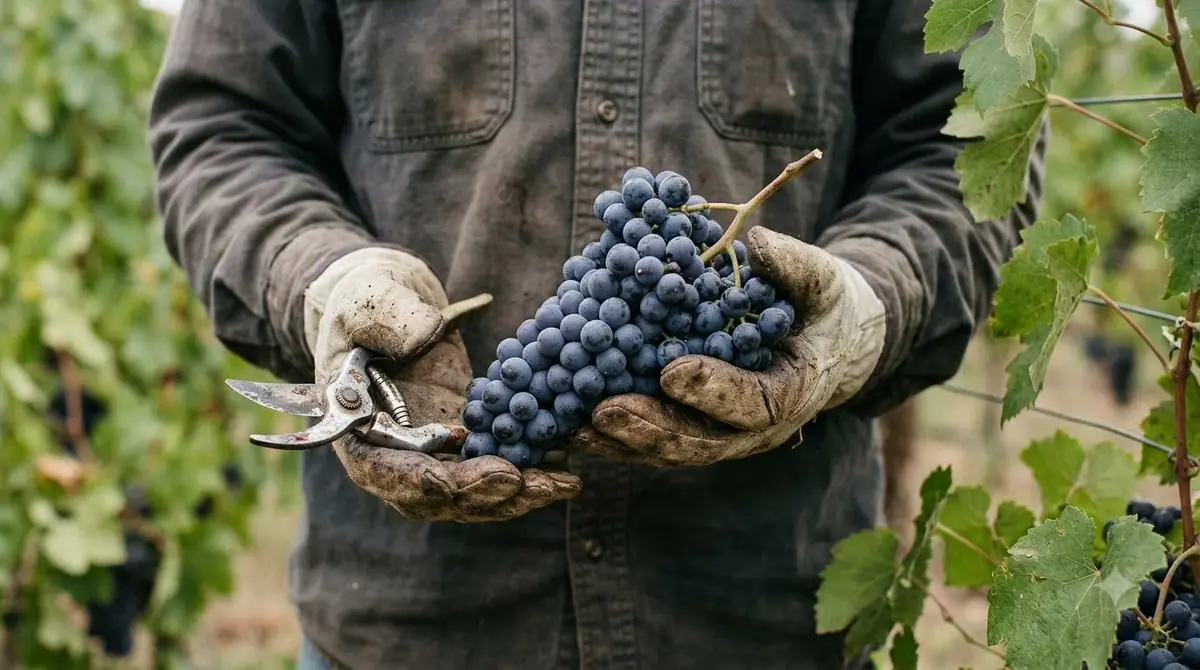
Cabernet Sauvignon is the signature red of the area, and many St Helena producers build their reputation on it. Bordeaux-style blends that include Merlot, Cabernet Franc, and Petit Verdot are also common. Smaller plantings of Zinfandel, Sauvignon Blanc, and Chardonnay give the region more range than its reputation alone suggests.
The Napa Valley Vintners site notes that more than three dozen red and white varieties grow across the valley, which is a useful reminder that St Helena is not a one-grape area. Visitors who only taste Cabernet miss a lot of the variety on offer, so ask tasting staff about any white or lighter red on the menu.
| Site type | What it tends to give | What to notice when tasting |
|---|---|---|
| Valley floor vineyards | Riper fruit and softer texture in many wines | Generous fruit aromas and a rounder finish |
| Hillside vineyards | Smaller yields and more concentrated flavors | Firmer structure and more noticeable tannin |
| Estate-grown single vineyard | One site expressed clearly | How the same grape tastes from its own ground |
How Vineyard Geography Shapes the Wine
Soil and slope matter as much as the grape itself. Many vineyards in the area sit on well-drained soils, which can limit vine vigor and encourage deeper roots. Hillside sites often receive more sun exposure and less water, which can lead to smaller berries and firmer wines. The valley floor holds more water and can produce fuller, more generous fruit.
Producers in the area talk about these differences when they describe each bottling. Reading the back label or the winery’s technical notes can show whether a wine comes from one site or a blend of several. That information helps you connect a bottle to the place it came from when you visit.
Many visitors find that a single, well-explained site tasting teaches more than a large flight. A short comparison of two wines from neighboring blocks can make the idea of terroir concrete, and it gives you a reference point when you later shop for bottles at home or in a restaurant wine list.
Tip: Ask whether a tasting flight includes wines from different sites. Comparing a valley-floor bottle with a hillside bottle of the same grape is one of the clearest lessons in the region.
Visiting the Vineyards Around St Helena
Most visitors reach the area by car, and the main road through the valley is busy during the day. Many estates require advance reservations for tastings, especially on weekends and during harvest. Some properties offer guided vineyard walks, seated flights, or food pairings that take longer than a standard tasting.
A good plan is to choose two or three estates in one part of the valley rather than crossing the whole region in a day. If you want to compare different areas, the Calistoga vineyards guide covers the warmer northern end of the valley, while the Chalk Hill vineyards article looks at a separate district with its own character.
Seasons and Timing Your Visit
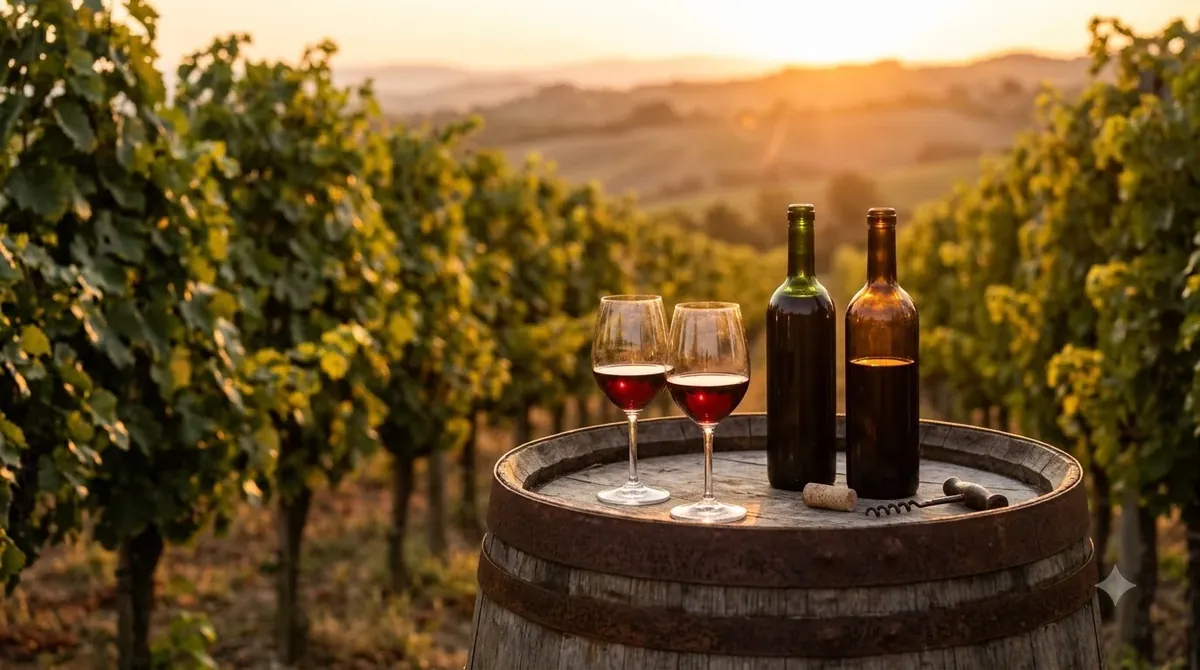
The vineyards look different through the year. Winter brings bare canes and pruning crews, which makes the landscape quieter but still rewarding for a scenic drive. Spring shows new leaves and early growth, while summer is the season of heat and long days. Harvest, usually in late summer and early autumn, is the busiest time, with crush activity, full tasting rooms, and higher demand for reservations.
Weekday visits in the shoulder seasons often give you more time with staff and a calmer pace in the vineyards. If you want to see harvest in progress, ask a winery about its schedule in advance, since access to working areas can change from one day to the next. Tasting rooms also tend to be quieter in the early morning, which suits visitors who prefer to start before the midday crowds arrive.
Plan for travel between estates too. The valley road can slow down at peak times, and parking at popular properties can fill quickly. Leaving a buffer between appointments reduces stress and keeps the tasting schedule realistic.
What to Ask Your Tasting Host
Tasting staff are a useful source of information about the vineyards. Asking which blocks supply a wine, how the soil differs across the estate, or why a certain grape was planted in a particular spot can turn a standard pour into a more informative visit. Staff members often know the vineyard history and can point out wines that show the site clearly.
It also helps to ask about the winery’s approach to the vineyard. Some estates farm their own fruit, while others source from several growers. Knowing this can explain why two bottles from the same area taste different and help you decide which style to take home.
Frequently Asked Questions
What is St Helena known for in wine?
St Helena is known for Cabernet Sauvignon and Bordeaux-style blends grown on valley-floor and hillside vineyards. The town is one of the most recognized addresses in Napa Valley, and many wineries in the area are well established.
Do St Helena vineyards offer tours?
Many estates offer tours or guided tastings, though formats vary. Some include a vineyard walk or a seated flight with food, while others focus on a short pour at the bar. Booking ahead is the safest option.
What grapes grow in St Helena?
Cabernet Sauvignon is the most prominent grape, with Merlot, Cabernet Franc, Petit Verdot, Sauvignon Blanc, and Chardonnay also grown in the area. The wider valley grows more than three dozen red and white varieties.
Is St Helena a good stop for a first Napa visit?
Yes. Its central location makes it easy to combine a few estates with a meal in town. First-time visitors often enjoy comparing valley-floor and hillside wines to learn how geography changes the glass.
St Helena rewards visitors who slow down and compare sites. Pick a small number of estates, ask about the vineyards behind each bottling, and try at least one wine outside the Cabernet tradition. For a broader view of how climate and soil shape each part of the state, the wine regions guide is a good next step.
More in Wine Regions
 Willcox Wine Trail: Discover Arizona’s High-Elevation Wine CountryUpdated Nov 20, 2026
 Yakima Valley Wine Region: Find the Best Styles to TryUpdated Nov 20, 2026
 Vosne Romanee Wine Tasting: Identify Aromas and Choose Better PairingsUpdated Nov 20, 2026
 Yakima Valley Wine Festival: Find the Best Seasonal Wine EventsUpdated Nov 20, 2026
 Wales Vineyards: Discover Cool-Climate Wines and Where to VisitUpdated Nov 20, 2026
 Yountville Wine Festival: Discover Napa Wines and Local FoodUpdated Nov 20, 2026