

We may earn a commission when you buy through links on this page, at no extra cost to you. Learn more.
The direct answer to is white zinfandel vegan is that some bottles are vegan while others are not, depending entirely on the clarifying agents used in the winery. Although white zinfandel starts with 100% plant-based Zinfandel grapes and yeast, winemakers often use animal-derived fining agents like casein, gelatin, egg whites, or isinglass to clear haze before bottling. Major brands like Sutter Home confirm their white zinfandel is vegan-friendly, whereas other mass-market labels like Barefoot rely on animal-based processing aids.
Walking down the wine aisle with a plant-based diet in mind can feel surprisingly tricky because wine labels in the United States rarely list ingredients or processing aids. Knowing how white zinfandel goes from freshly crushed red grapes to a crisp, translucent pink pour makes it much easier to pick a bottle that aligns with your standards.
What White Zinfandel Actually Is
White zinfandel is a sweet-to-off-dry rosé wine made from red Zinfandel grapes rather than a white grape variety. Winemakers create its signature pale pink color by minimizing skin contact and fermenting the free-run juice separately.
Despite the word “white” in its name, the grape behind this wine is the exact same dark-skinned variety responsible for bold, jammy California reds. As Wine Enthusiast notes in its Zinfandel guide, the style originated accidentally at Sutter Home in St. Helena, California, during the early 1970s. Winemaker Bob Trinchero drained off pale juice from a red Zinfandel tank to concentrate the remaining red wine, a technique known in France as the saignée or “bleeding” method. That separated batch of pale pink juice experienced a stuck fermentation, leaving behind noticeable natural grape sugar alongside bright strawberry and melon flavors.
Because the juice is separated from the dark grape skins early in the process, white zinfandel avoids the heavy tannins and deep ruby color found in standard red Zinfandel. Instead, the finished wine sits at a light body with lower alcohol, typically landing between 8% and 11% ABV depending on how early the winemaker halts fermentation. While zinfandel tasting notes for traditional red bottles highlight blackberry, black pepper, and oak spice, white zinfandel leans toward fresh watermelon, raspberry, and candied citrus.
Why Some White Zinfandel Is Not Vegan
Grapes, water, and yeast are completely plant-based, so the animal products that disqualify certain wines enter the picture during clarification. Winemakers use substances called fining agents to bind with microscopic proteins, yeast cells, and suspended particles so the wine looks crystal clear in the glass.

Freshly fermented young wine naturally looks cloudy or hazy because tiny molecules remain suspended in the liquid. Left alone in a tank or barrel, gravity will eventually pull those particles to the bottom over many months, yet commercial wineries producing high volumes of crisp rosé cannot always wait that long. Fining agents act like molecular magnets; they carry an electrical charge that attracts opposite-charged haze particles, clumping them together so they sink rapidly and can be filtered out prior to bottling.
Even though fining agents are removed along with the sediment before the wine hits store shelves, microscopic trace amounts can remain, and the production process still relies on animal-derived inputs. According to Bolney Wine Estate’s guide to vegan winemaking, traditional animal fining agents include casein (a milk protein often used to brighten white and rosé wines), egg whites (albumen), gelatin derived from animal collagen, and isinglass made from fish swim bladders. Fortunately, vegan-friendly alternatives like bentonite clay, activated charcoal, and pea protein accomplish the exact same visual clarity without any animal involvement.
| Fining Agent | Source Material | Primary Winemaking Purpose | Vegan Status |
|---|---|---|---|
| Bentonite | Natural volcanic clay | Removes unstable proteins and prevents haze in white and rosé wines | Vegan |
| Pea Protein | Yellow field peas | Binds bitter phenolics and clarifies juice cleanly | Vegan |
| Activated Charcoal | Carbon-rich plant matter | Strips unwanted color pigments and off-odors | Vegan |
| Casein | Cow’s milk protein | Brightens color and softens harshness in pale wines | Not Vegan (Vegetarian) |
| Egg Whites (Albumen) | Chicken eggs | Softens astringent tannins, primarily in red wines | Not Vegan (Vegetarian) |
| Gelatin | Animal bones and connective tissue | Clarifies heavy sediment and reduces bitterness | Not Vegan |
| Isinglass | Fish swim bladders | Creates brilliant clarity in white, rosé, and sparkling wines | Not Vegan |
How Major White Zinfandel Brands Compare
Because US federal law does not require wineries to disclose fining agents on the back label, vegan status varies significantly from one producer to the next. Checking producer disclosures directly reveals clear differences even among the most familiar grocery store bottles.
Sutter Home Family Vineyards, the original creator of California white zinfandel, confirms that its entire core lineup—including Sutter Home White Zinfandel—is produced without animal-derived fining agents. The winery relies on vegan-friendly clarification methods such as bentonite clay and cold stabilization, making its widely stocked 750ml bottles, mini packs, and 1.5-liter jugs reliable options for plant-based drinkers. That consistency makes Sutter Home a rare example of an accessible, everyday supermarket wine that requires no guesswork.
By contrast, Barefoot Wine lists its Barefoot White Zinfandel as not vegan-friendly because animal-derived processing aids are used during production. Other large California producers, such as Beringer Vineyards, have mixed portfolios where certain white or blush bottlings may be vegan while red lines use egg whites or gelatin, meaning formulations can shift by vintage or bottling facility. If you are browsing broader categories across Wine by Type, never assume that one producer’s vegan-friendly white wine guarantees that its rosé or white zinfandel follows the exact same cellar protocol.
How to Check If a Bottle Is Vegan
Finding a vegan-friendly white zinfandel takes a quick label scan paired with a thirty-second digital lookup when packaging lacks certification. Knowing where to look saves you from standing in the store aisle second-guessing every bottle.
Start by inspecting the back label for official third-party seals such as the Certified Vegan logo from Vegan Action or the European V-Label. Some winemakers also print plain-text phrases like “Vegan Friendly,” “No Animal Byproducts Used,” or “Unfined and Unfiltered” near the Surgeon General warning. Keep an eye on the allergen statement as well: under US labeling rules, wines fined with milk or egg derivatives that leave detectable residues must print “Contains: Milk” or “Contains: Egg,” which immediately rules the bottle out.
When a label stays silent, pull up the free online database Barnivore on your phone and search the exact winery and wine name. Barnivore compiles direct email responses from winemakers regarding whether animal fining agents were used in specific vintages, along with timestamps showing when the information was last verified. Checking both the back label and an updated database entry ensures you catch recent recipe or supplier changes before you buy.
Tip: Look at the date stamp next to a wine’s entry on Barnivore—wineries occasionally switch suppliers or cellar protocols between vintages, so entries verified within the past two years give you the most reliable answer.
How to Serve and Pair Vegan White Zinfandel
Once you have a confirmed vegan bottle in hand, proper chilling and thoughtful food pairings bring out the wine’s crisp fruit character without letting its sweetness feel heavy. Treating white zinfandel with the same care as a dry rosé transforms how it tastes in the glass.
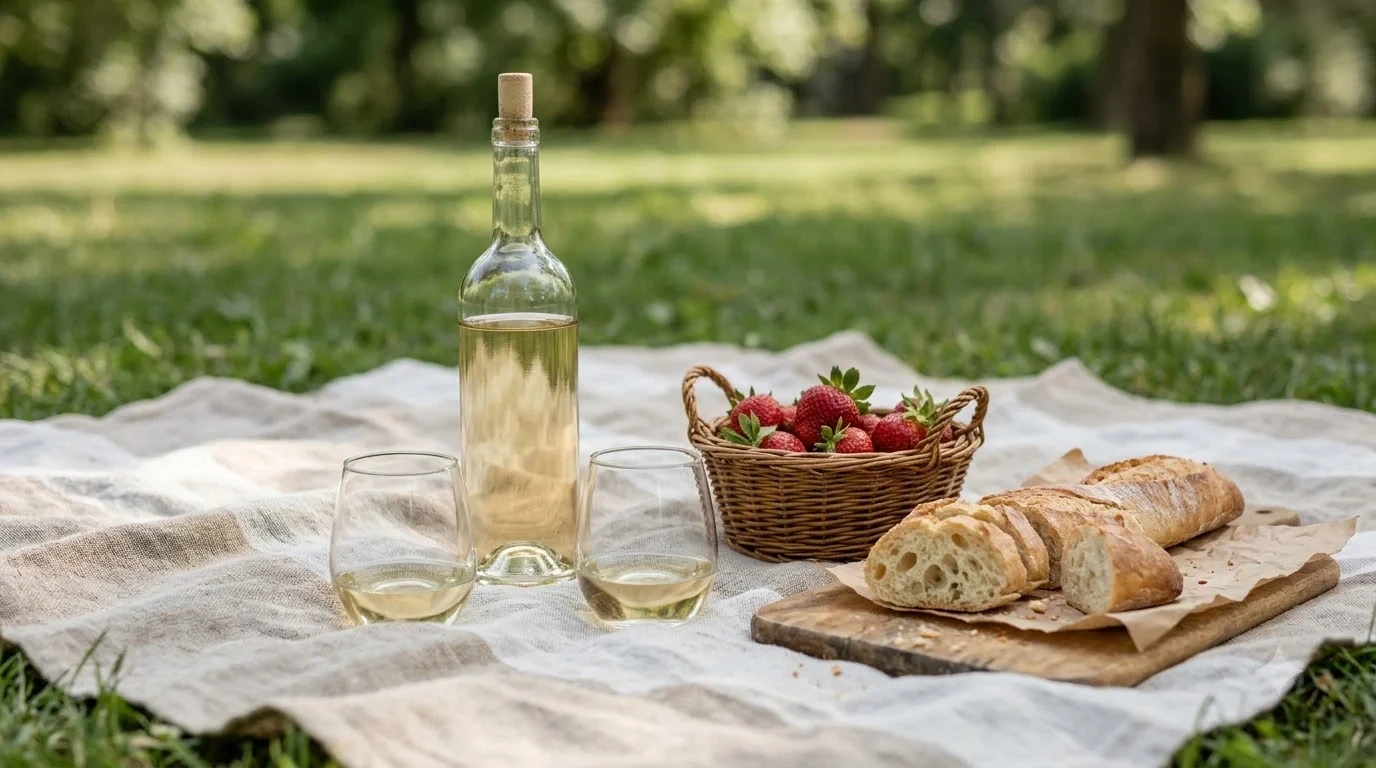
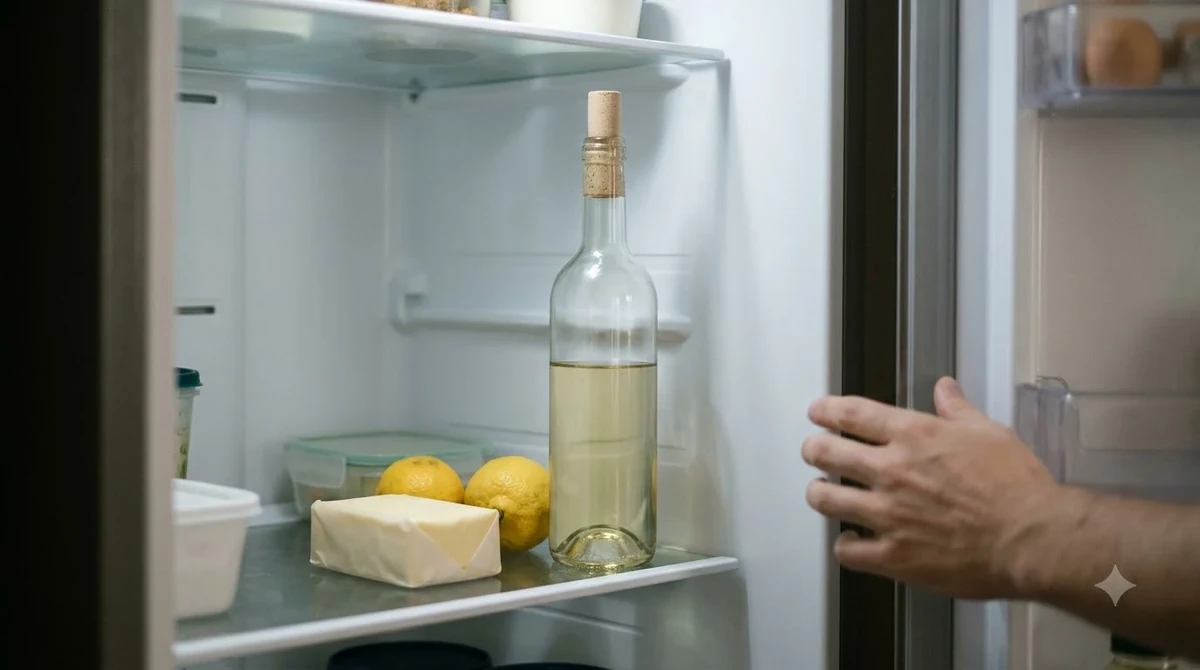
Serve white zinfandel well chilled at 45°F to 50°F (7°C to 10°C), which takes roughly two hours in a standard kitchen refrigerator or 25 minutes in a bucket filled with equal parts ice and water. Colder temperatures sharpen the wine’s natural acidity and keep its strawberry, watermelon, and citrus notes brisk and refreshing. Pour it into a standard white wine glass with a medium-sized bowl so the delicate red-berry aromas stay focused rather than dissipating too quickly, and store any leftover wine recorked in the fridge for three to five days.
At the table, the touch of residual sugar in white zinfandel acts as a natural counterbalance to spicy, salty, and savory plant-based dishes. Pair a chilled glass with spicy Thai tofu curry, jalapeño-topped black bean tacos, or buffalo cauliflower bites, where the gentle sweetness cools chili heat on the palate. It also works effortlessly alongside summer watermelon and mint salads, grilled vegetable skewers, or mixed into a pitcher of white zinfandel sangria loaded with sliced peaches, strawberries, and fresh citrus.
Frequently Asked Questions
Are all rosé wines and white zinfandels vegan?
No, neither rosé wines nor white zinfandels are automatically vegan. While the grapes and yeast are plant-based, wineries frequently use casein, gelatin, or isinglass to clarify pink wines quickly and achieve a bright, translucent appearance. You always need to verify the specific producer before assuming a pink bottle is vegan.
Does white zinfandel contain dairy or eggs?
White zinfandel does not contain milk or eggs as flavor ingredients, though some producers use milk-derived casein or egg whites as fining agents during clarification. Almost all of the fining agent settles out and gets filtered away before bottling, yet trace proteins can remain. If detectable levels stay in the wine, US labels must include an allergen warning for milk or egg.
Is Sutter Home White Zinfandel vegan?
Yes, Sutter Home Family Vineyards confirms that its White Zinfandel is vegan-friendly. The producer avoids animal-derived fining agents across its core wine lineup, relying instead on vegan-safe clarification methods like bentonite clay. Because Sutter Home is widely distributed across US grocery stores, it is one of the easiest vegan white zinfandels to find.
What is the difference between vegan and vegetarian wine?
Vegetarian wines exclude slaughterhouse byproducts like gelatin and fish-derived isinglass, but they may still use milk protein (casein) or egg whites during fining. Vegan wines prohibit all animal-derived inputs at every stage of winemaking, relying exclusively on mineral or plant-based fining agents such as bentonite clay and pea protein, or skipping fining altogether.
Knowing how fining agents work takes the mystery out of buying plant-based rosé, whether you are shopping for a casual weeknight pour or stocking up for a summer cookout. If you also enjoy sparkling wines, check out our guide on is prosecco vegan to see how bubbly producers handle clarification.
More in Wine Types & Grapes
 What Does Ruby Port Taste Like? Flavor Notes, Styles, and Serving TipsUpdated Nov 21, 2026
 What Does Ribolla Gialla Taste Like? Crisp White and Amber Styles ExplainedUpdated Nov 21, 2026
 What Does Semillon Taste Like? Flavor Profile, Styles & PairingsUpdated Nov 21, 2026
 What Does Scuppernong Taste Like? Flavor, Styles, and Pairing GuideUpdated Nov 21, 2026
 What Does Saperavi Taste Like? Flavors, Styles, and Pairing GuideUpdated Nov 21, 2026
 What Does Natural Wine Taste Like? Flavors, Styles, and Serving TipsUpdated Nov 21, 2026