

We may earn a commission when you buy through links on this page, at no extra cost to you. Learn more.
Zinfandel tasting notes most often feature ripe blackberry, raspberry, boysenberry, and cherry, layered with black pepper, baking spice, and a full, fruit-forward palate. The exact profile depends on where the grapes grow and how ripe they are picked. Some bottles are fresh and peppery, while others are rich, jammy, and high in alcohol.
Zinfandel is one of California’s signature red grapes, but it has more range than its boldest examples suggest. Learning to separate fruit character from sweetness, alcohol, tannin, and oak makes it easier to understand a bottle, compare regions, and choose a style that suits dinner.
Core Zinfandel Aromas and Flavors
The clearest Zinfandel signature is ripe berry fruit supported by peppery spice. A typical glass may move from fresh raspberry and red cherry on the nose to blackberry, plum, and boysenberry on the palate, with clove, cinnamon, anise, or black pepper adding depth.
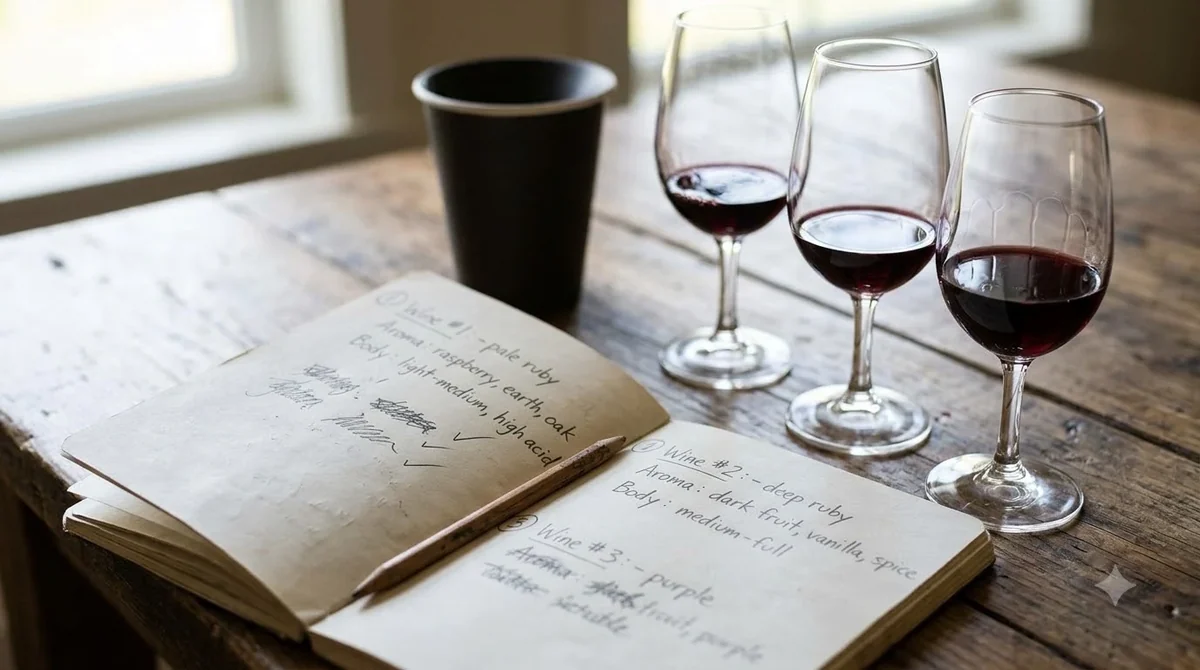
Start with the fruit rather than trying to name every aroma. Cooler or earlier-picked examples can suggest raspberry, red cherry, and cranberry; riper wines shift toward blackberry, black cherry, blueberry, and cooked plum. Very ripe fruit can smell like preserves or compote. “Jammy” describes this concentrated fruit impression, not necessarily residual sugar in the finished wine.
Look for black pepper, clove, cinnamon, star anise, licorice, dried herbs, or sweet tobacco behind the fruit. Oak may add cocoa, coffee, cedar, or vanilla. On the palate, fruit usually arrives first, followed by spice and warmth; cooler-site wines can finish fresher and more savory, while riper examples feel broader and more concentrated. Some tasters also find a brambly or wild-berry quality, a useful description for the mixture of berry fruit and herbal edge. With older bottles, fresh fruit may recede in favor of dried cherry, leather, tobacco, or earthy notes.
Body, Tannin, Acidity, and Alcohol
Most red Zinfandel is medium-full to full-bodied, with noticeable alcohol, moderate to medium-high tannin, and acidity that varies with ripeness and site. Its combination of ripe fruit and warmth can make it seem sweeter and softer than a wine that is technically dry.
Body describes weight on the palate, not sweetness or quality. A full-bodied Zinfandel may feel round and broad, coating the mouth with ripe fruit, while a lighter example moves more quickly and can show fresher red berries. Alcohol contributes warmth, especially toward the back of the throat; in concentrated bottles, that warmth may be one of the wine’s most obvious sensations. A hot or burning finish can signal that the wine’s alcohol feels more prominent than its fruit and acidity. Body is also distinct from texture: a wine can be full-bodied but polished, or medium-bodied yet feel firm because its tannin is more pronounced.
Tannin creates a drying grip along the gums and cheeks. Some Zinfandels feel supple and polished; others are firmer, like strong tea. Acidity gives fruit lift, and it may be more noticeable in cooler-site or earlier-picked wines. Compare Zinfandel with grenache tasting notes: Grenache often emphasizes juicy red fruit with a different balance of structure.
| Red Zinfandel style | Typical alcohol range | Common tasting impression | Structure to notice |
|---|---|---|---|
| Cooler-site or earlier-picked | 12–14 percent ABV | Red berries, bramble, herbs, pepper | Fresher acidity, firmer grip, lighter feel |
| Ripe, concentrated | 14–17 percent ABV | Blackberry, plum, jam, baking spice | Fuller body, warmer finish, ripe tannins |
These ranges describe contrasting styles discussed by Wine Enthusiast, not rules for every bottle. Alcohol is a clue, not a verdict: a 15 percent wine can retain freshness, and a lower-alcohol Zin can still have intense fruit. Judge the number alongside balance and texture.
How Ripeness, Old Vines, and Winemaking Shape the Wine
Zinfandel’s grapes ripen unevenly, sometimes leaving greenish, fully ripe, and raisin-like berries together in one cluster. That natural variation helps explain why the wine can combine freshness, ripe fruit, and concentrated dried-fruit notes in a single glass.
The Zinfandel Advocates and Producers organization explains that less-ripe berries can contribute acidity, ripe berries supply fruit, and slightly withered berries add concentration. Harvest timing matters: earlier picking can preserve red-fruit character and restrain alcohol, while longer hang time can build sugar, dark fruit, and a fuller impression. Very ripe fruit may show prune, raisin, or baked blackberry.
Old-vine wines can be compelling, but the phrase does not guarantee a fixed vine age or quality. Site and cellar choices remain important: Lodi, Amador County, Sonoma, and Napa old-vine bottlings can differ widely. Oak may add vanilla, toast, cedar, or baking spice; extended skin contact can deepen color and structure. Some producers use saignée, drawing off juice early to concentrate the remaining red wine while making rosé from the removed juice. The Zinfandel Advocates and Producers explanation of growing differences describes how uneven ripening contributes both freshness and concentration to the grape’s character.
Tip: When a Zin seems unusually sweet, separate fruit ripeness from actual sweetness. First check whether the wine feels dry or leaves a sugary impression, then assess alcohol warmth, acidity, and the texture of the finish before deciding what you are sensing.
California Regions and Their Distinctive Expressions
California Zinfandel varies widely because the grape grows across climates, elevations, and soils. Lodi and Paso Robles can produce generous, ripe styles, while cooler coastal areas in Sonoma and Mendocino can preserve fresher fruit, herbal detail, and more noticeable acidity.
Lodi, in California’s Central Valley, is associated with sunshine and ripe fruit. Many examples lean toward blackberry, black cherry, plum, and baking spice, with broad texture and a warm finish. Dry Creek Valley in Sonoma is particularly identified with Zinfandel; its wines can combine ripe berries with pepper, herbs, and a firm frame. Cooler Sonoma sites may produce fresher, more restrained styles.
Amador County in the Sierra Foothills can show concentrated blackberry, cherry, pepper, and earthy notes. Paso Robles often produces sun-ripened, full-bodied wines with dark fruit, spice, and alcohol warmth. Outside California, Italy’s Puglia grows Primitivo, the genetically identical grape linked to Croatia’s Tribidrag or Crljenak Kaštelanski. Place and cellar practices give Primitivo and California Zinfandel different profiles, even though U.S. labels identify them separately.
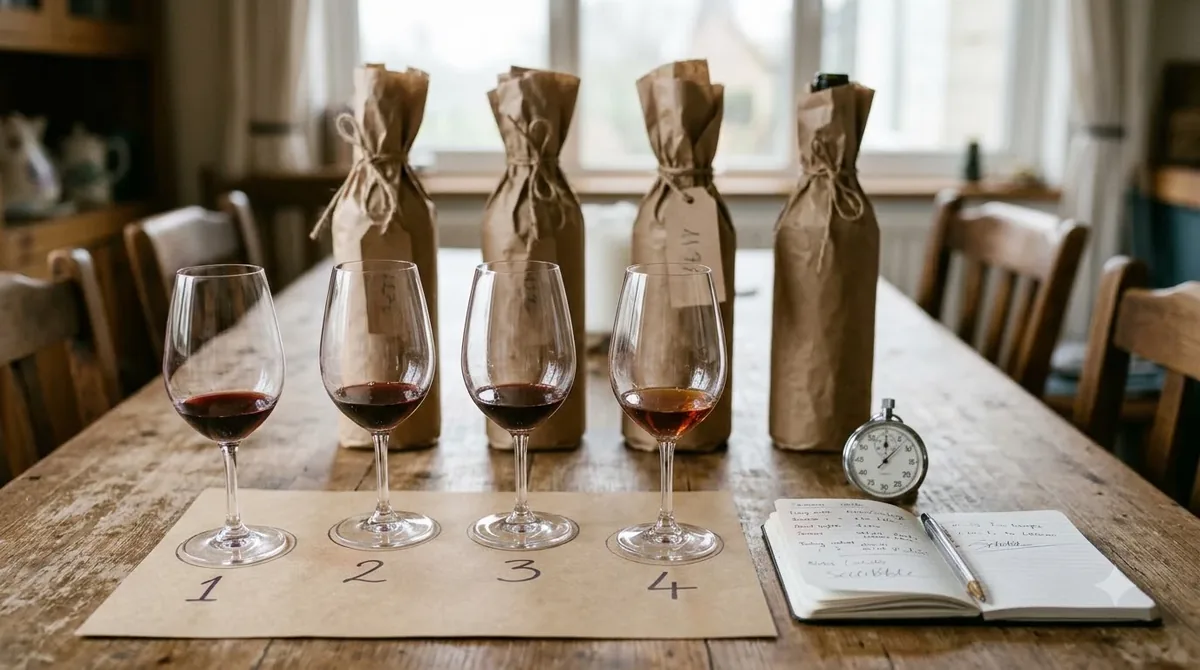
For a useful regional flight, compare Lodi, Dry Creek Valley, Amador County, and Paso Robles at the same temperature. Note differences in fruit color, acidity, tannin, alcohol, and oak rather than relying on county names alone. In a tasting article on regional styles, Wine Enthusiast’s Zinfandel master class contrasts concentrated bottlings at 14–17 percent alcohol with fresher examples at 12–14 percent.
Red Zinfandel, White Zinfandel, and Rosé
Red Zinfandel and White Zinfandel come from the same dark-skinned grape, but they are made in different styles. Red Zin is fermented with skin contact to extract color and tannin; White Zinfandel is a pink rosé that is usually lighter in body and often noticeably sweeter.
White Zinfandel is not a white grape wine. Its pale pink color comes from limited contact with the skins of red Zinfandel grapes. The style became widely known in the United States after a sweet version emerged at Sutter Home in the 1970s. It typically emphasizes strawberry, watermelon, raspberry, and gentle spice, with a softer texture and a sweeter finish than dry red Zinfandel.
Not every pink Zinfandel is sweet. Dry Zinfandel rosé can show crisp red berries, watermelon, citrus, and herbs; earlier picking and stainless-steel fermentation help preserve freshness. Compare a sweet White Zinfandel with a dry rosé made from the same grape, focusing on residual sugar, acidity, and finish rather than color alone.
White Zinfandel tasting notes help distinguish ripe strawberry and watermelon aromas from the sweetness created by residual sugar. Late-harvest Zinfandel is a separate, less common style; very ripe grapes can produce raisin, fig, blackberry syrup, and spice, sometimes with enough sweetness to accompany dessert. Since the color comes from the grape skins, not a white-skinned variety, the name can be misleading. Think of White Zinfandel as a rosé category with its own range of sweetness, from lightly off-dry to clearly sweet.
How to Taste and Serve Zinfandel
A simple tasting sequence helps identify Zinfandel’s fruit, spice, structure, and finish without being distracted by alcohol or oak. Serve full-bodied red Zinfandel at 60–65 degrees Fahrenheit, use a standard red wine glass, and give the wine a few minutes in the glass to open.
Begin with color, often deep ruby to purple in red Zinfandel, then swirl and smell. Identify a broad fruit family—red berries, dark berries, or cooked fruit—before looking for pepper, clove, anise, herbs, vanilla, or tobacco. On the palate, note body, fresh versus jammy fruit, and whether tannin feels smooth or gripping. Finish by assessing lingering spice, alcohol warmth, and refreshing acidity.
Temperature changes the impression. Too warm, and alcohol may seem more prominent; too cold, and aromas become less expressive while tannin can seem firmer. If the wine feels closed, try 20 to 30 minutes of air and taste again. A particularly dense young red may benefit from 30 to 60 minutes of decanting, while an older or delicate bottle needs a gentler approach. A useful note follows this order: appearance, aromas, palate, structure, and finish. A standard 5-ounce pour lets you assess a wine without filling the glass to the rim; a 750-milliliter bottle provides about five such servings. Swirl with enough space in the bowl to release aromas.
Food Pairings for Zinfandel
Zinfandel’s ripe fruit, peppery spice, and full body make it a natural match for boldly seasoned food. Grilled meats, barbecue, tomato-rich dishes, smoked vegetables, and flavorful cheeses can complement the wine without being overwhelmed by it.
Barbecue is a classic match: fruit meets sweet or smoky sauce, while pepper echoes a charred crust. Try Zinfandel with pork ribs, pulled pork, sausages, burgers, or brisket. Sweet glazes call for a wine with enough ripe fruit to meet them. Salt and fat soften tannin, so rich cuts and savory sauces can make a structured bottle feel smoother. Tomato-based pizza, lasagna, and braised dishes also work, especially with a Zin that has lively acidity.
For meatless meals, try charred eggplant, mushrooms, caramelized onions, roasted peppers, or baked beans. Smoked Gouda and aged cheddar can stand up to a bold red, while delicate cheeses may disappear. Match intensity: lighter Zinfandel suits roast chicken or pork tenderloin; dense, jammy examples fit ribs or slow-cooked beef. Oily fish is a poor partner for tannic reds, so choose crisp white wine or rosé instead.
Very hot chili can make alcohol and tannin feel more pronounced, so a moderate-alcohol Zin is often easier with spicy sausage or chili flakes. For a comparison with a firmer red, see petit verdot tasting notes; Petit Verdot is generally more tannic. The site’s Wine by Type section offers more grape profiles for comparing styles. For dishes with a sweet barbecue glaze, look for a fruit-forward Zin so the wine does not seem sour or thin beside the sauce. With salty, fatty meats, a wine with more grip can feel softer because the food reduces the impression of tannin.
Frequently Asked Questions
These common questions address Zinfandel’s history, sweetness, vineyard terminology, and aging potential. They also clarify details that can be difficult to identify from a bottle’s name alone.
Is Zinfandel always a sweet wine?
No. Most red Zinfandel is fermented dry, although ripe fruit can suggest sweetness. For a sweet late-harvest version served with dessert, the wine should be at least as sweet as the dish so it does not seem thin or sour.
Where did the name Zinfandel first appear in writing?
The earliest documented use of the name dates to 1832, when a Boston nursery owner advertised Zinfandel for sale. The grape reached California during the Gold Rush, between 1852 and 1857, and became closely associated with the state.
How are old Zinfandel vines traditionally pruned?
Many historic California Zinfandel vineyards use head-trained, bush-like vines rather than modern wire trellises. Zinfandel Advocates and Producers notes that old vines are head-pruned, with individual shapes and heights reflecting the way growers historically worked each vineyard.
Can Zinfandel age in the bottle?
Some concentrated, structured examples can develop over several years, gaining dried-fruit, leather, tobacco, and savory notes as youthful fruit changes. Lighter, simpler bottlings are usually intended for earlier drinking. Storage conditions and the wine’s balance matter more than the grape name alone.
Why can a Zinfandel rosé have such a vivid pink color?
Zinfandel has darkly pigmented skins, so a short period of skin contact can produce a strong pink hue. Wine Enthusiast notes that some rosé styles develop an azalea-like color after only a few minutes of contact. Longer skin contact extracts more color and tannin for red wine.
Zinfandel is easiest to understand as a family of styles rather than one fixed flavor profile. Start by identifying the fruit, then assess pepper and oak, and finish by judging acidity, tannin, body, and alcohol warmth. With those details in mind, regional differences and food pairings become much easier to recognize.
More in Wine Types & Grapes
 Zinfandel Sugar Content: Dry Red vs. White Zinfandel GramsUpdated Nov 21, 2026
 Best Zinfandel Substitute Options for Sipping and CookingUpdated Nov 21, 2026
 Zweigelt Food Pairing: Best Dishes, Cheeses, and Serving TipsUpdated Nov 21, 2026
 Zinfandel Tannins Explained: How Structure Shapes Every BottleUpdated Nov 21, 2026
 Zinfandel Sweetness Level: Dry Red vs. Sweet White Zin ExplainedUpdated Nov 21, 2026
 Xinomavro Food Pairing: Best Dishes, Styles, and Serving TipsUpdated Nov 21, 2026