

We may earn a commission when you buy through links on this page, at no extra cost to you. Learn more.
When asking is tempranillo sweet or dry, the answer is straightforward: Tempranillo is almost always fermented completely dry, containing virtually no residual sugar. While ripe, oak-aged expressions can trick your palate with plush flavors of cherry, dried fig, and sweet vanilla spice, the wine itself lacks actual sugar sweetness. Instead, it delivers a savory, medium-to-full-bodied profile anchored by firm tannins and refreshing acidity.
Confusion around Tempranillo’s sweetness usually comes down to how wine drinkers interpret fruitiness versus actual sugar on the tongue. If you are browsing Wine by Type looking for a structured red that pairs effortlessly with dinner rather than a sugary dessert pour, understanding how Tempranillo achieves its rich flavor profile will help you pick the exact bottle you want.
What Is Tempranillo?
Tempranillo is Spain’s flagship black grape variety and the backbone of some of Europe’s most celebrated red wines, originating in northern Spain’s Rioja and Navarra regions as far back as the 1500s. Its name derives from the Spanish word temprano, meaning “early,” a nod to the fact that the grapes ripen several weeks earlier than most other native Spanish red varieties.
Because the grape ripens early and produces thin-skinned berries in large bunches, winemakers can achieve full phenolic ripeness without letting sugars climb to extreme levels. During fermentation, yeast converts nearly all of the grape’s natural sugars into alcohol, typically landing between 13.5% and 15% ABV depending on the climate and vintage. The result is a firmly dry wine with medium-to-full body, medium-high tannins, and medium-high acidity.
While Tempranillo is overwhelmingly vinified as a dry red table wine, it occasionally plays a supporting role in other styles. In Portugal’s Douro Valley, where it is known as Tinta Roriz or Aragonês, it is one of the primary grapes blended into fortified, sweet Port wines. Outside of fortified blends and rare budget-friendly table blends with a touch of residual sugar, standard varietal Tempranillo bottles on retail shelves are strictly dry.
Flavor Profile and Styles: Why Dry Tempranillo Can Taste Fruity
The biggest reason drinkers wonder whether Tempranillo is sweet comes down to the contrast between fruit perception and residual sugar. In wine tasting, sweetness refers strictly to unfermented sugar left behind in the liquid, whereas fruitiness refers to aromatic compounds that remind your brain of ripe berries or orchard fruit.
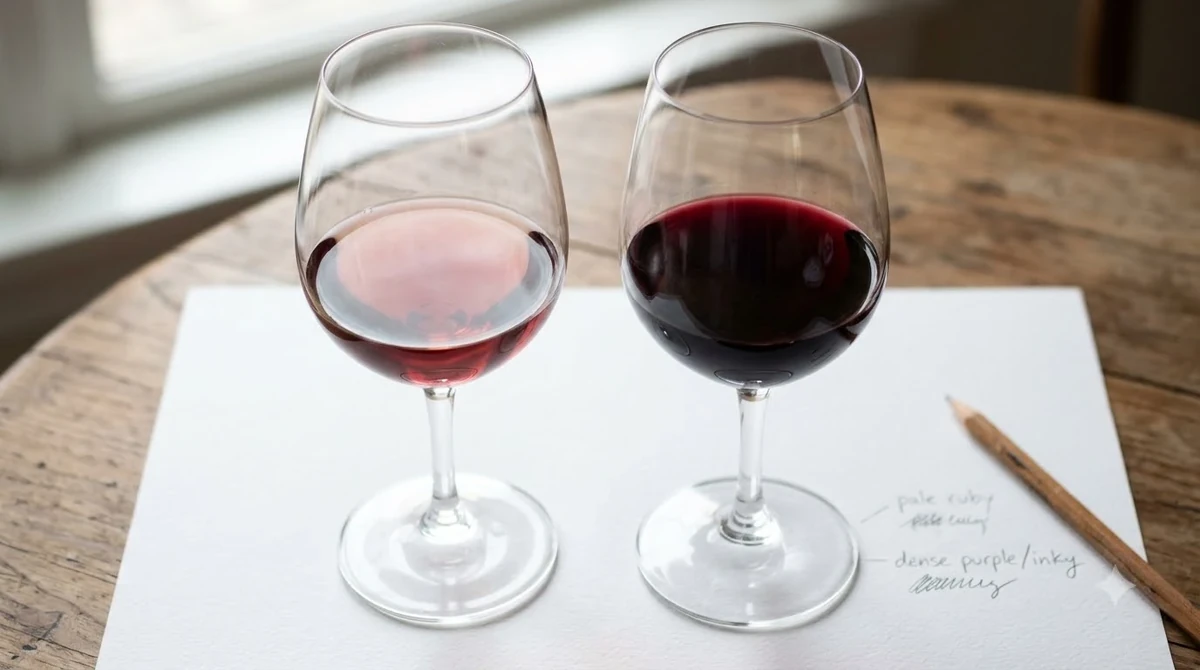
Young, unoaked or lightly oaked Tempranillo—often labeled as Joven or Roble in Spain—bursts with bright, juicy aromas of red cherry, raspberry, strawberry, and fresh plum. When those ripe fruit aromas hit your nose at the same time as warm alcohol, your brain can register a fleeting impression of sweetness, even though a laboratory test would show near-zero sugar. Unlike wines where residual sugar takes center stage—such as when evaluating is moscato sweet or dry—Tempranillo finishes crisp, savory, and clean.
Oak aging adds a second layer of perceived sweetness without adding a single gram of sugar. Spanish winemakers traditionally mature Tempranillo in American oak barrels, which impart distinct compounds like vanillin and lactones. Those barrel influences translate into comforting notes of vanilla, coconut, dill, cedar, and sweet baking spices. As the wine ages further in bottle, primary red fruits evolve into dried fig, leather, tobacco leaf, and savory roasted tomato.
| Aging Tier (Spain) | Minimum Aging Requirement | Sweetness Level | Primary Flavor & Texture Profile |
|---|---|---|---|
| Joven / Cosecha | Little to no oak aging | Dry | Bright cherry, raspberry, crisp acidity, lighter body, fresh grip |
| Crianza | 2 years total (at least 1 year in oak) | Dry | Ripe red plum, subtle vanilla, balanced tannins, savory herbs |
| Reserva | 3 years total (at least 1 year in oak) | Dry | Dried cherry, cedar, tobacco, baking spice, polished tannins |
| Gran Reserva | 5 years total (at least 2 years in oak) | Dry | Dried fig, leather, roasted nuts, sweet vanilla spice, silky texture |
Comparing these aging tiers makes it clear how dramatically barrel time shapes your glass. A young bottle feels snappy and tart, while a Gran Reserva feels plush, round, and velvety—yet every tier remains completely dry from start to finish.
Where Tempranillo Grows and How Terroir Shapes It
Although Tempranillo is planted across the globe, its spiritual home and benchmark growing regions remain in north-central Spain, where altitude and soil dramatically alter the wine’s structure. Understanding regional differences helps explain why one dry Tempranillo feels silky and fragrant while another feels muscular and dark.
According to Wine Folly’s comprehensive grape guide, Rioja is widely regarded as one of the world’s benchmark areas for Tempranillo, producing age-worthy wines that evolve into polished reds over ten to twenty years. Cooler nighttime temperatures in Rioja help the grape preserve natural acidity during ripening, keeping the finished wine lively and balanced. Winemakers there frequently blend Tempranillo with small percentages of Garnacha, Graciano, or Mazuelo to add aromatic lift and structure.
Further west along the Duero River, Ribera del Duero and Toro produce a noticeably bolder interpretation. Reviewers at Wine Enthusiast note that bottlings from Ribera del Duero and Toro—where the grape goes by local aliases Tinto Fino and Tinta de Toro—are more powerful, dark-hued, and concentrated than typical Rioja. Clay-based soils and intense daytime sun yield deeper color, higher alcohol, and firmer, grippier tannins.
Beyond Spain, Tempranillo has established strong footholds in Portugal’s Douro and Alentejo regions, Argentina’s Mendoza, and parts of California, Oregon, and Washington’s Yakima Valley. New World versions often emphasize riper dark berry fruit and supple tannins, yet winemakers in these regions still ferment the grape dry to preserve its food-friendly acidity.
How to Serve Tempranillo for Optimal Balance
Serving temperature and aeration play a decisive role in whether a dry Tempranillo tastes balanced or overly warm and heavy. Serving the bottle too warm exaggerates alcohol heat and dulls the refreshing acidity that keeps the wine tasting crisp.
Aim to serve Tempranillo slightly below standard room temperature, ideally between 58°F and 62°F (around 14°C to 17°C), with fuller-bodied aged bottlings comfortable up to 65°F. Placing the bottle in the refrigerator for 20 to 30 minutes before pulling the cork brings it right into the sweet spot, sharpening its red fruit aromatics and keeping the tannins firm rather than flabby.
Decanting also unlocks nuance depending on the wine’s age. Young, energetic bottles like Crianza or Ribera del Duero Roble benefit from 30 to 60 minutes in a decanter, which softens youthful tannins and allows savory herbal notes to emerge. Older Reserva and Gran Reserva bottles require a gentler touch: decant them briefly just before pouring to separate fine sediment without letting delicate dried-fruit and leather aromas fade.
Tip: If a young Tempranillo tastes overly tight or astringent right after opening, swirl it vigorously in a large Bordeaux-style bowl for a few minutes—oxygen quickly softens its grippy tannins and brings out the underlying cherry fruit.
Best Food Pairings for Dry Tempranillo
Because Tempranillo combines dry, savory depth with medium-high acidity and structured tannins, it is one of the most versatile dinner wines on the table. Its lack of residual sugar ensures it never clashes with salty, smoky, or herbaceous dishes.
Bold, oak-aged Tempranillo styles—such as Rioja Reserva or Ribera del Duero—shine alongside rich proteins like grilled ribeye steak, roasted rack of lamb, braised short ribs, and gourmet burgers. The wine’s firm tannins bind to the fats and proteins in red meat, cleansing your palate between bites while accentuating the meat’s savory crust.
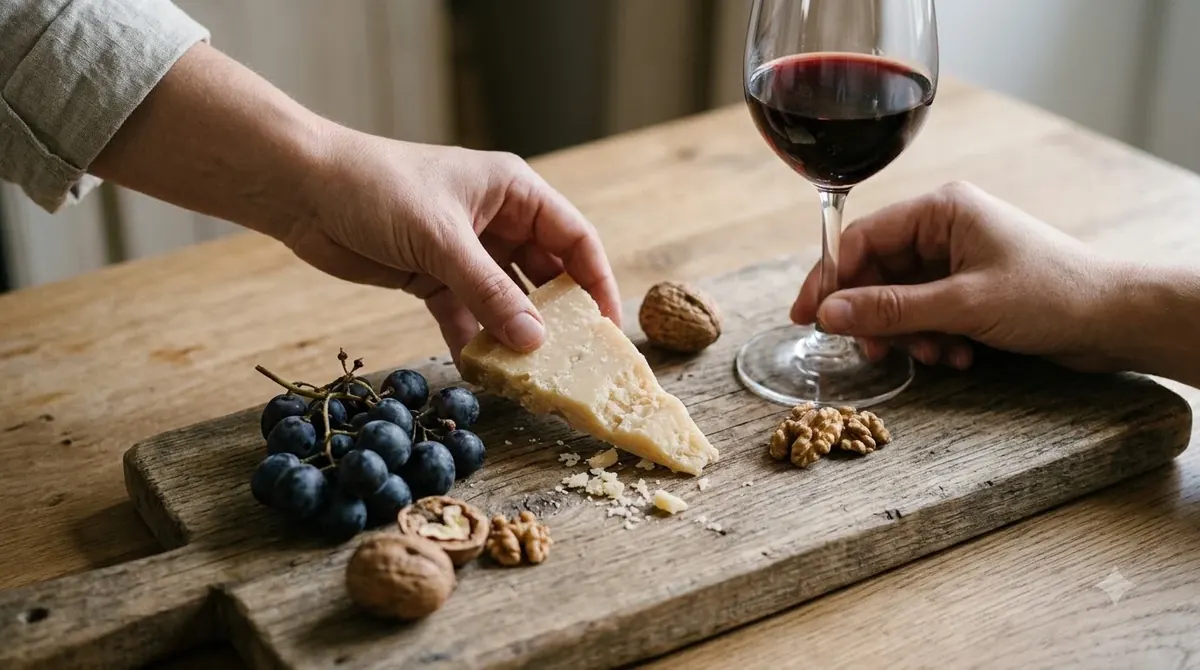
Younger, brighter styles with higher perceived acidity pair effortlessly with tomato-based dishes, roasted vegetables, and classic Spanish tapas. Try pouring a fresh Joven or Crianza alongside baked pasta with sausage, wood-fired pizza, smoky chorizo, jamón ibérico, or aged sheep’s milk cheeses like Manchego. The savory, earthy undertones of the wine echo smoky paprika and cured meats without overwhelming delicate flavors.
How to Choose the Right Bottle of Tempranillo
Shopping for Tempranillo becomes much easier once you know how to decode Spanish aging labels and regional cues. Because virtually every varietal bottle is dry, your main decision is choosing between bright fruitiness and rich, oak-matured complexity.
If you prefer lighter-to-medium-bodied reds with vibrant cherry fruit and lively acidity—similar in weight to Pinot Noir or Sangiovese—look for Rioja labeled Joven or Crianza, or youthful bottlings from Navarra and California. These wines prioritize fresh berry character and subtle spice over heavy barrel influence.
If you gravitate toward full-bodied, velvety reds with pronounced oak spice and savory depth—closer to Cabernet Sauvignon or Merlot—reach for Rioja Reserva, Gran Reserva, or bottlings from Ribera del Duero and Toro. Checking the back label for the exact aging classification and regional appellation gives you a reliable roadmap to the wine’s texture before you ever pull the cork.
Frequently Asked Questions
Is Tempranillo sweeter than Cabernet Sauvignon or Merlot?
No, Tempranillo is fermented dry just like standard Cabernet Sauvignon and Merlot, containing negligible residual sugar. However, Tempranillo often exhibits brighter red cherry fruit and sweet vanilla notes from American oak aging, which can make it taste slightly more fruit-forward on the mid-palate.
Is Tempranillo Rosé sweet or dry?
Spanish Tempranillo rosé—labeled as rosado—is almost always made in a crisp, bone-dry style bursting with strawberry, watermelon, and tart cherry notes. Just as when exploring is rose sweet or dry in general, checking the alcohol percentage and origin helps confirm dryness, as Spanish rosados typically sit around 12.5% to 13.5% ABV with zero sugary finish.
Why does my bottle of Rioja taste like vanilla and coconut if it has no sugar?
Those dessert-like aromas come from oak barrel aging rather than grape sugar. Spanish winemakers frequently age Rioja Tempranillo in American white oak barrels, which naturally release aromatic compounds called oak lactones and vanillin into the wine as it matures.
How does Tempranillo’s dryness compare to sparkling wines like Brut Champagne?
Both wines taste thoroughly dry, though they achieve that sensation differently. While Tempranillo is fermented completely dry with zero added sugar, understanding is brut champagne sweet or dry shows that Brut sparkling wines allow a tiny dosage of sugar up to 12 grams per liter to balance their razor-sharp acidity.
Whether you choose a vibrant young Crianza or a cedar-scented Gran Reserva, Tempranillo delivers the rewarding complexity of a dry, food-friendly red wine. Paying attention to regional origin and barrel aging tiers lets you match the bottle’s fruit intensity and tannin grip to whatever is on your dinner menu.
More in Wine Types & Grapes
 What Does Ruby Port Taste Like? Flavor Notes, Styles, and Serving TipsUpdated Nov 21, 2026
 What Does Ribolla Gialla Taste Like? Crisp White and Amber Styles ExplainedUpdated Nov 21, 2026
 What Does Semillon Taste Like? Flavor Profile, Styles & PairingsUpdated Nov 21, 2026
 What Does Scuppernong Taste Like? Flavor, Styles, and Pairing GuideUpdated Nov 21, 2026
 What Does Saperavi Taste Like? Flavors, Styles, and Pairing GuideUpdated Nov 21, 2026
 What Does Natural Wine Taste Like? Flavors, Styles, and Serving TipsUpdated Nov 21, 2026