

We may earn a commission when you buy through links on this page, at no extra cost to you. Learn more.
Learning how to serve tempranillo properly comes down to chilling the bottle slightly to 60–68°F (15–20°C), pouring into a universal or standard medium-to-large red wine glass, and decanting oak-aged expressions for 30 to 60 minutes. Lighter, unoaked styles like Joven perform best toward the cooler end of that range with little to no aeration, while structured Reserva and Gran Reserva bottlings benefit from a touch more warmth and air to soften tannins and release savory notes of leather, cedar, and dried cherry. If you are pouring a Tempranillo rosé (rosado), chill it thoroughly to 44–46°F before serving.
Because Tempranillo spans everything from bright, fruit-driven Spanish table reds to complex, barrel-aged bottles that cellar for decades, a one-size-fits-all approach at the table can dull its best qualities. Serving it at typical room temperature—often above 70°F in heated or air-conditioned American homes—accentuates alcohol heat and flattens its natural acidity, whereas giving the wine a brief chill and appropriate glassware brings its balance of red fruit, spice, and earthy structure into sharp focus.
What Tempranillo Is
Tempranillo is Spain’s flagship black grape variety, responsible for the country’s most celebrated red wines and accounting for over 80 percent of its global vineyard plantings. Named after the Spanish word temprano (“early”), the grape ripens earlier in the harvest season than many neighboring Iberian varieties.
In the vineyard, Tempranillo produces large grape bunches with relatively thin skins, which yields wines ranging in color from translucent medium ruby in youth to brick-rimmed garnet after extended barrel and bottle aging. According to Wine Folly’s comprehensive grape guide, the grape is moderately drought-resistant, loves sunshine, and relies on cool nighttime temperatures to preserve natural acidity during ripening. When grown in clay-based soils, it develops firmer tannins and deeper color concentration.
Structurally, Tempranillo occupies a versatile middle ground among major red wine types. It typically carries 13% to 14.5% ABV, medium-plus tannins, and medium-minus acidity, giving it a taste profile that bridges the bright cherry-and-tomato snap of Italian Sangiovese with the structured, oak-friendly frame of Cabernet Sauvignon. If you want to order a bottle confidently at a restaurant or wine shop, brushing up on how to pronounce Tempranillo (temp-rah-nee-yo) is just as helpful as knowing how to pour it.
Flavor Profile and Aging Styles
Young, unoaked Tempranillo bursts with fresh red fruit—think tart cherry, strawberry, plum, and red tomato—while oak-aged bottles weave in vanilla, dill, clove, cedar, tobacco, and dusty leather. Because Spanish winemakers traditionally classify bottles by aging time, the label tells you directly how the wine will taste and how much air it needs before pouring.
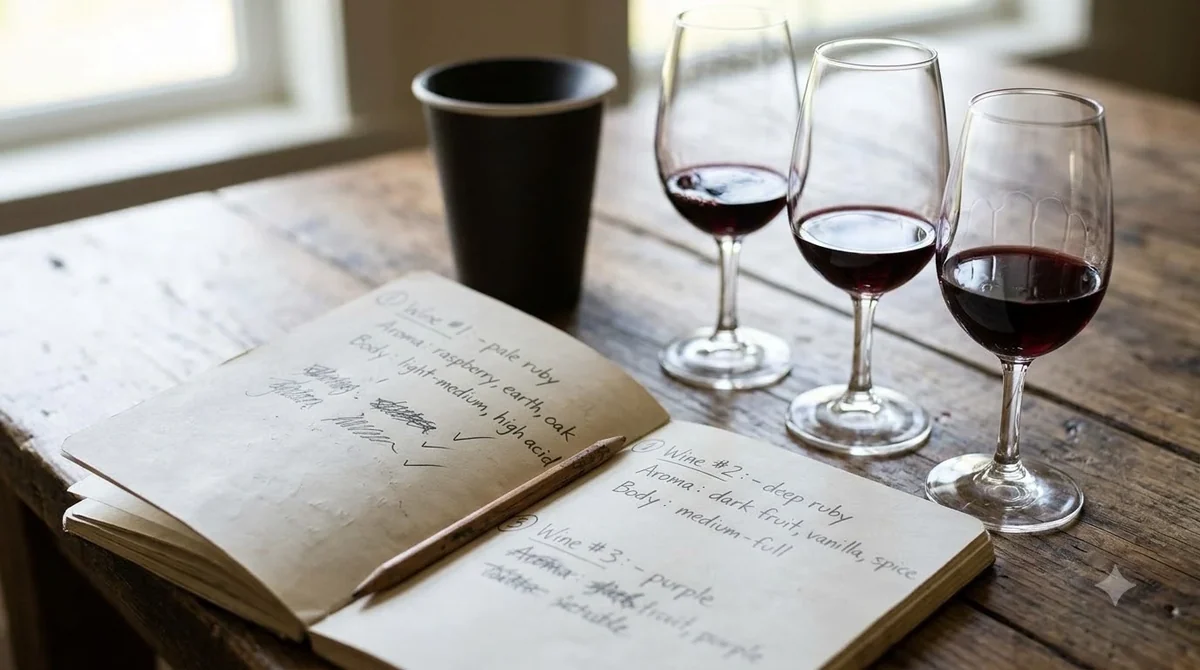
At the youngest end of the spectrum sits Vin Joven (or simply Joven), which sees little to no oak aging and is released shortly after harvest for immediate drinking. Stepping up in structure, Crianza reds must age for at least two years prior to release, including a minimum of six months in oak barrels—traditionally American oak, which imparts distinct notes of sweet vanilla, coconut, and baking spice alongside lively cherry fruit.
For greater depth and savory complexity, Reserva bottlings require at least three years of total aging with a minimum of one year in oak, trading primary fruit intensity for dried fig, roasted herbs, and supple tannins. At the top tier, Gran Reserva is produced only in standout vintages and ages for a minimum of five years—including at least 18 months in oak, though many wineries extend barrel aging to 20 to 30 months—resulting in an aromatic, silky red layered with leather, dried fruit, and warm spice. Producers also craft crisp, dry Tempranillo rosado (rosé), which highlights vibrant berry fruit without barrel influence.
Where Tempranillo Grows
While Spain remains the undisputed heartland of Tempranillo, the grape thrives across several international wine regions and frequently appears under local regional synonyms. Knowing these names helps you recognize the grape on labels and anticipate its body and ripeness level when setting serving temperatures.
In northern Spain, Rioja—shielded by a mountain ridge to the north—produces balanced, aromatic reds built for graceful aging, whereas Ribera del Duero experiences hotter summers that yield darker, more concentrated, and fuller-bodied expressions under the local name Tinta del País or Tinta Fina. Farther west in Toro, warm growing conditions turn the grape (known locally as Tinto del Toro) into a muscular, high-extract red, while central regions like Valdepeñas offer supple, everyday bottles.
Beyond Spain, Tempranillo plays a major role in Portugal, where it is called Tinta Roriz in the Douro Valley—serving as a key blending grape in Port as well as dry reds—and Aragonez in Alentejo. New World winemakers have also embraced the variety in Argentina, Australia, and the United States (notably in Texas, Oregon, California, and Washington), where sunny days and cool nights echo its native Iberian climate.
How to Serve Tempranillo Step by Step
Getting the best from a bottle of Tempranillo requires matching temperature, aeration, and glassware to the wine’s age and oak regimen. Treating a crisp Joven the same way as a decade-old Gran Reserva either masks delicate fruit or leaves firm tannins feeling tight and astringent.
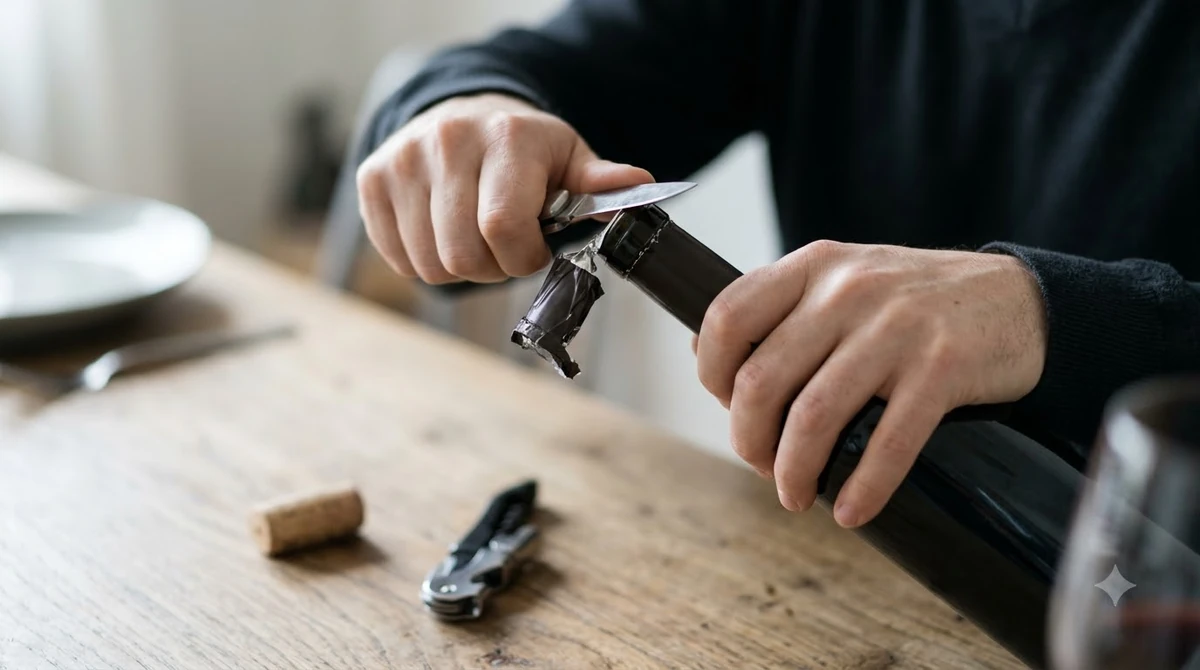
1. Dial in the serving temperature: Reviewers at Wine Enthusiast note that around 60–65°F is a reliable target for most Tempranillo styles, within an overall red-wine window of 60–68°F (15–20°C). Serve fruit-forward Joven and light Crianza bottles at the cooler end (60–62°F) by placing them in the refrigerator for 20 to 30 minutes before opening. Serve fuller-bodied Ribera del Duero, Reserva, and Gran Reserva bottles slightly warmer at 64–68°F so their savory aromatics fully unfurl, and chill Tempranillo rosé thoroughly to 44–46°F (about two hours in the fridge), similar to how you serve Pinot Grigio.
2. Decant based on age and oak: Young, unoaked Tempranillo and rosé need no decanting—simply uncork and pour. For Crianza and medium-bodied reds, 30 minutes in a standard glass decanter or wide pitcher softens youthful edges and opens up the nose. For structured Reserva, Gran Reserva, and dense Ribera del Duero bottlings, decant for 45 to 60 minutes before dinner; if you are opening a very old Gran Reserva (15 years or older), decant gently just before serving mainly to separate fine sediment without over-exposing fragile tertiary aromas to oxygen.
3. Choose the right glass and pour: A universal wine glass or a standard medium-to-large Bordeaux-style red bowl (17 to 25 ounces) gives Tempranillo enough surface area to breathe while concentrating its vanilla, cherry, and leather aromatics toward the rim. Pour a standard 5-ounce serving so the wine sits well below the widest part of the bowl, and always hold the glass by the stem so body heat does not push the wine above 70°F, where alcohol evaporation begins to overpower subtle fruit and spice.
| Tempranillo Style | Ideal Serving Temp | Decanting Time | Glassware |
|---|---|---|---|
| Tempranillo Rosado (Rosé) | 44–46°F (7–8°C) | None (serve straight from chill) | White wine or universal glass |
| Vin Joven (Unoaked Red) | 60–62°F (15.5–16.5°C) | None (pop and pour) | Universal wine glass |
| Crianza | 61–64°F (16–18°C) | 30 minutes | Universal or standard red glass |
| Reserva & Ribera del Duero | 64–66°F (18–19°C) | 45–60 minutes | Medium-to-large red wine glass |
| Gran Reserva | 65–68°F (18.5–20°C) | 60 minutes (or brief sediment decant if 15+ years old) | Large bowl red wine glass |
Tip: Never store or rest a bottle of Tempranillo near the stove or on top of the refrigerator before dinner—if a bottle feels warm to the touch, 15 minutes in an ice-water bucket brings it straight down to cellar temperature.
Food Pairing Ideas for Tempranillo
Tempranillo’s balance of savory earthiness, moderate acidity, and supple tannins makes it one of the most adaptable food wines at the dinner table. Rather than overwhelming dishes with heavy sweetness or harsh astringency, it bridges traditional Spanish tapas and everyday American comfort foods alike.
Lighter and unoaked styles (Joven and Rosado): Bright cherry fruit and lively freshness make Joven an effortless partner for Spanish tapas—jamón serrano, chorizo, garlic mushrooms, blistered padron peppers, and tortilla española—as well as pizza, baked pasta, and tomato-based sauces. Tempranillo rosé pairs cleanly with mixed paella, grilled shrimp, and vegetable grain bowls.
Oak-aged and mature styles (Crianza, Reserva, and Gran Reserva): Once vanilla, cedar, and leather enter the picture, Tempranillo shines alongside smoky, roasted, and fat-rich proteins. Rack of lamb, grilled lamb chops, ribeye steak, gourmet burgers, and barbecued ribs all benefit from the wine’s tannins cutting through richness while echoing charred, savory flavors. Aged sheep’s milk cheeses—especially nutty Manchego aged at least six months—along with roasted root vegetables, polenta, and smoky Mexican dishes like carne asada tacos also hit the mark. Avoid pairing tannic Reserva reds with delicate white fish (which can turn metallic) or fiery chili-heavy dishes that amplify alcohol warmth.
How to Choose a Bottle of Tempranillo
Choosing the right bottle starts with matching the Spanish aging designation or regional origin on the label to your meal and timeline. Because Spanish regulations enforce strict minimum aging rules, the front or back label gives you reliable clues even before you pull the cork.
For weeknight pizza, tacos, or casual charcuterie, look for bottles labeled Joven, Roble (a term often used in Ribera del Duero for wines with brief oak contact), or Crianza, which deliver immediate juiciness and gentle oak spice without requiring long decanting. If you are planning a weekend roast, grilled lamb, or braised short ribs, reach for a Reserva or a concentrated Ribera del Duero bottling, which offers deeper structure and savory complexity. Save Gran Reserva bottles for celebratory dinners or aged hard cheeses, and always check the vintage year and fill level on older bottles to ensure proper storage.
Frequently Asked Questions
Should Tempranillo be chilled before serving?
Yes, red Tempranillo should be served slightly chilled at 60–68°F (15–20°C) rather than warm room temperature. Placing the bottle in the refrigerator for 20 to 30 minutes before opening keeps alcohol heat in check and highlights the wine’s fresh cherry fruit and acidity.
How long should you decant Tempranillo?
Decanting time depends on oak aging and structure: unoaked Joven and rosé need no decanting, Crianza benefits from about 30 minutes of air, and full-bodied Reserva, Gran Reserva, or Ribera del Duero bottles open up best after 45 to 60 minutes in a decanter. Very old Gran Reserva bottles (15+ years) only need a brief decant to clear sediment.
What type of wine glass is best for Tempranillo?
A universal wine glass or a standard medium-to-large Bordeaux-style red wine glass works best for Tempranillo. The generous bowl allows oxygen to soften medium-plus tannins while funneling aromas of red cherry, vanilla, cedar, and leather toward the rim.
How long does an opened bottle of Tempranillo last?
Once opened, re-corked Tempranillo stays fresh for about 3 to 5 days when stored upright in the refrigerator. Cold temperatures slow down oxidation, so simply pull the bottle out 30 to 45 minutes before pouring your next glass to let it warm back to 60–65°F.
Mastering how to serve Tempranillo comes down to three simple habits: give the bottle a light chill below room temperature, tailor your decanting window to the aging tier on the label, and pour into a roomy stemware bowl. With those fundamentals in place, every bottle—from a crisp young Rioja to a silky, leather-scented Gran Reserva—will show its full balance of vibrant fruit and savory Spanish character.
More in Wine Types & Grapes
 Zinfandel Sugar Content: Dry Red vs. White Zinfandel GramsUpdated Nov 21, 2026
 Best Zinfandel Substitute Options for Sipping and CookingUpdated Nov 21, 2026
 Zweigelt Food Pairing: Best Dishes, Cheeses, and Serving TipsUpdated Nov 21, 2026
 Zinfandel Tannins Explained: How Structure Shapes Every BottleUpdated Nov 21, 2026
 Zinfandel Sweetness Level: Dry Red vs. Sweet White Zin ExplainedUpdated Nov 21, 2026
 Xinomavro Food Pairing: Best Dishes, Styles, and Serving TipsUpdated Nov 21, 2026