

We may earn a commission when you buy through links on this page, at no extra cost to you. Learn more.
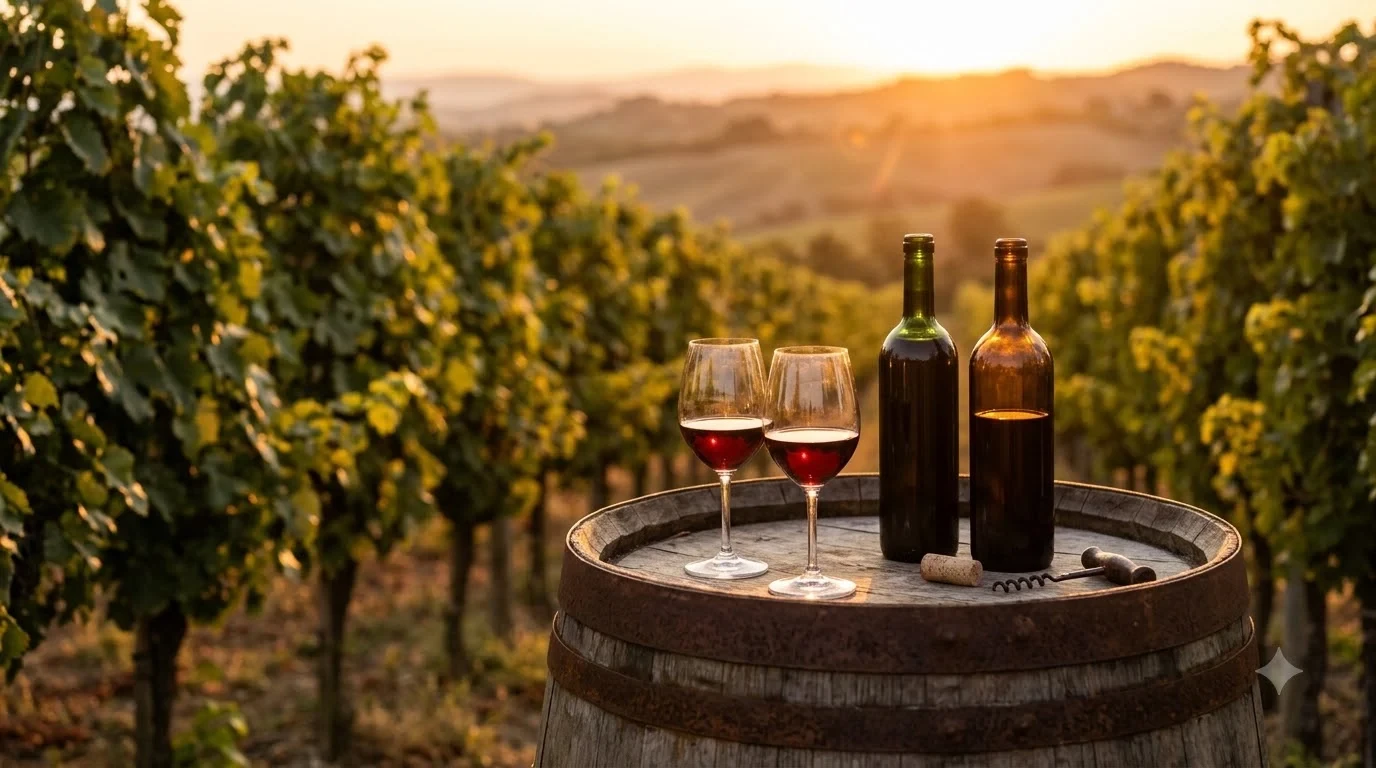
Is hess wine good? Yes, Hess makes good-quality California wines, particularly its Cabernet Sauvignon, approachable Hess Select bottles, and more distinctive Napa Valley offerings. The brand covers several styles and quality levels, so the right bottle depends on your budget, preferred grape, and occasion. Hess Select is a sensible starting point for everyday drinking, while the Hess Collection offers more vineyard-focused Napa Valley wines for people seeking greater depth and structure.
Hess is a familiar name in American wine, but its portfolio can be confusing because several collections sit under the same winery umbrella. A California Cabernet Sauvignon intended for casual dinners is a different proposition from a mountain-grown Napa Valley Cabernet designed for a more substantial meal. Understanding those differences makes it easier to decide whether a Hess bottle belongs on your table. This guide examines the winery’s background, wine styles, quality indicators, food pairings, and practical buying considerations.
Who This Is For
Hess wines are worth considering for people who enjoy recognizable California grape varieties, fruit-forward reds, and a selection that ranges from approachable everyday bottles to more ambitious Napa Valley wines. The brand is especially relevant to Cabernet Sauvignon drinkers who want a recognizable California producer without assuming every bottle will have the same character or price category.
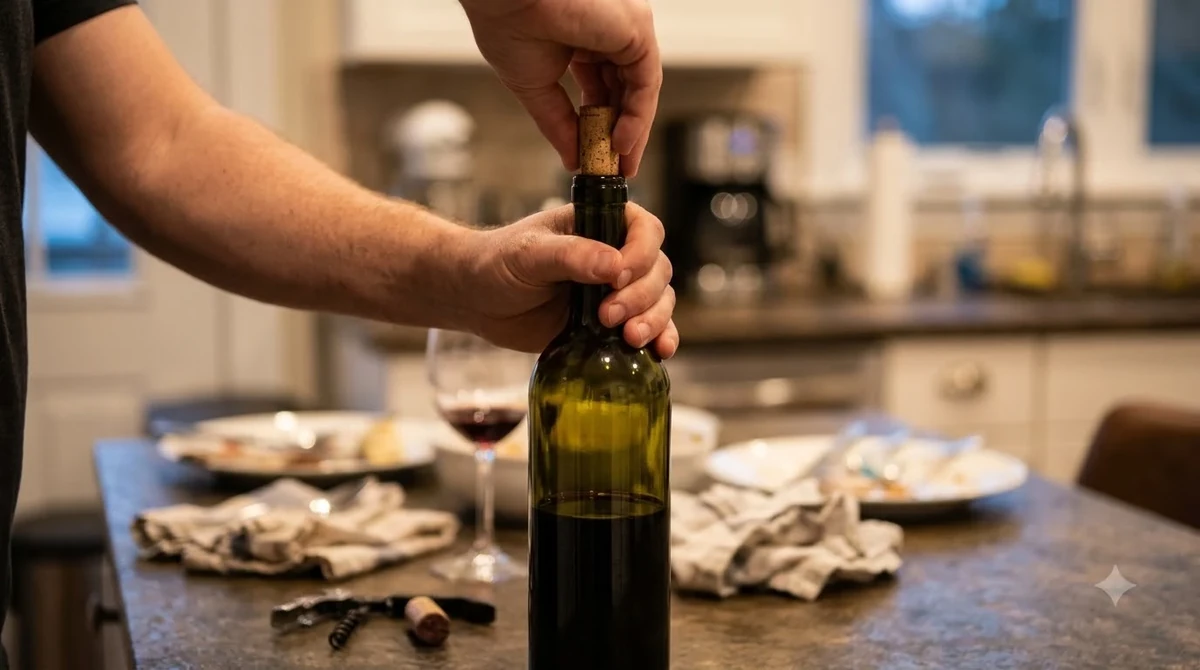
Casual wine drinkers may find Hess Select a convenient introduction. Its California-sourced portfolio includes Cabernet Sauvignon, Pinot Noir, Chardonnay, Pinot Gris, Sauvignon Blanc, and a red blend. That selection gives households several options without requiring them to learn the differences between numerous small appellations or specialist producers. The winery describes Hess Select as an everyday range made with grapes grown throughout California and sourced through relationships with grower families.
More experienced wine drinkers may be interested in the Hess Collection’s Napa Valley and Mount Veeder offerings. These wines place greater emphasis on vineyard origin, estate fruit, and the character of individual growing areas. The winery’s portfolio includes mountain-grown Cabernet Sauvignon and other wines that appeal to people who enjoy structured reds with more defined regional character.
Hess may also suit hosts planning a dinner party. Cabernet Sauvignon works naturally with steak, lamb, and hard cheeses, while Chardonnay can accompany roasted chicken and richer seafood preparations. Sauvignon Blanc provides a different direction for lighter meals, salads, and dishes with fresh herbs.
However, Hess is not automatically the right choice for everyone. Someone who prefers delicate, low-tannin reds may find a full-bodied Cabernet too powerful. Likewise, drinkers who primarily enjoy sweet wines should distinguish between the winery’s dry table wines and sweeter styles from other producers.
The best starting point is to identify the type of wine you already enjoy. If you regularly choose California Cabernet Sauvignon, Hess is a reasonable brand to explore. If your preference is lighter Pinot Noir or crisp Sauvignon Blanc, its portfolio offers alternatives without requiring you to switch producers.
Key Factors to Compare
The most useful way to evaluate Hess is to compare grape variety, regional origin, blend composition, aging, and independent critical feedback. These details provide a better indication of what you are buying than the winery name alone.
Start with the distinction between Hess Select and the more geographically focused Hess Collection. Hess Select draws from vineyards throughout California, whereas the estate-oriented wines highlight Mount Veeder and Napa Valley fruit. The difference matters because California-wide sourcing generally offers a broader blending palette, while a named Napa Valley origin gives more information about where the grapes were grown.
| Comparison factor | Hess Select Cabernet | Hess Collection Cabernet |
|---|---|---|
| Geographic focus | California | Napa Valley and Mount Veeder |
| Main grape | Cabernet Sauvignon | Cabernet Sauvignon |
| Blending example | 89% Cabernet, 8% Petite Sirah, 3% Malbec | Varies by bottling |
| Alcohol example | 13.5% ABV | Varies by bottling |
| Aging example | 18 months for the 2023 bottling | Varies by bottling |
| Best starting point | Everyday California Cabernet drinkers | Drinkers seeking Napa Valley character |
The figures in the Hess Select column refer specifically to the winery’s 2023 Cabernet Sauvignon, not every Hess Select wine. According to the producer, that vintage contains 89% Cabernet Sauvignon, 8% Petite Sirah, and 3% Malbec. Its 13.5% alcohol content and 18 months of aging provide useful reference points when evaluating that particular bottling.
Independent reviews are another helpful consideration. Wine Enthusiast awarded the 2022 Hess Select Cabernet Sauvignon 90 points and classified it as a Best Buy. Its review describes a combination of blackberry, Bing cherry, fennel seed, red licorice, orange zest, vanilla cream, and dry tannins. The publication’s scoring system places 90 to 93 points in its Excellent category.
That result supports the case for Hess Select as a worthwhile California Cabernet, but it should not be interpreted as a universal score for every Hess wine. Different vintages, vineyards, and grape varieties can produce different results. For additional context, read the Wine Enthusiast assessment of Hess Select Cabernet Sauvignon rather than assuming that one review applies to the entire range.
Finally, consider how much structure you enjoy. Cabernet Sauvignon naturally has high tannin, which creates a drying sensation on the gums and tongue. Petite Sirah can contribute additional color and structure to a blend, while Malbec can add dark fruit character. If you prefer a softer experience, Pinot Noir or Chardonnay may be a better starting point.
Step-by-Step: How to Choose a Hess Bottle
Choosing a Hess wine becomes easier when you follow a few practical steps instead of selecting a bottle solely by its label. Start with your preferred style, narrow the regional category, and then consider the meal or occasion.
-
Decide whether you want red or white wine.
For a rich red, start with Cabernet Sauvignon or a red blend. For a lighter red, consider Pinot Noir. Chardonnay offers a fuller white-wine experience, while Sauvignon Blanc is generally the more refreshing choice for people who prefer brighter acidity.
-
Choose between everyday California wine and Napa Valley wine.
Hess Select is the straightforward entry point for someone seeking California wine with broad appeal. The Hess Collection is more appropriate when vineyard origin and Napa Valley character are priorities. Do not assume that every wine carrying the Hess name comes from the same vineyard source.
-
Read the grape composition.
A Cabernet Sauvignon label identifies the dominant grape style, but the blend can influence the final wine. The 2023 Hess Select Cabernet, for example, combines Cabernet Sauvignon with Petite Sirah and Malbec. A red blend such as Treo provides another option for people who enjoy wines built around multiple grape varieties.
-
Consider the occasion.
A straightforward California Cabernet can work for a weekend dinner, grilled burgers, or a casual gathering. A more geographically specific Napa Valley Cabernet may make more sense for a formal meal, a wine-focused gift, or a special dinner where the bottle deserves more attention.
-
Check independent vintage reviews.
Look for comments about fruit concentration, tannin, acidity, oak, and finish. A 90-point review is useful evidence for a particular bottle, but it does not guarantee that another vintage will taste identical. Pay attention to the review’s actual flavor description rather than relying entirely on the score.
-
Match the wine with your food.
Cabernet Sauvignon is a natural companion to grilled steak and lamb. Pinot Noir can be easier to pair with roasted poultry and mushroom dishes. Chardonnay suits roasted chicken and creamy preparations, while Sauvignon Blanc works well with herb-driven dishes and fresh vegetables.
-
Choose the serving conditions before opening.
Have a suitable glass ready and avoid serving full-bodied reds excessively warm. A young Cabernet may benefit from 30 to 60 minutes of aeration, especially if its tannins seem firm immediately after opening.
Tip: If you are buying Hess for the first time, start with a Cabernet Sauvignon if you enjoy bold California reds, or choose Pinot Noir if you prefer softer tannins. Compare the actual grape variety and regional designation before moving into the more specialized Napa Valley selections.
This process also helps avoid a common buying mistake: treating a familiar producer as though it makes one uniform style of wine. The distinction between a California-wide blend and an estate-focused Mount Veeder bottling can be more important than the shared winery name.
Types or Styles Explained
Hess offers several wine categories, and the most useful starting distinction is between the Hess Select range, the Hess Collection, and the separate Lions Head Collection. Each has a different role in the broader portfolio, giving buyers options from approachable California wines to more specialized releases.
Hess Select: This is the most straightforward introduction to the producer. The winery sources grapes throughout California and offers several familiar varieties. Cabernet Sauvignon is a particularly relevant option for people who enjoy ripe dark fruit, oak influence, and noticeable tannin. Pinot Noir provides a lighter red alternative, while Chardonnay, Pinot Gris, and Sauvignon Blanc cover different white-wine preferences.
The Hess Select Cabernet Sauvignon is a useful example of the style. The producer describes blackberry, black cherry, cassis, vanilla, and baking spices. Its 2023 bottling uses 27% new French and American oak in its cooperage, alongside an 18-month aging period. These details help explain why the wine can show both ripe fruit and toasted oak characteristics.
The Hess Collection: This category is associated with estate vineyards and more geographically focused wines. Mount Veeder is particularly important to the winery’s identity. The area’s mountain setting and challenging growing conditions are part of the producer’s explanation for its emphasis on structured, distinctive Cabernet Sauvignon.
Within the broader collection, the winery also identifies Estate, Allomi, and Icon categories. Estate wines emphasize sustainably farmed vineyard sources on Mount Veeder and throughout Napa Valley. Allomi highlights wines connected to the Allomi vineyard’s soils and microclimates, while Icon represents a more ambitious expression associated with the Hess family lion emblem.
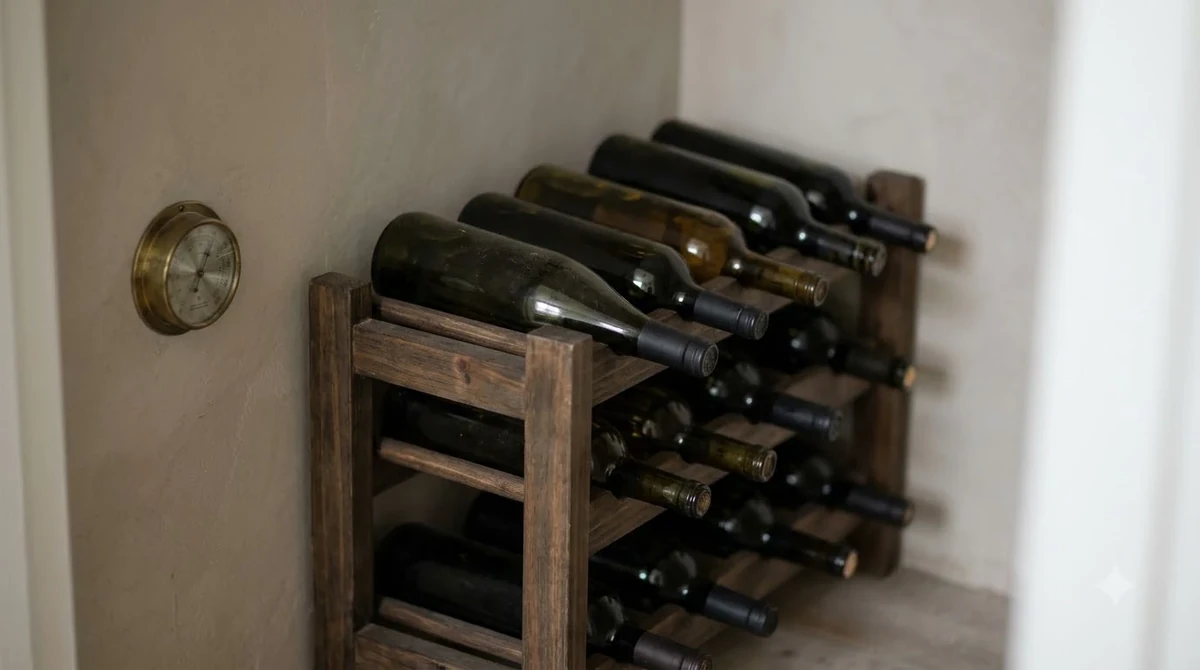
Lions Head Collection: This portfolio includes Lion Tamer, Panthera, and the Small Block Series. According to the winery, these wines use contemporary winemaking technology and blending practices to express distinctive growing regions in Napa Valley and beyond.
The Small Block Series is especially different from the broad California-sourced Select range because the winery describes these wines as exclusive releases made from small-lot vineyards. This is a category for people who want to explore more specialized bottlings rather than simply find a familiar bottle for dinner.
Red wines: Cabernet Sauvignon is the natural choice for drinkers who want substantial structure. Its high tannin level makes it especially compatible with protein-rich meals and fatty foods. Red blends can offer a different balance of fruit, body, and texture depending on their grape composition.
White wines: Chardonnay generally has medium acidity and can provide a fuller mouthfeel than Sauvignon Blanc. Sauvignon Blanc is usually more refreshing and higher in acidity. Pinot Gris offers another alternative for drinkers who prefer a white wine that can work with lighter meals without the richness of a full-bodied Chardonnay.
For a closer look at the available categories and regional distinctions, the Hess wine selection provides a useful starting point. Buyers who already know they prefer red wine can also narrow their research through the Hess red wine range.
Common Mistakes
The biggest mistake when buying Hess is assuming that all bottles under the same producer name offer identical quality, flavor, and regional character. A little attention to the label and wine style prevents most disappointing purchases.
Confusing Hess Select with Napa Valley estate wine: Hess Select uses grapes from throughout California. A Mount Veeder or Napa Valley designation communicates a more specific regional origin. Both categories can make good wine, but they are not interchangeable descriptions.
Judging every vintage by one review: Wine Enthusiast’s 90-point review of the 2022 Hess Select Cabernet Sauvignon is useful evidence for that specific wine. It does not establish that every earlier or later release has the same aroma, texture, or overall quality. Weather, harvest conditions, blending decisions, and aging can all affect the finished wine.
Expecting Cabernet Sauvignon to taste soft and light: Cabernet has naturally high tannin, and this characteristic is part of its appeal. People who prefer delicate reds may find it too structured, especially alongside light meals. Pinot Noir is generally a better option for someone seeking lower tannin and higher acidity.
Assuming oak always means sweetness: Oak can contribute aromas associated with vanilla, toast, baking spices, and wood. These aromas do not necessarily mean that the wine contains significant residual sugar. A dry Cabernet can have ripe fruit flavors and vanilla-like oak notes without being a sweet wine.
Serving red wine too warm: A full-bodied Cabernet served at a warm room temperature can seem heavier and more alcoholic than intended. The usual serving target for full-bodied reds is 60 to 65 degrees Fahrenheit. Slightly cooling the bottle can help preserve balance and make the wine more refreshing.
Pairing tannic red wine with delicate seafood: Cabernet Sauvignon is not an ideal match for oily fish such as salmon or tuna in every preparation, particularly when the dish is lightly seasoned. Tannins can clash with fish oils and create an unpleasant impression. A crisp white wine is generally a safer choice for seafood-focused meals.
Choosing by reputation alone: A well-known winery can produce different wines for different occasions. A bottle selected for a formal dinner may be unnecessarily structured for a casual lunch. Select the grape and style first, then use the producer’s reputation as an additional consideration.
There is also no reason to assume that the most expensive or prestigious category is automatically the best match for your taste. Someone who enjoys approachable California Cabernet may prefer Hess Select to a more concentrated mountain-grown wine. Personal preference remains an important part of evaluating wine quality.
Care or Storage Tips
Good storage and serving practices can help preserve Hess wine’s aromas, texture, and overall balance. Even a well-made Cabernet Sauvignon can seem less enjoyable if it is stored in excessive heat or poured at the wrong temperature.
Store unopened bottles properly. A consistent temperature near 55 degrees Fahrenheit is a useful target for wine storage. Avoid locations that experience frequent temperature changes, such as kitchen shelves near ovens, sunny windowsills, or cupboards beside heating equipment. Prolonged exposure to heat can damage the wine and make its flavors seem tired.
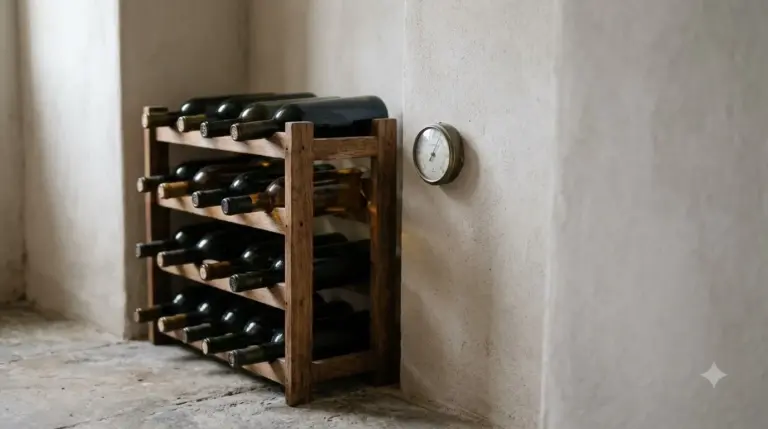
Keep cork-sealed bottles on their sides. Horizontal storage helps keep the cork in contact with the wine, reducing the risk of it drying out. Store bottles away from direct sunlight and excessive vibration. A dark wine cabinet or temperature-controlled cellar is preferable to a decorative rack in a bright room.
Serve Cabernet at the right temperature. Full-bodied reds are generally best served between 60 and 65 degrees Fahrenheit. If the bottle has been stored at ordinary room temperature in a warm home, a short period in the refrigerator can help bring it closer to the recommended range.
Allow young reds to breathe. A young, structured Cabernet Sauvignon can benefit from 30 to 60 minutes in a decanter. Aeration introduces oxygen and can soften the initial impression of firm tannins. This is particularly useful when the wine is being served with steak, lamb, or other substantial dishes.
Use appropriate glassware. A larger bowl is useful for Cabernet Sauvignon because it provides room for aromas to collect and develop. Pinot Noir generally benefits from a glass with a more rounded bowl, while Sauvignon Blanc can be served in a smaller white-wine glass that preserves its fresh aromatic character.
Preserve opened bottles. Replace the closure after pouring and refrigerate remaining still wine. Opened still wines generally retain reasonable quality for approximately three to five days, although the exact period depends on the wine and its exposure to oxygen. Bring red wine toward its preferred serving temperature again before pouring.
Pay attention to serving size. A standard wine pour is approximately 5 ounces. A 750 ml bottle contains roughly five standard glasses, making it easy to estimate how many bottles are needed for a dinner gathering.
Food pairing also affects how the wine tastes. Cabernet Sauvignon’s tannins can seem less aggressive alongside fatty steak, lamb, or aged cheese because fat softens the perception of astringency. Meanwhile, high-acidity white wines are generally more successful with acidic foods, and sweet wines should be at least as sweet as the dessert they accompany.
For a simple meal, try Cabernet with grilled beef and roasted vegetables, Pinot Noir with roast chicken and mushrooms, or Chardonnay with creamy chicken dishes. These combinations allow the wine and food to complement each other without requiring complicated recipes.
People interested in the more accessible end of the portfolio can explore Hess Select wine before deciding whether to move toward the winery’s more geographically focused releases. That approach makes it easier to understand the differences in grape variety, origin, and style without buying several unfamiliar bottles at once.
Frequently Asked Questions
Is Hess considered a premium wine producer?
Hess Persson Estates operates in the premium Napa Valley wine category, although its portfolio also includes more accessible California wines. Its Mount Veeder property is part of the winery’s identity, and the estate combines wine production with a contemporary art collection. The Select range and the estate-focused wines serve different audiences within that broader business.
Does Hess make organic wine?
The winery describes its vineyards and farming philosophy in terms of sustainability rather than presenting its entire portfolio as certified organic wine. Its stated sustainability programs include California Sustainable Winegrowing Alliance, Napa Green Winery, and Napa Green Land certifications. Sustainable certification and organic certification are different standards, so they should not be treated as interchangeable.
Can Hess Cabernet Sauvignon be aged for several years?
Some Hess Cabernet Sauvignon bottlings may develop additional complexity with bottle age, particularly structured Napa Valley selections. However, aging potential depends on the specific wine, vintage, acidity, tannin, and storage conditions. A California-wide Select bottling should not automatically be given the same cellaring expectations as an estate-focused mountain Cabernet.
Where can visitors taste Hess wines in Napa Valley?
Hess Persson Estates is located at 4411 Redwood Road in Napa, California. The winery offers tasting experiences at its Mount Veeder estate, where visitors can also explore the Hess Art Collection. Reservations are recommended, and tasting availability can vary by experience.
Is Hess wine suitable as a gift?
Yes, Hess can be a suitable gift because its portfolio includes both recognizable California varieties and more specialized Napa Valley wines. A Cabernet Sauvignon is a sensible choice for someone who enjoys structured reds, while Chardonnay or Pinot Noir may be more appropriate for someone with lighter wine preferences. Choosing a bottle with a specific regional designation can also make the gift more interesting to an experienced wine enthusiast.
Hess is a worthwhile California wine producer to explore, especially if Cabernet Sauvignon, dark-fruited red blends, and Napa Valley wines are already part of your preferences. Hess Select offers an accessible starting point, while the Hess Collection and Lions Head Collection provide additional options for more distinctive occasions. Choose according to grape variety, regional origin, and the food you plan to serve, rather than relying on the winery name alone.
More in Wine Brands
 Mer Soleil Wine Price: Compare Bottles and Find the Right ChardonnayUpdated Nov 21, 2026
 Masi Costasera Wine Price: What to Expect Before You BuyUpdated Nov 21, 2026
 McGuigan Wine Price: Compare Bottles and Find the Right ValueUpdated Nov 21, 2026
 Matua Wine Review: Find the Right New Zealand Wine for Your TasteUpdated Nov 21, 2026
 Meerlust Wine Price: Compare Bottles and Find Your FitUpdated Nov 21, 2026
 Macari Wine Price: Compare Bottles by Style and TierUpdated Nov 21, 2026