

We may earn a commission when you buy through links on this page, at no extra cost to you. Learn more.
Mount Veeder wine is usually a dry, structured red from hillside vineyards in Napa Valley, most often Cabernet Sauvignon, with firm tannins, dark fruit and an herbal edge. Wines from the appellation tend to be more concentrated than many valley-floor bottles, which makes them a good match for rich meat dishes and for a slow, unhurried evening at the table. Serve them at a cool room temperature and give them time to open.
This guide is about the glass rather than the ground. It covers what Mount Veeder wine tastes like, how to serve and decant it, which foods pair well, how long to cellar a bottle and what to look for when you shop. For the vineyard side of the story, see the Mount Veeder vineyards guide.
What Mount Veeder wine tastes like
Mount Veeder reds are built around Cabernet Sauvignon, and the style follows the grape’s usual profile with a hillside accent. Wine Folly describes Cabernet Sauvignon in general as dry and full-bodied, with black cherry, black currant, cedar, baking spices and graphite notes. It also lists medium-high tannins and medium-high acidity, which together give the wine structure and the ability to age. Wine Folly’s Cabernet Sauvignon guide is a helpful reference for the general profile.
On a mountain site, many tasters describe Mount Veeder Cabernet as more concentrated and firmer than valley bottles, with herbal and floral lift under the dark fruit. That is a reasonable starting point for your tasting notes, though every vintage and producer will show its own balance.
How to serve and decant Mount Veeder reds
Serving temperature makes a bigger difference than most people expect. Wine Folly recommends serving Cabernet Sauvignon at about 60 to 68 degrees Fahrenheit, which is cooler than many people’s living rooms. A bottle that is too warm can taste heavy and hot with alcohol, while one that is too cold can hide its fruit and tannin structure.
Decanting helps young, structured reds. Wine Folly suggests giving Cabernet Sauvignon about an hour in a decanter, which softens the tannins and lets the aromas open. If you do not have a decanter, pour the wine into a large glass and let it sit for 30 to 60 minutes before drinking. Use a large-bowled glass so the aromas can gather.
Alcohol on these wines is typically in the 13.5 to 15 percent range, so a glass or two with dinner is usually plenty. That range is also a reason to pace your pours and to plan the evening around food.
| Step | What to do | Why it helps |
|---|---|---|
| Chill | Serve at about 60 to 68 degrees Fahrenheit | Keeps fruit and structure in balance |
| Decant | Give it around an hour in a decanter | Softens young tannins and opens aromas |
| Glass | Use a large-bowled glass | Gives the aromas room to show |
| Pace | Pour a moderate glass with food | Keeps the wine enjoyable through the meal |
Food pairings that suit Mount Veeder reds
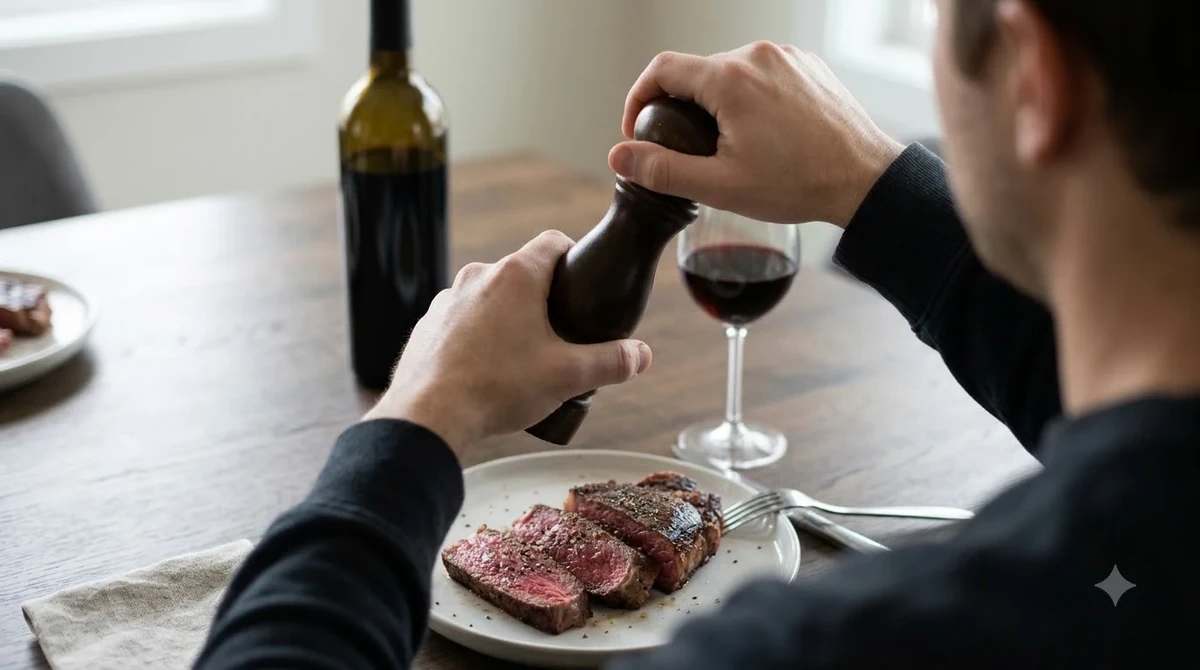
Cabernet Sauvignon and the other structured reds from the area call for food with weight and some fat. Grilled or roasted beef, lamb and rich braises are classic matches, because the wine’s tannins cut through fat and echo the savory notes in the meat. Peppery sauces, herb-rubbed roasts and mushroom dishes also complement the herbal character of the wine.
Merlot, which also appears in the appellation, is softer and tends to pair with a wider range of dishes. Wine Folly describes Merlot as medium-full bodied with softer tannin than Cabernet, and it works with roast turkey, beef short rib and rustic vegetable dishes. Full, warm-climate styles from Napa are often served with rack of lamb or steak with a peppercorn sauce.
Aging and cellaring Mount Veeder wine
Structured reds from hillside sites can age well. Wine Folly suggests that Cabernet Sauvignon can be cellared for ten years or more, and the same basic principle applies to many Mount Veeder bottles: tannins soften over time and the fruit shifts toward savory, earthy notes. Younger bottles can be enjoyable too, especially when decanted and served with generous food.
If you plan to cellar, keep the bottles in a cool, dark place with steady temperature, and avoid storing them near heat sources. Keep track of the vintage and the producer so you know when a bottle is ready to open. A simple cellar log, with the purchase date and a note on the wine’s style, makes it easier to plan which bottles to open for a special meal and which to keep longer.
Tip: When you are unsure whether a bottle is ready, open a small pour first. If the tannins still feel sharp, give the rest of the bottle more time or decant it longer.
How to choose a Mount Veeder bottle
Look for the appellation name on the label. A wine labeled Mount Veeder comes from the mountain appellation, which is the clearest sign of the hillside style. Read the producer’s own tasting notes and vintage information, which often describe the balance and aging potential of the wine in more detail than a general description can.
If you enjoy the structure of a hillside Napa red and want to compare it with a different tradition, the Alentejo wine guide covers a Portuguese region with a warm, dry climate and a similarly firm style, and the Wine Regions overview helps you place Napa among other key growing areas.
It also helps to know the style you prefer. If you like fruit-forward wines that are soft on the palate, look for younger vintages and a lighter touch with oak. If you prefer structure and a long finish, choose a vintage that has had time to settle. Shops and restaurants that carry hillside Napa often have staff who can point you toward a style that fits your meal.
Frequently Asked Questions
What is Mount Veeder wine?
Mount Veeder wine is a red or white wine made from grapes grown in the Mount Veeder appellation, a mountain area in Napa Valley. Reds, especially Cabernet Sauvignon, are the best-known style, and they tend to be dry, structured and concentrated.
How should I serve Mount Veeder Cabernet?
Serve it at about 60 to 68 degrees Fahrenheit. Decant it for around an hour if it is young, and use a large glass so the aromas can develop. A moderate pour with food is a good way to enjoy the wine.
What food goes best with Mount Veeder wine?
Grilled or roasted beef, lamb, rich braises and mushroom dishes are classic matches. The firm tannins in these reds cut through fat, so the pairing works well with heavier meat dishes.
Can I age Mount Veeder wine?
Many structured reds from hillside Napa can age for years. Cabernet Sauvignon is often cellared for a decade or more. Store bottles somewhere cool, dark and steady, and check the producer’s guidance for the specific vintage.
A good way to start is to taste two Mount Veeder bottles of different vintages side by side. The younger wine will usually show brighter fruit and firmer tannin, while the older one will feel rounder and more savory. That comparison teaches you more about the style than any description, and it helps you decide how long to keep the bottles you buy.
Mount Veeder wine rewards patience and a good meal. Serve it cool, give it time to open and match it with food that has enough weight to stand up to its structure, and you will taste the hillside character that makes the appellation distinct.
More in Wine Regions
 Willcox Wine Trail: Discover Arizona’s High-Elevation Wine CountryUpdated Nov 20, 2026
 Yakima Valley Wine Region: Find the Best Styles to TryUpdated Nov 20, 2026
 Vosne Romanee Wine Tasting: Identify Aromas and Choose Better PairingsUpdated Nov 20, 2026
 Yakima Valley Wine Festival: Find the Best Seasonal Wine EventsUpdated Nov 20, 2026
 Wales Vineyards: Discover Cool-Climate Wines and Where to VisitUpdated Nov 20, 2026
 Yountville Wine Festival: Discover Napa Wines and Local FoodUpdated Nov 20, 2026