

We may earn a commission when you buy through links on this page, at no extra cost to you. Learn more.
Is Charles Shaw wine good? Yes, Charles Shaw wine is a decent everyday choice for casual drinking, especially if you want an approachable bottle without paying for premium wine. Sold exclusively through Trader Joe’s, this familiar California brand offers several approachable styles, including Cabernet Sauvignon, Chardonnay, and White Zinfandel. Its biggest strengths are accessibility, straightforward flavors, and versatility for everyday meals, although its wines generally lack the complexity, depth, and aging potential of more ambitious bottles.
Charles Shaw has developed a reputation that extends well beyond its nickname, Two-Buck Chuck. For some shoppers, it represents an inexpensive way to keep wine available for weeknight dinners, casual gatherings, and uncomplicated meals. For others, it is a reminder that inexpensive wine can have noticeable limitations. Understanding what the different varieties offer makes it easier to decide whether a bottle belongs in your shopping basket.
Who Should Buy Charles Shaw Wine?
Charles Shaw is best suited to people who want uncomplicated California wine for ordinary occasions rather than a bottle designed for detailed tasting or long-term storage. Its straightforward style makes it particularly useful for casual meals, informal entertaining, and people who are still discovering which grape varieties they enjoy.
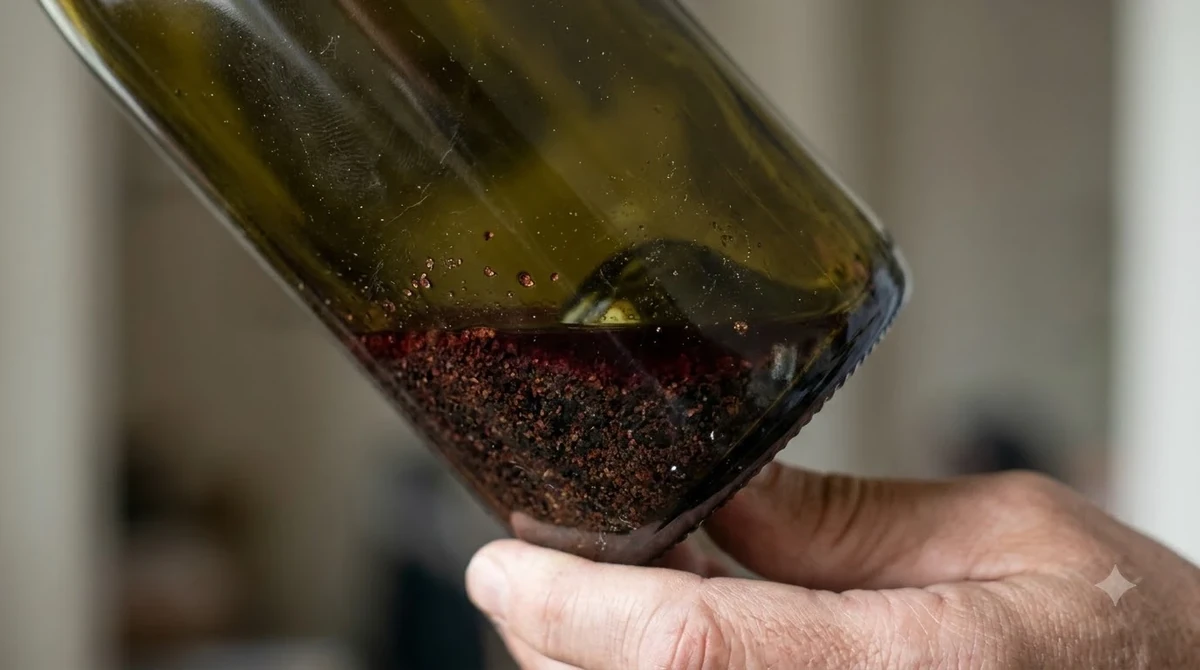
One of the brand’s main advantages is that shoppers can choose among recognizable wine styles without having to understand complicated regional classifications. Someone who prefers red wine can look at Cabernet Sauvignon, while Chardonnay provides a familiar white-wine option. White Zinfandel offers a fruitier alternative for people who enjoy a sweeter pink wine.
Charles Shaw can also suit households that want a dependable wine for cooking and occasional drinking. A bottle of Cabernet Sauvignon can accompany pizza, burgers, or a simple pasta dinner, while Chardonnay can work alongside chicken, seafood, and creamy dishes. These are everyday combinations that do not require a highly structured or particularly expensive wine.
However, Charles Shaw is not necessarily the right choice for every wine drinker. Someone who enjoys concentrated Napa Valley Cabernet, complex oak-aged Chardonnay, or distinctive single-vineyard wines may find the brand too straightforward. Its emphasis is accessibility rather than showcasing a particular vineyard, vintage, or winemaking technique.
When Charles Shaw makes sense
- Casual dinners: You want a familiar wine to accompany pizza, pasta, grilled chicken, or simple seafood.
- Informal gatherings: You need an approachable bottle that guests can enjoy without a formal tasting experience.
- Wine beginners: You want to explore Cabernet Sauvignon, Chardonnay, or White Zinfandel without starting with complicated styles.
- Cooking: You want an uncomplicated wine for sauces, braises, or other recipes that benefit from wine’s acidity and flavor.
- Everyday drinking: You prioritize an easygoing style over layered aromas, extended finishes, or cellar-worthy structure.
People looking for a more detailed introduction to the brand can also explore our overview of Charles Shaw wine, including its familiar varieties and general character.
Key Factors to Compare Before Choosing a Bottle
The best way to evaluate Charles Shaw is to compare the actual wine styles rather than treating the entire brand as one flavor profile. Grape variety, sweetness, acidity, body, and food compatibility all influence whether an individual bottle will suit your preferences.
Charles Shaw’s Cabernet Sauvignon and Chardonnay are particularly useful starting points because they offer distinctly different experiences. The Cabernet provides a red-wine profile with blackberry and vanilla associations, while the Chardonnay emphasizes apple, pear, and creamy characteristics according to Trader Joe’s product descriptions.
| Wine style | Typical flavor direction | Body and structure | Good food matches | Best suited to |
|---|---|---|---|---|
| Cabernet Sauvignon | Blackberry, vanilla, darker fruit | Medium to full body, noticeable tannin | Burgers, grilled steak, pasta | Casual red-wine drinkers |
| Chardonnay | Apple, pear, vanilla | Medium body, moderate acidity | Chicken, tilapia, creamy pasta | Everyday white-wine drinkers |
| White Zinfandel | Strawberry, watermelon, peach | Light body, noticeable sweetness | Spicy dishes, grilled chicken | Drinkers who prefer sweeter wines |
| Nouveau Red | Fresh, fruit-forward red fruit | Light, approachable structure | Turkey, ham, holiday meals | Drinkers seeking an easygoing red |
These descriptions are general style comparisons rather than guarantees that every bottle will have identical characteristics. Individual releases can vary, and the wine’s actual flavor balance depends on its grape composition, production decisions, and vintage.
Flavor intensity and balance
Flavor intensity is one of the most important differences between inexpensive everyday wine and more elaborate bottles. A premium Cabernet might offer concentrated blackcurrant, cedar, tobacco, and layered oak characteristics. Charles Shaw Cabernet is more straightforward, with the retailer describing blackberry and vanilla as prominent aromatic associations.
Tasting Table’s comparison of California Cabernet Sauvignon describes the Charles Shaw version as relatively light in expression, with subtle berry characteristics and noticeable oak. The publication also describes its finish as fairly smooth and short. This is useful information for shoppers who prefer an uncomplicated red rather than a powerful, highly concentrated wine.
For Chardonnay, the retailer’s description emphasizes apple, pear, vanilla, a creamy palate, and a soft finish. These familiar characteristics make it a practical option for someone who enjoys approachable white wine rather than highly mineral, sharply acidic, or intensely oak-driven styles.
Sweetness and acidity
Do not assume every Charles Shaw wine tastes sweet simply because the brand is inexpensive. Cabernet Sauvignon is generally a dry red style, and Chardonnay is typically dry as well. White Zinfandel is the more obvious choice for people who prefer noticeable fruitiness and sweetness.
Acidity also affects how refreshing a wine feels. Sauvignon Blanc and Riesling are generally higher-acid varieties, while Chardonnay usually has moderate acidity. A softer white wine can be pleasant on its own, but a dish with substantial lemon, vinegar, or tomato acidity may need a similarly bright wine to avoid making the wine taste flat.
Body matters just as much. A light-bodied wine tends to feel less substantial than a full-bodied Cabernet. Choosing according to the weight of your food helps create a more satisfying meal rather than expecting every bottle to work equally well with every dish.
Step-by-Step: How to Choose the Right Charles Shaw Wine
Choosing a Charles Shaw bottle is straightforward if you start with the food or occasion and work backward to the grape variety. A few simple decisions can help you avoid choosing a wine that conflicts with your preferred sweetness, body, or flavor intensity.
-
Decide whether you want red, white, or pink wine.
Start with the broadest preference. Cabernet Sauvignon is the recognizable red option, Chardonnay is the familiar white choice, and White Zinfandel provides a fruitier pink style. This first decision removes several unsuitable options immediately.
-
Choose your preferred sweetness level.
If you prefer dry wine, start with Cabernet Sauvignon or Chardonnay. If you like sweeter, fruit-forward wine, White Zinfandel is a more suitable starting point. Sweetness is especially important when pairing wine with dessert because the wine should taste at least as sweet as the food.
-
Match the wine’s body to your meal.
Choose a more substantial red for burgers, grilled beef, or rich pasta. For lighter seafood, poultry, and creamy dishes, Chardonnay is often a more natural match. A lighter pink wine can suit casual lunches and dishes with a little spice.
-
Consider how much oak and tannin you enjoy.
Cabernet Sauvignon generally has higher tannin than Chardonnay, while Merlot usually has softer, medium tannin. If you dislike a drying sensation, a white wine may be a more comfortable choice. If you enjoy structured reds, Cabernet is a logical starting point.
-
Think about the occasion.
A simple weeknight dinner does not necessarily need a complicated wine. For a casual gathering, choose a recognizable variety that most guests understand. For a formal dinner or a special bottle presentation, a more distinctive regional wine may make a stronger impression.
-
Serve it at an appropriate temperature.
Chill Chardonnay and White Zinfandel rather than serving them warm. Light whites and rosé generally work well at 45 to 50 degrees Fahrenheit, while full-bodied whites are often best around 50 to 55 degrees. Cabernet Sauvignon should generally be served around 60 to 65 degrees.
-
Drink it fresh rather than planning to cellar it.
Charles Shaw is designed primarily as accessible everyday wine. Buy it for near-term enjoyment instead of expecting extended bottle aging to transform its flavor or structure.
Tip: If you are unsure which variety to choose, start with Chardonnay for a familiar white wine or Cabernet Sauvignon for a recognizable dry red. These two styles offer very different experiences, making them useful starting points for discovering your preferences.
For shoppers who already know they prefer red wine, our guide to Charles Shaw red wine provides a more focused look at the brand’s red selections and their everyday uses.
Charles Shaw Wine Types and Styles Explained
Charles Shaw is not a single wine but a collection of approachable varieties and occasional specialty releases. Understanding the differences between the main styles is more useful than assuming every bottle shares the same level of sweetness, body, or flavor intensity.
Cabernet Sauvignon: The familiar red option
Charles Shaw Cabernet Sauvignon is a sensible starting point for people who prefer dry red wine. Trader Joe’s describes its Cabernet as deep ruby in appearance, with blackberry and vanilla aromatics. The retailer also recommends it alongside steak, lamb, rich pasta, and strong cheeses.
Cabernet Sauvignon generally has substantial tannin, which produces a drying sensation on the gums and tongue. That structure can be useful with rich, fatty dishes because fat softens the perception of tannin. Grilled beef, lamb burgers, and hard or strongly flavored cheeses are natural combinations.
However, shoppers expecting a particularly powerful Cabernet may find this version relatively light. Tasting Table’s review noted subtle berry flavors, noticeable oak, and a smooth finish without much lingering aftertaste. Its assessment suggests that this wine makes more sense for someone who wants an uncomplicated Cabernet than for a drinker seeking intense concentration.
Chardonnay: An approachable white
Charles Shaw Chardonnay is the more natural choice for people who enjoy familiar California white wine. Trader Joe’s describes apple and pear aromas alongside warm vanilla, a creamy palate, and a soft finish.
Its suggested food pairings include pork tenderloin, baked tilapia, cheesy ravioli, and buttery Havarti. These combinations make sense because Chardonnay’s moderate acidity and approachable fruit profile can work with richer textures without overwhelming delicate ingredients.
Chardonnay can also vary considerably in style. Some examples emphasize crisp citrus and green apple, while others feature more obvious vanilla, butter, and oak. If you prefer a particularly sharp, mineral white wine, Chardonnay may not provide the acidity you want. If you prefer a rounded white with familiar fruit flavors, it is a reasonable option.
White Zinfandel: The fruitier alternative
White Zinfandel is a different experience from Cabernet Sauvignon and Chardonnay. Despite the word white in its name, it is generally a pink wine made from red Zinfandel grapes using winemaking methods that limit color extraction from the skins.
Trader Joe’s describes Charles Shaw White Zinfandel with strawberry, watermelon, citrus, and peach characteristics. Its product description also emphasizes light body and noticeable sweetness.
This style works well for people who do not enjoy the drying tannins of red wine. It can also be a practical choice for casual gatherings where guests have different levels of wine experience. Spicy Thai dishes, grilled chicken skewers, and creamy pasta salads are suggested matches by the retailer.
One important consideration is sweetness. White Zinfandel may taste less refreshing if paired with an extremely sweet dessert because the food can make the wine seem comparatively acidic or dry. For dessert, choose a wine that is at least as sweet as the dish.
Nouveau: A seasonal red style
Charles Shaw Nouveau is a specialty red release associated with fresh, approachable drinking. Trader Joe’s describes it as a seasonal wine created to accompany holiday meals, including turkey, ham, braised beef brisket, and standing rib roast.
The retailer’s description emphasizes a blend of fruit-forward grape varieties and a light, accessible style. That approach differs from the more familiar Cabernet Sauvignon, which generally emphasizes firmer tannin and darker fruit characteristics.
Nouveau-style wines are generally intended for early enjoyment rather than extended cellaring. Their appeal lies in fresh fruit expression and an uncomplicated structure, making them useful for seasonal meals where a heavy, tannic red might feel excessive.
Common Mistakes When Buying Charles Shaw Wine
Many disappointing experiences with Charles Shaw come from expecting it to behave like a more expensive wine. The brand can serve a useful purpose, but understanding its limitations helps set realistic expectations and makes the individual varieties easier to enjoy.
Expecting premium complexity
The first mistake is comparing an inexpensive everyday wine directly with a carefully produced premium Cabernet from Napa Valley or a complex Chardonnay from Burgundy. Those wines may involve different vineyard conditions, production decisions, oak programs, and aging practices.
Charles Shaw is positioned around accessible drinking rather than showcasing the character of a particularly famous vineyard. Its flavors are generally more straightforward, and its finish may be shorter than that of a more ambitious wine.
This does not automatically make it a poor purchase. A simple wine can still be suitable for pizza night, casual pasta, or an informal gathering. The important distinction is whether the wine meets the expectations attached to its intended purpose.
Assuming the entire range tastes the same
Another mistake is treating all Charles Shaw wines as interchangeable. Cabernet Sauvignon, Chardonnay, and White Zinfandel have different grape varieties, production methods, and typical flavor characteristics.
A person who dislikes tannic red wine may dislike Cabernet but enjoy White Zinfandel. Someone who prefers dry white wine may find Chardonnay more appropriate than a sweeter pink style. Choosing based on the actual variety is far more reliable than judging the entire brand from one bottle.
Expecting every Cabernet to be powerful
Cabernet Sauvignon is widely associated with concentrated black fruit, firm tannins, and full-bodied structure. However, wines made from the same grape can differ considerably in intensity and balance.
Tasting Table’s review of Charles Shaw Cabernet describes a lighter expression with subtle berry flavor and more noticeable oak. That observation is important for shoppers who specifically want a powerful red. A lighter Cabernet can be enjoyable, but it may not deliver the intensity they expect.
Using the wrong food pairing
Even a straightforward wine can taste better with suitable food. However, some combinations create obvious conflicts. Highly acidic tomato dishes can make a low-acid wine taste dull, while very spicy food can make alcoholic wines and tannic reds seem hotter.
Oily fish can also be difficult with strongly tannic red wine. Chardonnay is often a more practical choice with baked tilapia or richer seafood dishes, particularly when butter, cream, or mild seasoning is involved.
For Cabernet Sauvignon, grilled beef, lamb, burgers, and rich pasta offer more natural matches. Salt and fat can soften the perception of tannin, helping a structured red feel more balanced alongside a substantial meal.
Expecting an inexpensive bottle to improve indefinitely
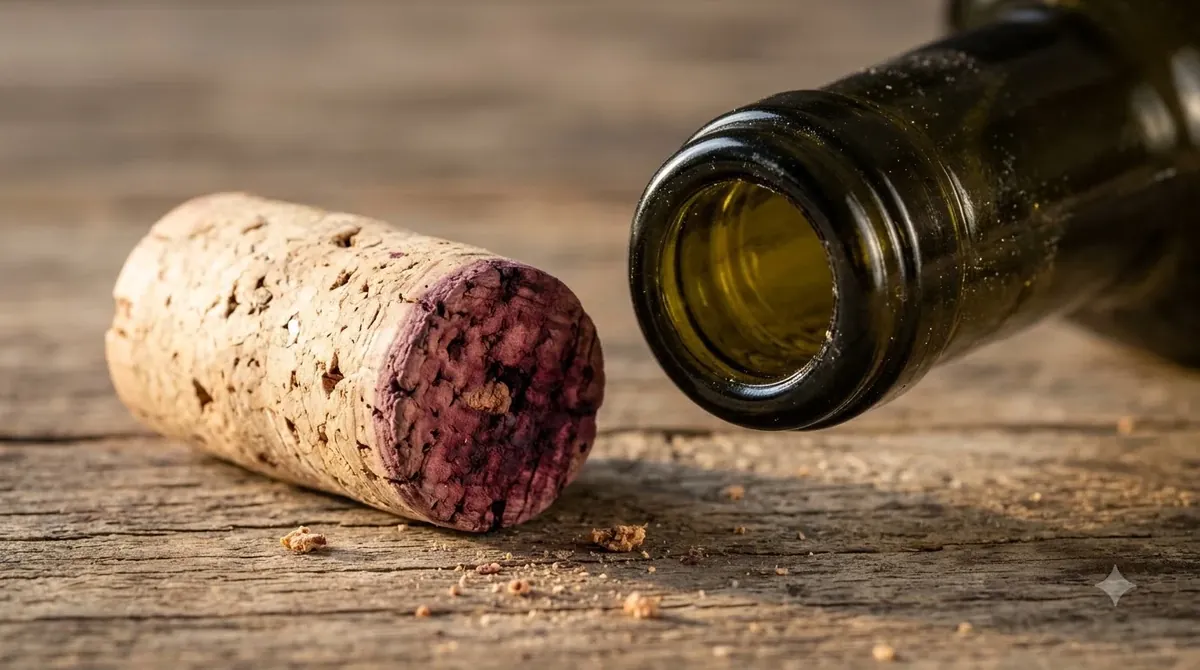
Another common misconception is that leaving any bottle of red wine in storage for several years will make it better. Most everyday wines are intended to be enjoyed relatively young, and additional bottle age does not automatically improve their flavor.
VinePair’s Two Buck Chuck aging experiment compared different ages of Charles Shaw Cabernet Sauvignon. The publication found that the older bottle had softer tannins, less pronounced fresh fruit, and more subdued dried-fruit characteristics. The experiment illustrated how wine changes with age, but it did not establish that aging necessarily produces a more enjoyable bottle.
Care, Storage, and Serving Tips for Better Enjoyment
Proper serving makes a meaningful difference even with uncomplicated wines. A few basic practices involving temperature, glassware, and storage can help preserve freshness and prevent a bottle from tasting flatter than expected.
Serve at the right temperature
Serving temperature is one of the easiest improvements to make. White wine served too warm can seem heavy and less refreshing, while red wine served excessively warm can make its alcohol feel more prominent.
- Chardonnay: Serve around 50 to 55 degrees Fahrenheit if it has a fuller, rounder style.
- White Zinfandel: Serve around 45 to 50 degrees Fahrenheit to emphasize freshness.
- Cabernet Sauvignon: Serve around 60 to 65 degrees Fahrenheit rather than at a warm room temperature.
- Nouveau: A slight chill can make a lighter red feel fresher and more approachable.
Refrigeration is useful for white and pink wines, but avoid serving them so cold that their aromas become difficult to detect. Taking a bottle out of the refrigerator briefly before pouring can help reveal more of its fruit and aromatic character.
Use appropriate glassware
You do not need an elaborate collection of wine glasses to enjoy Charles Shaw. A clean glass with enough room to swirl the wine gently is sufficient for most everyday situations.
A moderately sized white-wine glass works well for Chardonnay because it allows the wine’s apple, pear, and vanilla aromas to become noticeable. A larger red-wine glass can provide more room for Cabernet Sauvignon to release its darker fruit aromas.
For casual meals, standard wine glasses are perfectly adequate. The most important considerations are cleanliness, a clear bowl, and avoiding strong detergent odors that might interfere with the wine’s aroma.
Store unopened bottles properly
Wine should be kept away from excessive heat, direct sunlight, and repeated temperature fluctuations. A cool storage environment near 55 degrees Fahrenheit is a useful general target for longer-term wine storage.
Traditional cork-sealed bottles are generally stored horizontally so the cork remains in contact with the wine. This helps prevent the cork from drying out. Bottles with alternative closures can follow the storage requirements of their particular closure, but protection from heat and light remains important.
Because Charles Shaw is intended primarily for everyday drinking, there is little reason to build an elaborate cellar around it. A cool cupboard or suitable wine refrigerator is generally more practical than storing ordinary bottles for years.
Preserve opened bottles
Once opened, still wine gradually changes as it comes into contact with oxygen. Refrigerating an opened bottle helps slow that process, including for red wine.
- Opened still wines: Generally remain enjoyable for approximately three to five days when refrigerated and properly sealed.
- Opened sparkling wines: Generally last approximately one to three days with an appropriate sparkling-wine stopper.
- Opened fortified wines: Often remain usable for several weeks, depending on the style.
For everyday Charles Shaw bottles, replacing the original closure or using a reusable stopper is a simple way to preserve the remaining wine. Refrigerate the bottle promptly instead of leaving it open on a kitchen counter overnight.
There is also no requirement to decant every red wine. A young, approachable Cabernet usually does not need extensive aeration. If its aromas seem closed, allowing a glass to sit for a few minutes can help reveal more of its character.
Frequently Asked Questions
Why is Charles Shaw called Two-Buck Chuck?
The nickname comes from its original introductory retail price of two dollars per bottle. It became a widely recognized name associated with Trader Joe’s inexpensive wine selection. The nickname remains familiar even though it no longer accurately describes the wine’s typical historical pricing.
Is Charles Shaw wine made in California?
Trader Joe’s identifies its standard Charles Shaw Cabernet Sauvignon and Chardonnay as California wines. The original Charles F. Shaw winery was also established in California. However, the history of the original winery and the present-day retail brand should not be treated as the same operation or ownership arrangement.
Can Charles Shaw wine be used for sangria?
Yes. An uncomplicated fruit-forward red or white wine can provide a useful base for sangria because fruit, citrus, and other ingredients contribute additional flavors. Cabernet Sauvignon can work in red sangria, while Chardonnay can provide a white-wine alternative. Choose a wine whose basic flavor profile complements the fruit and avoid adding excessive sweetness before tasting the mixture.
Is Charles Shaw suitable for a wine tasting party?
Yes, particularly for an informal comparison of grape varieties or everyday wine styles. Serving Cabernet Sauvignon, Chardonnay, and White Zinfandel side by side provides three distinct examples of red, white, and pink wine. A tasting can also help guests identify their preferred sweetness, acidity, and body without requiring specialist wine knowledge.
Does Charles Shaw wine contain sulfites?
Commercial wines commonly contain sulfites, either naturally produced during fermentation or added during winemaking to help protect the wine. The precise amount varies by wine and production process. Consumers who need specific ingredient or allergen information should consult the individual bottle’s labeling and the retailer’s product information.
Charles Shaw is a reasonable choice for people who want uncomplicated, approachable wine for everyday meals and casual occasions. Its Cabernet Sauvignon, Chardonnay, and White Zinfandel serve different preferences, so selecting the right variety matters more than judging the entire brand by one bottle. If your priority is straightforward drinking rather than premium complexity, Charles Shaw deserves consideration; if you want greater depth and distinctive regional character, exploring other California wines is the better next step.
More in Wine Brands
 Underwood Wine Price: Compare Bottles, Cans, and Pack SizesUpdated Nov 21, 2026
 Zenato Wine Price: Compare Styles and Choose the Right BottleUpdated Nov 21, 2026
 Zuccardi Wine Price: Compare Bottles and Find the Right RangeUpdated Nov 21, 2026
 Yellow Tail Moscato Review: Taste, Sweetness and Serving TipsUpdated Nov 21, 2026
 Wolf Blass Yellow Label Review: Choose Your Best StyleUpdated Nov 21, 2026
 Wolffer Estate Rose Review: Choose the Right Bottle for Your TableUpdated Nov 21, 2026