


We may earn a commission when you buy through links on this page, at no extra cost to you. Learn more.
Charles Shaw wine is a budget-friendly, high-volume California wine made by Bronco Wine Company, and it is one of the most recognized value labels on American shelves. The brand covers the basic styles most shoppers look for, including Chardonnay, Cabernet Sauvignon, Merlot and a few blends, and it is designed for everyday drinking rather than cellaring or special occasions. Its reputation rests on consistency and easy availability as much as on flavor.
This guide explains where Charles Shaw wine comes from, what the bottles usually taste like, how to serve them, and which foods suit them. It also covers what to expect from a value wine and how to decide whether one fits your table.
Who makes Charles Shaw wine
Charles Shaw is a label from Bronco Wine Company, a family-owned producer based in California. According to the company’s own history page, Bronco was incorporated in 1973 by brothers Fred T. and Joseph S. Franzia and their first cousin, John G. Franzia, after the family’s earlier winery was sold. The company describes its business as vertically integrated, meaning it manages wine production from the vine to the table, and it says it is the largest privately held vineyard holder in the United States.
That scale explains a lot about the brand. A producer that controls its own vineyards and large volumes of wine can keep prices low and supply steady, which is why Charles Shaw bottles are common in mass-market grocery chains and large retailers across the country.
What the brand is known for
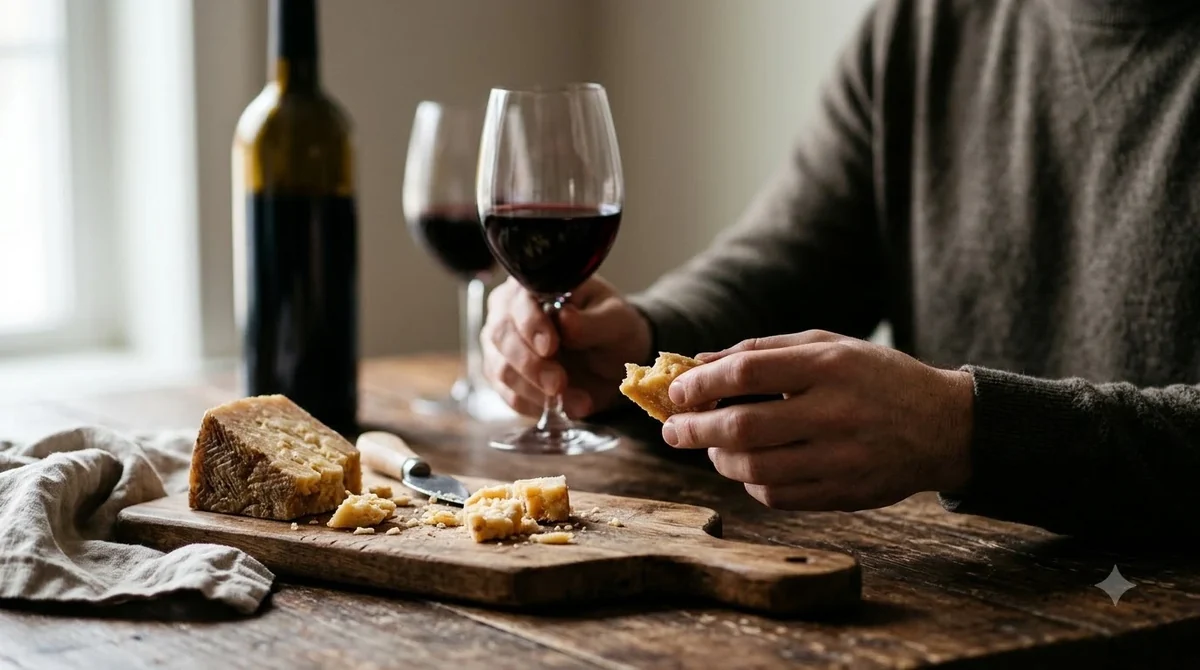
Charles Shaw is best known as an inexpensive wine that does not ask much of the drinker. Its nickname has stuck for years, and most people encounter it as a bargain bottle they pick up for a weeknight dinner or a casual gathering. The house style leans toward fruit-forward wines that are easy to drink without much food, which is a common approach among large-volume California labels.
Expectations matter here. A wine built for mass appeal will rarely show the complexity of a single-vineyard bottle from a small estate. What it does offer is predictability: the flavors on one bottle are usually close to the flavors on the next, and that consistency is part of why the brand has a loyal following among people who want a dependable everyday wine.
Common styles you will find
The lineup changes over time, so the exact bottles on a shelf may differ from one season to another. The table below describes the general styles you are most likely to see and what each one tends to bring to the glass.
| Style | What to expect | Best served with |
|---|---|---|
| Chardonnay | Soft, fruity and generally easy on the palate, often with a rounder texture | Roast chicken, salads, light pasta |
| Cabernet Sauvignon | Dark fruit and a firmer structure, usually approachable rather than intense | Burgers, grilled meats, hearty stews |
| Merlot | Plush and smooth, with red fruit and a gentle finish | Pizza, roast pork, mild cheeses |
| Red and white blends | Simple, fruit-driven wines meant for casual sipping | Takeout, sandwiches, appetizers |
When you compare styles, look at the varietal on the label and the vintage year. A basic value bottle will not change much with age, so it is best enjoyed within a year or two of release, once the fruit is fresh and the structure is balanced.
How to serve and pair it
Serving temperature has a bigger effect on value wines than many people expect. White styles taste better when they are chilled but not ice cold, which keeps the fruit in focus. Red styles usually show best when they are slightly cooler than room temperature, and a short rest in the fridge before pouring can soften any heat that the wine picks up in a warm kitchen.
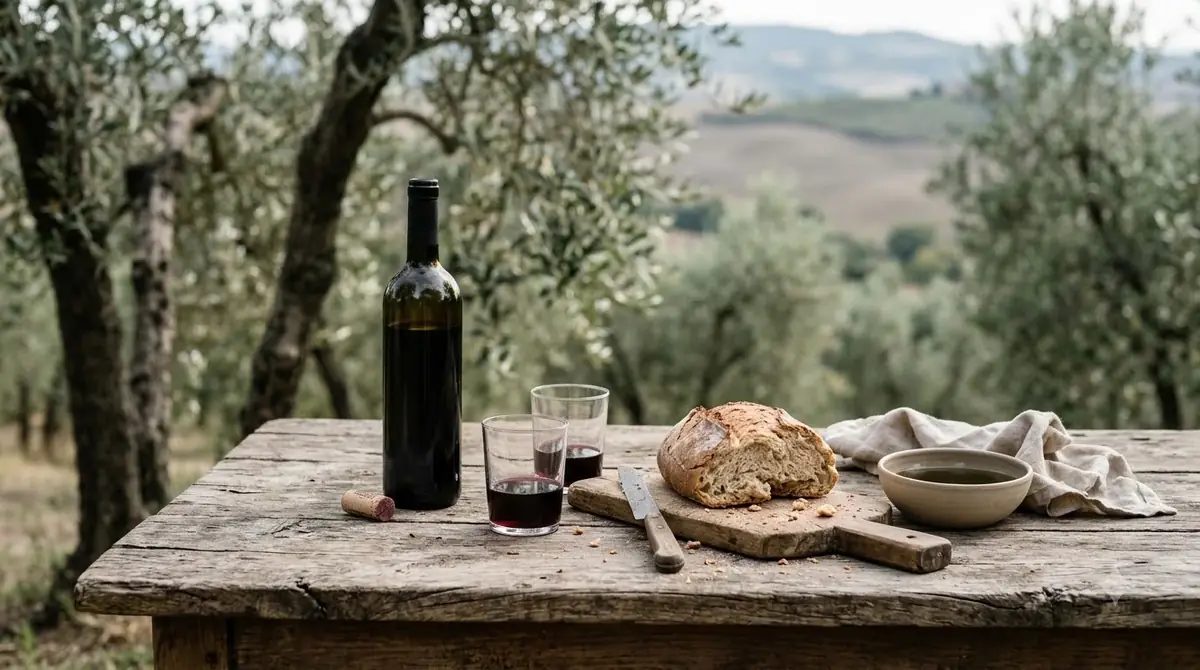
Food pairing with a value wine is mostly about keeping things simple. A basic Chardonnay tends to match well with roasted chicken, creamy pasta or a plate of grilled vegetables, while a Cabernet Sauvignon fits burgers, sausages and tomato-based dishes. Reviewers at general wine publications often note that the best food matches for mass-market wines are the ones with straightforward flavors, because a complicated dish can overwhelm a simple bottle.
Glassware is a small detail that still helps. A standard all-purpose wine glass gives the aromas enough room without making the wine feel thin, and there is no need for an expensive set to enjoy an everyday bottle.
Buying and storing tips
Because Charles Shaw bottles are sold in large volumes, store availability and the exact lineup can change. If you find a bottle you like, buy a second one when it is in stock rather than waiting, since a specific label may not be carried in the same stores later. Check the bottling date or vintage when it is printed on the label, and choose the most recent release when possible.
Storage is simple for this kind of wine. Keep bottles in a cool, dark place away from heat sources and avoid leaving them in a hot car. Once opened, reseal the bottle and refrigerate it, especially white styles, and try to finish it within a few days for the best flavor.
How to decide whether it fits your table
A value wine earns its place by doing one job well, and that job is different for every household. If you are hosting a crowd, buying for a large dinner, or stocking a kitchen that goes through several bottles a week, a dependable, widely available label can save both money and effort. The practical question is whether the flavor profile matches what the people at your table usually drink.
Start by thinking about the food you cook most often. Lighter meals and salads pair well with a crisp, fruit-forward white, while heavier dishes such as braises and grilled meats call for a red with more body. If your guests tend to prefer sweeter or softer wines, a basic Merlot or a blend with ripe red fruit will often land better than a firmer Cabernet.
It also helps to set expectations. Charles Shaw is not meant to replace a bottle from a boutique estate when you want a wine to discuss at length. It is meant to be poured without fuss, enjoyed with food, and finished before it loses its freshness. Viewed that way, it can be a sensible choice for the bottle that gets opened on an ordinary Tuesday.
When you are unsure, buy one bottle of each style you are considering and taste them side by side with a simple meal. The difference between a Chardonnay and a Merlot is usually obvious once the wines are compared directly, and that comparison tells you more than any description can.
Frequently Asked Questions
Is Charles Shaw wine a good everyday wine?
It is designed for everyday drinking. Most people who buy it want a consistent, easy-to-drink wine for casual meals, and it suits that role well. Those who want a wine with more depth or a distinct sense of place may prefer a bottle from a smaller producer.
Who makes Charles Shaw wine?
Charles Shaw is a label from Bronco Wine Company, a family-owned California producer. The company was incorporated in 1973 and describes itself as vertically integrated, from the vine to the table.
What wine goes best with Charles Shaw?
Simple, everyday food works best. A white style pairs well with roasted chicken or salads, and a red style fits burgers, grilled meats and tomato-based dishes. Matching the weight of the food to the weight of the wine keeps the pairing balanced.
Should I age Charles Shaw wine?
Most value wines like this one are made to be drunk young. They are best enjoyed within a year or two of release, when the fruit is fresh. Long cellaring is not usually necessary or rewarding for these bottles.
For a wine that works well on a weeknight, Charles Shaw is an easy choice to keep on hand. If you want to explore similar value labels, the barefoot wine range and the la marca prosecco sparkling option are both useful comparisons, and the wine brands guide covers how other producers approach the same price point.
The producer’s company history is available on Bronco Wine Company’s about page, which covers the company’s founding, ownership and approach to vineyard management.
More in Wine Brands
 Underwood Wine Price: Compare Bottles, Cans, and Pack SizesUpdated Nov 21, 2026
 Zenato Wine Price: Compare Styles and Choose the Right BottleUpdated Nov 21, 2026
 Zuccardi Wine Price: Compare Bottles and Find the Right RangeUpdated Nov 21, 2026
 Yellow Tail Moscato Review: Taste, Sweetness and Serving TipsUpdated Nov 21, 2026
 Wolf Blass Yellow Label Review: Choose Your Best StyleUpdated Nov 21, 2026
 Wolffer Estate Rose Review: Choose the Right Bottle for Your TableUpdated Nov 21, 2026