

We may earn a commission when you buy through links on this page, at no extra cost to you. Learn more.
Charles Shaw red wine is a budget-focused red made by the Bronco Wine Company, best known for the Trader Joe’s brand nicknamed “Two Buck Chuck.” The range includes Cabernet Sauvignon, Merlot, Shiraz and a Valdiguié styled like Beaujolais nouveau. These are easy-drinking, fruit-forward reds meant for everyday dinners rather than cellaring.
This guide covers where the charles shaw red wine brand came from, the red styles the brand is known for, how to serve them and what foods they suit. The history comes from a published encyclopedia entry on the brand, and the serving and pairing notes are general guidance for these red styles.
Where the Charles Shaw brand comes from
The brand began as a winery owned by Charles F. Shaw in the Napa Valley, where it made Beaujolais-style wines. Bronco Wine Company acquired the trademark in 1995 during bankruptcy proceedings. Fred Franzia, who co-owns Bronco, later built the brand around a low price, and the wine is produced at Bronco’s wineries in California.
The wines debuted in 2002 at Trader Joe’s stores in California. That launch earned the nickname “Two Buck Chuck,” which stuck even as the shelf price changed over the years. According to the Wikipedia entry on the brand, it sold about 800 million bottles between 2002 and 2013, which shows how large the brand became through volume rather than premium positioning.
The red styles in the range
The Charles Shaw range includes four red styles named in the encyclopedia entry: Cabernet Sauvignon, Merlot, Shiraz and Valdiguié. The Valdiguié is made in the style of Beaujolais nouveau, a light, young red meant to be drunk fresh. The other three follow the familiar profiles of their grapes in a simple, fruit-forward form.
| Red style | General character | Good with |
|---|---|---|
| Cabernet Sauvignon | Dark fruit, moderate tannin | Burgers, pasta with tomato sauce, roast meats |
| Merlot | Soft plum and cherry, smooth finish | Roast chicken, pizza, mushroom dishes |
| Shiraz | Ripe dark fruit, a touch of spice | Grilled sausages, barbecue, hearty stews |
| Valdiguié (Beaujolais style) | Light, bright, juicy | Charcuterie, salads, light dinners |
These are general character notes for each grape, not tasting notes for a specific vintage. The style of each bottle depends on the blend and the year, so read the label and use the table as a starting point.
How to serve Charles Shaw red wine
Serve the lighter reds, especially the Beaujolais-style Valdiguié, a little cooler than room temperature. A brief chill in the fridge helps show their fresh fruit. The fuller Cabernet and Shiraz can sit closer to room temperature, but avoid serving them warm, since heat can make the alcohol stand out and hide the fruit.
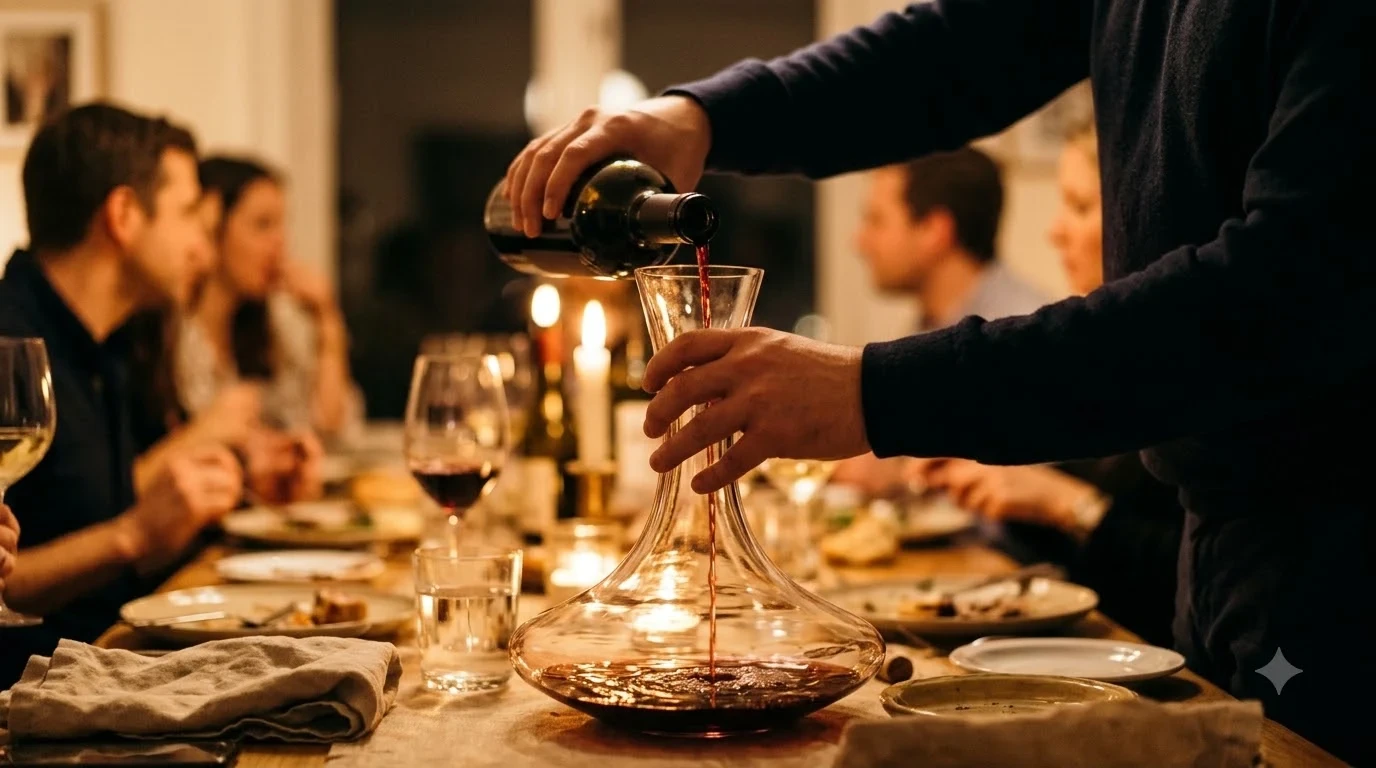
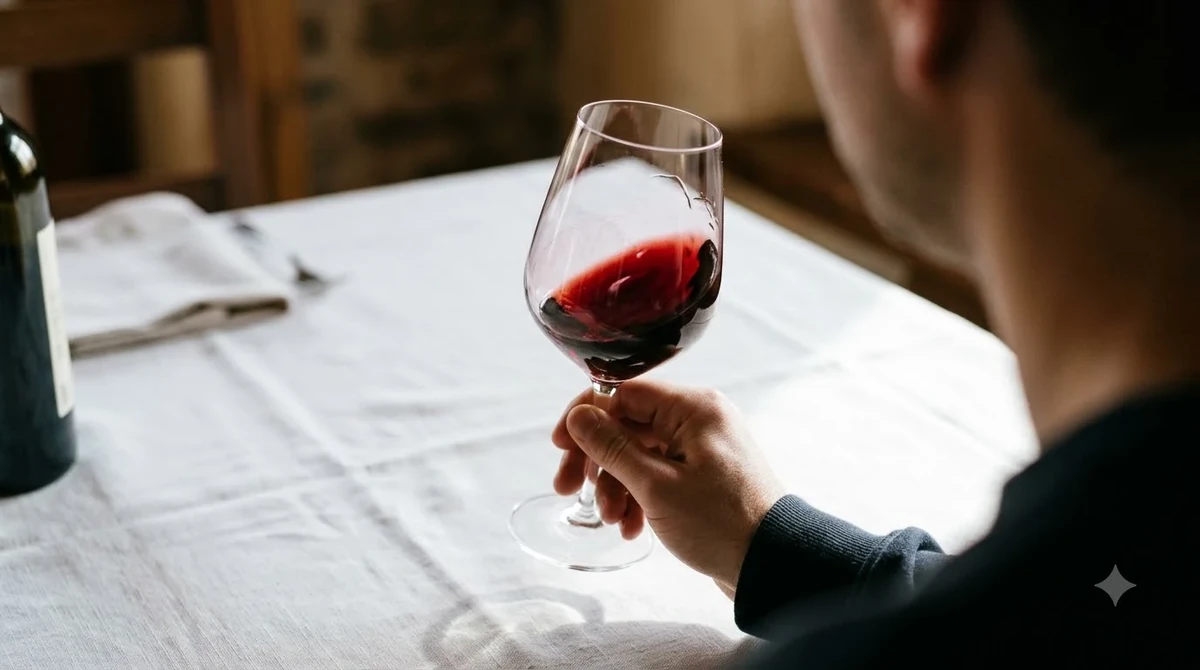
These wines do not need decanting. Open the bottle and pour into a standard red wine glass. If you want a little more aroma, let the wine sit in the glass for a few minutes before you drink.
Food pairing for everyday reds
Charles Shaw reds suit the kind of food they are sold for: weeknight dinners, casual gatherings and takeout. The Cabernet and Shiraz go well with burgers, grilled sausages and tomato-based pasta, while the Merlot is a friendly match for roast chicken and pizza.
The Valdiguié works with charcuterie boards, salads and simple dishes with herbs. Its brightness cuts through rich foods without overpowering them, which makes it a good choice when the menu is varied.
How to choose a bottle in this range
Choose by the occasion. For a party, the Merlot and Valdiguié are the easiest to share because they are smooth and light. For a dinner with grilled meat, the Shiraz or Cabernet gives more body. Read the label for the exact grape and vintage, since the range changes over time and bottlings can differ.
If you want to compare this brand with other budget and mid-range producers, the wine brands guide explains how different labels are positioned. For a red from another region to compare with, the Antinori red wine page offers a useful reference point, and the Austin Hope red wine guide covers a different style of California red.
Trader Joe’s shelves shaped the brand’s reputation as much as the wine itself. The low price drew attention across the country, and the brand became a conversation piece for shoppers who wanted an easy bottle without spending much. That reputation is part of why many people look up the brand, even if they are not sure what the wines taste like.
The red styles are built for simple, immediate pleasure. Cabernet Sauvignon and Merlot give familiar flavors of dark and red fruit, while Shiraz adds a touch of spice that works well with grilled food. The Valdiguié, made in the Beaujolais nouveau style, is the lightest in the range and is meant to be drunk young and chilled.
Bronco’s approach is volume-driven. The company sells large quantities of wine at accessible prices, so the goal is consistency for everyday drinking rather than the single-vineyard focus found in premium wine. That is worth knowing if you expect the complexity of a higher-priced bottle from this range.
Pairing ideas can be simple. For a casual dinner, serve the Merlot with roast chicken and the Cabernet with burgers. Bring out the Valdiguié with cheese, charcuterie and a green salad. These pairings follow each grape’s general profile and help you match the wine to a meal without overthinking it.
Storage is straightforward. Keep bottles away from heat and direct light, and open them when you are ready rather than holding them for years. Because these wines are made to drink young, freshness matters more than long cellar life.
The reds also work in cooking. A Cabernet Sauvignon or Merlot can add depth to a simple tomato sauce, a pan sauce for chicken, or a slow-cooked beef stew. Use a splash for flavor, and cook off the alcohol before serving. A Shiraz works the same way in a barbecue sauce or a hearty chili, bringing dark fruit and a little spice to the pot.
Choosing between the reds comes down to the mood of the meal. A light dinner with friends might call for the Valdiguié, a relaxed barbecue suits the Shiraz, and a weeknight pasta night fits the Merlot or Cabernet. If you are unsure, pick the middle option and taste as you go, because every guest’s preference is a little different.
Keep the wine fresh once opened by corking the bottle tightly and storing it in the fridge for a short time. Reds taste their best within a few days of opening, and the lighter styles are the most sensitive to age.
Frequently Asked Questions
Who makes Charles Shaw red wine?
The Bronco Wine Company makes the brand, and its co-owner Fred Franzia is closely linked with the label. The wine is produced at Bronco’s California wineries.
Why is Charles Shaw called Two Buck Chuck?
The wines debuted in 2002 at Trader Joe’s in California at a very low price, and the nickname came from that launch. The nickname has stuck even though the shelf price has changed over the years.
What red wines does Charles Shaw make?
The brand’s range includes Cabernet Sauvignon, Merlot, Shiraz and a Valdiguié made in the style of Beaujolais nouveau. Check each label for the exact bottling.
Should Charles Shaw red wine be aged?
These wines are made for drinking young and fresh. Most buyers open them within a short time of purchase, and they do not need long cellaring or decanting.
Charles Shaw red wine is built for everyday drinking. Pick the style that fits the meal, serve it at a sensible temperature, and enjoy it with simple, familiar food.
More in Wine Brands
 Underwood Wine Price: Compare Bottles, Cans, and Pack SizesUpdated Nov 21, 2026
 Zenato Wine Price: Compare Styles and Choose the Right BottleUpdated Nov 21, 2026
 Zuccardi Wine Price: Compare Bottles and Find the Right RangeUpdated Nov 21, 2026
 Yellow Tail Moscato Review: Taste, Sweetness and Serving TipsUpdated Nov 21, 2026
 Wolf Blass Yellow Label Review: Choose Your Best StyleUpdated Nov 21, 2026
 Wolffer Estate Rose Review: Choose the Right Bottle for Your TableUpdated Nov 21, 2026