

We may earn a commission when you buy through links on this page, at no extra cost to you. Learn more.
The inglenook wine price typically ranges from about $45 to $350 for a standard 750 ml bottle, depending on the wine, vintage, and retailer. Sauvignon Blanc is generally the most accessible estate selection, while Cabernet Sauvignon and Blancaneaux occupy higher price categories. Rubicon sits at the premium end of the collection, making it a different purchase proposition for collectors and special occasions. Comparing the individual wine, vintage, bottle format, and seller is the best way to understand what you are paying for.
Inglenook is a historic Napa Valley winery associated with Rutherford and wines that emphasize Cabernet Sauvignon and Bordeaux-inspired winemaking. Its portfolio includes accessible white wines, substantial red varietals, and collectible blends. That range means there is no single price that represents the entire brand. This guide examines typical American retail costs, explains the differences between the main bottles, and provides practical steps for choosing an Inglenook wine that matches your budget and occasion.
Who This Is For
Inglenook appeals to buyers looking for Napa Valley wines with a recognizable estate identity, particularly those interested in Rutherford Cabernet Sauvignon and Bordeaux-style red blends. Its portfolio also includes white wines that provide an alternative to the winery’s more expensive reds. Understanding the different categories helps shoppers avoid paying flagship-wine prices when a less expensive bottle would better suit their needs.
First-time buyers should begin by comparing Sauvignon Blanc, Blancaneaux, and the estate Cabernet Sauvignon. These three wines represent different styles and spending levels. Sauvignon Blanc offers a relatively accessible introduction to the producer, Blancaneaux provides a more distinctive white-wine option, and Cabernet Sauvignon is a stronger choice for someone specifically interested in Rutherford’s red-wine character.
Buyers shopping for gifts or significant celebrations may prefer Rubicon. Its position as the estate’s flagship Bordeaux-style red makes it a more substantial purchase than an everyday bottle. The wine is also available in different vintages, so someone buying for a birthday, anniversary, or collector may want to compare the release year as carefully as the price.
Wine enthusiasts who already understand the differences between Cabernet Sauvignon, Syrah, and Bordeaux blends may find the portfolio particularly interesting. The winery offers several ways to explore Rutherford fruit without restricting its collection to one grape variety. Readers researching other producers can also browse our Wine Brands directory for additional background on American and international wine labels.
Key Factors to Compare
The most important price factors are wine category, vintage, bottle size, and seller. A premium blend such as Rubicon should not be compared directly with an entry-level white wine simply because both come from the same winery. Their production positioning, intended occasions, and aging potential are different.
The following table provides practical US shopping ranges for standard 750 ml bottles. These are indicative comparison ranges rather than guaranteed checkout prices. They draw on Inglenook’s official collection listings and the 750 ml retailer listings compiled by DailyVino. Actual availability and prices vary by state and retailer.
| Inglenook wine | Typical US price range | General style | Best suited to |
|---|---|---|---|
| Sauvignon Blanc | About $45–$55 | White, crisp and aromatic | Everyday premium white wine |
| RC Reserve Syrah | About $65–$80 | Fuller-bodied red | Syrah enthusiasts |
| Blancaneaux | About $60–$80 | Rhône-inspired white blend | Distinctive white-wine occasions |
| Cabernet Sauvignon | About $90–$150 | Structured Napa Valley red | Cabernet drinkers and dinner gifts |
| Rubicon | About $250–$350 | Flagship Bordeaux-style red | Special occasions and collectors |
These ranges reflect typical comparison levels rather than fixed prices for every vintage. Inglenook’s official collection displays broader price spans for Rubicon, Cabernet Sauvignon, and Blancaneaux because its product selections include multiple vintages and formats. DailyVino’s individual 750 ml listings provide an additional reference: recent examples place Sauvignon Blanc around $48, Blancaneaux around $68, RC Reserve Syrah around $70, and several recent Cabernet Sauvignon vintages around $100 to $150. Prices vary by state and retailer, and shipping and taxes can add to the final purchase cost. Buyers can consult DailyVino’s Inglenook wine listings to compare individual vintages and retailer listings.
Vintage is another important factor. Inglenook Rubicon is not necessarily identical from one harvest to another. Its official product information demonstrates how grape proportions change between vintages. For example, the 2013 release was entirely Cabernet Sauvignon, whereas the 2023 release contains four Bordeaux varieties. A comparison based only on the wine name therefore misses an important part of the buying decision.
Bottle format also deserves attention. A 750 ml bottle is the standard comparison size, while a 1.5-liter magnum contains twice as much wine. The winery offers different formats for selected wines, including Blancaneaux. A larger bottle should not automatically be considered a better value because its total purchase cost is higher and its suitability depends on the occasion and storage conditions.
Tip: Compare the same vintage and bottle size before deciding that one retailer has a better offer. A 750 ml current release and an older magnum are not equivalent purchases, even when both carry the Inglenook name.
It is also important to distinguish a winery’s displayed price from an independent retailer’s listing. The official collection can include several vintages and sizes under one product heading. A retailer may have only one vintage available, making its displayed range narrower. Confirm the exact bottle before making a final comparison.
Step-by-Step: How to Choose an Inglenook Bottle
A sensible purchase starts with the wine style rather than the most expensive label. Identify the occasion, establish a spending range, and then compare the relevant vintages and bottle sizes. This approach makes the differences between the estate’s everyday selections and its flagship wine easier to understand.
-
Decide whether you want red or white wine.
Start by narrowing the selection to Sauvignon Blanc, Blancaneaux, Cabernet Sauvignon, RC Reserve Syrah, or Rubicon. If you prefer bright, refreshing whites, Sauvignon Blanc is a logical starting point. For structured reds, consider Cabernet Sauvignon or Rubicon instead.
-
Establish a realistic spending range.
Set a limit before browsing retailers. An accessible estate white and a collectible flagship red serve different budgets, so choosing a category first prevents unnecessary comparisons. Remember to account for shipping, taxes, and any minimum purchase requirements.
-
Choose the appropriate wine category.
Think about the food and people involved. Cabernet Sauvignon generally works well with beef and lamb, while Blancaneaux provides a more distinctive alternative for roasted poultry and richer seafood preparations. Sauvignon Blanc is a natural option for lighter dishes and fresh herbs.
-
Compare vintages carefully.
For Cabernet Sauvignon and Rubicon, examine the vintage-specific blend and tasting information. Inglenook publishes details such as grape percentages, alcohol levels, and barrel regimens for selected releases. These details help explain why two bottles with the same name can have different characteristics.
-
Confirm the bottle format.
Use 750 ml as the baseline for ordinary shopping comparisons. If you are considering a 1.5-liter magnum, compare the cost per milliliter and consider whether the larger bottle suits your gathering. A magnum can be useful for a dinner with several guests.
-
Compare reliable sellers.
Look at the winery’s official collection and established US retailers. Check whether the displayed bottle is the correct vintage, whether the retailer has the wine in stock, and whether shipping restrictions apply to your state.
-
Make the purchase based on the complete picture.
Balance price, style, vintage, and intended drinking time. A lower-priced Sauvignon Blanc may be the better choice for a casual dinner, while Rubicon may be more appropriate for a milestone celebration or a cellar collection.
Buying directly from the estate and purchasing through a retailer can produce different shopping experiences. The official website is useful for understanding the wine range and available formats, while retailers may provide local availability and delivery options. For buyers who already enjoy Inglenook wine, comparing the current selection with previously purchased vintages can also help identify a preferred style.
Inglenook Wine Types and Styles Explained
Inglenook’s portfolio covers several distinct wine styles, from aromatic whites to Cabernet-based reds and a flagship Bordeaux-inspired blend. The difference between these wines is more important than the brand name alone because each selection has its own role at the table.
Sauvignon Blanc
Sauvignon Blanc is generally the most accessible starting point in the estate collection. DailyVino lists several recent 750 ml vintages around $48, while Inglenook’s official collection also displays this wine among its lower-priced selections. For shoppers who want to explore the winery without moving directly into expensive Cabernet Sauvignon, this is a practical option.
The grape is known for its relatively high acidity and aromatic character. Serve it at approximately 45–50°F to preserve its freshness. It works particularly well with salads, goat cheese, shellfish, grilled vegetables, and dishes featuring lemon or fresh herbs. Its acidity also makes it a useful choice for meals that would overwhelm a softer white wine.
Blancaneaux
Blancaneaux is a white blend made from the Rhône varieties Marsanne, Roussanne, and Viognier. Inglenook has produced it since 1999 as a partner to Rubicon. DailyVino lists several 750 ml vintages around $68, making it a more substantial white-wine purchase than Sauvignon Blanc without approaching the cost of Rubicon.
The three grapes have complementary roles. Inglenook explains that Marsanne and Roussanne contribute body and minerality, while Viognier brings tropical-fruit aromas. The resulting style is worth considering for people who enjoy white wines with more texture and aromatic depth. For additional producer details and vintage-specific information, consult the official Inglenook Blancaneaux wine page.
Rhône-inspired white blends can make particularly suitable companions for roasted poultry, creamy dishes, firm cheeses, and richer seafood. A serving temperature around 50–55°F helps fuller white wines show their character without becoming too warm. Blancaneaux is an appealing choice for someone who wants something more distinctive than a straightforward Sauvignon Blanc.
RC Reserve Syrah
RC Reserve Syrah is the estate’s dedicated Syrah selection. DailyVino lists several 750 ml examples around $70, giving shoppers a red-wine alternative below the usual Cabernet Sauvignon and Rubicon categories. It is particularly relevant to people who enjoy darker fruit, spice, and a more substantial red-wine structure.
Syrah generally has medium-plus to high tannin, depending on its origin and winemaking approach. Its fuller structure makes it a natural match for grilled meats, lamb, barbecue, and dishes featuring black pepper. Serve a fuller-bodied red around 60–65°F rather than at an excessively warm room temperature.
Cabernet Sauvignon
Inglenook Cabernet Sauvignon is a central part of the estate’s Rutherford identity. DailyVino lists several recent 750 ml vintages around $100, although older vintages and different bottle formats can occupy considerably higher price categories. The official collection also displays a broad range of prices across its available selections.
Cabernet Sauvignon is generally associated with pronounced tannin, dark fruit, and substantial structure. These qualities make it a natural companion for steak, braised beef, roasted lamb, and aged hard cheeses. Its tannins are softened by protein and fat, which explains why a well-marbled steak can work so effectively with this style.
Buyers should pay particular attention to vintage information when comparing bottles. Inglenook presents its Cabernet Sauvignon as a Rutherford Bench wine, but the exact characteristics of a particular release depend on the growing season and winemaking decisions. A bottle purchased for immediate enjoyment may require a different approach from one intended for longer-term cellaring.
Rubicon
Rubicon is Inglenook’s flagship Bordeaux-style red, first produced with the 1978 vintage. It occupies the premium end of the collection and is positioned for buyers interested in the estate’s most ambitious red wine. The winery’s official product information lists multiple vintages and different bottle formats.
The blend changes according to vintage. Inglenook’s published information for the 2023 Rubicon gives a composition of 78% Cabernet Sauvignon, 11% Merlot, 6.5% Cabernet Franc, and 4.5% Petit Verdot. The same vintage is listed at 14.2% alcohol and undergoes 20 months of barrel aging. Those details illustrate why Rubicon should be assessed as a particular vintage rather than as an unchanging recipe.
Rubicon is best suited to serious red-wine dinners, special gifts, and buyers who appreciate structured Bordeaux-style wines. The 2010 vintage, for example, has an estate recommendation for one hour of decanting. Its traditional food companions include roast beef, lamb, mushrooms, and dishes with enough richness to balance the wine’s tannins.
For more accessible alternatives outside the Inglenook collection, readers can compare the different price and style positioning of Barefoot wine or explore sparkling options through our La Marca Prosecco guide. These are different market categories, but they provide useful context for shoppers comparing everyday wines with premium Napa Valley bottles.
Common Mistakes When Comparing Inglenook Prices
The most common mistake is treating every Inglenook bottle as though it belongs to the same price category. A Sauvignon Blanc, an estate Cabernet Sauvignon, and Rubicon have different purposes and production positioning. Comparing them without considering the wine style can lead to an inaccurate judgment about value.
Another mistake is comparing different vintages without examining the actual release details. Rubicon provides a particularly clear example: the 2013 vintage was made entirely from Cabernet Sauvignon, while the 2023 blend contains Cabernet Sauvignon, Merlot, Cabernet Franc, and Petit Verdot. A buyer comparing the two should consider the composition, vintage, and intended drinking experience rather than assuming that the higher-priced bottle is automatically superior.
Shoppers also sometimes confuse winery prices with independent retail prices. The official collection can display multiple product options, while a retailer may advertise a particular vintage or bottle format. The displayed amount may not include shipping, taxes, or local delivery charges. DailyVino specifically notes that its retailer prices can change and that shipping and taxes are additional.
Do not assume that every older bottle is automatically more valuable or better to drink. Storage history, provenance, fill level, closure condition, and vintage quality all matter. An older bottle that has been exposed to heat may be less desirable than a properly stored younger release, even if its advertised price is higher.
Finally, avoid choosing solely by bottle appearance or reputation. A prestigious label cannot replace a genuine preference for the wine’s grape variety and structure. Someone who normally prefers light-bodied reds may find Cabernet Sauvignon too tannic, while someone who enjoys rich whites may prefer Blancaneaux to a more acidic Sauvignon Blanc.
Care, Storage, and Serving Tips
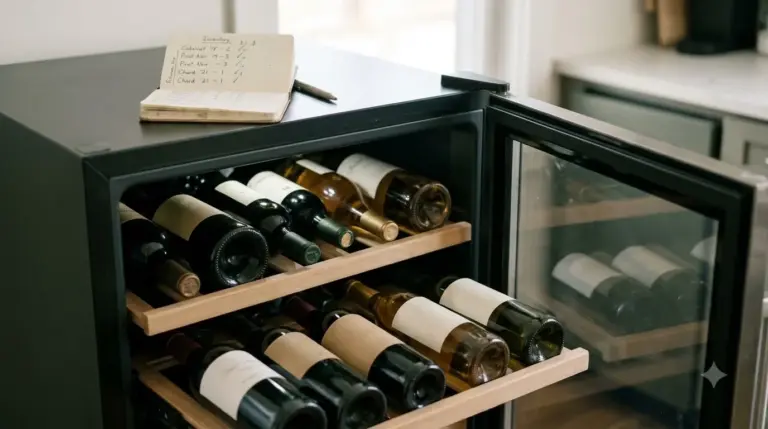
Proper storage protects the value of an Inglenook purchase, particularly when the bottle is expensive or intended for future drinking. Temperature stability, darkness, and suitable humidity are more important than displaying the bottle in a prominent place. A good storage routine helps reduce the risk of premature aging and unwanted changes in aroma and flavor.
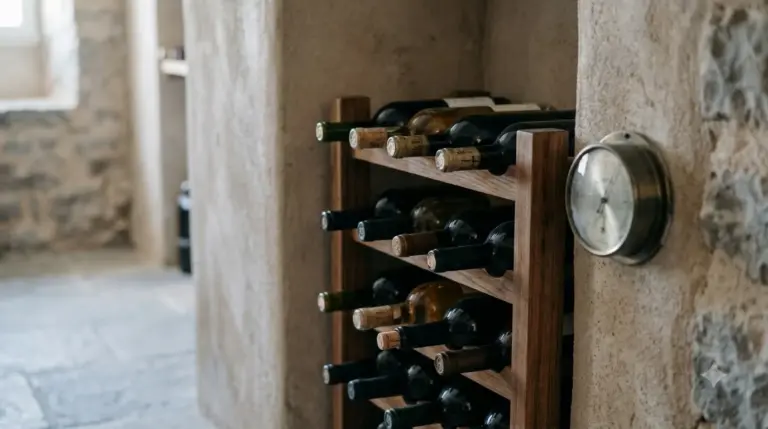
For bottles with traditional cork closures, store them horizontally so the cork remains in contact with the wine. A cellar temperature near 55°F is a useful target, provided it remains reasonably stable. Avoid locations near ovens, windows, heating vents, and other sources of repeated temperature changes. Strong sunlight and vibration are also undesirable for wines intended to be kept for extended periods.
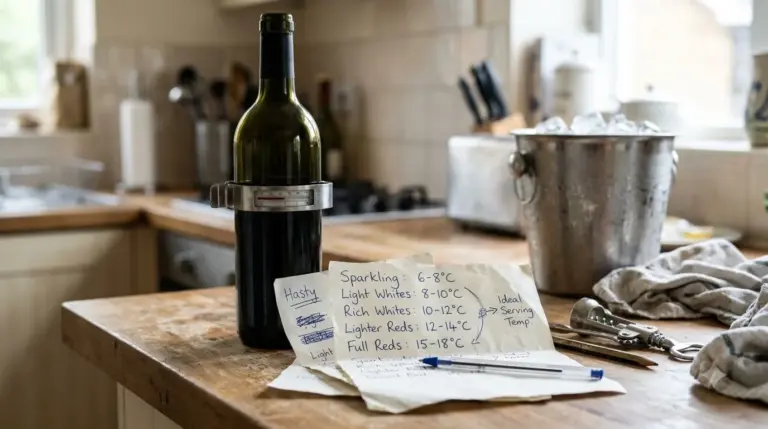
Serving temperature makes a noticeable difference. Sauvignon Blanc generally benefits from 45–50°F, while fuller white wines such as Blancaneaux are better served around 50–55°F. RC Reserve Syrah, Cabernet Sauvignon, and Rubicon are generally best around 60–65°F. Serving a powerful red too warm can make its alcohol more noticeable and its structure feel less balanced.
Young, full-bodied red wines may benefit from decanting before dinner. A general starting point is 30–60 minutes for young, structured reds, although the ideal period depends on the vintage and the wine’s condition. Inglenook specifically recommends one hour of decanting for its 2010 Rubicon. Older bottles should be handled more carefully because extended aeration may reduce their remaining aromatic freshness.
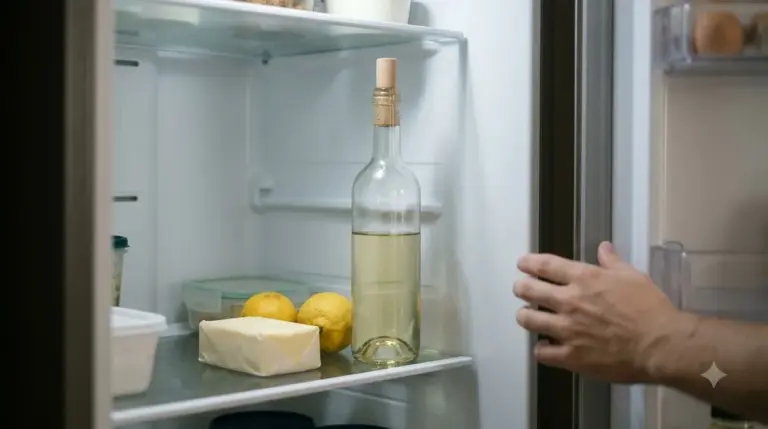
Once opened, still wines generally remain in reasonable drinking condition for approximately 3–5 days when resealed and refrigerated. Keep opened red wine in the refrigerator as well, then allow it to approach the appropriate serving temperature before pouring. White wines can usually be served directly from refrigeration after a brief adjustment if they have become excessively cold.
Pouring size also affects how much wine a bottle provides. A standard 750 ml bottle produces approximately five 5 oz glasses. That makes it easier to estimate how many bottles are needed for a dinner party without opening more expensive wine than necessary. For a small gathering, one bottle may be enough; larger celebrations require planning around guest count and the number of wines being served.
Food pairing should complement the wine’s structure. Cabernet Sauvignon and Rubicon generally work well with beef and lamb, while Syrah suits grilled meat and pepper-seasoned dishes. Blancaneaux can accompany richer poultry dishes and firm cheeses, while Sauvignon Blanc is a better match for fresh seafood and acidic sauces. Avoid pairing highly tannic red wines with delicate oily fish, as the combination can create an unpleasant metallic impression.
Frequently Asked Questions
Is Inglenook considered a luxury wine brand?
Inglenook has a premium Napa Valley position, particularly through its flagship Rubicon wine. Its portfolio also includes less expensive white wines and other estate selections, so not every bottle occupies the luxury collector category. The range makes the winery relevant to both enthusiasts exploring Rutherford wines and buyers seeking a special-occasion red.
What does the name Rubicon mean?
Inglenook explains that Rubicon takes its name from the river crossed by Julius Caesar in 49 B.C. The phrase crossing the Rubicon subsequently became associated with making an irreversible decision. The winery selected the name for its flagship red wine, which was first produced in 1978.
Can Inglenook wine be purchased directly from the winery?
Yes. Inglenook operates an official online wine collection and offers winery experiences at its Rutherford estate. Its online shop provides product selections and purchasing options for eligible customers. Shipping availability and requirements depend on the destination state.
What is the Heritage Society at Inglenook?
The Heritage Society is Inglenook’s wine-club program, designed to provide members with estate wines and additional winery benefits. Its published membership information describes allocations and experiences connected with wines including CASK Cabernet Sauvignon, Blancaneaux, Rubicon, and RC Syrah. Different membership categories have different allocation arrangements and benefits.
Does Inglenook offer winery tastings in Rutherford?
Yes. Inglenook offers tasting and estate experiences at its Rutherford property in Napa Valley, California. Reservations can be arranged through the winery’s official website. Visitors should confirm the current tasting schedule and availability before traveling, particularly for larger groups.
Inglenook offers a broad range of Napa Valley wines, with Sauvignon Blanc and Blancaneaux providing accessible entry points and Cabernet Sauvignon and Rubicon serving buyers interested in more substantial reds. The right purchase depends on your preferred style, vintage, occasion, and spending limit rather than the prestige of the label alone. Compare the same bottle format across reputable sellers, and consider the wine’s intended drinking experience before making your final selection.
More in Wine Brands
 Iron Horse Wine Review: Find the Right Sonoma Wine for Every OccasionUpdated Nov 21, 2026
 Hugel Wine Price: Compare Bottles and Find Your Best ValueUpdated Nov 21, 2026
 Infinite Monkey Theorem Wine Review: How to Choose the Right StyleUpdated Nov 21, 2026
 Is Alamos Wine Good? How to Choose the Right BottleUpdated Nov 21, 2026
 Hampton Water Wine Price: Understand Bottle Costs and ValueUpdated Nov 21, 2026
 Hess Select Wine Price: Compare Bottles and Find Your Best ValueUpdated Nov 21, 2026