


We may earn a commission when you buy through links on this page, at no extra cost to you. Learn more.
Learning how to serve tokaji comes down to chilling the bottle to 45–55°F (7–12°C) and pouring small 2-to-4-ounce portions into tulip-shaped dessert or white wine glasses. Unlike standard table wines, Hungarian Tokaji spans crisp dry whites, savory oxidative styles, and syrupy botrytized nectars that each need slight adjustments in warmth and aeration. Serving the bottle too cold mutes its signature aromas of apricot, honey, and toasted nuts, while pouring it too warm lets the residual sugar and acidity feel unbalanced.
From northeastern Hungary’s volcanic slopes, Tokaji has earned centuries of acclaim for balancing intense sweetness with razor-sharp acidity. Getting the temperature, stemware, and pour size right ensures every layer of dried stone fruit, saffron, and wet slate shows clearly from the first sip to the final drop.
Ideal Serving Temperatures by Tokaji Style
Most sweet Tokaji styles perform best between 45°F and 55°F (7°C to 12°C), whereas drier bottlings prefer slightly cooler or cellar-cool temperatures depending on oak aging and oxidation.
Because Tokaj produces several distinct Wine by Type categories—primarily from the Furmint and Hárslevelű grapes—treating every bottle identically can hide its best qualities. According to Wine Folly’s Tokaji Aszú guide, classic Aszú dessert wines shine at 45–55°F (7–12°C), a window cool enough to keep their natural acidity crisp while warm enough for complex aromatics to lift from the bowl. If a bottle sits in a standard kitchen refrigerator at 38°F overnight, pulling it onto the counter 15 to 20 minutes before pouring allows the bouquet to open naturally.
Dry and sparkling expressions require their own thermal targets to stay lively on the palate. Fresh, unoaked dry Furmint tastes brightest at 46–50°F (8–10°C), similar to the chill recommended when learning how to serve pinot grigio. Barrel-fermented dry Furmint and older Aszú vintages reward an extra few degrees of warmth around 50–54°F (10–12°C), while savory Dry Szamorodni shows its nutty, sherry-like complexity best at 54–57°F (12–14°C). Sparkling Tokaji belongs in an ice-and-water bucket at 43–46°F (6–8°C) to preserve fine carbonation.
| Tokaji Style | Target Temperature (°F) | Target Temperature (°C) | Recommended Pour Size | Glassware Choice |
|---|---|---|---|---|
| Sparkling Tokaji | 43–46°F | 6–8°C | 4–5 oz | Tulip sparkling or white wine glass |
| Fresh Dry Furmint | 46–50°F | 8–10°C | 5 oz | Standard white wine glass |
| Barrel-Aged Dry Tokaji | 50–54°F | 10–12°C | 4–5 oz | Medium-bowled white wine glass |
| Dry Szamorodni | 54–57°F | 12–14°C | 3–4 oz | White wine or copita glass |
| Late Harvest & Sweet Szamorodni | 48–54°F | 9–12°C | 3–4 oz | Dessert or small white wine glass |
| Tokaji Aszú | 45–55°F | 7–12°C | 2–3 oz | Tulip dessert wine glass |
| Tokaji Eszencia | 48–54°F | 9–12°C | 0.5–1 oz (or crystal spoon) | Small tulip glass or tasting spoon |
Chilling gradually beats rushing the process. Submerging a warm bottle in a bucket filled with equal parts ice and cold water drops the temperature evenly in roughly 20 minutes without shocking the aromatics. Avoid placing Tokaji in a freezer, where extreme cold numbs delicate floral notes and risks cracking the glass if forgotten.
Choosing the Right Glassware and Pour Size
A tulip-shaped dessert wine glass or a smaller standard white wine glass concentrates Tokaji’s concentrated perfume while guiding the liquid cleanly across the palate.

Stemware geometry plays a major role in how sweet and high-acid wines register on your senses. Wide, oversized red wine bowls dissipate volatile aromatics too quickly, leaving honeyed wines smelling faint and tasting overly syrupy. Instead, opt for a stemmed glass with a narrow rim and a gently tapered bowl, which traps aromas of orange marmalade, beeswax, and quince right beneath your nose. Holding the glass by its stem or base prevents body heat from warming the small pour too fast.
Portion control is equally important because Tokaji packs extraordinary flavor density into every drop. Traditional Hungarian 500-milliliter bottles are designed specifically for modest 2-to-3-ounce dessert pours, yielding roughly six to eight servings per bottle. For dry Furmint, a standard 5-ounce white wine pour works well, much like the approach used when deciding how to serve pinot gris with dinner. At the extreme end of the spectrum, ultra-rare Tokaji Eszencia—fermented solely from free-run juice of botrytized berries—is traditionally served by the half-ounce or tasted directly from a specialized crystal spoon.
Tip: If you only own standard white wine glasses, pour half your normal amount—about 2.5 ounces—so plenty of headspace remains inside the bowl to trap Tokaji’s apricot and spice aromas.
Decanting, Opening, and Aeration
Most Tokaji bottles do not require formal decanting, though giving older vintages or structured dry Furmints 15 to 30 minutes of air in the glass softens tight acidity and releases secondary aromas.
According to Wine Folly’s history of Tokaji wine, producers age Aszú in neutral Hungarian oak barrels where controlled oxygen exposure already shapes the wine’s texture before bottling. Because of that cellar maturation, young and mid-aged Aszú bottles are ready to pour as soon as you pull the cork. Decanting a young bottle into a wide carafe rarely improves it and can prematurely flatten bright citrus top notes.
There are two exceptions where gentle aeration helps. First, youthful, tightly wound dry Furmint from volcanic vineyard sites often shows closed, stony aromatics right after opening; swirling it in a white wine glass for 15 minutes unlocks white peach and orchard blossom notes. Second, aged Aszú bottles older than 15 or 20 years can throw fine tartrate crystals or harmless sediment in the bottle. Standing an older bottle upright for 24 hours before dinner and pouring slowly into glasses leaves any sediment behind without exposing fragile aged aromatics to excessive air.
Pairing Tokaji with Food at the Table
Tokaji’s combination of lush fruit sweetness and electric acidity makes it one of the most versatile food wines on the table, pairing brilliantly with salty cheeses, rich appetizers, and fruit-based desserts.
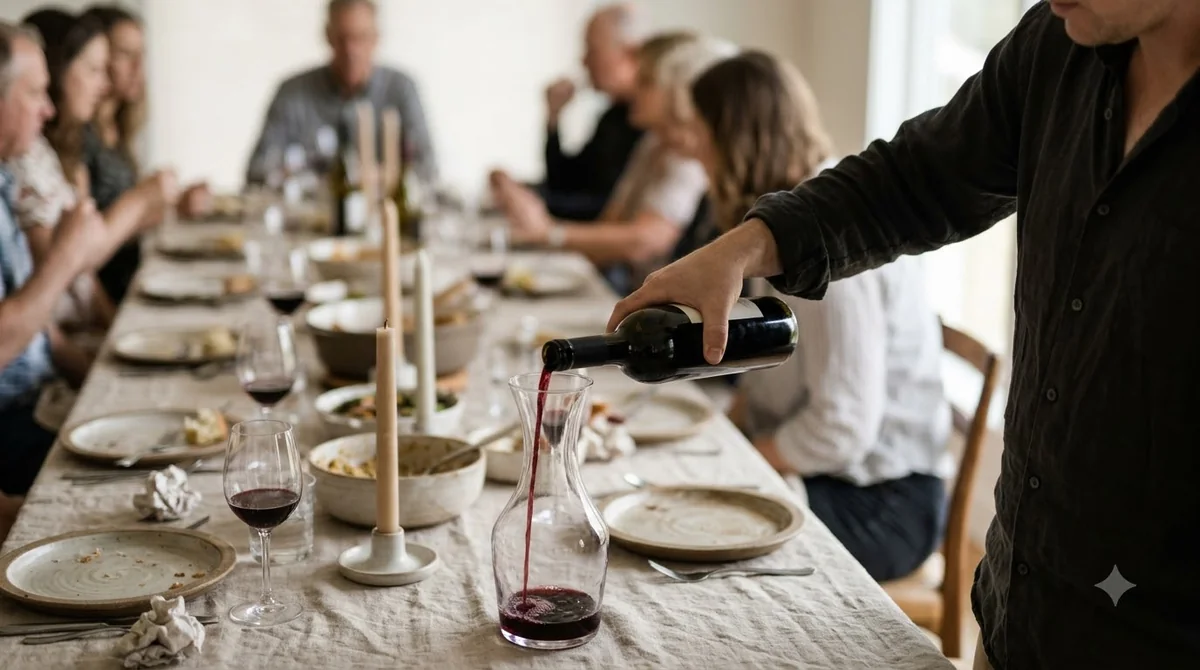
The golden rule for pairing sweet Tokaji with dessert is simple: ensure the wine is at least as sweet as the dish on the plate. If a dessert is sweeter than the wine, the Tokaji can suddenly taste sharp, thin, and bitter. Fruit tarts topped with baked apricots, poached pears, caramelized apples, or toasted almonds mirror the wine’s natural flavor profile without overwhelming its sugar level. Heavy dark chocolate ganache or overly sweet buttercream frostings generally clash with Aszú’s bright citrus acidity.
Savory pairings often produce the most memorable contrast at the table. Salty blue-veined cheeses such as Roquefort, Stilton, and Gorgonzola create an immediate sweet-and-salty balance against 5 or 6 Puttonyos Aszú. Classic European hospitality also pairs chilled Aszú or sweet Szamorodni with seared foie gras, duck liver pâté, or glazed pork belly, where the wine’s brisk acidity cuts through rich fat. Meanwhile, crisp dry Furmint serves as a refreshing aperitif or main-course partner alongside roast chicken, pan-seared trout, and wild mushroom risotto, similar to how you might plan a menu around how to serve rose.
Storing and Preserving Leftover Tokaji
Resealed and kept upright in the refrigerator, sweet Tokaji stays fresh for two to three weeks after opening, while dry Tokaji holds its vibrancy for three to five days.
High residual sugar and brisk natural acidity act as natural preservatives inside sweet Tokaji, slowing oxidation far longer than standard table wines allow. After pouring your servings, push the original natural cork back into the neck—or insert an airtight silicone wine stopper—and place the bottle upright in your refrigerator. Storing the bottle vertically minimizes the surface area of wine exposed to oxygen inside the neck.
Dry Furmint and sparkling Tokaji behave like conventional white wines once opened. Re-cork dry bottles promptly and keep them chilled to preserve crisp apple and citrus flavors for up to four days, or use a vacuum pump to stretch freshness by an extra day. When you return to a refrigerated bottle of sweet Aszú days later, pour your glasses and let them sit on the table for ten minutes so the chill lifts back into the 45–55°F sweet spot.
Frequently Asked Questions
Should Tokaji wine be served chilled or at room temperature?
Tokaji should always be served chilled rather than at room temperature. Sweet styles like Tokaji Aszú and Late Harvest taste best between 45°F and 55°F (7–12°C), while dry Furmint shines at 46–50°F (8–10°C). Serving it at warm room temperature dulls its refreshing acidity and makes the sweetness feel heavy.
What kind of glass do you drink Tokaji in?
Serve sweet Tokaji in a small, tulip-shaped dessert wine glass or a modest standard white wine glass with a tapered rim. This shape traps concentrated aromas of apricot, honey, and spice while directing the wine cleanly across your palate. For dry Furmint, use a regular stemmed white wine glass.
Do you need to decant Tokaji before serving?
No, most Tokaji wines do not need decanting because oak barrel aging already integrates their flavors before bottling. Simply open the bottle 15 minutes before serving to let it warm slightly from fridge temperature. If you are opening an aged vintage older than 15 years, stand the bottle upright a day ahead so any natural sediment settles to the bottom.
How long does an open bottle of Tokaji last in the fridge?
Thanks to its high sugar content and natural acidity, sweet Tokaji Aszú lasts two to three weeks in the refrigerator when tightly recorked and stored upright. Dry Tokaji styles such as dry Furmint are much more delicate and should be finished within three to five days of opening.
Serving Tokaji well requires just a little attention to chill, glassware, and portion size. Keep your bottle cool rather than icy, pour modest servings into stemmed tulip glasses, and let the wine warm slowly in the hand as you enjoy its layered aromas with savory cheeses or fruit desserts.
More in Wine Types & Grapes
 Zinfandel Sugar Content: Dry Red vs. White Zinfandel GramsUpdated Nov 21, 2026
 Best Zinfandel Substitute Options for Sipping and CookingUpdated Nov 21, 2026
 Zweigelt Food Pairing: Best Dishes, Cheeses, and Serving TipsUpdated Nov 21, 2026
 Zinfandel Tannins Explained: How Structure Shapes Every BottleUpdated Nov 21, 2026
 Zinfandel Sweetness Level: Dry Red vs. Sweet White Zin ExplainedUpdated Nov 21, 2026
 Xinomavro Food Pairing: Best Dishes, Styles, and Serving TipsUpdated Nov 21, 2026