

We may earn a commission when you buy through links on this page, at no extra cost to you. Learn more.
Tokaji wine is the family of wines from the Tokaj region of northeastern Hungary, and it ranges from bone-dry whites to some of the sweetest wines in the world. The region is built around Furmint and Hárslevelű grapes, and its reputation rests on sweet styles made from grapes touched by noble rot. Knowing the main categories, such as Szamorodni, Aszú and Eszencia, makes it much easier to choose a bottle that matches your taste.
Many shoppers see the name Tokaji and assume it means one sweet dessert wine. In reality, the label covers a whole range of styles, from crisp dry whites to rich, honeyed sweet wines that can last for decades. This guide maps out that range, explains the grapes and sweetness levels, and points to where each style fits at the table.
Where Tokaji Wine Comes From
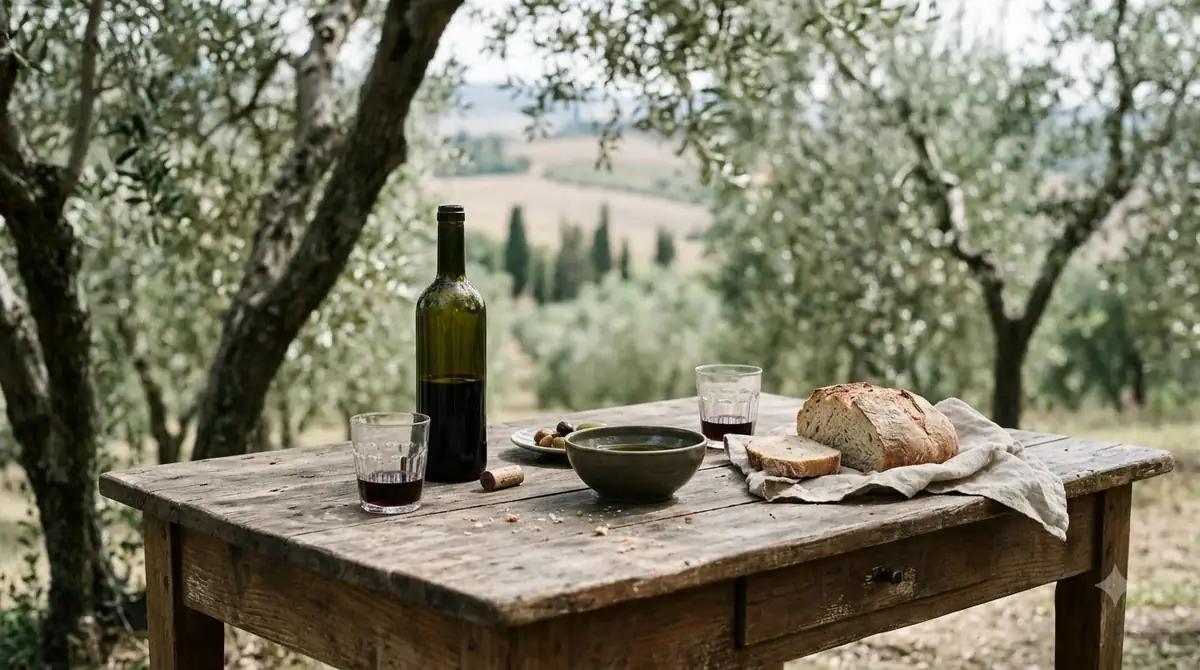
The Tokaj region lies in the northeast of Hungary, with part of the wine area extending into Slovakia. The vineyards sit on a plateau about 457 metres above sea level, near the Carpathian Mountains, and the volcanic soils are rich in iron and lime. That combination of elevation, soil and a long autumn is the reason the region can produce both fresh dry wines and sweet wines made from botrytised fruit.
Tokaji is a small wine area by volume, so most bottles are made in limited quantities. Producers often work on steep, terraced slopes, and the choice of which vineyards to harvest in a given year depends on the weather and on how much noble rot has developed. For an overview of the grape behind most styles, the Wine Folly guide to Furmint explains how its high acidity shapes both dry and sweet wines.
The Grapes Behind Tokaji
Six grape varieties are approved for Tokaji wine, but two of them do most of the work. Furmint covers roughly 60 percent of the planted area, and Hárslevelű accounts for about 30 percent, according to reference descriptions of the region. Furmint is valued for its acidity and its ability to age, while Hárslevelű adds floral, herbal character and a softer edge.
Furmint’s skins thin as the grape ripens, which lets noble rot take hold, and a second skin helps protect the fruit from unwanted rot. That balance is why Furmint is the core of the most famous sweet styles, and it also makes an elegant dry wine when it is picked before the botrytis develops.
Dry and Off-Dry Styles
Dry Tokaji is the entry point for many drinkers. These wines are lighter in body than Aszú and show citrus, green apple, ginger and smoky notes, with the high acidity typical of Furmint. They suit a wide range of foods, from herb-crusted poultry and fish to delicate Asian dishes, and they tend to work well as aperitifs.
Szamorodni is the traditional style that sits between dry and sweet. It can be made in both forms, and the sweet versions carry a noticeable level of residual sugar. Drier Szamorodni has much less sugar and a more savory profile, so the style covers a wide spectrum. Reading the label carefully helps, since the words used for the sweetness level vary between producers.
Sweet Styles: Aszú, Eszencia and Late Harvest
The sweet styles are where Tokaji becomes famous. Aszú is the best-known, made from individually picked botrytised berries, and it is rated by puttonyos from 3 to 6 according to the sugar in the finished wine. Eszencia is the most concentrated product of the region, a syrupy juice that drips from the aszú dough and carries very little alcohol.
| Style | Sweetness | What to expect |
|---|---|---|
| Dry Furmint | Dry | Citrus, green apple, high acid, light body |
| Szamorodni (dry) | Low residual sugar | Savory, nutty, more texture |
| Szamorodni (sweet) | Noticeable residual sugar | Honey, dried fruit, around 14 percent alcohol |
| Late harvest | Medium to sweet | Ripe fruit with bright acid |
| Aszú (3 to 6 puttonyos) | Rich and sweet, rising with the number | Apricot, orange peel, honey, long finish |
| Eszencia | Extremely sweet, very low alcohol | Sipping wine in small glasses |
Tip: If you are new to the region, start with a dry Furmint or a light Szamorodni before moving to Aszú. The jump in sweetness is large, and a gentler style helps you learn the shape of the wine.
How Noble Rot Shapes the Region
Noble rot, caused by the fungus Botrytis cinerea, is the key to Tokaji’s sweet styles. The fungus grows on ripe grapes when damp autumn weather gives way to dry, sunny days, and it draws water out of each berry so the sugar and acid become more concentrated. Growers return to the vineyard several times, picking only the affected berries, and in some years the harvest continues well into winter.
That slow, selective work is why sweet Tokaji is expensive and why it makes up only a small share of the region’s total output. Because the botrytis does not appear in the same way every year, the sweet styles vary from vintage to vintage, and the producer’s judgment about when to pick matters a great deal.

Aging, Serving and Pairing
Tokaji is a wine that rewards attention in the glass, and a few simple habits make a big difference. Avoid serving any Tokaji too cold, since the aromas will be muted, and do not leave an open sweet bottle standing in a warm room for long.
Dry Tokaji is usually ready to drink on release, though the better Furmint bottles can develop more depth with a few years in the cellar. Aszú and Eszencia are made to age. Producers typically age Aszú in cask for several years before it reaches the market, and the wine keeps well when it is stored in a cool, dark place. Older bottles tend to move toward dried apricot, marmalade and toasted nut flavors.
Choosing a bottle becomes easier when you read the label with a few questions in mind. Does it say dry, or does it use a term that signals sweetness? Is the bottle a Szamorodni, an Aszú with a puttonyos number, or an Eszencia? Which vintage is it, and how long has the producer aged it? Those four points tell you most of what you need before you pour.
Serve dry Tokaji lightly chilled and pair it with fish, poultry or lighter Asian dishes. Serve sweet Tokaji in small pours, lightly chilled, with blue cheese, fruit desserts or foie gras. A small tulip-shaped glass helps concentrate the aromas for both styles.
If you enjoy the acid and freshness of dry Tokaji, you may also like the bright, lifted character of a Riesling or a dry white from a cool climate. For a red wine that sits far from Tokaji’s sweetness, cabernet sauvignon wine offers firm tannins and very little residual sugar, which is a useful contrast when you are building a tasting flight.
Frequently Asked Questions
Is all Tokaji wine sweet?
No. The region produces dry and off-dry wines, especially from Furmint, as well as sweet styles such as Szamorodni, Aszú and Eszencia. Check the label or the producer’s description to see where a bottle falls.
What is the difference between Tokaji and Tokaji Aszú?
Tokaji is the wider regional name covering many styles. Tokaji Aszú is one specific sweet category made from botrytised berries and rated by puttonyos, usually from 3 to 6.
Which grapes are used in Tokaji wine?
Six grape varieties are approved, but Furmint and Hárslevelű make up most of the vineyards. Furmint is the main grape for the best dry and sweet wines.
Is sweet Tokaji a good match for dessert?
Yes. Sweet styles pair well with fruit desserts, crème brûlée and blue cheese, because the acidity balances the sugar. Keep portions small, since the sweetness is concentrated.
Tokaji wine rewards a bit of curiosity, because the region offers a range of styles that few other wine areas can match. For a deeper look at the sweetest style, read about tokaji aszu wine, or browse the full list of categories in Wine by Type.
More in Wine Types & Grapes
 Zinfandel Sugar Content: Dry Red vs. White Zinfandel GramsUpdated Nov 21, 2026
 Best Zinfandel Substitute Options for Sipping and CookingUpdated Nov 21, 2026
 Zweigelt Food Pairing: Best Dishes, Cheeses, and Serving TipsUpdated Nov 21, 2026
 Zinfandel Tannins Explained: How Structure Shapes Every BottleUpdated Nov 21, 2026
 Zinfandel Sweetness Level: Dry Red vs. Sweet White Zin ExplainedUpdated Nov 21, 2026
 Xinomavro Food Pairing: Best Dishes, Styles, and Serving TipsUpdated Nov 21, 2026