

We may earn a commission when you buy through links on this page, at no extra cost to you. Learn more.
The harslevelu grape is a Hungarian white wine variety best known for producing aromatic wines with linden blossom, honey, pear and apricot notes. It is especially important in Tokaj, where winemakers use it for dry varietal wines, blends and sweet Tokaji Aszú. Depending on the harvest and winemaking approach, Hárslevelű can produce everything from fresh, approachable whites to rich, honey-scented dessert wines.
Hungary’s best-known wines often feature Furmint, but Hárslevelű deserves equal attention from anyone interested in the country’s native grapes. Its floral personality, silky texture and ability to work in both dry and sweet styles make it a versatile choice. Understanding where it grows, how it tastes and how producers use it makes choosing a bottle much easier.
What Is Hárslevelű and Where Does the Grape Come From?
Hárslevelű is a traditional Hungarian white grape with a history stretching back several centuries. Its name translates as “linden leaf,” a reference to the distinctive shape of its foliage, and its wines are known for floral aromas that recall the blossoms and honey of the same tree.

The variety is particularly associated with Tokaj, a historic wine region in northeastern Hungary. It is the second most important grape grown there after Furmint. According to Wines of Tokaj, Hárslevelű represents approximately 19% of the region’s grape plantings, compared with about 60% for Furmint. This substantial presence explains why the grape plays such an important part in the region’s traditional wines.
Hárslevelű is not exclusive to Tokaj. Hungary’s other growing areas include Eger and Villány, while smaller plantings can be found in Austria’s Burgenland and South Africa. According to the Hungarian wine authority Magyar Bor, the country has approximately 1,630 hectares of Hárslevelű, with around 20% of that area in Tokaj. Its official Hungarian Hárslevelű grape profile also describes the variety’s history, regional distribution and traditional wine styles.
The variety has a documented history dating to the middle of the 18th century. Older Hungarian records also used names such as Zöld Szőlő and Halszőlő. Genetic research has established a relationship with Furmint, with Furmint identified as one of Hárslevelű’s parents. This connection helps explain why the two grapes are frequently grown and blended together.
Although both varieties are central to Tokaj, they have different personalities. Furmint is generally valued for its pronounced acidity, structure and ability to develop concentrated sweetness. Hárslevelű contributes more obvious floral and honeyed aromas, often giving a blend a softer, more immediately expressive character.
For readers exploring unfamiliar wine varieties, Hárslevelű belongs in the same broader discovery process as the Airén grape and other lesser-known white varieties. Its importance, however, comes from a particularly strong connection to Hungary’s native wine traditions.
Vineyard Characteristics, Ripening and Harvest
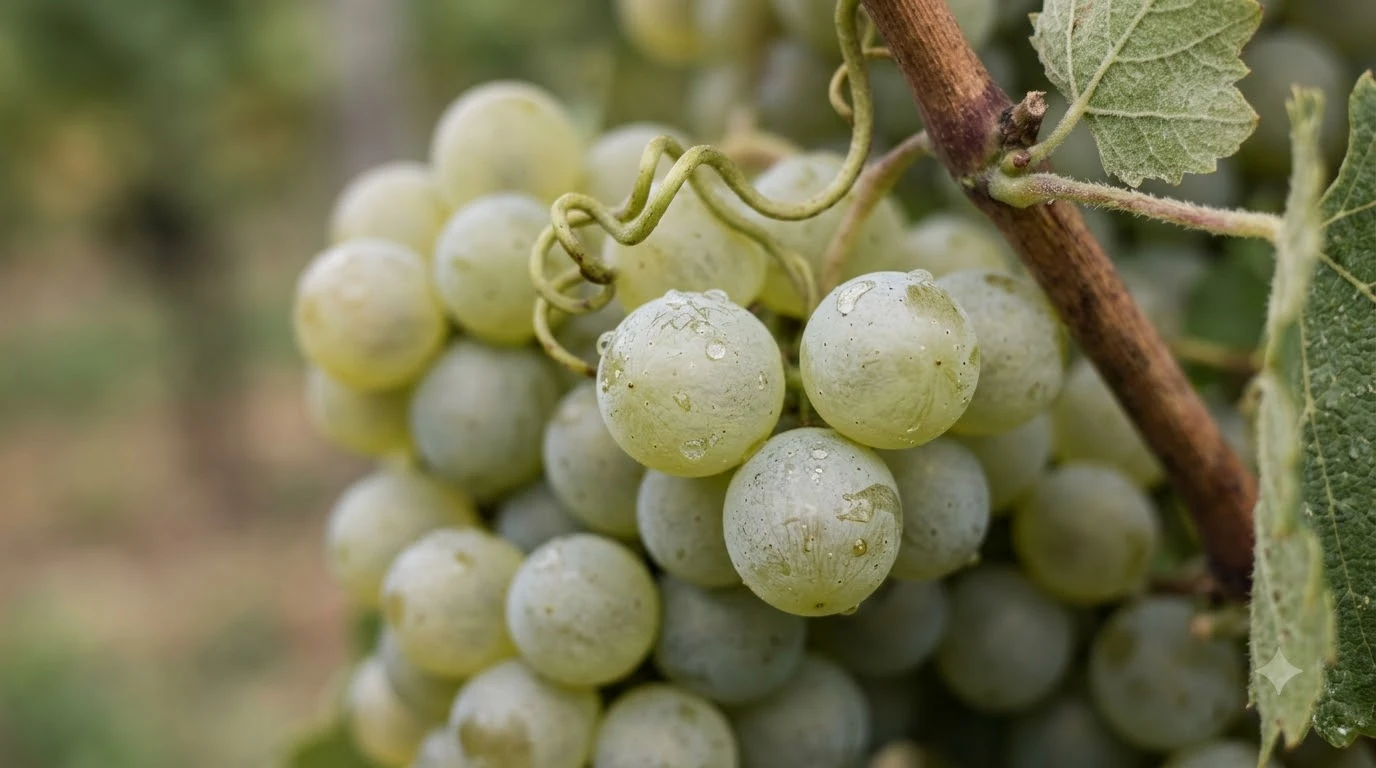
Hárslevelű is a vigorous-growing vine that produces relatively large, loose bunches of round berries. Its late ripening and sensitivity to unfavorable growing conditions mean that vineyard location, autumn weather and harvest timing have a significant influence on the finished wine.
The grape’s name refers to its leaves, but its bunch structure is another important identifying characteristic. The berries grow less tightly packed than those of some other varieties. According to Grand Tokaj, this arrangement makes the fruit less susceptible to rotting. The berries also have characteristics that distinguish their response to vineyard conditions from those of Furmint.
However, Hárslevelű is not an especially easy grape to grow everywhere. Grand Tokaj describes its tolerance of weather extremes and vine diseases as relatively limited. Its vigorous growth also requires attention to vineyard management, even though the winery notes that its canopy-management needs are not particularly demanding compared with Furmint.
Ripening generally takes place relatively late in the season. In Tokaj, fully ripe Hárslevelű for dry wine is typically harvested during September and early October. Depending on the desired wine style and autumn conditions, harvest activity can extend considerably later.
This timing matters because the producer must decide whether to preserve fresh fruit and acidity or leave the grapes on the vine to develop greater concentration. Later harvesting can create opportunities for overripe fruit and noble rot, although Hárslevelű generally produces fewer botrytised grapes than Furmint.
Botrytis cinerea, commonly called noble rot when it develops under favorable conditions, is central to Tokaj’s most celebrated sweet wines. It changes the character of ripe grapes, concentrating sugars and creating additional aromas associated with dried fruit, honey and spice. Hárslevelű can contribute to these wines, but it is not usually the primary source of the region’s concentrated Aszú berries.
Tip: When comparing two Hárslevelű bottles, look at the harvest style as well as the vintage. A wine made from normally ripe September fruit will usually offer a fresher, more fruit-focused experience than a late-harvest or botrytised example.
Hárslevelű Wine Taste, Aroma and Texture
Hárslevelű is an aromatic white wine grape with a recognizable combination of floral, honeyed and ripe-fruit characteristics. Linden blossom, pear and apricot are particularly useful tasting references, while higher-quality examples can show chestnut, herbal tea and subtle mineral notes.

Linden blossom is perhaps the most distinctive aromatic reference. It gives the wine a delicate floral quality rather than the intensely perfumed character associated with some Muscat varieties. Honey notes often accompany the flowers, especially in ripe or slightly sweet examples.
Fruit aromas usually include pear, apricot and other stone fruits. Depending on the growing conditions and the winemaking approach, the fruit can appear fresh and juicy or more concentrated and rounded. Some bottles also develop hints of chestnut, herbal tea and gentle spice.
Texture is another important part of the grape’s identity. Magyar Bor describes Hárslevelű as a medium-bodied wine with a silky texture and balanced, relatively soft acidity. Fuller-bodied examples can feel richer and more substantial, particularly when the wine has been fermented or matured in a way that adds texture.
The overall impression is generally aromatic without being overwhelming. Rather than relying on sharp acidity or powerful fruit intensity, Hárslevelű often succeeds through the combination of fragrance, moderate structure and a smooth palate.
Typical Hárslevelű tasting profile
- Appearance: Usually pale straw to deeper golden yellow, depending on ripeness, sweetness and age.
- Primary fruit: Pear, apricot and other stone fruits.
- Floral aromas: Linden blossom and delicate flower notes.
- Additional aromas: Honey, chestnut, herbal tea and occasional spice.
- Body: Generally medium, with richer examples offering more weight.
- Texture: Silky and sometimes slightly oily.
- Acidity: Balanced and relatively soft in many finished wines.
- Finish: Floral, honeyed and fruit-driven, sometimes with a subtle mineral character.
Not every bottle will display all these characteristics. A young, dry Hárslevelű may emphasize pear and fresh flowers, while a sweeter late-harvest wine can show honey, dried apricot and more concentrated fruit. Producer choices and vineyard conditions create meaningful differences between bottles.
Dry, Sweet and Blended Hárslevelű Wine Styles
Hárslevelű is not limited to one sweetness level or production method. It can produce dry, off-dry, medium-sweet and intensely sweet wines, and it has an important supporting role in traditional Tokaj blends.
Dry Hárslevelű is an excellent starting point for people discovering the variety. These wines generally emphasize floral aromas, pear, stone fruit and a silky mouthfeel. They can be enjoyed on their own or alongside food, particularly poultry, pork and dishes with moderately rich sauces.
Off-dry examples retain the variety’s floral character while introducing a perceptible sweetness. This style can be particularly attractive for drinkers who prefer a softer palate without moving into full dessert-wine territory. The balance between sweetness and acidity is important because a wine with enough freshness will feel more lively than one dominated by residual sugar.
Medium-sweet and late-harvest versions offer greater concentration. Honey, ripe apricot and dried-fruit notes become more prominent, making these wines suitable for richer dishes and desserts. The sweetness level varies by producer, harvest conditions and the amount of sugar remaining after fermentation.
Hárslevelű in Tokaji Aszú
One of the variety’s most important traditional roles is in Tokaji Aszú, Hungary’s celebrated botrytised dessert wine. In this style, Hárslevelű works alongside Furmint, which provides much of the structural backbone and acidity.
According to Disznókő, Hárslevelű contributes herbal tea, honey and floral aromas. The estate uses it not only in dry wines but also in Late Harvest, Szamorodni and base wines for Aszú. The producer’s description of its Tokaj grape varieties explains how Hárslevelű contributes fragrance and how its role differs from Furmint. This illustrates how a single grape can contribute to several different expressions of a regional wine tradition.
Hárslevelű generally produces fewer botrytised grapes than Furmint. Consequently, its role in Aszú is often more aromatic than structural. Its contribution can help create additional layers of fragrance and complexity in a wine that already has considerable concentration.
Debrői Hárslevelű
Another important regional expression is Debrői Hárslevelű, associated with the Eger wine district. This protected wine style uses Hárslevelű as its principal variety and offers another way to understand the grape outside Tokaj.
According to Magyar Bor, Debrői Hárslevelű blends must contain at least 85% of the variety. The remaining proportion allows producers some flexibility when balancing different vintages and wine characteristics. The style can be produced in Classic, Superior and late-harvest versions.
The following table summarizes the main styles and their typical characteristics.
| Wine style | Sweetness | Typical characteristics | Best use |
|---|---|---|---|
| Dry | Dry | Pear, linden blossom, fresh flowers | Everyday meals and poultry |
| Off-dry | Slightly sweet | Apricot, honey and floral aromas | Spiced dishes and pork |
| Medium-sweet | Noticeably sweet | Ripe stone fruit and honey | Fruit-based desserts |
| Late harvest | Sweet | Concentrated fruit, honey and dried apricot | Cakes and creamy desserts |
| Tokaji Aszú blend | Sweet | Botrytis-derived complexity and floral notes | Rich desserts and blue cheese |
Best Food Pairings and Serving Temperature
Dry Hárslevelű works particularly well with poultry, pork and veal because its floral aromas and silky texture complement these foods without overwhelming their flavors. Sweeter versions are better suited to desserts and dishes with noticeable sweetness.
For a dry bottle, roasted chicken is a dependable pairing. The wine’s pear and floral notes complement the mild flavor of the meat, while its texture works well with roasted vegetables and moderately rich pan sauces. Chicken with herbs or a creamy mushroom sauce is another sensible option.
Pork is equally suitable. Roasted pork loin, grilled pork chops and dishes featuring apples or pears can bring out the wine’s stone-fruit character. A slightly off-dry Hárslevelű can also work with gently spiced pork because a little sweetness softens the overall impression of seasoning.
Veal is another traditional pairing, particularly when served with a moderately rich sauce. The medium body of Hárslevelű can support the dish without creating the heavy sensation that a strongly oaked or highly alcoholic wine might produce.
Pairing sweet Hárslevelű
Late-harvest and sweet Hárslevelű wines are especially suitable for fruit desserts, honey cakes, cream desserts and richer cakes. The important principle is to select a wine that is at least as sweet as the dessert. If the food is noticeably sweeter, the wine can taste thin or excessively acidic by comparison.
Fruit salads containing ripe pears, peaches or apricots can work particularly well with a floral sweet version. Cream-based desserts offer another option because their texture complements the wine’s honeyed character.
Mild blue cheese can also be worth considering with a sweeter bottle. The contrast between salty cheese and concentrated fruit sweetness can be appealing, provided the wine has enough sweetness to balance the salt.
Serving temperatures
Temperature affects how Hárslevelű expresses its aromas and texture. A wine served too cold may seem less fragrant, while excessive warmth can make its alcohol and sweetness more prominent.
- Dry Hárslevelű: Approximately 46–50°F.
- Off-dry Hárslevelű: Approximately 45–50°F.
- Sweet Hárslevelű: Approximately 43–46°F.
Magyar Bor recommends serving dry Hárslevelű at 8–10°C (46–50°F) in a tulip-shaped white wine glass. Sweet versions are best served at 6–8°C (43–46°F), preferably in a smaller tulip-shaped glass or a dessert wine glass.
For a standard tasting, a 5-ounce pour gives enough room to appreciate the aromas without filling the glass excessively. A 750-milliliter bottle provides approximately five standard glasses.
How to Choose and Store a Bottle of Hárslevelű
The easiest way to choose Hárslevelű is to begin with the sweetness level and regional origin. A dry Tokaj bottling is a useful introduction to the grape’s floral personality, while a late-harvest example offers a more concentrated expression.
Start by deciding how you intend to drink the wine. For a dinner with roasted chicken or pork, a dry bottle is usually the most practical choice. For a cheese course or dessert, an off-dry, medium-sweet or late-harvest example may be more suitable.
Next, consider the region. Tokaj is the best-known source and offers both dry varietal wines and blends with Furmint. Eger provides another important perspective through Debrői Hárslevelű. These regional differences can influence the wine’s texture, structure and overall aromatic profile.
Producer information can also help. Disznókő, for example, identifies Hárslevelű as 12% of its estate’s approved grape varieties and uses it in several wine styles. Its description of herbal tea, honey and flowers provides a useful indication of the aromatic direction the grape can take.
For a first purchase, consider a straightforward dry wine rather than beginning with a particularly sweet or heavily concentrated example. This makes it easier to recognize the grape’s core aromas. Once familiar with that profile, comparing it with a late-harvest version can reveal how ripeness and winemaking change the result.
Storage and drinking windows
Store unopened Hárslevelű bottles away from direct sunlight and major temperature fluctuations. A cool storage environment near 55°F is suitable for longer-term bottle storage. Bottles sealed with natural cork are generally best kept on their sides to maintain contact between the wine and the closure.
Simple, fresh dry and off-dry Hárslevelű wines are generally intended for relatively early drinking. Magyar Bor recommends enjoying these examples young, preferably from a recent vintage. This approach preserves their fresh fruit and floral qualities.
More complex estate wines, dry blends and single-vineyard bottlings can have greater development potential. According to Magyar Bor, these wines may develop well over one or two years in the bottle. Their richer texture and more developed flavors make them suitable candidates for short-term cellaring.
Late-harvest and sweet wines require a different approach because their concentration and residual sugar can support a different aging trajectory. Their actual drinking window depends on acidity, sugar concentration, winemaking and storage conditions. There is no single aging schedule that applies to every bottle.
Once opened, keep the bottle refrigerated and use a suitable closure. As a general guideline, most still wines remain enjoyable for approximately three to five days after opening, although their floral aromas may gradually become less expressive.
Readers comparing unfamiliar varieties may also enjoy exploring the Brachetto grape, which provides a contrasting aromatic wine experience, or the Dornfelder grape, a red variety with a very different profile. For broader comparisons across wine styles, the Wine by Type resource provides a useful starting point.
How Hárslevelű Compares With Furmint and Other White Grapes
Hárslevelű and Furmint are closely connected through Tokaj’s history, but their differences are important when selecting a bottle. Hárslevelű is generally more aromatic and softer in expression, while Furmint is better known for its firm acidity and structural character.
Furmint is the leading grape of Tokaj and is particularly important in the production of both dry white wines and Tokaji Aszú. Its pronounced acidity helps sweet wines retain freshness despite their concentrated sugar levels. Hárslevelű, by comparison, often supplies more recognizable floral and honeyed aromas.
The two grapes can complement one another in a blend. Furmint contributes structure and acidity, while Hárslevelű adds fragrance and a softer texture. This division of roles is one reason both varieties remain central to Tokaj’s wine identity.
Hárslevelű also differs from Sauvignon Blanc and Riesling, two international white varieties that can offer pronounced acidity and more sharply defined citrus or green-fruit aromas. Hárslevelű generally presents a rounder impression, with linden blossom, honey and stone fruit taking the lead.
Compared with Chardonnay, Hárslevelű can offer a similarly broad range of textures, but its characteristic floral fragrance is quite different. Chardonnay’s expression depends heavily on its growing region and winemaking, while Hárslevelű is especially recognizable for its linden-related aromas.
It is also useful to distinguish Hárslevelű from Muscat-based wines. Both can be aromatic, but Muscat often has a more overtly grapey and perfumed character. Hárslevelű tends to show more restrained flowers, honey, pear and herbal notes.
For someone accustomed to drinking Sauvignon Blanc, a dry Hárslevelű can be an interesting alternative when a less sharply acidic wine is desired. For someone who enjoys aromatic Riesling, an off-dry Hárslevelű offers another way to experience floral aromas and a touch of sweetness.
These comparisons are general rather than absolute. Vineyard conditions, ripeness, fermentation and maturation can produce significant differences between individual wines. The most reliable approach is to compare bottles with similar sweetness levels and serving temperatures.
Frequently Asked Questions
Is Hárslevelű the same grape as Lindenblättriger?
Yes. Lindenblättriger is a German-language synonym for Hárslevelű, referring to the resemblance between its leaves and those of the linden tree. The variety is also known as Lipovina in Slovak-speaking regions. These names refer to the same Hungarian grape rather than separate varieties.
Can Hárslevelű be used to make sparkling wine?
Yes, Hárslevelű can be used in sparkling wine production, including as part of a base wine blend. Disznókő specifically identifies its use in base wines for Aszú, while the broader versatility of the variety allows producers to explore different winemaking approaches. Its aromatic character can offer an interesting alternative to more familiar sparkling-wine grapes.
Is Hárslevelű suitable for vegetarian food?
Yes. Dry Hárslevelű can accompany dishes such as roasted squash, mushroom risotto and vegetable gratins. Its floral aromas and silky texture work particularly well with vegetables prepared using herbs, butter or moderately rich sauces. For sweeter versions, consider vegetarian desserts featuring pears, peaches or honey.
Does Hárslevelű have oak aging?
Some Hárslevelű wines may be matured in oak, but oak aging is not a defining requirement of the variety. Many examples emphasize fresh fruit and floral aromas without making wood the dominant characteristic. The winemaker’s choices determine whether the finished wine has additional notes of spice, toast or a richer texture.
What is the difference between Hárslevelű and Debrői Hárslevelű?
Hárslevelű is the grape variety, whereas Debrői Hárslevelű is a protected regional wine designation associated with Hungary’s Eger district. Its blends must contain at least 85% Hárslevelű. The designation also allows different styles, including Classic, Superior and late-harvest wines, giving producers room to express regional and vintage characteristics.
Hárslevelű is one of Hungary’s most distinctive white grapes, combining linden blossom, honey, pear and silky texture in a versatile range of wines. Start with a dry Tokaj bottling to discover its floral character, then explore an off-dry or late-harvest example to see how the same grape develops greater richness and sweetness. Whether enjoyed on its own, alongside a meal or as part of a traditional Tokaji blend, Hárslevelű offers a rewarding introduction to Hungary’s native wine heritage.
More in Wine Types & Grapes
 What Does Ruby Port Taste Like? Flavor Notes, Styles, and Serving TipsUpdated Nov 21, 2026
 What Does Ribolla Gialla Taste Like? Crisp White and Amber Styles ExplainedUpdated Nov 21, 2026
 What Does Semillon Taste Like? Flavor Profile, Styles & PairingsUpdated Nov 21, 2026
 What Does Scuppernong Taste Like? Flavor, Styles, and Pairing GuideUpdated Nov 21, 2026
 What Does Saperavi Taste Like? Flavors, Styles, and Pairing GuideUpdated Nov 21, 2026
 What Does Natural Wine Taste Like? Flavors, Styles, and Serving TipsUpdated Nov 21, 2026