

We may earn a commission when you buy through links on this page, at no extra cost to you. Learn more.
If you are wondering how to pronounce ruche, the wine grape Ruchè is pronounced “roo-KAY” (or “roo-KEH” in native Italian), with the stress placed squarely on the second syllable. Unlike the English sewing term “ruche” (pronounced “roosh”), this rare red grape hails from northwestern Italy’s Piedmont region, so the final accented vowel is always sounded out rather than silent. Knowing this simple two-syllable pronunciation allows you to order Ruchè di Castagnole Monferrato at an Italian wine bar or shop with total confidence.
Wine labels frequently borrow spelling conventions from multiple European languages, which is why a five-letter Italian grape can easily trip up American wine lovers. Because the word looks identical to the French-derived English noun used in fashion and drapery, many people instinctively drop the final vowel. Once you understand the Italian phonetics behind the accent mark, however, saying it out loud becomes effortless.
What It Is and Why the Accent Changes Everything
Ruchè is a rare, semi-aromatic red wine grape native to Piedmont in northwestern Italy, and its grave accent (`è`) signals that the final vowel must be pronounced as a crisp “ay” or “eh” sound. Mastering how to pronounce ruche starts with separating the Italian wine term from the French-origin English word “ruche,” which refers to a pleated strip of fabric and rhymes with “push” or “woosh.”
In standard Italian spelling, a grave accent over the letter “e” at the end of a word indicates two things: the vowel is open and vocalized, and the spoken emphasis lands on that final syllable. Native speakers in Piedmont say “roo-KEH,” while English-speaking sommeliers and importers commonly adapt it to “roo-KAY.” Both versions are immediately understood in restaurants and retail shops across the United States, whereas saying “roosh” will likely leave a server puzzled—or have them thinking of Michel Chapoutier’s Crozes-Hermitage bottling called La Petite Ruche, which actually uses the French pronunciation.
Beyond its name, the grape itself has a remarkable backstory rooted in monastic vineyards and near-extinction. According to Wine Enthusiast, the variety nearly vanished during the twentieth century until a local parish priest named Don Giacomo Cauda arrived in Castagnole Monferrato in the late 1960s and began propagating old vines and vinifying the grape in a dry style. Today, DNA research indicates that Ruchè is a natural crossing between Malvasia Aromatica di Parma and a Croatian red grape, explaining its unusual floral perfume.
If you are building your confidence with tricky wine vocabulary, Italian varieties are actually much more consistent than French ones once you learn the vowel rules. Unlike how to pronounce chardonnay, where silent consonants and French nasal vowels dictate the sound, Italian grapes are strictly phonetic. Every letter you see on a Ruchè label is spoken cleanly, with no silent endings.
Quick Pronunciation Guide for Ruchè Labels
Reading a full bottle label can feel intimidating when the grape name is paired with its official Italian appellation title. Breaking the full phrase down syllable by syllable ensures you can ask for the wine smoothly from start to finish.
| Label Term | Phonetic Pronunciation | Stressed Syllable | Meaning on the Bottle |
|---|---|---|---|
| Ruchè | roo-KAY (or roo-KEH) | Second (-KAY) | The red grape variety |
| Castagnole | kah-stah-NYOH-leh | Third (-NYOH-) | The central village of production |
| Monferrato | mohn-fehr-RAH-toh | Third (-RAH-) | The historic hilly sub-region in Piedmont |
| Riserva | ree-ZEHR-vah | Second (-ZEHR-) | Aged at least 24 months, including 12 in wood |
| DOCG | dee-oh-chee-jee | Final (-jee) | Italy’s highest quality classification tier |
When you put the whole appellation together, “Ruchè di Castagnole Monferrato” sounds like “roo-KAY dee kah-stah-NYOH-leh mohn-fehr-RAH-toh.” In casual conversation at a wine shop, you rarely need to recite all five words; simply asking a staff member if they carry any “roo-KAY” from Piedmont is more than enough to point them toward the right shelf.
You may also notice occasional spelling variations on older labels or international wine lists, where the word is printed as “Ruché” with an acute accent rather than a grave accent. Regardless of which direction the accent mark leans on the label, the spoken pronunciation remains identical.
Flavor Profile and Wine Styles
In the glass, Ruchè stands apart from classic Piedmontese reds by pairing intensely floral aromatics with a medium-bodied, spice-driven palate. Reviewers at Decanter highlight its signature nose of dark cherry, violet, cardamom, cinnamon, and nutmeg, followed by a creamy texture and a peppery, lavender-laced finish.
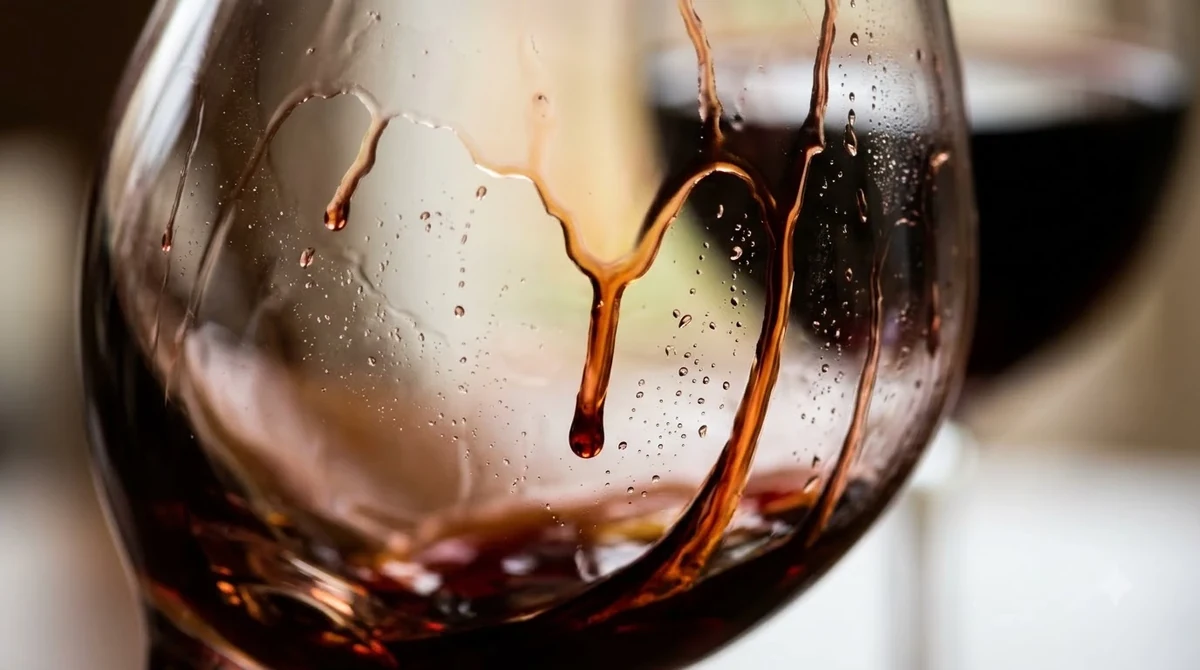
Most contemporary bottlings are vinified completely dry and fermented in stainless steel or concrete tanks to preserve the grape’s delicate rose-petal and red-berry perfume. On the palate, you can expect bright flavors of wild strawberry, raspberry, and tart cherry backed by brisk acidity and moderate, fine-grained tannins. Alcohol levels typically sit around 14 percent to 15 percent ABV, giving the wine a generous, warming mid-palate without feeling heavy or syrupy.
A smaller number of producers also craft a Riserva style, which spends time aging in oak barrels before release. Oak aging softens the bright berry notes and brings forward deeper flavors of dried flowers, sweet baking spices, and forest floor. Historically, local farmers made Ruchè as a sweet or lightly sparkling wine for village feast days, though dry still versions now account for the overwhelming majority of bottles exported to the United States.
If you enjoy exploring different categories across Wine by Type, Ruchè occupies an intriguing middle ground. It delivers the lifted, aromatic complexity of a warm-climate Pinot Noir or Grenache alongside the savory spice and food-friendly grip that define northern Italian reds.
Where It Grows
Ruchè is cultivated almost exclusively within a tiny pocket of the Monferrato hills in Piedmont, located roughly midway between Turin and Genoa. The official Ruchè di Castagnole Monferrato DOCG zone covers just seven small municipalities in the province of Asti: Castagnole Monferrato, Grana, Montemagno, Portacomaro, Refrancore, Scurzolengo, and Viarigi.
Total vineyard plantings span roughly 170 hectares, making this one of Italy’s smallest and most tightly concentrated wine appellations. Vineyards are planted on rolling hillsides between 120 and 400 meters above sea level, where calcareous clay soils rich in ancient marine fossils give the wines their aromatic lift and structural backbone. Warm daytime sunshine ripens the fruit thoroughly, while cool night breezes descending from the Alps lock in natural acidity.
Because total annual production hovers around one million bottles—with only about a third exported outside Italy—Ruchè remains a true insider discovery in American wine shops. Producers such as Luca Ferraris, Montalbera, Prediomagno, and Tenuta Montemagno have led the modern revival of the appellation, championing single-vineyard expressions that showcase the nuances of these hillside slopes.
How to Serve Ruchè
Serving Ruchè slightly cooler than a standard full-bodied red wine is the best way to keep its floral bouquet crisp and its 14 percent to 15 percent alcohol smoothly balanced. Aim for a serving temperature between 60°F and 65°F (16°C to 18°C), which allows the rose and violet aromatics to shine without letting alcohol warmth dominate the nose.
If you store your wine at typical room temperature, placing the bottle in the refrigerator for 15 to 20 minutes before opening will bring it right into the ideal range. Pour the wine into a medium-sized tulip or Bordeaux-style stemware glass with a bowl wide enough to gather the volatile floral compounds while channeling the aromas toward your nose.
Young, unoaked bottlings do not require extended decanting and are ready to enjoy as soon as they are poured, though giving the wine 15 to 20 minutes of air in the glass helps open up its secondary spice notes. For structured Riserva bottlings aged in oak, a brief 30-minute decant smooths out the tannins and deepens the savory finish.
Tip: When ordering at a restaurant, remember that Italian grape names never take a silent final “e”—treating every terminal vowel as an active syllable will help you nail dozens of Italian wine terms alongside Ruchè.
Food Pairing
Ruchè’s combination of bright acidity, moderate tannins, and aromatic spice makes it remarkably versatile at the dinner table, especially with dishes that overwhelm heavier reds. In its native Piedmont, locals pair it with traditional regional specialties such as egg-rich tajarin pasta with meat ragù, mushroom risotto, aged Toma cheese, and cured salumi.
Beyond northern Italian comfort food, the grape’s natural notes of white pepper, cinnamon, and cardamom allow it to pair effortlessly with lightly spiced global cuisines. Roasted duck with herbs, grilled pork tenderloin with stone fruit, Moroccan-spiced lamb, and moderately spiced Thai or Chinese dishes all harmonize with the wine’s sweet-fruited perfume and refreshing acidity.
Because the tannins are softer than those of Nebbiolo-based wines like Barolo or Barbaresco, Ruchè also works well alongside rich vegetarian dishes. Roasted root vegetables, eggplant parmesan, and truffled polenta echo the wine’s earthy undertones without clashing with its delicate floral top notes.
How to Choose a Bottle
When shopping for Ruchè in the United States, start by looking for the official “Ruchè di Castagnole Monferrato DOCG” designation printed clearly on the front or neck label. Under appellation rules, the wine must contain at least 90 percent Ruchè, with up to 10 percent Barbera or Brachetto permitted in the blend, though many top estates bottle 100 percent varietal expressions.
Decide between a classic, unoaked style and a Riserva based on the occasion and your palate preferences. Standard bottlings labeled simply with the appellation name highlight fresh red berries, rose petals, and crisp acidity, making them ideal for sipping slightly chilled on their own or pairing with weeknight poultry and pasta dishes. Bottles labeled “Riserva” have undergone at least two years of aging, including one year in wood, delivering greater depth, softer tannins, and richer spice notes suited to braised meats.
Pay attention to the vintage date on the label as well, since unoaked Ruchè is generally at its most vibrant within two to four years of harvest. While you build out your wine pronunciation vocabulary, you can also explore other classic European terms like how to pronounce cuvee and how to pronounce claret to feel equally comfortable reading French and British wine terminology.
Frequently Asked Questions
Is ruche pronounced like the French word “roosh”?
No, the Italian wine grape Ruchè is never pronounced “roosh.” While the English sewing term “ruche” comes from French and uses a silent “e,” the Italian grape carries a grave accent on the final vowel, making it a two-syllable word pronounced “roo-KAY” or “roo-KEH.”
What is the difference between Ruchè and Ruché with an acute accent?
There is no difference in meaning or pronunciation between the two spellings. Official Italian DOCG regulations spell the grape “Ruchè” with a grave accent, while some international publications and older labels print “Ruché” with an acute accent, and both are spoken as “roo-KAY.”
Is Ruchè wine sweet or dry?
Modern Ruchè di Castagnole Monferrato is almost always vinified as a completely dry red wine. Although it was historically made in a sweet style for local religious celebrations in Piedmont, contemporary winemakers produce dry, aromatic reds with bright acidity and crisp red-berry fruit.
How does Ruchè compare to Barolo or Barbera?
Ruchè grows in the same broader Piedmont region as Barolo and Barbera, but it offers a distinct sensory profile. It is much more overtly floral than Barbera, with pronounced aromas of rose petals and sweet spices, while having noticeably softer, more approachable tannins than age-worthy Nebbiolo wines like Barolo.
Pronouncing Ruchè as “roo-KAY” is a small piece of wine knowledge that opens the door to one of northern Italy’s most distinctive and aromatic red grapes. Next time you spot a bottle from Castagnole Monferrato on a restaurant list or specialty shop shelf, you can ask for it by name and enjoy a glass of Piedmontese history.
More in Wine Types & Grapes
 Zinfandel Sugar Content: Dry Red vs. White Zinfandel GramsUpdated Nov 21, 2026
 Best Zinfandel Substitute Options for Sipping and CookingUpdated Nov 21, 2026
 Zweigelt Food Pairing: Best Dishes, Cheeses, and Serving TipsUpdated Nov 21, 2026
 Zinfandel Tannins Explained: How Structure Shapes Every BottleUpdated Nov 21, 2026
 Zinfandel Sweetness Level: Dry Red vs. Sweet White Zin ExplainedUpdated Nov 21, 2026
 Xinomavro Food Pairing: Best Dishes, Styles, and Serving TipsUpdated Nov 21, 2026