

We may earn a commission when you buy through links on this page, at no extra cost to you. Learn more.
The answer to how to pronounce roussanne is “roo-SAHN,” broken into two smooth syllables with a soft emphasis on the second half. The initial “ou” makes a long “oo” sound like the word “room,” while the “anne” ending drops the silent final “e” to rhyme with “on” or “lawn.” Understanding this simple French phonetic pattern lets you order this classic Rhône Valley white wine with complete ease.
Many American wine drinkers hesitate when spotting Roussanne on a restaurant list or retail shelf because its double consonants and silent ending look intimidating on paper. Once you strip away the extra letters, however, the name rolls off the tongue effortlessly and opens the door to one of the most expressive, textured white grapes in the wine world.
Breaking Down the Pronunciation
Pronouncing French grape names correctly comes down to recognizing a few recurring spelling habits rather than memorizing rigid linguistic rules. With Roussanne, the spelling follows standard French phonetics where vowel combinations blend together and trailing vowels go silent.
Start with the first syllable, “rouss,” which sounds identical to the English word “roost” without the final “t”. In French, the letter pairing “ou” consistently produces a clean, rounded “oo” sound rather than the “ow” sound found in English words like “house.” Avoid saying “row-san” or “roo-zanne,” as the double “s” keeps the consonant crisp and unvoiced, much like the “s” in “sun.”
Move directly into the second syllable, “anne,” which is pronounced “sahn” to rhyme with “lawn” or “on”. Because the final “e” is completely silent, you should never tack on an extra “uh” or “ee” sound at the end of the word. Give the second syllable a gentle lift in stress—roo-SAHN—so it mirrors the natural cadence of native French speakers.
If you already feel comfortable asking for other French classics at the dinner table, you already possess the muscle memory needed for this grape. Just as learning how to pronounce chardonnay teaches you to drop hard endings in favor of smooth vowels, mastering Roussanne builds confidence across the entire Rhône section of a wine list. It shares an identical rhythmic ending with Marsanne (mar-SAHN), its longtime blending partner in southern France.
| Grape or Term | Phonetic Pronunciation | Syllable Breakdown | Common Mistake to Avoid |
|---|---|---|---|
| Roussanne | roo-SAHN | roo (like room) + SAHN (like lawn) | Saying “row-san” or pronouncing the final “e” |
| Marsanne | mar-SAHN | mar (like far) + SAHN (like lawn) | Rhyming the ending with “Anne” |
| Viognier | vee-oh-NYAY | vee + oh + NYAY | Pronouncing the “g” or trailing “r” |
| Grenache Blanc | gruh-NAHSH BLAHNK | gruh + NAHSH + BLAHNK | Hard “ch” sound like “church” |
| Châteauneuf-du-Pape | shah-toh-nuff-doo-PAHP | shah + toh + nuff + doo + PAHP | Dropping the “f” sound in “neuf” |
What Roussanne Is and Where It Comes From
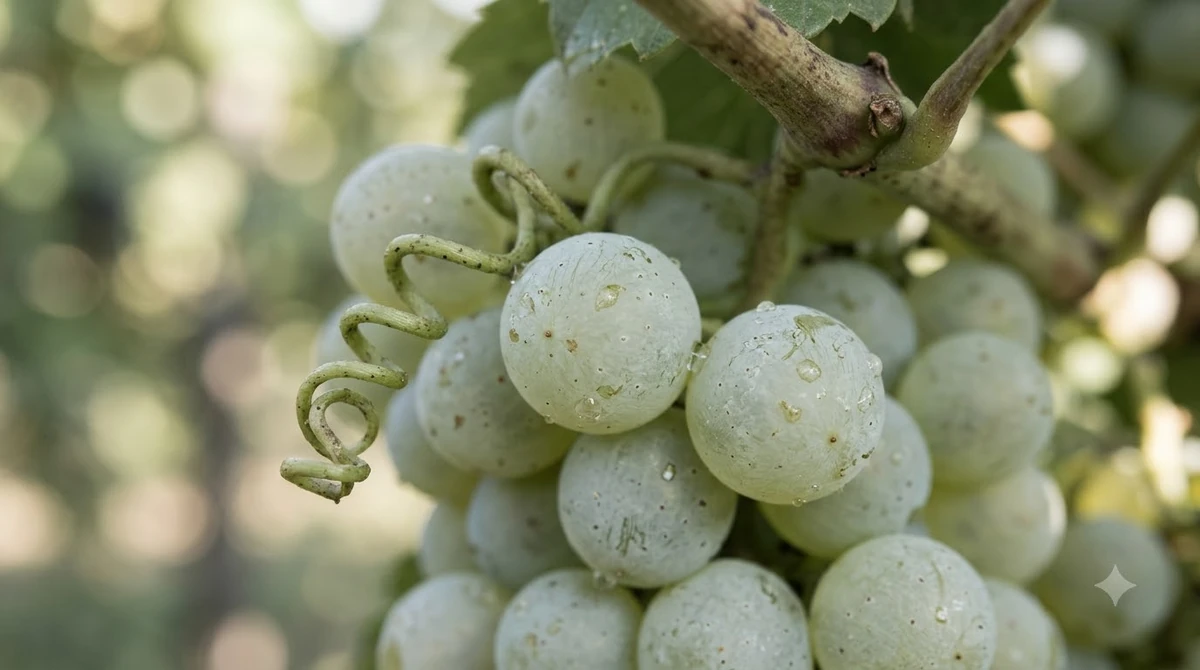
Roussanne is an ancient white wine grape native to France’s Rhône Valley, celebrated for producing full-bodied, aromatic wines with remarkable longevity. Its name derives from the French word “roux,” meaning russet or reddish-brown, which describes the distinctive golden-amber hue the grape skins develop right before harvest.
In the vineyard, Roussanne has earned a reputation among growers as both rewarding and demanding. The vines bud late and ripen mid-to-late in the season, requiring long, sunny days to achieve full physiological ripeness without losing their natural balance. Because the grape is susceptible to powdery mildew, rot, and wind damage, growers often plant it alongside hardier varieties to safeguard their harvests.
Historically, Roussanne plays a foundational role in both the Northern and Southern Rhône. In Northern Rhône appellations such as Hermitage, Crozes-Hermitage, and Saint-Joseph, winemakers frequently pair it with Marsanne to bring aromatic lift and finesse to the blend. Further south in Châteauneuf-du-Pape and Côtes du Rhône, it joins Grenache Blanc, Clairette, and Bourboulenc to create rich, complex white blends.
Beyond France, the grape has found an enthusiastic second home in California’s Central Coast, Washington State, and parts of Australia. American producers—particularly pioneers in Paso Robles and Santa Barbara County—often bottle Roussanne as a 100 percent single-varietal wine, showcasing its lush texture and opulent fruit character. Exploring this grape is a rewarding step when browsing Wine by Type to expand beyond everyday white staples.
Flavor Profile and Winemaking Styles
According to Wine Folly’s comprehensive guide to Roussanne, the grape yields a full-bodied white wine characterized by herbal tea aromas, orchard fruit, and an oily, enveloping texture. Unlike zesty, high-acid whites such as Sauvignon Blanc, Roussanne leans into weight, roundness, and layered aromatics.
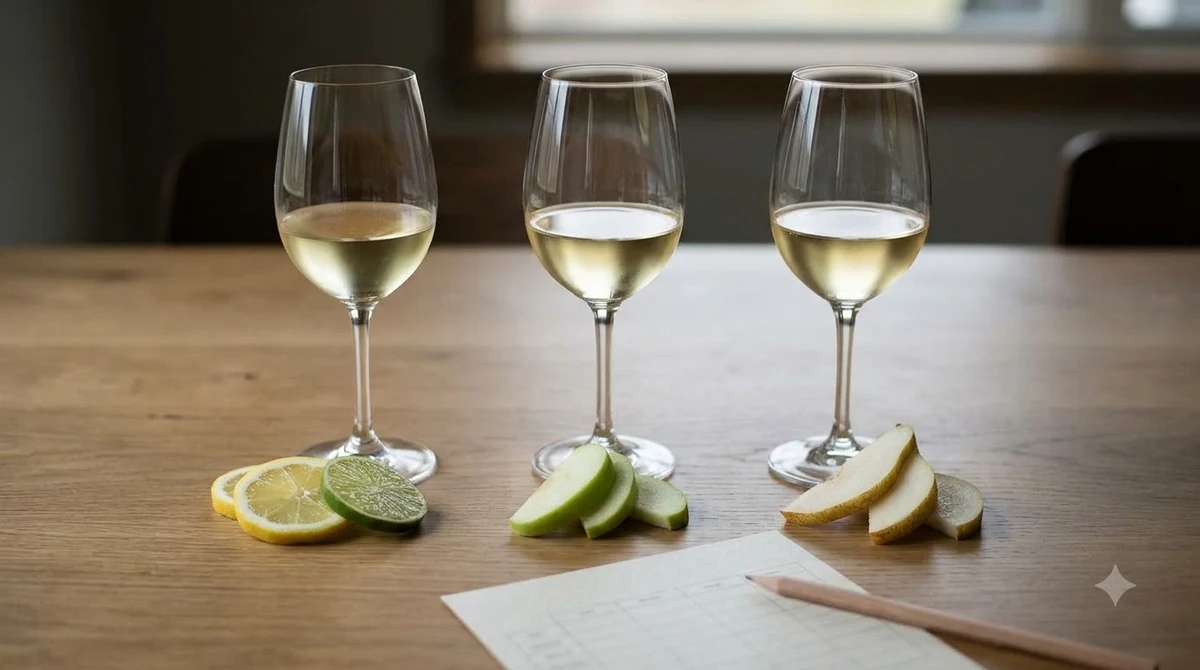
In its youth, a glass of Roussanne greets the nose with fresh Bartlett pear, ripe apricot, white peach, and fragrant honeysuckle. Beneath the fruit lies a signature savory streak reminiscent of chamomile, dried thyme, beeswax, and raw almond. Alcohol levels typically land between 13 percent and 14.5 percent ABV, contributing to a plush, mouth-coating palate with moderate acidity.
Winemakers shape Roussanne into two distinct stylistic camps depending on vessel choice. When fermented and aged in stainless steel tanks, the wine preserves vibrant floral notes, crisp pear flavors, and bright tension. Conversely, when fermented or matured in French oak barrels, Roussanne takes on toasted hazelnut, brioche, vanilla, and baking spice notes that rival fine white Burgundy.
One of Roussanne’s rarest traits among white grapes is its ability to age gracefully over a decade or more. While lighter whites fade after two or three years, top-tier Roussanne evolves in the cellar, trading bright orchard fruit for deeply complex notes of honeycomb, quince paste, roasted nuts, and earthy truffle.
How to Serve Roussanne
Serving Roussanne at the proper temperature is essential because excessive cold locks away its delicate floral and herbal aromatics. Aim for a cool cellar temperature between 50°F and 55°F (10°C to 13°C) rather than straight out of a standard kitchen refrigerator.
If your bottle has been chilling in the fridge overnight, pull it out roughly 20 to 30 minutes before pouring so the wine can warm slightly. As the liquid approaches 52°F, the tight, closed nose blossoms into expressive layers of apricot, honey, and toasted almond, while the texture turns silky rather than heavy.
Glassware also plays a noticeable role in how Roussanne performs at the table. Choose a wide-bowled white wine glass—the same shape used for oaked Chardonnay—rather than a narrow Sauvignon Blanc flute. The broader surface area allows oxygen to interact with the wine and channels its complex aromatics directly toward your nose. While young bottles rarely require decanting, an older vintage or tightly wound Châteauneuf-du-Pape Blanc benefits from 30 minutes of air in a carafe.
Tip: When ordering at a restaurant, practice saying “roo-SAHN” aloud once before the sommelier arrives, or simply ask for “the white Rhône blend” if the label lists multiple grapes.
Food Pairings for Roussanne
Because Roussanne combines full body, moderate acidity, and subtle herbal spice, it excels alongside rich, savory dishes that would overwhelm lighter white wines. Its creamy texture acts as a natural bridge to butter, cream sauces, and roasted meats.
Seafood preparations with richness and weight make natural companions for oak-aged or single-varietal Roussanne. Reviewers at Wine Enthusiast and culinary sommeliers frequently highlight buttery shellfish such as poached lobster, Dungeness crab cakes, and pan-seared sea scallops. Pan-roasted halibut or turbot finished with brown butter and fresh thyme also echoes the wine’s natural herbal undertones.
Poultry and pork dishes provide equally rewarding matches, especially when prepared with warm, aromatic spices rather than fiery chili heat. Roast chicken with mushrooms, pork tenderloin with roasted apples, or Moroccan chicken tagine accented with apricots, almonds, and cumin harmonize beautifully with the wine’s stone-fruit core.
For vegetarian meals and cheese boards, lean into earthy, nutty, and creamy flavors. Butternut squash ravioli tossed in sage brown butter, wild mushroom risotto, and baked Brie or triple-cream Camembert mirror Roussanne’s lush mouthfeel. Avoid pairing it with aggressively spicy dishes or heavily charred barbecue, as intense capsaicin heat amplifies alcohol warmth and masks the wine’s nuance.
How to Choose a Bottle of Roussanne
Shopping for Roussanne becomes straightforward once you know where to look on the bottle label and which regions match your palate preferences. Because it appears both solo and in blends, reading the back label often reveals whether Roussanne leads the wine or plays a supporting role.
If you want to experience Roussanne in its purest, most exuberant form, look toward California’s Paso Robles, Santa Ynez Valley, or Washington’s Yakima Valley. Producers in these regions regularly bottle 100 percent varietal Roussanne, clearly printing the grape name on the front label. These bottles typically emphasize ripe peach, honeyed pear, and plush oak spice.
If you prefer greater minerality, restraint, and savory complexity, turn to French appellations. In France, labels rarely list grape varieties on the front; instead, look for regional names like Hermitage Blanc, Crozes-Hermitage Blanc, Saint-Joseph Blanc, or Châteauneuf-du-Pape Blanc. Understanding regional label terms—much like learning how to pronounce claret for Bordeaux or how to pronounce cuvee for special blends—helps you spot world-class Roussanne blends hidden behind traditional French geography.
Frequently Asked Questions
Is Roussanne pronounced “roo-sahn” or “row-san”?
Roussanne is pronounced “roo-SAHN,” with the first syllable rhyming with “room” and the second rhyming with “lawn”. Saying “row-san” applies English vowel rules to a French word and is incorrect. Keep the double “s” sharp and leave the final “e” completely silent.
Is Roussanne wine sweet or dry?
Roussanne is almost always fermented completely dry. Although its rich aromas of honey, ripe apricot, and honeysuckle can trick your brain into expecting sweetness, the wine contains virtually no residual sugar. Winemakers occasionally craft rare late-harvest dessert versions, but standard table bottlings are dry.
How does Roussanne compare to Chardonnay?
Roussanne shares Chardonnay’s full body, creamy texture, and affinity for French oak aging, making it an easy transition for Chardonnay fans. However, Roussanne tends to display more floral, herbal tea, and stone-fruit aromatics alongside slightly softer acidity. Unoaked versions feel rounder and more aromatic than crisp Chablis-style Chardonnay.
Why is Roussanne usually blended with Marsanne?
Winemakers blend Roussanne and Marsanne because their strengths compensate for each other in both the vineyard and the cellar. Marsanne grows more reliably and brings mid-palate weight and structure, while Roussanne contributes vibrant floral aromatics, acidity, and aging potential. Together, they create balanced white Rhône wines that neither grape easily achieves alone.
Once you have “roo-SAHN” down, ordering this expressive Rhône white becomes effortless at any wine bar or dinner table. Whether you choose a pure California bottling or a classic French blend, serve it lightly chilled alongside rich seafood or roasted poultry to appreciate its layered character.
More in Wine Types & Grapes
 Zinfandel Sugar Content: Dry Red vs. White Zinfandel GramsUpdated Nov 21, 2026
 Best Zinfandel Substitute Options for Sipping and CookingUpdated Nov 21, 2026
 Zweigelt Food Pairing: Best Dishes, Cheeses, and Serving TipsUpdated Nov 21, 2026
 Zinfandel Tannins Explained: How Structure Shapes Every BottleUpdated Nov 21, 2026
 Zinfandel Sweetness Level: Dry Red vs. Sweet White Zin ExplainedUpdated Nov 21, 2026
 Xinomavro Food Pairing: Best Dishes, Styles, and Serving TipsUpdated Nov 21, 2026