
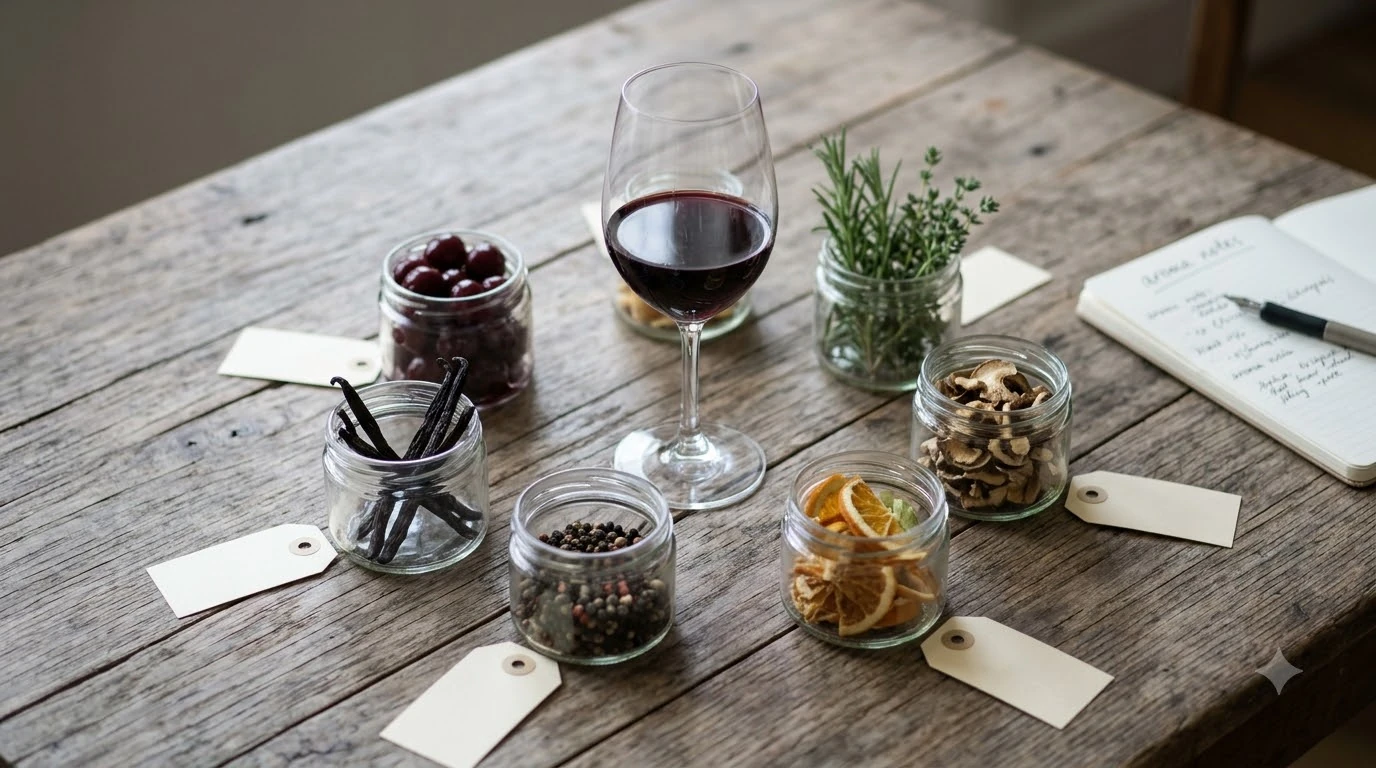

We may earn a commission when you buy through links on this page, at no extra cost to you. Learn more.
Learning how to pronounce primitivo comes down to four clear syllables: pree-mee-TEE-voh, with the main stress on the third syllable. Every “i” in the Italian name sounds like a sharp “ee” rather than the short “ih” found in the English word primitive. The final “v” is voiced like a standard English “v,” ending on a rounded “oh” sound.
Ordering Italian reds at a restaurant or wine shop becomes much easier once you realize Italian is strictly phonetic. Unlike French labels that hide silent letters—which often trips up shoppers learning how to pronounce chardonnay or how to pronounce cuvee—Italian wine words give every vowel its full, consistent voice.
Breaking Down the Pronunciation
Saying Primitivo like an Italian speaker requires breaking the habit of reading the first five letters like the English adjective “primitive”. Once you swap those short vowel sounds for crisp, bright “ee” vowels, the word flows effortlessly.
In standard Italian phonetics, the letter “i” always makes the long “ee” sound found in the English word “tree”. The first syllable, Pri, starts with a lightly tapped “r” followed by that bright vowel, sounding like “pree”. The second syllable, mi, sounds just like the English pronoun “me,” spoken quickly and without emphasis.
The rhythmic peak arrives on the third syllable, ti, which sounds like “TEE” and carries the primary stress of the entire word. Finally, the last syllable, vo, uses a clean, voiced “v” sound—not an “f” sound—paired with a short, pure “oh” vowel that does not trail off into an “oo”. Putting those four pieces together gives you pree-mee-TEE-voh.
| Syllable | Phonetic Sound | English Rhyme / Cue | Stress Level |
|---|---|---|---|
| Pri- | pree | Rhymes with “tree” (light rolled or tapped R) | Unstressed |
| -mi- | mee | Sounds like “me” | Unstressed |
| -ti- | TEE | Sounds like “tea” | Primary Stress |
| -vo | voh | Voiced V + pure “oh” (as in “vote”) | Unstressed |
Tip: When ordering a full appellation bottle off a restaurant wine list, say pree-mee-TEE-voh dee mahn-DOO-ree-ah for Primitivo di Manduria.
What Primitivo Is and Why It Has That Name
Primitivo is a dark-skinned red wine grape best known from southern Italy that shares identical DNA with California Zinfandel. Its name comes from Latin roots meaning “first” or “early,” referring to its rapid ripening cycle rather than anything rustic or unsophisticated.
In the late eighteenth century, a priest in the Puglian town of Gioia del Colle noticed one specific vine in his vineyard ripened weeks earlier than the surrounding varieties. By the end of August, those dark clusters were already packed with sugar and ready for harvest, prompting him to propagate the vine under the name Primitivo.
Centuries later, ampelo-geneticists confirmed through DNA profiling that Primitivo and Zinfandel are clones of the exact same grape variety, which originally hails from Croatia under the names Crljenak Kaštelanski and Tribidrag. While they share genetic roots, Wine Enthusiast notes that regional soils, vine clones, and winemaking traditions give Italian Primitivo a distinct personality compared to its California counterpart.
Flavor Profile and Wine Styles
Primitivo produces deeply pigmented, full-bodied red wines known for lush dark berry fruit, warm baking spices, and generous alcohol levels. Depending on where and how it is vinified, styles range from bright, food-friendly everyday reds to dense, structured bottlings and naturally sweet dessert wines.
In the glass, dry Primitivo typically shows an inky ruby-purple color and aromas of blackberry jam, ripe red cherry, dried fig, and black pepper. Reviewers at Wine Enthusiast point out that warmer vineyard sites and oak aging often layer notes of anise, tobacco, violet, and blood orange rind over that concentrated fruit core. Because the grape accumulates high natural sugar in warm climates, dry bottlings frequently sit between 14% and 16% alcohol by volume.
Beyond standard dry reds, winemakers also craft Primitivo into dry rosés and rich late-harvest dessert wines. Under the Primitivo di Manduria Dolce Naturale designation, grapes are left on the vine to partially raisinate, concentrating their natural sugars into a plush, sweet red wine layered with dried fig and warm spice.
Where Primitivo Grows
Puglia—the sun-drenched heel of Italy’s boot—is the heartland of Primitivo production, where Mediterranean breezes temper the southern heat. Within this long coastal region, specific appellations produce markedly different expressions of the grape.
The most famous appellation is Primitivo di Manduria, located near the Ionian coast in southern Salento. According to Wine Folly, wines carrying the Primitivo di Manduria label must contain at least 85% Primitivo, and Riserva bottlings require a minimum of 14% ABV. These wines tend to be dense, velvety, and richly spiced.
Further inland on higher-elevation limestone plateaus sits Gioia del Colle, the grape’s historic Puglian birthplace. Cooler night temperatures here preserve sharper natural acidity, yielding Primitivo wines that feel slightly lighter, more floral, and more savory than coastal bottlings. Shoppers exploring broader Wine by Type categories will also see Salento IGT on many labels, which covers approachable, fruit-driven reds from across the peninsula.
How to Serve and Pair Primitivo
Serving Primitivo slightly cooler than standard room temperature keeps its rich fruit lively and prevents its elevated alcohol from tasting hot. Aim for a serving range of 60°F to 65°F (16°C to 18°C), which you can achieve by placing a room-temperature bottle in the refrigerator for about 15 minutes before pouring.
A large-bowled red wine glass gives the wine’s intense blackberry, violet, and pepper aromas room to open up. While younger, fruit-forward Salento IGT bottles can be poured straight from the bottle, structured Manduria Riserva bottlings benefit from 30 to 45 minutes in a decanter to soften their grip and let earthy, savory notes emerge.
At the dinner table, Primitivo’s medium acidity, soft-to-firm tannins, and plush fruit make it a natural partner for savory, richly seasoned dishes. Classic pairings include braised beef short ribs, grilled lamb chops with rosemary, roasted pork shoulder, and hard aged cheeses like Pecorino. Its subtle sweetness of fruit also handles smoky barbecue glazes and charred vegetables like grilled radicchio without tasting bitter.
How to Choose a Bottle on the Shelf
Reading the regional cues on an Italian wine label helps you predict whether a bottle of Primitivo will taste plush and opulent or bright and savory. Just as learning how to pronounce claret opens the door to understanding Bordeaux styles, decoding Puglian sub-regions makes shopping straightforward.
If you enjoy bold, velvety reds with jammy dark fruit and warming spice, look for Primitivo di Manduria on the front label. Checking the alcohol percentage on the back label also gives a reliable clue: bottles around 13.5% to 14% ABV generally lean fresher and brighter, while bottles reaching 15% or 16% ABV deliver a heavier, more concentrated mouthfeel.
For drinkers who prefer higher acidity and red-berry lift over heavy oak, seek out bottles labeled Gioia del Colle. If you see Dolce Naturale printed beneath Primitivo di Manduria, take note that you are holding a sweet dessert wine meant for after dinner rather than a dry table red.
Frequently Asked Questions
Is Primitivo pronounced with a short “i” like primitive?
No. In Italian, every “i” is pronounced like a clear “ee” sound, so the word is spoken as pree-mee-TEE-voh. Saying “prim-ih-TEE-voh” is a common English habit, though wine shop staff and sommeliers will still understand what you mean.
Are Primitivo and Zinfandel the exact same wine?
Genetically, Primitivo and Zinfandel are clones of the same grape variety that originated in Croatia. In the bottle, however, Italian Primitivo often shows earthier, more savory spice notes and slightly softer tannins than ripe California Zinfandel due to differences in climate, soil, and winemaking.
Why is the grape called Primitivo if it is not primitive?
The name comes from Latin words meaning “first” or “early to ripen,” not from anything crude or basic. An eighteenth-century Italian priest named the vine Primitivo because its grapes ripened in late August, well ahead of other red varieties in southern Italy.
Is Primitivo a dry or sweet red wine?
Most Primitivo sold in the United States is vinified completely dry, even though its ripe blackberry and cherry flavors give a lush impression of fruitiness. Sweet versions exist, but they are clearly labeled as Primitivo di Manduria Dolce Naturale.
Once you lock in the four-syllable rhythm of pree-mee-TEE-voh, ordering one of southern Italy’s most expressive reds becomes second nature. Whether you reach for a bright, earthy bottle from Gioia del Colle or a plush glass from Manduria, you will know exactly how to ask for it by name.
More in Wine Types & Grapes
 Zinfandel Sugar Content: Dry Red vs. White Zinfandel GramsUpdated Nov 21, 2026
 Best Zinfandel Substitute Options for Sipping and CookingUpdated Nov 21, 2026
 Zweigelt Food Pairing: Best Dishes, Cheeses, and Serving TipsUpdated Nov 21, 2026
 Zinfandel Tannins Explained: How Structure Shapes Every BottleUpdated Nov 21, 2026
 Zinfandel Sweetness Level: Dry Red vs. Sweet White Zin ExplainedUpdated Nov 21, 2026
 Xinomavro Food Pairing: Best Dishes, Styles, and Serving TipsUpdated Nov 21, 2026