

We may earn a commission when you buy through links on this page, at no extra cost to you. Learn more.
Learning how to pronounce petit verdot starts with dropping both final consonants so it sounds like “peh-TEE vur-DOH”. In French, the final “t” in both “petit” and “verdot” stays silent, while the stress lands softly on the second syllable of each word. Saying it out loud at a wine shop or dinner table takes two seconds once you remember that the ending rhymes with “doe” rather than “dot.”
Many wine drinkers hesitate when ordering this grape because its spelling looks deceptively familiar to English speakers, tempting them to pronounce the “t” at the end or confuse it with Petite Sirah. Yet behind that tricky French spelling sits one of the boldest, darkest red wine grapes in the world, prized from Bordeaux to California for adding deep color, firm structure, and violet aromatics to a glass.
What It Is and How to Say It
Petit Verdot is pronounced “peh-TEE vur-DOH” (sometimes written phonetically as “puh-TEE vehr-DOH”), with silent final consonants in both words and gentle emphasis on the second syllables. Its name translates from French as “little green one,” a reference to the small berries that often struggled to ripen fully in Bordeaux’s cool, damp maritime climate.
The biggest hurdle for English speakers is the word “petit.” In English, we regularly use the borrowed feminine word “petite” (pronounced “puh-TEET”) for clothing sizes, which tricks our brains into sounding out that final “t” on a wine label. In French grammar, “verdot” is a masculine noun, so it takes the masculine adjective “petit,” where the final “t” disappears completely. Think of the “tee” sound in “tea” followed by “vur-doh,” rhyming with “dough.” In rapid spoken French, native speakers sometimes clip the first vowel so fast it almost sounds like “ptee,” though standard American wine-room pronunciation gives the first syllable a clean, unhurried “peh” or “puh”.
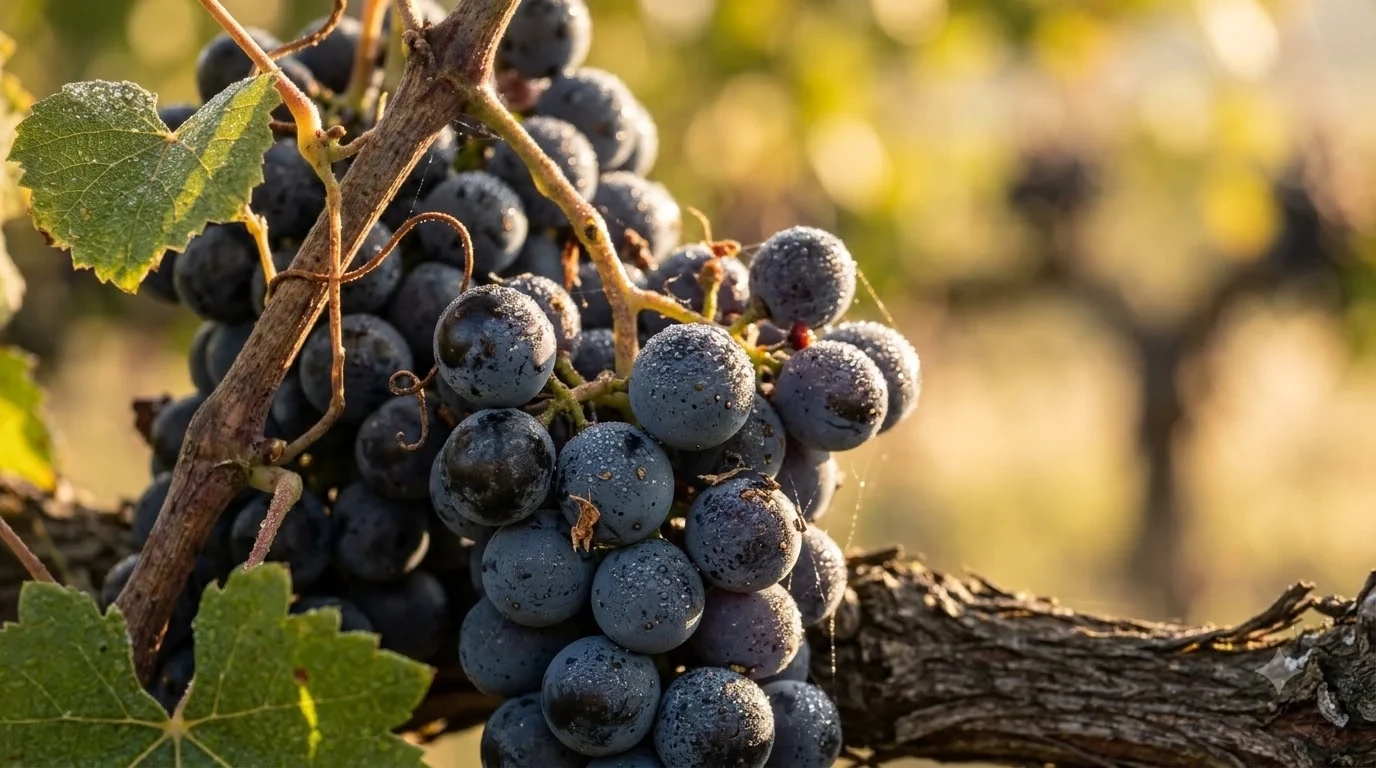
Historically, the name tells a viticultural story. According to wine educators, “verdot” stems from the French word “vert,” meaning green. Because this variety buds early in spring yet ripens even later than Cabernet Sauvignon, cooler autumn weather in southwestern France frequently left clusters with small, hard, green-tinged berries that never reached full maturity. Despite that stubborn streak in the vineyard, winemakers kept the grape around because even a tiny percentage in a blend delivered dramatic results.
| Word / Part | French Spelling | Phonetic Sound | Common Mistake to Avoid |
|---|---|---|---|
| First word | Petit | peh-TEE / puh-TEE | Pronouncing the final “t” like “petite” (“puh-TEET”) |
| Second word | Verdot | vur-DOH / vehr-DOH | Pronouncing the final “t” so it rhymes with “dot” |
| Full grape name | Petit Verdot | peh-TEE vur-DOH | Confusing it with Petite Sirah (“puh-TEET sih-RAH”) |
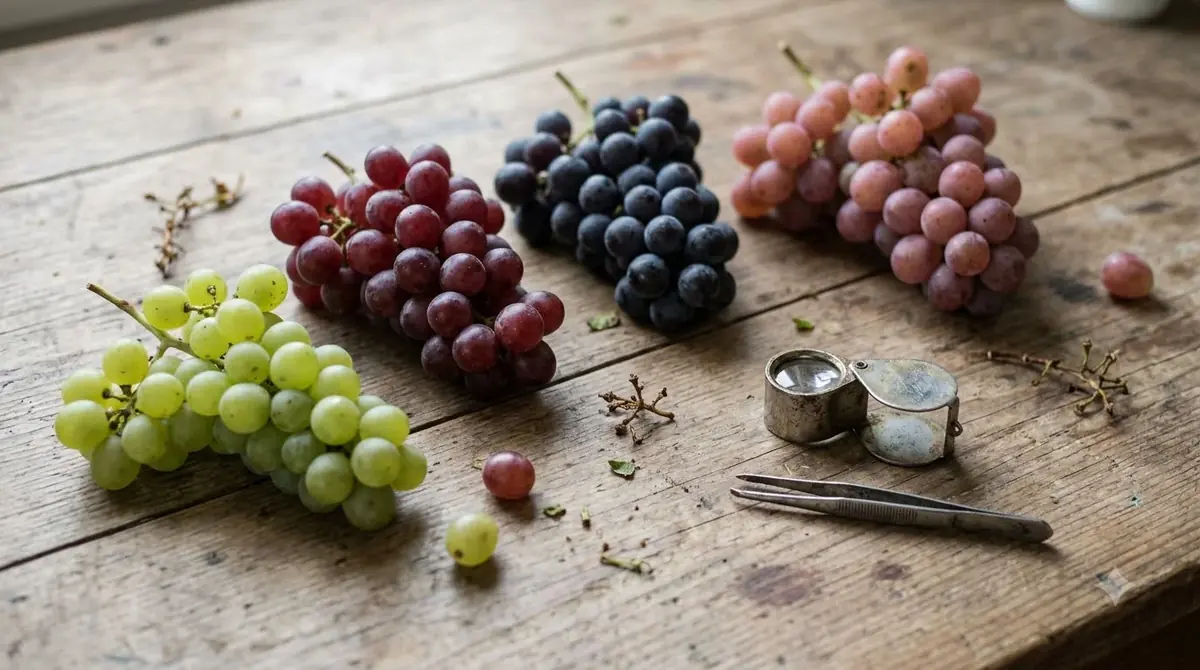
It also helps to separate Petit Verdot from Petite Sirah, a completely different red grape whose name sounds nearly identical when spoken quickly. Petite Sirah (known in France as Durif) is a cross between Syrah and Peloursin, and its feminine spelling means you do pronounce the “t” at the end of “Petite”. Petit Verdot, by contrast, belongs to the classic Bordeaux family alongside Cabernet Sauvignon, Merlot, Cabernet Franc, Malbec, and Carmenère, and keeps both final “t” letters silent.
Flavor and Styles
Petit Verdot produces full-bodied, dry red wines marked by an opaque inky-purple color, high tannins, and concentrated dark fruit backed by signature floral notes. Reviewers at Wine Folly note that single-varietal bottlings from sunny regions yield smooth, intensely structured reds packed with black fruit and violet aromas.
Because the berries are small and wrapped in thick skins, Petit Verdot carries an unusually high skin-to-juice ratio. During fermentation, those thick skins release deep anthocyanin pigments—making the wine so dark you can barely see your fingers through the glass—alongside assertive, mouth-drying tannins. On the nose and palate, blackberry, black cherry, plum, and blueberry lead the charge. What sets the grape apart from other powerhouse reds is a lifted floral perfume of fresh violets and lilac, often layered with dried sage, crushed black pepper, cocoa, and baking spice from oak barrel aging.
In style, the grape wears two distinct hats depending on where it grows. In traditional Bordeaux blends, it acts as a seasoning agent rather than the main event. As reported by Decanter, winemakers often describe even half a percent to a few percent of Petit Verdot as “the pepper on the steak,” because a small splash deepens color, firms up the mid-palate, and extends the finish. In warm New World regions where the grapes ripen reliably every autumn, producers bottle 100 percent varietal Petit Verdot. These standalone bottlings are rich, muscular, and built for cellar aging, evolving over 5 to 15 years to show dried flowers, savory herbs, and worn leather. If you want a deeper breakdown of its aromatic profile, explore our guide to petit verdot tasting notes or see what does petit verdot taste like across different climates.
Where It Grows
Originated in southwestern France’s Bordeaux region, Petit Verdot now thrives in warm, sun-drenched wine regions across California, Virginia, Australia, Spain, Argentina, and Chile. Warm temperatures and dry autumns allow this notoriously late-ripening variety to reach full phenolic maturity without green, unripe tannins.
In its ancestral home of Bordeaux—especially on the Left Bank in the Médoc—Petit Verdot plays a supporting role in Cabernet Sauvignon-dominant blends. Gravelly soils help retain daytime heat and encourage ripening, yet the Atlantic climate still makes full ripening a gamble in cooler vintages, keeping plantings relatively small compared to Merlot and Cabernet Sauvignon.
Outside France, winemakers realized that regions with long, sunny growing seasons bring out the grape’s single-varietal potential. Across the United States, Napa Valley, Paso Robles, and Temecula Valley in California produce plush, dark-fruited bottlings, while Virginia has embraced Petit Verdot as one of its standout red varieties on the East Coast. Further afield, South Australia’s warm inland valleys, Western Australia’s Margaret River, Spain’s central plateau, and Argentina’s Mendoza region regularly bottle varietal Petit Verdot that balances ripe black fruit with natural acidity and grip.
How to Serve Petit Verdot
Serve Petit Verdot slightly below room temperature at 60 to 68°F (16 to 20°C) in a large-bowled Bordeaux glass, and decant young bottles for 30 to 60 minutes before pouring. Giving this dense, thick-skinned wine time to breathe softens its firm tannins and opens up its floral violet aromatics.
Temperature control matters with full-bodied reds that often reach 14 to 15 percent ABV. If you pour a bottle straight from a warm kitchen counter at 75°F, the alcohol can taste hot and overshadow the delicate floral and herbal nuances. Chilling the bottle in the refrigerator for 20 to 30 minutes prior to opening brings it right into the 60 to 68°F sweet spot, keeping the black fruit crisp and focused.
Tip: When ordering Petit Verdot at a restaurant, ask the server to open the bottle and pour it into a decanter as soon as you sit down so the tannins have time to relax before your main course arrives.
Glassware and aeration also make an immediate difference. A tall red wine glass with a wide bowl gives the dense aromatics plenty of surface area to swirl and rise toward your nose. For bottles under five years old, pouring the wine into a wide-bottomed decanter for at least half an hour introduces oxygen that rounds out the astringent edge of the grape’s thick skins. Older, cellared bottles—typically 8 to 15 years past vintage—benefit from a gentler decant primarily to separate the clear wine from natural sediment.
Food Pairing
Petit Verdot pairs best with rich, high-protein, and fatty dishes—such as grilled ribeye, braised lamb shanks, smoked brisket, and aged hard cheeses—that buffer its firm tannins. Because the wine brings high tannin, solid acidity, and intense dark fruit to the table, light or delicate foods get overwhelmed.
From a culinary chemistry standpoint, tannins bind to proteins and fats in food, which softens the drying sensation on your palate and makes the wine taste noticeably smoother and fruitier. Charred meats like a pepper-crusted steak, tri-tip, or slow-smoked barbecue ribs echo the grape’s natural black pepper and savory spice notes while soaking up its structural grip.
Hearty vegetarian dishes and aged cheeses work equally well when they bring umami and richness. Roasted portobello mushrooms, lentil stews with thyme and rosemary, and eggplant parmesan match the wine’s earthy, herbal undertones. On a cheese board, skip soft, mild brie and reach for aged Gouda, sharp aged cheddar, or Spanish Manchego, whose nutty saltiness plays directly off Petit Verdot’s blackberry and plum core.
How to Choose a Bottle
To find a style of Petit Verdot that matches your palate, check the front label for whether it is a 100 percent varietal bottling or a Bordeaux-style blend, and look at the region of origin. Climate and blending percentages dictate whether the wine inside leans plush and fruit-forward or brisk, savory, and structured.
If you want to experience the grape’s pure, unfiltered personality, look for single-varietal bottles from warm climates such as California, Spain, Australia, or Argentina. These labels will state “Petit Verdot” prominently on the front and typically deliver bold waves of ripe blackberry, blueberry, cocoa, and sweet oak spice alongside velvety, mouth-coating tannins.
If you prefer a more restrained, food-friendly red with brisk acidity, look for Bordeaux-style blends (often labeled as Meritage in the United States) where Petit Verdot makes up 5 to 15 percent of the blend alongside Cabernet Sauvignon and Merlot. Checking the back label for alcohol percentage also offers a helpful clue: bottles around 13.5 to 14 percent ABV tend to highlight brighter violet, sage, and red-and-black fruit notes, while bottlings closer to 15 percent ABV lean richer and fuller on the palate. For more comparisons across red and white grapes, browse our broader Wine by Type hub—or brush up on how to pronounce chardonnay and other classic French varietals.
Frequently Asked Questions
Is the “t” silent in Petit Verdot?
Yes, both final “t” letters are completely silent in French. You pronounce the name “peh-TEE vur-DOH,” rhyming the ending with “doe” rather than “dot”.
Why do people mispronounce Petit Verdot as “Petite Verdot”?
English speakers are used to the feminine French word “petite” (pronounced “puh-TEET”), where the final “e” makes the “t” audible. Because “verdot” is a masculine noun in French, it uses the masculine spelling “petit,” which drops the final consonant sound.
Are Petit Verdot and Petite Sirah the same grape?
No, they are completely separate grape varieties with different origins. Petit Verdot is a classic Bordeaux blending grape, while Petite Sirah (also called Durif) originated in southern France as a cross between Syrah and Peloursin—and its feminine spelling means you do pronounce the final “t” in “Petite”.
What does Petit Verdot mean in English?
In French, “petit” means small and “verdot” comes from “vert,” meaning green, translating roughly to “the little green one”. Winemakers gave it this name because the grape ripens very late and often retained small, green-tinged berries during cool Bordeaux autumns.
Once you remember that both final “t” consonants stay silent, saying “peh-TEE vur-DOH” becomes second nature. Whether you spot it as a secret seasoning ingredient in a Left Bank Bordeaux blend or uncork a bold single-varietal bottle from California or Virginia, you can order it with complete confidence.
More in Wine Types & Grapes
 Zinfandel Sugar Content: Dry Red vs. White Zinfandel GramsUpdated Nov 21, 2026
 Best Zinfandel Substitute Options for Sipping and CookingUpdated Nov 21, 2026
 Zweigelt Food Pairing: Best Dishes, Cheeses, and Serving TipsUpdated Nov 21, 2026
 Zinfandel Tannins Explained: How Structure Shapes Every BottleUpdated Nov 21, 2026
 Zinfandel Sweetness Level: Dry Red vs. Sweet White Zin ExplainedUpdated Nov 21, 2026
 Xinomavro Food Pairing: Best Dishes, Styles, and Serving TipsUpdated Nov 21, 2026