

We may earn a commission when you buy through links on this page, at no extra cost to you. Learn more.
What does petit verdot taste like? Petit Verdot tastes like a bold, dry red wine with concentrated blackberry, black plum, blackcurrant, violet, and black pepper flavors. It typically has a full body, firm tannins, and noticeable acidity, creating a powerful combination of dark fruit, floral aromas, and savory spice. Depending on its growing region, winemaking, and age, you may also find notes of licorice, cocoa, coffee, graphite, and leather.
Petit Verdot is one of the most distinctive grapes associated with Bordeaux, France, although it is increasingly bottled as a single-varietal wine in warmer regions such as California and Australia. Traditionally used in small quantities to strengthen Bordeaux-style blends, it contributes deep color, structure, and concentrated aromas. Understanding its flavor profile makes it easier to recognize the grape, choose a bottle, and find foods that complement its powerful character.
What Petit Verdot Tastes Like on the First Sip
Petit Verdot typically tastes of ripe dark berries, black plum, and blackcurrant, followed by floral violet, pepper, and earthy spice. Its full-bodied texture and firm tannins make the wine feel substantial, while its acidity keeps the concentrated fruit from tasting excessively heavy.
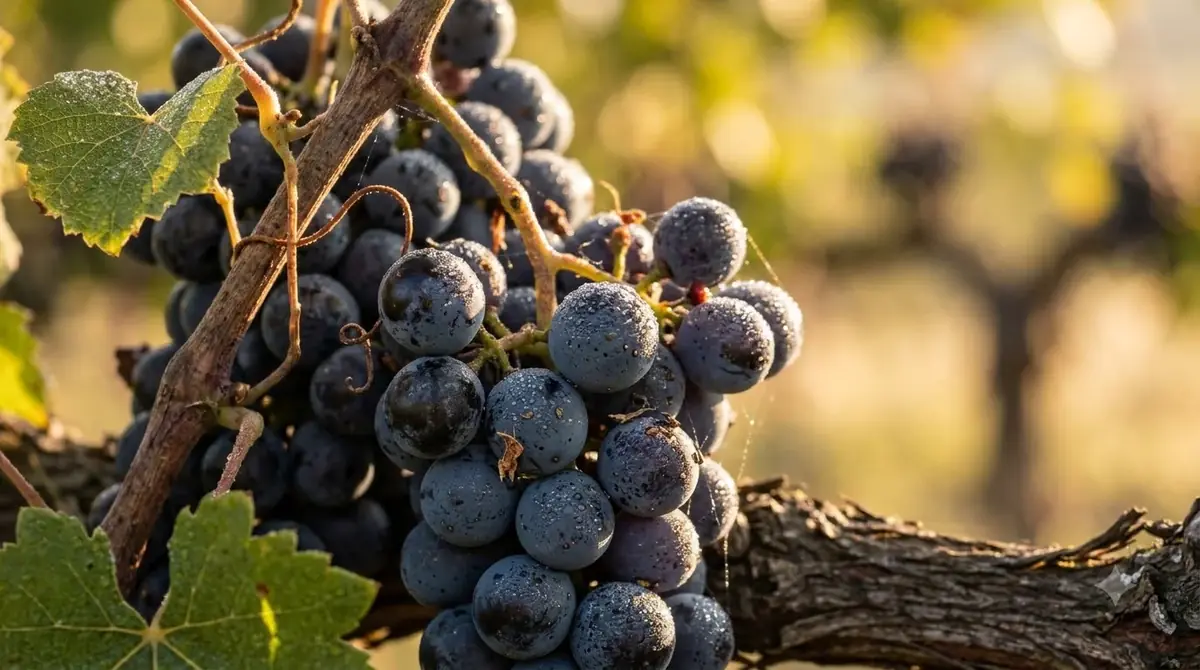
The first impression is usually dark and intense. Blackberry is one of the most recognizable fruit characteristics, often accompanied by black cherry, plum, and cassis. These flavors are generally more concentrated than the lighter red-fruit notes associated with varieties such as Pinot Noir. Depending on ripeness, the fruit can suggest fresh blackberries, cooked plum, or a slightly jammy mixture of dark berries.
Floral notes add another dimension. Violet is particularly associated with Petit Verdot, sometimes appearing alongside lilac and dried flowers. These aromas can make an otherwise powerful red wine smell surprisingly fragrant. They are especially noticeable when the wine has enough fruit concentration to balance its more savory characteristics.
Spice is another defining feature. Black pepper, licorice, and anise can appear alongside cocoa, coffee, and earthy aromas. Some wines also suggest graphite or dried herbs. Rather than tasting like a sweet dessert, Petit Verdot generally combines dark fruit with dry, savory flavors that become more noticeable toward the finish.
The overall experience is intense but not necessarily harsh. A well-made example balances concentrated fruit, acidity, and tannin so that none of these elements completely dominates. The finish can be long, dry, and slightly peppery, with lingering blackberry and floral notes.
For someone accustomed to lighter reds, the wine can seem particularly powerful. Its combination of dark color, full body, and firm structure makes it a recognizable choice for people who enjoy concentrated red wines.
The Bordeaux wine authority’s Petit Verdot profile also highlights its assertive tannins, vibrant acidity, intense color, and aromatic combination of cocoa, coffee, violet, and licorice.
Fruit, Floral, Spice, and Earthy Flavor Notes
Petit Verdot has a recognizable group of primary aromas, but the balance between fruit, flowers, spice, and savory flavors varies. Blackberry and plum usually provide the foundation, while violet, pepper, licorice, and earthy notes give the wine its distinctive personality.
Dark fruit: Blackberry, blackcurrant, black cherry, and plum are among the most common descriptions. Blackcurrant gives the wine a concentrated, slightly tart character, while ripe plum can contribute a rounder impression. In warmer growing regions, the fruit may become richer and more generous, sometimes suggesting blackberry preserves or ripe dark cherries.
Floral aromas: Violet is one of Petit Verdot’s signature aromatic characteristics. It may be accompanied by lilac and dried flowers, creating an expressive bouquet that contrasts with the grape’s powerful tannins. These floral notes can be easier to recognize after the wine has had some time in the glass.
Spice and savory flavors: Black pepper, licorice, anise, and dried herbs provide complexity. Some wines also develop aromas of cedar, tobacco, graphite, or earthy minerals. These characteristics can make the wine feel more savory than fruit-forward Cabernet-based wines.
Oak-related characteristics: When winemakers mature Petit Verdot in oak barrels, the wine may acquire additional notes of vanilla, toast, cedar, coffee, or chocolate. The prominence of these flavors depends on the type of oak, barrel age, and maturation period. Oak should complement the fruit and structure rather than completely conceal the grape’s natural character.
| Flavor category | Typical descriptors | How it affects the wine |
|---|---|---|
| Dark fruit | Blackberry, blackcurrant, plum | Concentrated fruit character |
| Other fruit | Black cherry, dark berries | Richness and ripe-fruit impression |
| Floral | Violet, lilac, dried flowers | Fragrance and aromatic complexity |
| Spice | Black pepper, licorice, anise | Savory intensity |
| Earthy | Graphite, dried herbs, earth | Additional depth and complexity |
| Oak and maturity | Cocoa, coffee, cedar, leather | More developed secondary flavors |
Not every bottle displays all these characteristics. A younger, fruit-focused wine may emphasize blackberry, plum, and violet, while a more mature example can show stronger leather, dried flowers, and earthy flavors. Winemaking decisions also influence the final profile, particularly the use of oak and the amount of time spent aging before release.
For a useful comparison, consider what does chenin blanc taste like. Chenin Blanc is a white grape with a much broader range of sweetness and texture, while Petit Verdot is generally a dry, deeply colored red with considerably more tannin.
Body, Tannins, Acidity, and Alcohol
Petit Verdot is generally a full-bodied red wine with high tannins and noticeable acidity. Its combination of dense fruit, substantial structure, and firm mouthfeel explains why the grape can contribute so much character even when it represents only a small portion of a Bordeaux blend.
Body: The wine typically feels rich and substantial in the mouth. Its dark fruit concentration and tannic structure give it more weight than lighter-bodied reds. A full-bodied Petit Verdot can coat the palate, particularly when served alongside rich food. However, body and sweetness are different qualities: a wine can feel rich and powerful while remaining completely dry.
Tannins: Tannins are one of the grape’s defining features. They create a drying, gripping sensation along the gums, cheeks, and tongue. Petit Verdot’s thick grape skins contribute to this firm structure, which can make younger bottles feel particularly intense. With suitable aging, the tannins can become more integrated, making the wine seem smoother without removing its characteristic structure.
Acidity: Petit Verdot also has noticeable acidity. This gives the wine freshness and helps balance its concentrated fruit and tannin. Acidity is particularly useful in a full-bodied red because it prevents the overall impression from becoming too heavy. The exact level varies with growing conditions and grape ripeness.
Alcohol: Alcohol levels depend on the region, climate, harvest decisions, and winemaking. Many warm-climate examples are relatively powerful, with alcohol levels around 13.5% to 15% ABV. This can contribute to a warming sensation, especially in a wine with concentrated fruit and substantial body.
The following comparison shows how Petit Verdot generally relates to other familiar red varieties.
| Wine grape | Body | Tannin | Typical character |
|---|---|---|---|
| Petit Verdot | Full | High | Dark fruit, violet, pepper |
| Cabernet Sauvignon | Full | High | Blackcurrant, cedar, firm structure |
| Merlot | Medium to full | Medium | Plum, cherry, softer texture |
| Pinot Noir | Light to medium | Low to medium | Red cherry, raspberry, earthy notes |
| Syrah | Medium to full | Medium-plus to high | Black fruit, pepper, savory spice |
Petit Verdot and Cabernet Sauvignon are particularly useful wines to compare because both can deliver substantial tannins and concentrated dark fruit. However, Petit Verdot often has a more pronounced floral and spicy character. Cabernet Sauvignon is commonly associated with cassis, cedar, and darker herbal notes, while Petit Verdot can show particularly expressive violet and licorice aromas.
Merlot generally feels softer, with more approachable tannins and a rounded plum character. Pinot Noir is usually lighter and more delicate, with lower tannin levels and brighter red-fruit flavors. Syrah can also be powerful and spicy, but its characteristic pepper and savory notes create a different aromatic profile.
These differences are useful when choosing a bottle. Someone who enjoys the structure of Cabernet Sauvignon but wants more floral intensity may appreciate Petit Verdot. Someone who prefers soft, easy-drinking reds may find a young, heavily extracted example too demanding.
Where Petit Verdot Grows and Why Region Matters
Petit Verdot originated in southwestern France and is particularly associated with Bordeaux, especially the Médoc and Left Bank. It is also cultivated in California, Australia, Chile, Argentina, and Tuscany, where warmer growing conditions can help the grape achieve full ripeness and produce successful single-varietal wines.
Bordeaux is the traditional home of Petit Verdot in modern wine culture. It is one of the classic grapes permitted in Bordeaux red blends, although its contribution is usually much smaller than that of Cabernet Sauvignon or Merlot. The Bordeaux wine authority identifies the variety as approximately 1.3% of the region’s red varietal plantings.
The grape’s late-ripening nature helps explain its relatively limited role in traditional Bordeaux vineyards. It needs a sufficiently long growing season to reach full maturity. In cooler or less favorable conditions, the grapes can struggle to ripen properly, which can result in less expressive fruit and a more aggressive tannic impression.
On the Left Bank, particularly in the Médoc, Petit Verdot is valued for adding color, structure, and aromatic intensity to blends. Even a modest percentage can strengthen a wine’s backbone and introduce additional spicy and floral complexity. It is not necessarily intended to dominate the finished wine; its purpose is often to improve the balance and character of the overall blend.
Outside France, California and Australia have become important locations for exploring the grape as a standalone wine. Warmer conditions can support more consistent ripening, allowing winemakers to produce concentrated reds with pronounced dark fruit. These bottles may be especially fruit-forward, although tannin and spice remain important parts of the variety’s identity.
Chile and Argentina also cultivate Petit Verdot, while Tuscany offers another interesting expression. In Italy’s Maremma region, the grape can appear in Super Tuscan blends, where it contributes structure and dark-fruit intensity. These wines may combine Petit Verdot with other international varieties to create a more layered style.
Regional differences are not absolute rules. Vineyard elevation, soil, harvest timing, fermentation, oak maturation, and winemaking philosophy all influence the finished wine. A warm-climate Petit Verdot can be generous and ripe, while another example may emphasize acidity, floral notes, and firm tannins.
The most useful distinction is whether the wine is made primarily for blending or as a standalone varietal. Blended examples often show Petit Verdot as one part of a larger flavor profile, whereas single-varietal bottles make its blackberry, violet, pepper, and tannic character easier to recognize.
Decanter’s Petit Verdot grape guide describes its role in Bordeaux-inspired blends and its presence in Australia, California, Tuscany, Chile, and Peru, as well as the dark-fruit and savory characteristics associated with the variety.
For more grape comparisons, the guide to what does corvina taste like explores another red variety with a distinctly different balance of fruit, acidity, and tannin.
How to Serve and Enjoy Petit Verdot
Petit Verdot is best served slightly below typical room temperature, around 60–65°F for a full-bodied red. Allowing the wine to breathe for approximately 30–60 minutes can help a young, concentrated bottle become more expressive and make its firm tannins feel better integrated.
Temperature has a noticeable effect on the experience. Serving the wine too warm can make its alcohol seem more prominent and reduce the freshness of its fruit. Serving it excessively cold can emphasize tannin and make the wine seem harder or less aromatic.
A temperature around 60–65°F gives the wine enough warmth to express blackberry, violet, and spice without making the alcohol dominate. If the bottle has been stored at a warmer room temperature, a short period in the refrigerator can bring it closer to the ideal serving range.
Decanting is particularly useful for young examples with pronounced tannins. Pouring the wine into a decanter and allowing it to stand for 30–60 minutes gives it time to interact with oxygen. This can help release aromas of dark fruit, flowers, and spice while making the overall impression seem more open.
Older bottles require a little more care. Extended aeration is not always beneficial for mature wine, especially if its structure is already delicate. If sediment is present, carefully transferring the clear wine away from the deposit can improve the pouring experience.
Glassware also matters. A large red wine glass with a reasonably wide bowl provides space for the wine’s aromas to develop. Swirling gently before taking a sip helps release its floral, fruity, and savory characteristics.
Here are practical serving guidelines:
| Serving detail | Recommendation |
|---|---|
| Serving temperature | 60–65°F |
| Decanting young wine | 30–60 minutes |
| Standard serving | 5 ounces |
| Typical bottle size | 750 ml |
| Approximate servings per bottle | 5 glasses |
| Storage temperature | Near 55°F |
For storage, keep unopened bottles away from direct sunlight and large temperature fluctuations. A cool environment near 55°F is a useful target, and bottles with natural cork closures are generally stored on their sides. A suitable cellar environment helps preserve the wine’s fruit, structure, and aging potential.
After opening, reseal the bottle and refrigerate it. Most still red wines retain their best qualities for approximately three to five days under proper refrigeration. Allow the wine to warm slightly before serving another glass so its aromatic character is not muted by excessive cold.
Tip: If a young Petit Verdot tastes excessively tight or drying, pour a small glass and let the remaining wine breathe for 30–60 minutes. Revisit it as the aromas develop rather than assuming the first sip represents the wine’s complete character.
Best Food Pairings for Petit Verdot
Petit Verdot pairs particularly well with grilled steak, roast beef, lamb, game, and other richly flavored meats. Its high tannins work well with protein-rich dishes, while the wine’s acidity and dark fruit complement savory sauces, roasted vegetables, and aged cheeses.
Beef: Grilled ribeye, sirloin, beef tenderloin, and slow-roasted beef are natural companions. The protein and fat in beef help soften the drying impression of tannins, making the wine seem more balanced. A pepper-crusted steak is especially appealing because it echoes Petit Verdot’s spicy characteristics.
Lamb: Roast lamb with rosemary, garlic, and black pepper provides a particularly good match. The meat’s rich flavor works with the wine’s full body, while the herbs complement its dried-herb and savory notes. Grilled lamb chops are another strong option, particularly when served with roasted root vegetables.
Game and slow-cooked dishes: Venison, duck with savory accompaniments, and slow-braised beef can all work well. The concentrated flavor of these dishes matches the wine’s intensity. A stew containing mushrooms, herbs, and dark stock can also complement its earthy and spicy character.
Pork: Roasted pork shoulder, grilled pork chops, and slow-cooked pork with herbs can make good pairings. The richer cuts are particularly suitable because their fat helps balance the wine’s tannins. Sweet glazes should be used carefully, since a dish that tastes sweeter than the wine can make the wine seem more bitter or acidic.
Cheese: Aged cheddar, Gouda, and other flavorful firm cheeses are suitable choices. Salt and fat soften the perception of tannin, making structured red wines easier to enjoy. Avoid pairing a particularly tannic bottle with very delicate cheeses whose flavors may disappear beside the wine.
Food preparation can matter as much as the main ingredient. Grilling, roasting, browning, and slow braising create savory flavors that complement Petit Verdot’s intensity. Pepper, rosemary, thyme, garlic, mushrooms, and roasted onions are useful ingredients for building a compatible meal.
There are also a few pairings to approach with caution. Very spicy chili dishes can make alcohol and tannins seem more aggressive, while oily fish can clash with heavily tannic red wine. Delicate seafood, lightly seasoned white fish, and dishes dominated by fresh citrus are generally better matched with wines that have less tannin.
For a broader meal-planning approach, consider the sweetness, acidity, and weight of the food. Petit Verdot is usually a dry wine, so heavily sweet sauces can make it taste harder. Rich, savory dishes are generally more reliable partners than sweet or delicate preparations.
For a seasonal alternative after a hearty meal, what does mulled wine taste like explains how warming spices and different wine styles create a very different drinking experience from a structured red such as Petit Verdot.
Frequently Asked Questions
Is Petit Verdot related to Cabernet Sauvignon?
Petit Verdot and Cabernet Sauvignon are distinct grape varieties, although both are traditionally associated with Bordeaux red wine. They are commonly blended together, and Petit Verdot can strengthen a Cabernet-based wine’s color and structure. Their shared use in Bordeaux blends does not mean they are the same grape or interchangeable varieties.
What does the name Petit Verdot mean?
The French name is generally translated as little green. It refers to the grape’s tendency to remain insufficiently ripe under unfavorable growing conditions. The name reflects its historical ripening challenges rather than the color of the finished wine, which is typically very dark.
Can Petit Verdot be used to make rosé?
Yes. Petit Verdot can be used to produce rosé when the winemaker limits contact between the grape juice and skins. Shorter skin contact extracts less color and tannin than conventional red-wine production. The resulting style can emphasize fresh fruit and floral aromas rather than the firm structure of a full-bodied red.
Does Petit Verdot have another name?
Several historical synonyms exist, including Verdot, Bouton, Carmelin, and Lambruesquet Noir. These names appear in grape-variety references and historical descriptions. Petit Verdot remains the most widely recognized name in modern wine labeling and wine education.
Can Petit Verdot age in the bottle?
Yes. Its natural tannin and acidity can provide the structural foundation for bottle development. The exact aging potential depends on grape ripeness, vineyard conditions, winemaking, and storage quality. Some examples develop more pronounced dried-flower, leather, and savory characteristics as their youthful fruit evolves.
Petit Verdot is an excellent choice for drinkers who enjoy full-bodied reds with dark fruit, violet, pepper, and firm tannins. Whether encountered in a traditional Bordeaux blend or as a standalone wine from California or Australia, its concentrated flavor and distinctive structure make it easy to recognize. Serve it at 60–65°F with grilled beef, roast lamb, or aged cheese to appreciate its balance of fruit, acidity, and savory complexity.
More in Wine Types & Grapes
 Zinfandel Sugar Content: Dry Red vs. White Zinfandel GramsUpdated Nov 21, 2026
 Best Zinfandel Substitute Options for Sipping and CookingUpdated Nov 21, 2026
 Zweigelt Food Pairing: Best Dishes, Cheeses, and Serving TipsUpdated Nov 21, 2026
 Zinfandel Tannins Explained: How Structure Shapes Every BottleUpdated Nov 21, 2026
 Zinfandel Sweetness Level: Dry Red vs. Sweet White Zin ExplainedUpdated Nov 21, 2026
 Xinomavro Food Pairing: Best Dishes, Styles, and Serving TipsUpdated Nov 21, 2026