

We may earn a commission when you buy through links on this page, at no extra cost to you. Learn more.
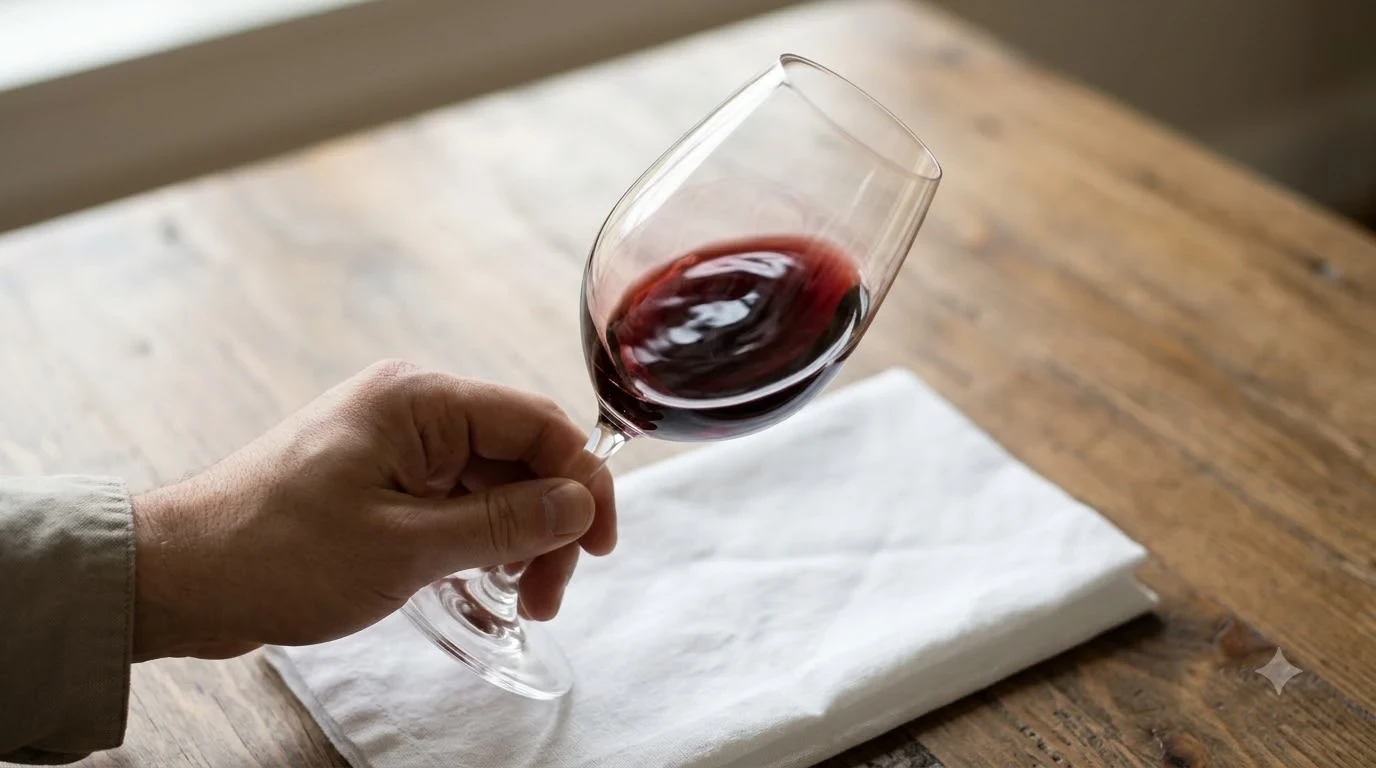
To learn how to chill red wine, aim for 54–60°F for lighter reds and 60–65°F for fuller reds, then adjust the refrigerator time to the bottle’s starting temperature. A short chill usually makes red wine fresher and more balanced than serving it warm. The goal is not to make every red cold; it is to bring the wine down to a temperature that suits its body, acidity, and tannin.
“Room temperature” is an unreliable instruction in a heated home or a warm climate. A bottle sitting at 72–75°F can taste hotter and less lively than intended, while a bottle pulled straight from a very cold refrigerator can seem muted. A few practical temperature targets and timed methods make it easy to find the middle ground.
Choose a Serving Temperature by Body
Choose the temperature by the wine’s weight and structure: lighter reds generally show best around 54–60°F, while fuller reds are usually better at 60–65°F. These ranges leave enough coolness to control alcohol without suppressing the wine’s aromas and texture.
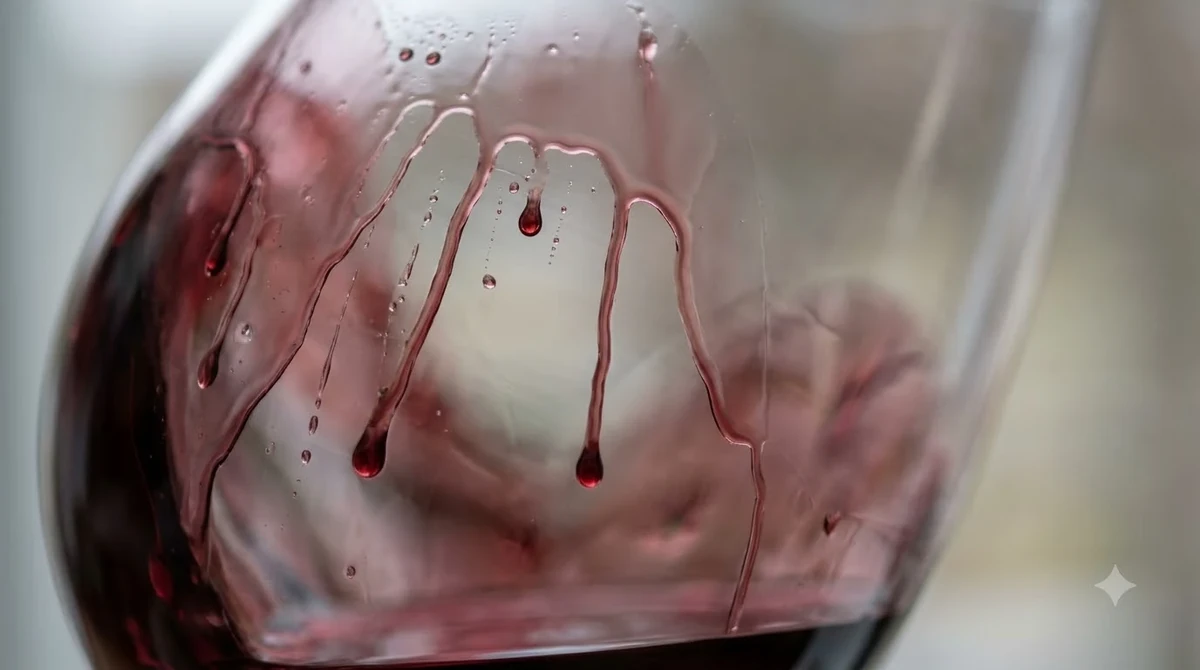
Light-bodied reds such as Beaujolais made from Gamay, Valpolicella, and many Pinot Noirs can be served near the lower end of the range. Their bright acidity and relatively modest tannin help them stay lively when cool. Some particularly delicate, fruit-forward examples can be served near 50–55°F, especially in warm weather, but they should not be so cold that their fruit and floral notes disappear.
Medium-bodied reds, including many Chianti wines and some Merlot-based blends, generally work around 57–61°F. Fuller reds such as Cabernet Sauvignon, Syrah, and structured Malbec are more comfortable around 60–65°F. Cabernet Sauvignon and Syrah often carry more tannin, so serving them near the warmer end of the red-wine range helps prevent the texture from seeming too firm or drying. A good starting point is the wine’s weight, followed by a small taste: if the fruit seems muted and the finish feels unusually hard, allow the wine to warm a little in the glass. If the alcohol seems hot and the fruit feels soft, a little more cooling may help.
| Red wine style | Serving temperature | Starting point for fridge time |
|---|---|---|
| Light-bodied red | 54–60°F | 45–60 minutes |
| Medium-bodied red | 57–61°F | About 45 minutes |
| Full-bodied red | 60–65°F | About 25 minutes |
| Very warm bottle needing a quick correction | Move toward the style’s range | 10–20 minutes, then reassess |
The refrigerator times in the table are estimates, not guarantees. Wine Enthusiast gives 45–60 minutes for light- to medium-bodied reds and about 25 minutes for full-bodied reds when starting near 72°F; the bottle’s size, glass thickness, refrigerator temperature, and how often the door opens all affect the result. A thermometer gives a more dependable answer than the clock alone.
Use the Refrigerator for a Measured Chill
The refrigerator is the simplest method for most bottles because it cools gradually and requires little attention. For a bottle starting around 70–72°F, begin with 45 minutes for a lighter red or about 25–30 minutes for a full-bodied red, then check the temperature before serving.
Place the bottle horizontally or upright on a stable shelf where cold air can circulate around it. The back of the refrigerator is often colder than the door, but avoid a spot where the bottle could be forgotten behind other items. A refrigerator set around 35–40°F can cool a bottle efficiently; it is not the serving temperature for the wine itself, so remove the bottle before its contents approach refrigerator temperature. Avoid putting the bottle in the freezer compartment of a refrigerator as a substitute for a timed chill: temperatures there can be much lower, and a forgotten bottle can freeze before you notice.
For a bottle stored in a cool cellar or wine refrigerator, a much shorter adjustment may be enough. Wine Enthusiast notes that a bottle already held in a cellar or wine refrigerator may need only about 30 minutes in a standard refrigerator, followed by a short rest outside the fridge. That guidance assumes a cool starting point, so do not apply the same timing to a bottle left on a sunny counter or in a warm kitchen.
Start the timer as soon as the bottle goes in. Check a few minutes before the planned serving time, especially with light Pinot Noir, Gamay, or a low-tannin red that is intended to feel refreshing. If the wine is still warm, add another 10 minutes. If it is cooler than intended, leave it on the counter for a few minutes; a glass warms faster than a full bottle.
Speed Up Chilling With an Ice-Water Bath
An ice-water bath is a good choice when dinner is close and the bottle needs to cool faster than a refrigerator can manage. Use a bucket or deep container with enough ice and cold water to surround most of the bottle, and plan on roughly 10–15 minutes for a quick red-wine chill before checking it.
Water transfers heat more effectively than cold air, so an ice-and-water bath cools the glass evenly around the bottle. Add enough water to fill the spaces between the ice cubes; simply piling ice around a dry bottle leaves pockets of air and slows the process. Keep the neck and closure above the waterline when practical, and turn the bottle once or twice if part of it remains above the bath. Set the container on a level, protected surface where it cannot be knocked over, and dry the bottle before opening so water does not run onto the label, cork, or table.
Wine Enthusiast describes a bucket with equal amounts of ice and water and gives about 10 minutes as a red-wine chilling interval. Decanter suggests that 10–20 minutes in a refrigerator or ice bucket can bring an overheated red back into balance. Those are starting estimates: check after 10 minutes rather than assuming a full interval is right for every bottle. A small, light-bodied red can become too cold quickly, while a large or especially warm bottle may need more time.
Tip: Put a kitchen timer on for 10 minutes when you start the ice bath. Taste or measure the wine, then add time in short increments instead of leaving the bottle in the bucket until dinner is over.
If there is no ice available, there are other short-term options, but each needs attention. A damp paper towel wrapped around the bottle and a timed freezer visit can help in an emergency; see these practical instructions for how to chill wine without ice. For a freezer-based method, use a timer and follow the precautions in this guide to how to chill wine in the freezer. Do not leave a bottle unattended in the freezer, where expanding frozen liquid can push out a cork or crack glass.
Match the Chill to Tannin, Acidity, and Aroma
Temperature changes more than the sensation of cold: it affects how clearly aromas emerge and how firm the wine’s structure seems. Cooler temperatures can make acidity feel more prominent and tannin or bitterness more noticeable, while warmth can make alcohol stand out and freshness seem subdued.
That is why a lightly chilled Gamay or Valpolicella behaves differently from a powerful Cabernet Sauvignon. Gamay, Schiava, and many lighter Pinot Noirs usually have less tannin and lively acidity, so a serving temperature near 54–58°F can emphasize their red-fruit character. Cabernet Sauvignon and Syrah tend to have more tannin; serving them much below 60°F can make the finish seem harsher and can hide some of their layered aromas.
Do not treat grape variety as an inflexible rule. Pinot Noir from a cool site may be delicate and best near 55°F, while a concentrated, oak-aged Pinot Noir may show better closer to 60°F. Merlot is often softer in tannin than Cabernet Sauvignon, but a dense, structured Merlot can still benefit from a moderate rather than an aggressive chill. Winemaking choices, alcohol level, age, and the wine’s overall balance all influence the best serving point. Oak aging, extraction, and ripeness can make two wines from the same grape feel quite different, so a variety name is a useful clue rather than a complete temperature instruction.
Wine Enthusiast’s guide places light- to medium-bodied reds such as Beaujolais, Valpolicella, Chianti, and Pinot Noir at 54–60°F, and fuller reds such as Cabernet Sauvignon, Syrah, Merlot, Tempranillo, and Malbec at 60–65°F. Decanter gives a similar progression, with light reds around 54–56°F, medium reds at 57–61°F, and full-bodied reds at 61–64°F. Its explanation of serving temperature is useful background; read Decanter’s red-wine temperature guide for the style-by-style breakdown.
Keep the Bottle Comfortable at the Table
Once the wine reaches its target temperature, protect that balance during the meal. A bottle on a warm table can rise several degrees, so serve moderate pours and return the bottle to a cool place between rounds rather than letting it sit beside a stove, sunny window, or outdoor grill.
Pouring a standard 5-ounce glass from a 750-milliliter bottle gives about five servings. A half-full bottle warms more quickly than a full one because there is less liquid to buffer temperature changes, so smaller pours can help a group keep the wine at a comfortable pace. For a larger gathering, a 1.5-liter magnum contains about twice the wine of a standard bottle, or roughly ten 5-ounce glasses; this guide explains how many glasses in a magnum.
A small wine thermometer is useful for learning how a particular refrigerator behaves, but it is not essential for every dinner. Measure the wine after chilling rather than relying only on the refrigerator dial, then note whether that bottle tasted best closer to the top or bottom of its range. Over time, familiar styles become easier to serve by feel: a light Gamay may need only a brief chill, while a structured Cabernet needs a gentler adjustment. Keep any opened red wine in the refrigerator after serving and bring the remaining wine back toward its serving range before the next pour. Close the bottle securely, keep it away from heat and direct light, and avoid repeatedly warming it on the counter for long periods. For broader serving and storage basics, the site’s Wine Q&A is a useful next stop.
Young, full-bodied reds may also benefit from air after chilling. If the wine is tannic and tightly wound, decanting it for about 30–60 minutes can help soften the impression of its structure while the wine warms gently in the glass. Do not confuse decanting with chilling: one introduces air, while the other changes temperature. An older, delicate red may need less handling and should be checked periodically so its aromas do not fade. If sediment is present, stand an older bottle upright before opening so the deposit can collect at the bottom rather than clouding the pour.
Frequently Asked Questions
These quick answers address common situations that do not fit neatly into a single chilling schedule.
Can red wine be served straight from the refrigerator?
Usually not, because a typical refrigerator is much colder than the 54–65°F range used for red wine. The outside of the bottle can feel cold before the liquid in its center has reached the same temperature, so touch alone is a poor way to judge the wine. Let a full-bodied bottle warm gradually and reassess a small pour before serving everyone.
Should I chill an expensive or older red wine?
Yes, when it is warmer than its appropriate serving range, but use a gentle adjustment rather than an extended ice bath. Mature wines can be more delicate than young wines, so avoid large temperature swings and pour a small sample before deciding whether more cooling is needed. When an older bottle has visible sediment, standing it upright for several hours before opening helps the deposit settle and keeps it out of the glass.
Does chilling red wine change its alcohol content?
No. Cooling a bottle does not remove alcohol or change its stated alcohol by volume. It changes the way the wine’s alcohol is perceived: at a lower serving temperature, the warming sensation can be less prominent than it is in a wine served too warm.
Can I put ice cubes directly into a glass of red wine?
You can, but melting ice dilutes the wine and changes its texture and flavor balance. Dilution lowers the concentration of the wine’s fruit, acidity, tannin, and alcohol together, rather than simply making the same wine cooler. If dilution is not the goal, chill the bottle or use reusable chilling stones made for beverages instead.
Does a screw cap chill wine faster than a cork?
No meaningful speed advantage comes from the closure: the amount of wine, its starting temperature, the bottle’s glass, and contact with cold air or water matter much more. Keep the closure in place while chilling so the wine stays protected. The cap or cork is not a substitute for a timer or a temperature check.
For most bottles, a short, timed refrigerator visit is all that is needed: about 45–60 minutes for lighter reds and around 25 minutes for fuller reds when starting near room temperature. Serve the wine cool rather than cold, and let its style guide the final adjustment.
More in Wine Basics
 Which Rose Is Best for Your Taste, Budget, and Food PairingsUpdated Nov 21, 2026
 Is Cheap Wine Bad? How to Find Bottles Worth DrinkingUpdated Nov 21, 2026
 What To Write On A Wine Gift Tag: Thoughtful Messages For Every OccasionUpdated Nov 21, 2026
 Which Wine Is Best For Weight Loss? Compare Lower-Calorie ChoicesUpdated Nov 21, 2026
 What Is The Best Wine For Mimosas? Choose Bubbly That Balances Orange JuiceUpdated Nov 20, 2026
 Which Prosecco Is Best for Your Taste and OccasionUpdated Nov 20, 2026