

We may earn a commission when you buy through links on this page, at no extra cost to you. Learn more.
Chianti wine is a red from central Tuscany in Italy, made mainly from the Sangiovese grape, and it ranges from juicy, everyday bottles to structured wines meant for aging. Its flavors usually center on cherry, plum, and bright acidity, with more complex notes of tobacco, leather, and dried herbs in older or higher-tier bottles. The name covers a large area, so the style of a bottle depends a lot on the sub-zone and producer.
This guide explains what Chianti tastes like, how the DOCG rules work, how to tell the different labels apart, and how to serve and pair a bottle. It also points out where Chianti fits among other red wines that many drinkers already know.
What Chianti Is and Where It Comes From
Chianti is one of Italy’s best-known red wines, and its history goes back centuries. According to the Wikipedia article on Chianti, the first official boundaries were set in 1716 by Cosimo III de’ Medici, Grand Duke of Tuscany. The zone was later redrawn into sub-areas in 1932 and expanded in 1967, when the rules were formalized as a DOC.
The wine’s identity was shaped in the nineteenth century by Baron Bettino Ricasoli, who helped establish Sangiovese as the dominant grape of the region. Many modern Chianti producers still treat Sangiovese as the heart of the wine, even when the blend includes other varieties. That focus on one grape is what gives Chianti its recognizable profile across many different producers.
Today the wine is produced across a wide area of central Tuscany, from hillside estates near Florence to vineyards farther south near Siena. Because the zone is so large, a basic Chianti and a Chianti Classico can come from quite different terrain and styles.
The Grapes and the Rules Behind the Label
Sangiovese is the core of Chianti. The Wikipedia article describes the current rules, in place since 1996, as requiring 75 to 100 percent Sangiovese. Producers may add up to 10 percent Canaiolo, a traditional Tuscan red, and up to 20 percent of other approved red varieties such as Cabernet Sauvignon, Merlot, or Syrah.
These rules explain why Chianti can taste so different from one bottle to the next. A wine that is almost all Sangiovese will usually show more of the grape’s bright cherry and savory character. A blend with more international varieties may feel rounder and more fruit-forward. Because the exact percentages depend on the bottle, the producer’s notes are the best place to see how the wine was made.
Chianti is also divided into eight sub-zones that may appear on the label, including Classico, Colli Aretini, Colli Fiorentini, Colli Senesi, Colline Pisane, Montalbano, Montespertoli, and Rufina. Classico is the historic heartland and the most recognized of these names, and only Chianti Classico wines can carry the black rooster seal on the neck of the bottle. The Chianti Classico consortium presents the Gallo Nero as the shared symbol of its producers and names Florence and Siena as the two “capitals” of the Chianti area.
| Label or style | Typical character | Best time to drink |
|---|---|---|
| Basic Chianti | Juicy cherry, plum, raspberry | Usually three to five years after the vintage |
| Chianti Classico | Medium-bodied, firm tannins, floral and cherry notes | Can age about six to twenty years |
| Chianti Classico Gran Selezione | Estate-grown fruit under stricter rules | Built for longer aging |
Tip: If you are buying a bottle to drink soon, a basic Chianti or a younger Chianti Classico is a good choice. Save the Gran Selezione and older vintages for a special meal or a longer cellar plan.
Flavor Profile and How Chianti Changes With Age
Young Chianti is usually lively and fruit-forward. Expect cherry, plum, and raspberry, with a fresh acidity that makes the wine feel crisp. Classico versions often add a floral note and more structure, and their tannins are typically firmer than those of basic bottles.
With time, the character changes. Older Chianti Classico can develop aromas of tobacco, leather, and dried herbs, while the fruit becomes softer and more layered. This is why many people find that an older bottle tastes very different from a young one of the same producer. If you are new to the style, try a younger wine first to learn the core flavors before moving to an older bottle.
Gran Selezione wines are made only from a winery’s own grapes and must pass a suitability test and a tasting committee approval. They are often the most serious expression of the appellation and are usually priced higher, though the rules focus on quality control rather than a particular style.
How to Serve Chianti
Chianti is a food wine, and it shows its best when served with a meal. Serve it slightly cooler than room temperature, which keeps the fruit bright and the acidity in balance. A short rest in a cool room or a brief time in the refrigerator before pouring is usually enough for most reds of this style.
Use a glass with enough room to swirl, since the aromas of cherry, flowers, and herbs open up when the wine meets air. Younger bottles can benefit from decanting for a short time before dinner. Older Chianti Classico may throw sediment, so pour those bottles slowly and carefully.
Food Pairing With Chianti
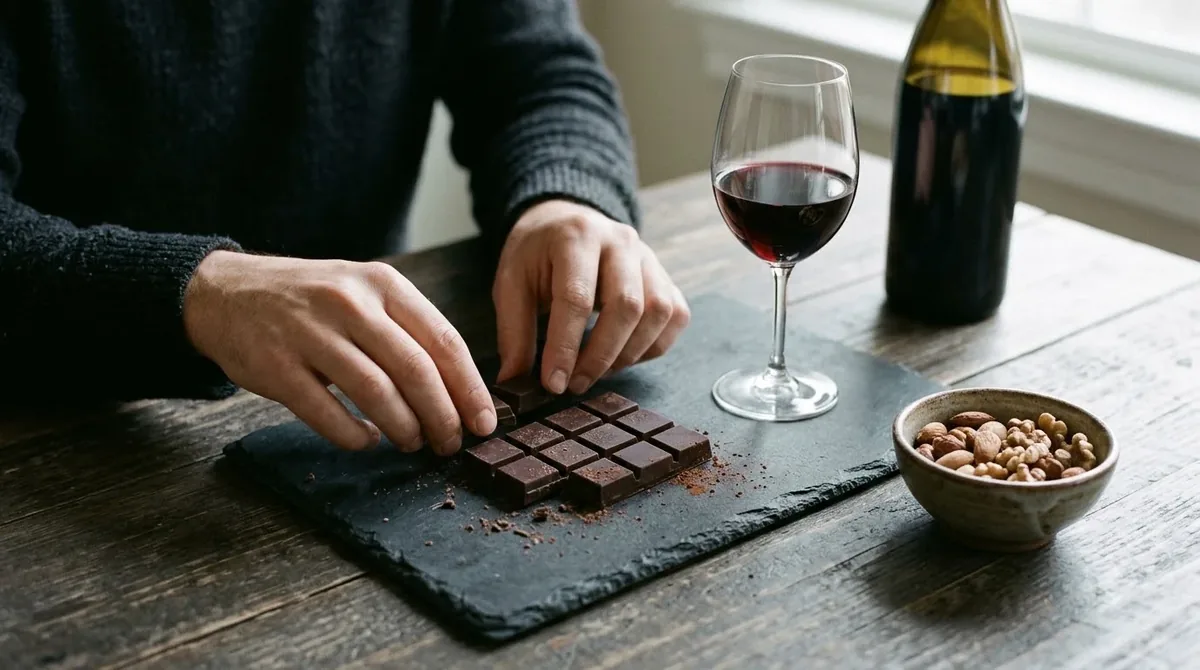
Chianti’s acidity and savory notes make it a natural partner for tomato-based dishes, grilled meats, and aged cheeses. A basic Chianti is a classic match for pizza, pasta with red sauce, and roasted chicken. A Chianti Classico fits better with richer dishes such as braised beef, roasted pork, or mushroom risotto.
For a simple Tuscan-style meal, pair a young Chianti with grilled sausages and white beans, or with a plate of hard cheese and cured meats. Chianti also works well with herbs such as rosemary and sage, which echo the wine’s savory character. Because the wine is not heavy, it is easy to enjoy over a long dinner.
How to Choose a Chianti
Start with the label. Look for the DOCG designation on the neck, and check whether the bottle says Chianti Classico, Riserva, or Gran Selezione. These terms signal the level of the wine and the rules it must follow. If the label names a sub-zone such as Rufina or Colli Senesi, it tells you the general area the grapes came from.
Next, think about how you plan to drink it. For a weeknight dinner, a basic bottle or a young Classico is a practical choice. For a special occasion or a cellar project, an older Classico or a Gran Selezione rewards patience. If you enjoy other red styles, compare Chianti with a bold Cabernet Sauvignon to see how Sangiovese’s acidity differs from a fuller, more tannic wine.
Finally, read the producer’s notes. Many estates explain their approach in plain language, including how much Sangiovese they use and how long the wine is aged. For a broader look at how Italian and other wines are organized, the Wine by Type section is a useful reference.
Frequently Asked Questions
What grape is Chianti made from?
Chianti is made mainly from Sangiovese. Under the current rules described in the Wikipedia article, a Chianti must contain at least 75 percent Sangiovese, with up to 10 percent Canaiolo and up to 20 percent other approved red varieties.
Is Chianti a dry or sweet wine?
Chianti is a dry red wine. Its fruit can taste ripe and juicy, especially in younger bottles, but the wine itself is not sweet. The acidity and savory notes give it a dry finish that pairs well with food.
What is the difference between Chianti and Chianti Classico?
Chianti Classico comes from the historic heartland of the region and is held to stricter standards. Only Classico wines can carry the black rooster seal. Basic Chianti comes from a much larger area and is usually lighter and more fruit-driven.
Should Chianti be chilled before serving?
Chianti is best served slightly cooler than room temperature. A short rest in a cool place or a brief chill is enough to keep its fruit and acidity in balance without making the wine taste flat.
Chianti offers a wide range of styles, from light and fruity bottles for everyday meals to structured wines that age well. Learn the label terms, pay attention to the sub-zone, and match the wine to food, and you will find a Chianti that fits your table.
More in Wine Types & Grapes
 Zinfandel Sugar Content: Dry Red vs. White Zinfandel GramsUpdated Nov 21, 2026
 Best Zinfandel Substitute Options for Sipping and CookingUpdated Nov 21, 2026
 Zweigelt Food Pairing: Best Dishes, Cheeses, and Serving TipsUpdated Nov 21, 2026
 Zinfandel Tannins Explained: How Structure Shapes Every BottleUpdated Nov 21, 2026
 Zinfandel Sweetness Level: Dry Red vs. Sweet White Zin ExplainedUpdated Nov 21, 2026
 Xinomavro Food Pairing: Best Dishes, Styles, and Serving TipsUpdated Nov 21, 2026