


We may earn a commission when you buy through links on this page, at no extra cost to you. Learn more.
Gruner Veltliner vs Riesling comes down to style: Gruner Veltliner is usually a dry, peppery white with very high acidity and no tannin, while Riesling is the more aromatic grape and can range from bone dry to richly sweet. For creamy, fried or herb-driven food, Gruner is often the easier match, and for spicy plates or sweet desserts, Riesling gives you more room to choose. Both are high-acid whites, so both handle dishes that bring acidity of their own. The sections below cover body, sweetness, soil, pairing and serving so you can pick the right bottle for the table.
Gruner Veltliner and Riesling often sit side by side on a wine list, and shoppers sometimes treat them as interchangeable crisp whites. They do share one defining trait, high acidity, and that is a big reason both hold up well with food. Beyond that, they taste different in the glass and behave differently at the table. Knowing those differences makes ordering and shopping easier, especially when you are matching a bottle to a specific dinner or a specific guest.
What Gruner Veltliner Tastes Like
Gruner Veltliner is Austria’s signature white grape, and most bottles are fresh, dry and herbal with a clear white pepper note. The style runs from light and zesty to richer and more serious, depending on where the grapes grow and how the wine is made.
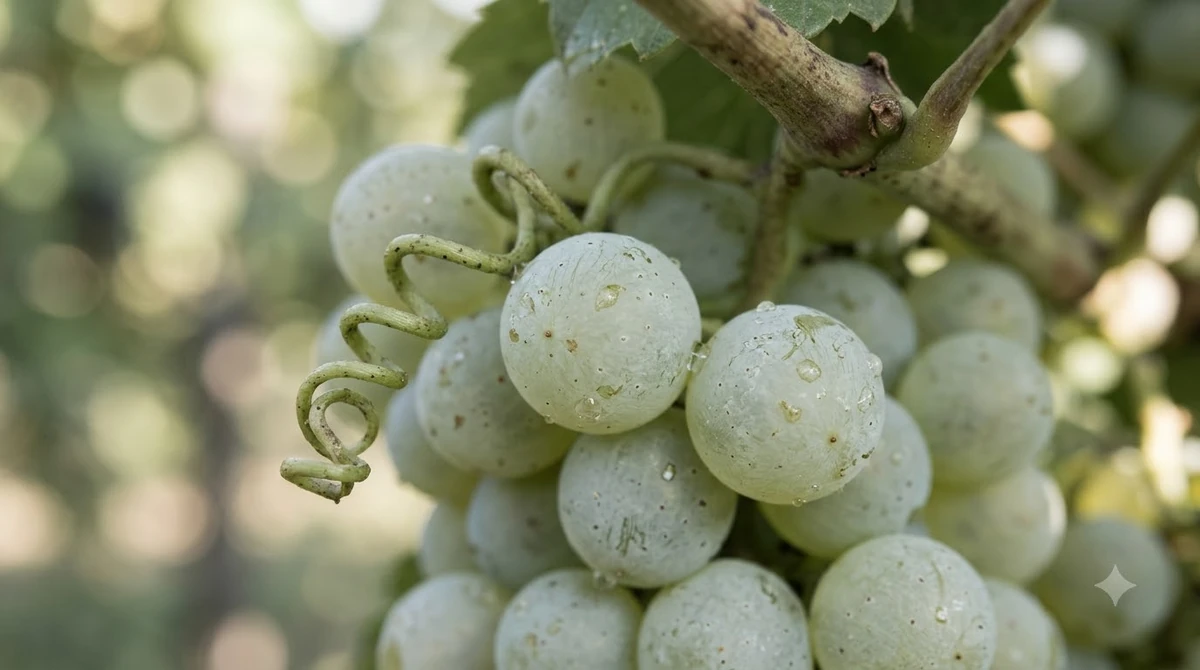
Austria is the center of the grape’s world. According to Wine Folly’s comprehensive grape guide, roughly one-third of Austria’s vineyards are planted to Gruner, and more than 90 percent of the country’s crop grows in Lower Austria, known locally as Niederösterreich. That concentration explains why the best-known examples come from a handful of famous valleys along the Danube, where steep terraces and mixed soils give the grape its range.
The aromas follow a recognizable pattern. Wine Folly describes lime, lemon and grapefruit alongside a green, herbal character and the variety’s hallmark white pepper. That pepper comes from rotundone, a compound found in the berry skins, and it is the same compound behind the peppery character of Syrah. Philip Blom, writing in Decanter, lists citrus and grapefruit with the trademark black pepper note as the core profile, with cut grass, green apple and apricot showing up depending on the site and the winemaking.
On the palate, Gruner usually has very high acidity and a light to medium body, with no tannin to speak of. Typical alcohol sits between 11.5 and 13.5 percent by volume, which keeps the wine lively without much warmth. Most bottles see no new oak, so the fresh, direct character stays in front. VinePair describes the average Gruner as fresh and drinkable, while Reserve bottles and Wachau Smaragd wines can be much richer.
What Riesling Brings to the Glass
Riesling is the more aromatic of the two grapes, and its style spans a wider range of sweetness, weight and mineral character. Its home is Germany, and it also grows in Austria, where it sits beside Gruner on many of the best slopes.
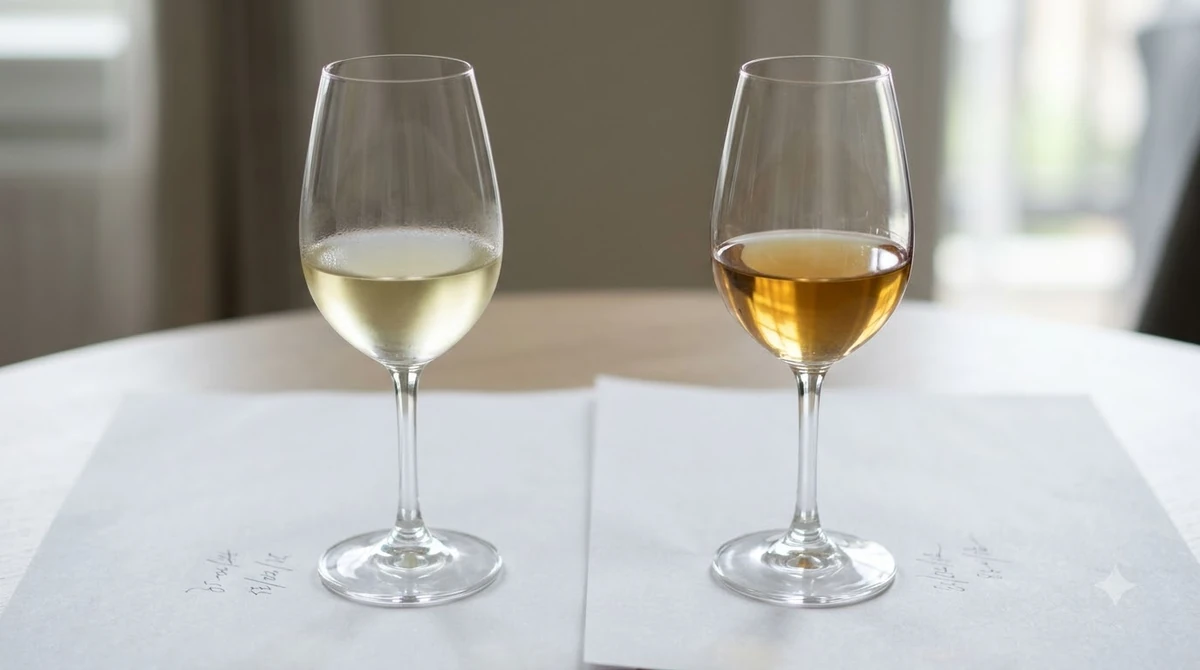
VinePair’s illustrated guide describes Riesling as a grape chameleon. Its styles run from delicate to powerful, from bone dry to unctuously sweet, and from stickily fruity to intensely minerally. The guide also notes the grape’s long reputation for light, sweet wines, a reputation that covers only part of the picture today. High acidity and distinctive flavor and aroma markers are the telltale signs of the variety.
In Austria the two grapes share the same ground. Blom writes in Decanter that the best Gruner commonly competes with Riesling for vineyard space, and that top examples can reflect their terroir as clearly as the Riesling planted beside them. For a shopper, that means comparing the two from the same region is one of the most useful ways to understand what each grape contributes.
In the glass, the first difference you notice is often the mineral and fruit profile. Gruner tends toward pepper, herbs and citrus, while the more intense Riesling styles are described as minerally and focused. Neither grape is simple on its own terms, so it helps to decide what you want from the bottle before you choose between them.
Acidity, Alcohol and Body Side by Side
Both wines carry high acidity, but the surrounding numbers and textures differ enough to change how a bottle works with a meal. The table below lays out the main traits so you can compare them at a glance.
| Trait | Gruner Veltliner | Riesling |
|---|---|---|
| Acidity | Very high | High |
| Sweetness | Almost always bone dry | Bone dry to unctuously sweet |
| Body | Light to full, depending on region | Delicate to powerful |
| Typical alcohol | 11.5% to 13.5% ABV | Varies widely by style |
| Signature aroma | White pepper, lime, green herbs | Intensely mineral in the most intense styles |
| Serving temperature | 45°F to 65°F | 45°F to 50°F for dry, 43°F to 50°F for sweet |
Read the table as a starting point rather than a rulebook. Gruner gives you a fairly tight profile: high acid, moderate alcohol and a dry finish, with most of the variation coming from region and occasional oak. Riesling has a wider spread, so the bottle matters more. A dry Riesling and a sweet Riesling can sit at opposite ends of the same list, which is why checking the sweetness descriptor on the label before you commit is worth the extra few seconds.
Alcohol changes how food feels. Because Gruner usually sits in a moderate range, it stays fresh alongside fried or creamy dishes without feeling heavy. Riesling can vary more, so the lower-alcohol bottle is often the more forgiving pick for a spicy plate. Wine Folly notes that the fuller, age-worthy Gruners can be served slightly warmer than the zesty ones, which shows that the grape changes with its weight as well as its climate.
Tip: Alcohol amplifies chili heat, so when a dish is very spicy, reach for the lower-alcohol bottle of either wine and keep it well chilled.
Sweetness: Where Riesling Offers More Range
Gruner Veltliner is almost always dry, while Riesling covers the full sweetness scale from bone dry to richly sweet. That single difference shapes most of the food decisions you make with these two wines.
Most Gruner you will find on a shelf is bone dry, and many wines carry a hint of residual sugar that is rarely noticeable because the acidity covers it. Decanter notes that nobly sweet Gruner is produced in Lower Austria only in exceptional years, and that some producers, including Emmerich Knoll, use botrytis as a deliberate stylistic signature. Those bottles are rare, so a dessert-style Gruner is a discovery rather than a default.
Riesling gives you far more choice when dessert is on the menu. VinePair describes German styles from bone dry to unctuously sweet, with stickily fruity examples at the sweet end. The working rule is simple: the wine should be at least as sweet as the dessert, or the pairing will taste thin and sour. A lightly sweet Riesling works with an apple tart, a fruit crumble or a bowl of fresh berries, where the fruit and the wine’s acidity keep each other in balance.
For a sweet finish, then, Riesling is the wine most people reach for first. Gruner can still earn a place mid-meal when you want a little roundness, but it is rarely the answer for dessert. Sweetness is the variable that matters most with both grapes, so decide that before you think about anything else.
Soils, Regions and Where the Two Grapes Meet
Both grapes grow on steep, well-drained slopes in the Wachau, Kamptal and Kremstal, and soil shapes how each one reads in the glass. Gruner prefers loess and primary rock soils that drain well, which is one reason these regions suit it. Decanter’s feature on Grüner Veltliner adds that the grape also needs a real gap between daytime and nighttime temperatures to reach its best.
The Wachau is the most famous of these regions. Wine Folly describes gneiss soils and steeply terraced slopes that give dry Gruner ripe peach and flint notes. Decanter gives the Wachau grade a clear benchmark: its top Smaragd wines reach at least 12.5 percent alcohol under the local classification. The Kamptal sits just downriver, and Decanter warns that the grape there tends toward broader, fatter wines on its loess-dominated soils, which is why Reserve bottles from the region deserve a closer look.
The Weinviertel offers the spicy end of the spectrum. Wine Folly describes its Gruner as among the most peppery expressions of the variety, usually made in an easy-drinking, light-bodied, dry style. Those bottles often make a good first encounter for a Riesling drinker who wants something lighter and more herbal.
Riesling and Gruner compete for the same vineyard space on the best sites, so terroir differences often show up as a side-by-side question rather than a fixed rule. For a broader look at how these comparisons work across the wine world, the Wine vs Wine hub is a useful next stop.
Food Pairing: Which Wine for Which Plate
Gruner Veltliner suits creamy, fatty and herbal dishes, while Riesling is the better pick when sweetness or heat is part of the plate. Both wines are high in acid, so both can stand up to lemony or vinegary food. The details below help you choose quickly.
Gruner is the classic partner for Viennese cooking. According to Wine Folly, the acidity and spice in Gruner match creamy and fatty dishes, and Wiener Schnitzel is a near-perfect match. Tonkatsu and ramen work well too, because the acid cuts through a fried coating or a rich broth. Older, more concentrated Gruner pairs nicely with hard mountain cheeses such as Gruyère or Appenzeller.
Riesling is the better match for sweet-and-spicy plates. Acidic food needs a wine with equal or higher acidity, so a crisp Riesling holds up to citrus, pickles and tangy sauces. Chili heat grows stronger with alcohol, so a lower-alcohol Riesling is usually calmer alongside a spicy curry than a fuller Gruner would be. A touch of sweetness also gives you a cushion for heat that a bone-dry Gruner cannot always offer.
If your usual white is Sauvignon Blanc, the gruner veltliner vs sauvignon blanc breakdown shows where the two overlap at the table. Gruner’s herbal lift makes it a smart swap for fish, salads and herb-heavy vegetable dishes. Shoppers moving over from Pinot Grigio will notice more personality in the glass, and the gruner veltliner vs pinot grigio comparison covers that step in more detail.
Serving Temperature and Storage
Both wines should be served cold, but the right temperature depends on style. Lean, youthful bottles want the cold end of the range, while fuller and more serious bottles show more when they warm a little. Matching temperature to style keeps acidity and aroma in balance.
For Gruner, Wine Folly recommends a serving range of 45 to 65 degrees Fahrenheit. Zesty, youthful examples should be well chilled, and the richer, age-worthy bottles can be served slightly warmer. Most bottles do not need decanting, and a standard white wine glass is enough to show the pepper and citrus.
Riesling follows the same logic, but its sweetness changes the number. Dry styles show best between 45 and 50 degrees, while sweeter bottles stay fresh at a slightly cooler 43 to 50 degrees. Serving a sweet Riesling too warm can make its sugar taste heavier, so keep it near the cold end of the range.
Storage follows similar rules. Keep unopened bottles on their side in a cool, steady place near 55 degrees, which keeps the cork moist and the temperature stable. Once a bottle is open, keep it sealed and in the fridge to slow the decline in freshness.
Frequently Asked Questions
How do you pronounce Gruner Veltliner?
Wine Folly gives the pronunciation as grew-ner velt-lee-ner. The grape is not related to Roter Veltliner or Frühroter Veltliner, even though the names look similar on a list, so do not mix them up when ordering.
Is Gruner Veltliner grown outside Austria?
Yes, though in small amounts. Wine Folly reports that about 75 percent of the world’s Gruner is planted in Austria, with Slovakia and Czechia next in line. The United States has roughly 60 hectares planted to the grape.
Can Gruner Veltliner age well?
It can. Philip Blom writes in Decanter that a well-made, powerful Gruner can age easily for 40 years and more. As it matures, the pepper note fades and the wine broadens into cooked apple and apricot jam, a shift he compares to the way Chardonnay evolves.
Is Riesling always from Germany?
Germany is its home, according to VinePair, but the grape is grown much more widely than that. VinePair notes plantings in New York and Australia as well as in Austria. Its style changes noticeably from one region to the next.
How long does an opened bottle keep?
For typical still whites, plan on three to five days in the fridge with the cork or stopper in place. Sparkling wine lasts only one to three days once opened. A bag-in-box wine can keep for four to six weeks, which makes it a practical option for a week of casual meals.
Gruner Veltliner and Riesling are both high-acid whites, and that shared trait is why they pair so well with food. Choose Gruner when you want a dry, peppery, herbal white with a clean finish. Choose Riesling when you want flexibility from bone dry to sweet, along with a brighter mineral lift.
More in Wine vs Wine
 Nero d’Avola vs Pinot Noir: Taste, Body, and Pairing DifferencesUpdated Nov 21, 2026
 Chenin Blanc vs Pinot Blanc: Key Differences in Taste, Acidity, and PairingsUpdated Nov 21, 2026
 Chardonnay vs Shiraz: Key Differences in Taste, Serving, and PairingUpdated Nov 21, 2026
 Chardonnay vs Verdejo: How Spain’s Crisp White Compares to the World’s ChameleonUpdated Nov 21, 2026
 Chardonnay vs Sancerre: Key Differences in Taste, Grapes, and PairingUpdated Nov 21, 2026
 Chardonnay vs Malbec: Key Differences in Taste, Body, and PairingUpdated Nov 21, 2026