

We may earn a commission when you buy through links on this page, at no extra cost to you. Learn more.
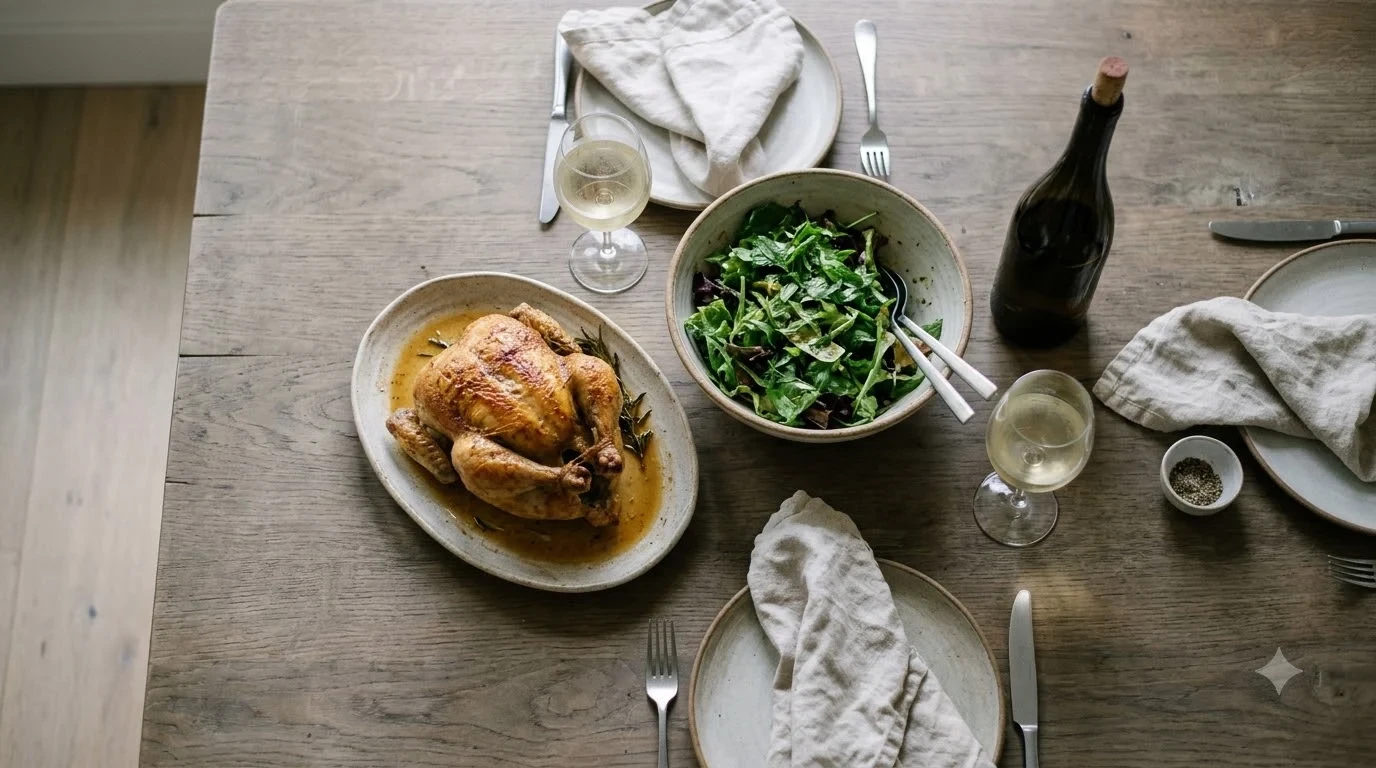
Grillo food pairing works best with seafood, herb-forward vegetables, and light pasta, because this dry Sicilian white combines high acidity with no tannin. Its citrus and saline notes cut cleanly through grilled fish and shellfish, so the wine complements rather than competes with the plate. Sweet desserts, very spicy dishes, and heavily charred red meat are the pairings to avoid. For most bottles, serve it between 45°F and 50°F.
Grillo is one of the most food-friendly white wines from Sicily, yet many drinkers meet it only as a component of Marsala. According to the International Wine Challenge, the Sicilia DOC body encourages Grillo as an alternative to Soave, Gavi, and Pinot Grigio. This guide explains why Grillo behaves the way it does at the table, which dishes suit it best, and how to serve it so its acidity stays bright.
Why Grillo Food Pairing Starts With Acidity
Acidity is the most useful fact about Grillo at the dinner table. Its structure, aromas, and lack of tannin all shape which dishes it complements, so it helps to understand those before choosing a menu.
Wine Folly describes Grillo as bone-dry, with a medium-light body, no tannins, medium-high acidity, and between 11.5% and 13.5% alcohol by volume. Without tannin to grip the palate, the wine relies on its acid to refresh your mouth between bites. That makes the basic rule of pairing matter more than usual: an acidic dish needs a wine with equal or higher acidity, or the wine will taste flat next to it. A lemon-dressed salad or a tomato sauce sits comfortably beside Grillo, while a sweet, low-acid dish can make the wine taste sharp.
The aromas point the same way. Wine Folly lists grapefruit, citrus blossom, thyme, minerals, and a saline note as the primary flavors. According to the International Wine Challenge, the citrus is often lemon in particular, with apple, pear, and jasmine underneath. Those citrus, herbal, and briny notes make lemon, fresh herbs, and seafood obvious partners. Wine Folly even calls Grillo a more savory alternative to Pinot Grigio, which is a handy shorthand if you already know your house white. For a full grape profile, Wine Folly’s Grillo guide covers the basics in more detail.
If you want to compare a rounder white with a similar savory character, the grenache blanc food pairing notes show how a fuller body changes the choices. Grillo sits at the lighter, brighter end of that comparison, so the working rule is simple: favor light, herb-driven, and citrus-led preparations, and steer away from heavy buttery sauces.
Seafood Is the Strongest Match for Grillo
Seafood is where Grillo performs best. Grilled, fried, and raw preparations all benefit from the wine’s citrus and saline character.
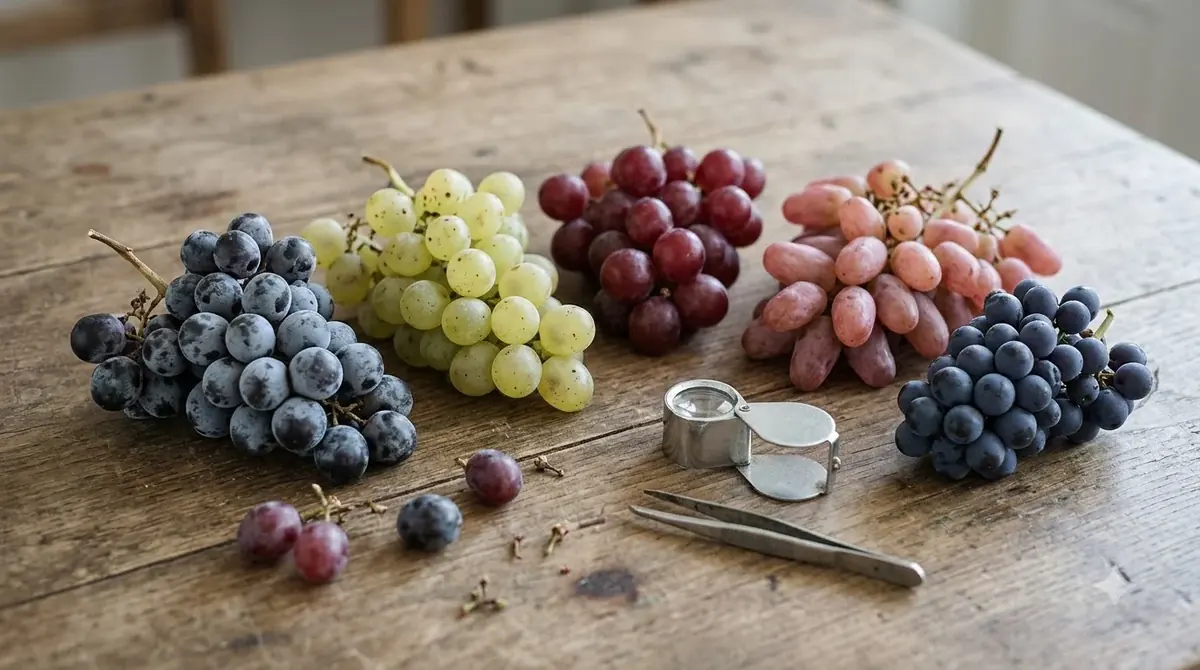
Natalie MacLean’s review of a Sicilian Grillo lists grilled sardines, fish tacos, calamari, and salads topped with fresh steamed shrimp as pairings, and it calls the wine perfect for seafood and shellfish. A reviewer on the same page suggested seafood risotto or fettuccine Alfredo, which points to richer sauces as well as simple grilled dishes. Grilled sardines are a useful test case. The fish is oily, but Grillo has no tannin, so the oil does not clash with the wine the way it can with a tannic red.
Richer fish deserves attention too. Lucio Matricardi, the winemaker at Stemmari, calls Grillo the Cabernet of white, describing it as bold and complex with plenty of body, and he says it thrives with food, especially richer fish such as salmon. A salmon fillet with a lemon and herb glaze, or a roast with capers and olive oil, gives the wine enough texture to match without burying its citrus. For mild white fish such as cod or sea bream, choose a lighter preparation with a squeeze of lemon so the wine’s acidity supports the fish rather than overpowering it.
Shellfish follows the same logic. Wine Folly’s saline and mineral notes make briny shellfish a logical partner, so oysters, clams, and mussels belong on a seafood menu. Raw preparations work well when they are sharp and clean, while a heavily fried coating calls for an extra squeeze of lemon at the table. A good guideline for any seafood dinner is to keep the sauce bright and herb-led, which is exactly where Grillo does its best work.
Vegetables and Herbs That Suit Grillo
Vegetable dishes are a natural partner for Grillo, especially those built on fresh herbs and a squeeze of citrus. Wine Folly includes vegetable dishes among the foods that do well with the wine.
The thyme note in Wine Folly’s profile is a useful guide. Roasted zucchini finished with lemon zest and thyme lets the wine’s herbal aromatics echo what is on the plate. Shaved fennel with orange segments and a light olive oil dressing is another strong choice: the orange supplies acidity the wine can match, and the fennel’s anise character sits comfortably beside the wine’s floral side.
Grilled vegetables are equally easy to pair. Asparagus with lemon and a little grated Parmesan, or green beans with a lemon vinaigrette, keep the flavors clean and let the acidity do most of the work. When a dressing is vinegar-heavy, aim for balance rather than force, since the general principle is to match the food’s acidity rather than exceed it. If your table also includes a red, the blaufrankisch food pairing notes show how a medium-bodied red handles many of these same savory vegetable dishes.
Pasta and Risotto Dishes That Work With Grillo
Pasta is the other reliable home for Grillo, provided the sauce is light, herbal, or built on seafood. Creamy dishes can work too, because the wine’s acidity cuts through fat and cleanses the palate.
Light pastas match Grillo naturally. Linguine with clams, garlic, parsley, and a splash of white wine is a strong pairing, since the shellfish and herbs echo the wine’s saline and thyme notes. Spaghetti with cherry tomatoes, basil, and good olive oil also works, because the tomato’s acidity is matched by the wine’s, and the basil adds the herbal lift the wine already has. Both dishes keep the sauce bright, which is the main reason Wine Folly’s advice that pastas do well with Grillo holds up in practice.
Richer sauces are workable with the right balance. The seafood risotto and fettuccine Alfredo suggestion from the Natalie MacLean review points to a useful principle: a cream or butter sauce needs a wine with enough acidity to cleanse the palate between forkfuls. Grillo’s medium-high acidity does that job, so a lemony shrimp risotto or a seafood fettuccine with a light cream sauce can be well matched. Keep aged cheese moderate, though, because a heavy hit of sharp cheese can push the wine’s delicate aromas into the background.
Dishes and Flavors to Avoid With Grillo
A few common pairings work against Grillo, mostly because of sweetness, chili heat, or heavy char. Knowing which dishes to skip is as useful as knowing which to choose.
Sweet desserts are the most common mistake. A wine should be at least as sweet as the dessert it accompanies, and Grillo is bone-dry according to Wine Folly. A lemon tart or tiramisu will make the wine taste sour and thin, so serve fresh fruit, espresso, or a sparkling wine instead. If dessert is non-negotiable, a sweet dessert wine is the right choice, not a dry Grillo.
Chili heat is the second trap. Alcohol amplifies the sensation of chili heat, and the International Wine Challenge’s sample of producers shows Grillo usually sitting between 12.5% and 13.5% alcohol. A lightly spiced Sicilian pasta is fine, but a very hot curry or fiery salsa will make both the food and the wine harsher. When the heat is high, add cooling sides such as cucumber, plain yogurt, or a crusty bread course.
Heavily charred red meat is the third. Grillo has no tannin and only a light-to-medium body, so it lacks the structure to stand beside a thick, charred steak or a dark game sauce. For those dishes, reach for a red with more structure. The carignan food pairing guide covers reds that can handle grilled and savory meat. Keeping the menu light is the simplest way to let Grillo show what it does best.
Serving Temperature, Glassware, and Storage
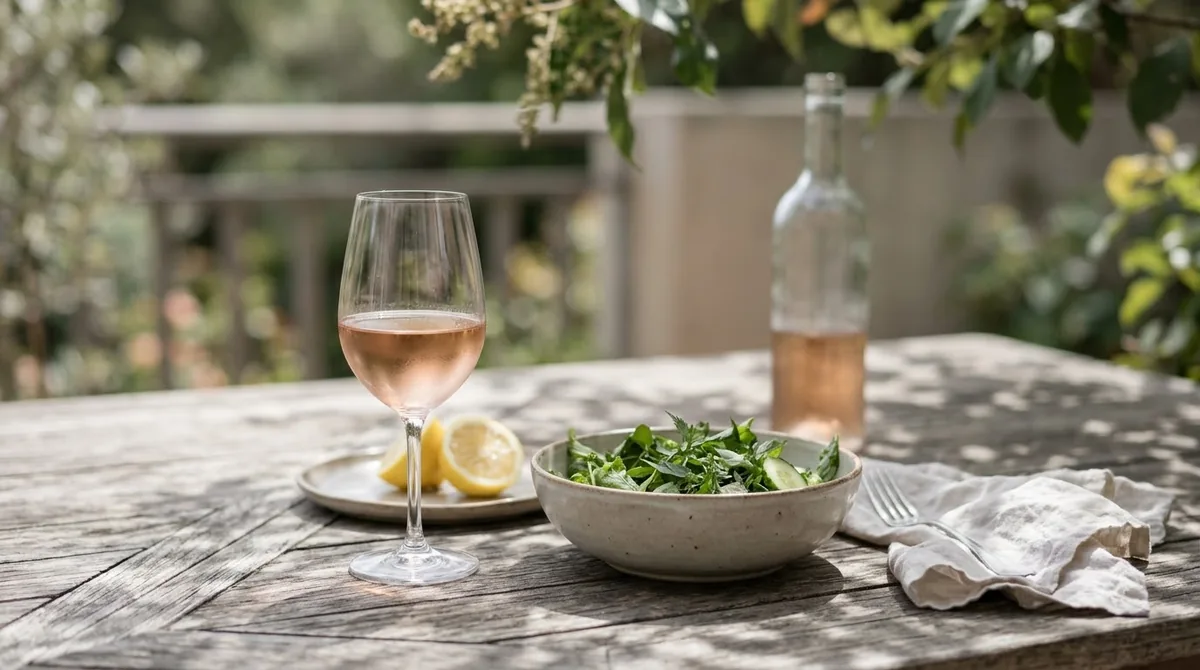
Serve Grillo cool, pour it into a white wine glass, and treat an opened bottle as a short-term wine. Those three habits protect its citrus and herbal character more than most pairing decisions do.
Wine Folly recommends serving Grillo between 45°F and 55°F, which is 7°C to 12°C, from a white glass without decanting. For most bottles, the sweet spot sits between 45°F and 50°F, where the acidity stays lively and the aromas stay clean. Fuller, richer versions can handle a few degrees warmer, up toward 55°F. A wine served too warm loses its lift and its alcohol becomes more noticeable, which is a problem when you are serving spicy or savory food.
Storage matters too. Keep unopened bottles on their side in a cool, stable place, ideally near 55°F. Wine Folly suggests a cellar window of three to five years, which is best read as a ceiling rather than a target for most people. Once a bottle is opened, reseal it and refrigerate it. Still whites like Grillo keep for roughly three to five days in the fridge, so finish the bottle within that window.
Choosing a Grillo Style for Your Menu
Not every Grillo tastes the same, and the bottle’s style should guide what you serve with it. The International Wine Challenge’s Grillo feature describes the biotypes that shape the glass, and the difference shows up in the bottle.
Biotype A is the more widespread and productive form, with greater acidity and a citrus and exotic fruit aroma. Biotype B is less productive, with looser bunches and potentially greater sugar ripeness, which results in higher alcohol, lower acidity, and a more floral, spicy, ripe white fruit profile. Plantings of biotype B are on the rise to meet demand for fruitier white wines, so a producer’s biotype is worth asking about when you are choosing food.
Winemaking shapes the style too. Tasca d’Almerita ferments its Grillo at 16°C for 15 days, ages it for four months on the lees in stainless steel, and does not carry out malolactic fermentation. Skipping malolactic keeps the wine’s sharper acidity intact, which suits raw seafood and lemon-driven dishes. A richer, more textured bottle is the better partner for creamy pasta, so match the wine’s structure to the sauce rather than the grape name alone.
The table below puts several producers’ lab figures side by side. The numbers come from the producer data published by the International Wine Challenge and from Tasca d’Almerita, and they show how alcohol and acidity vary across bottles that carry the same grape name.
| Wine | Alcohol | Total acidity | pH |
|---|---|---|---|
| Donnafugata SurSur | 12.73% | 5.4 g/L | 3.20 |
| Valle dell’Acate Zagra | 12.5% | 6.29 g/L | 3.25 |
| Baglio del Cristo Lalùci | 13.5% | 5.9 g/L | 3.20 |
| Tasca d’Almerita Grillo | 13% | 5.33 g/L | 3.12 |
Those figures are a practical guide. Total acidity and pH measure different things, and pH does not map directly onto how sour a wine tastes, so treat total acidity as the main signal for crispness. Pair the higher-acid bottles with lemon-heavy and briny dishes, and save the rounder, higher-alcohol styles for pasta with richer sauces.
Tip: For a seafood dinner, look for a Grillo described as fresh or lean, and serve it at the cool end of the range, around 45°F to 48°F. Those bottles keep their citrus and saline character best next to raw shellfish.
For a broader comparison of grape styles and the foods that suit them, browse Wine by Type.
Frequently Asked Questions
Is Grillo the same grape used in Marsala?
Yes. According to the International Wine Challenge, Grillo is one of the three key grapes in Marsala, which is typically a blend of Grillo, Inzolia, and Catarratto. Dry Grillo bottles are made from the same grape without the fortification that defines Marsala.
Does Grillo ever spend time in oak?
Most Grillo is fermented and aged in stainless steel, but the International Wine Challenge notes that some producers age a percentage of the wine in oak barrels for added complexity. Oak-aged bottles tend to feel rounder and more textured than steel-aged ones, which makes them a better match for creamy sauces.
Where does the Grillo grape come from?
Tasca d’Almerita describes Grillo as a hybrid of Catarratto and Moscato d’Alessandria, created in the late 1800s by Baron Antonio Mendola. The grape was widespread in the province of Trapani for Marsala production, and it is now made as a dry, fresh, aromatic white wine.
How many glasses are in a bottle of Grillo?
A standard 750 ml bottle yields about five 5-ounce pours, so plan on roughly one bottle for every four or five glasses you expect to serve. Wine served across several courses tends to disappear faster, so round up when the menu is long.
Is Grillo made from organic or sustainably farmed grapes?
Some Grillo is. One Vitese Grillo listing on Natalie MacLean’s site describes the wine as organic. Tasca d’Almerita, for its part, reports that it is a certified B Corp and a member of Sostain, an association of Sicilian winemakers focused on sustainable development.
Grillo rewards a light hand at the table. Start with seafood, lemon, and herbs, keep the wine cool, and skip the sweet desserts and the chili-heavy dishes, and it will show the bright, savory side that makes Sicilian whites worth knowing.
More in Wine Types & Grapes
 What Does Ruby Port Taste Like? Flavor Notes, Styles, and Serving TipsUpdated Nov 21, 2026
 What Does Ribolla Gialla Taste Like? Crisp White and Amber Styles ExplainedUpdated Nov 21, 2026
 What Does Semillon Taste Like? Flavor Profile, Styles & PairingsUpdated Nov 21, 2026
 What Does Scuppernong Taste Like? Flavor, Styles, and Pairing GuideUpdated Nov 21, 2026
 What Does Saperavi Taste Like? Flavors, Styles, and Pairing GuideUpdated Nov 21, 2026
 What Does Natural Wine Taste Like? Flavors, Styles, and Serving TipsUpdated Nov 21, 2026