

We may earn a commission when you buy through links on this page, at no extra cost to you. Learn more.
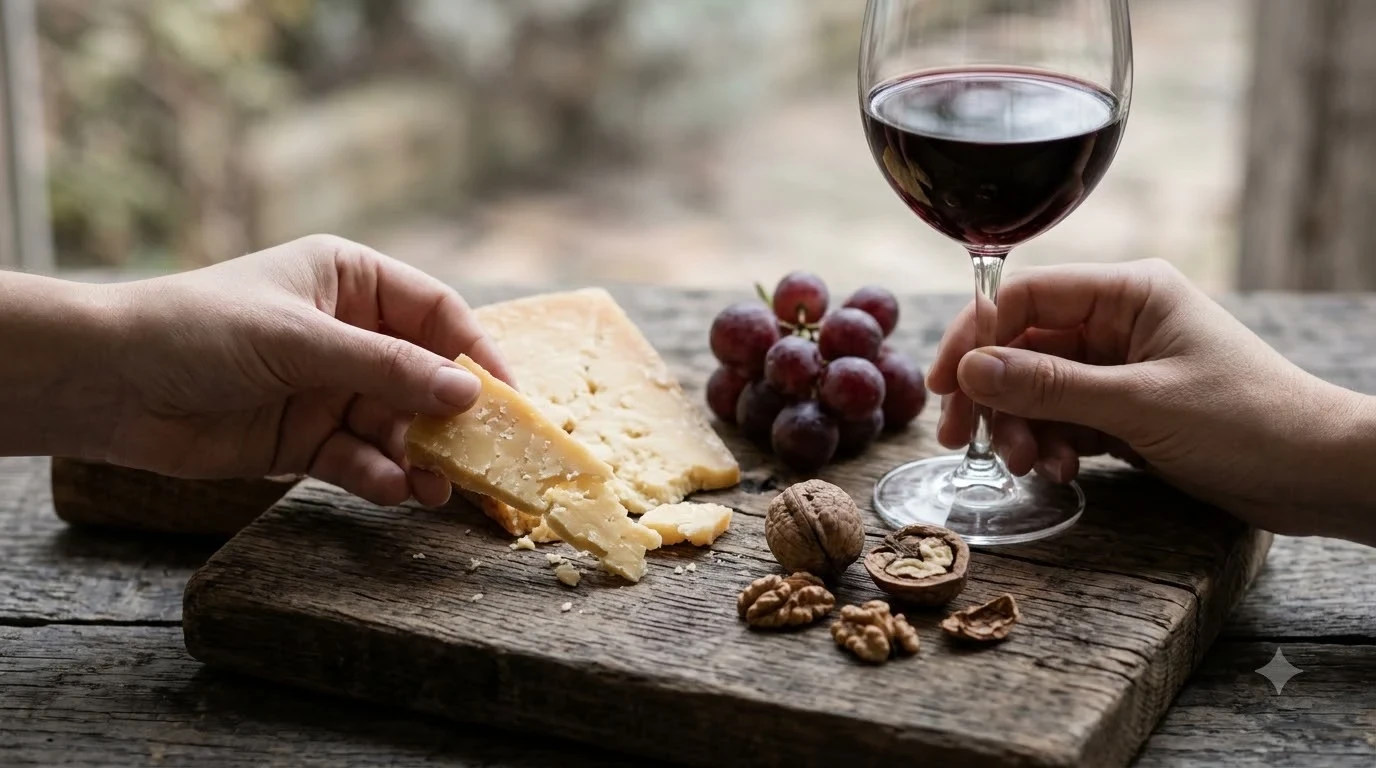
Graciano food pairing works best with grilled lamb, roasted beef, game, aged cheeses, and hearty dishes featuring earthy herbs and spices. This Spanish red grape produces wines with pronounced acidity, firm tannins, deep color, and concentrated red and black fruit flavors. Its freshness helps balance rich foods, while its structure stands up to slow-cooked meats, grilled dishes, and savory sauces. For an especially reliable match, serve a bottle with herb-roasted lamb, Manchego cheese, or braised beef.
Graciano deserves attention at the dinner table because it offers something different from more familiar Spanish reds. Although it is traditionally blended with Tempranillo in Rioja, single-variety Graciano wines reveal a distinctive combination of freshness, aromatic intensity, and structure. Understanding those characteristics makes it easier to choose dishes that complement the wine rather than overwhelm it.
Understanding Graciano’s Flavor and Structure
Graciano is a Spanish red grape best known for its association with Rioja and its contribution to structured, aromatic wines. Its naturally high acidity, noticeable tannins, and concentrated fruit make it particularly suitable for meals with substantial flavor and texture.
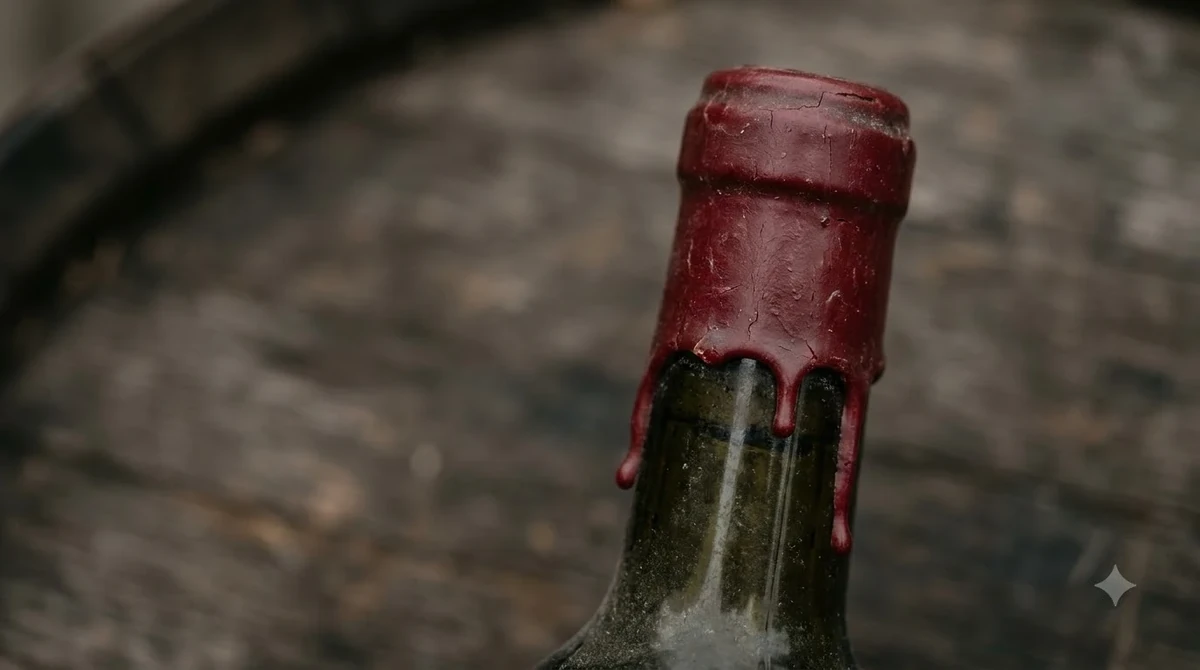
The Rioja regulatory council describes Graciano as producing deeply colored wines with violet reflections, pronounced aromas, and a broad, silky palate. Its characteristic aromas include red fruit, black fruit, licorice, and flowers. Depending on the producer and aging, the wine may also develop balsamic, leather, and sour almond notes. These characteristics create several useful opportunities for food pairing. The council’s Graciano grape profile provides additional details about its traditional role and growing characteristics.
Blackberry, black cherry, mulberry, and plum are common fruit associations. Floral notes can bring violet-like aromas, while black pepper, licorice, and herbs provide a savory dimension. Wines matured in oak may also show vanilla, toast, cocoa, and leather. The combination of dark fruit and savory complexity makes Graciano particularly effective alongside roasted and grilled foods.
Acidity is one of the grape’s most important characteristics. It provides freshness that helps balance fatty meat, rich sauces, and dishes cooked with olive oil. Tannins add structure and can create a drying sensation when the wine is consumed without food. Protein and fat in a meal help soften that sensation, which explains why Graciano often performs better with a substantial main course than with delicate appetizers.
Graciano is also an important blending grape. In Rioja, it traditionally complements Tempranillo by adding freshness, aromatic intensity, and structure. However, producers in Rioja and neighboring Navarra have increasingly explored wines made entirely from Graciano. These bottles can vary in concentration and tannin, so the best pairing depends partly on whether the wine is young, oak-aged, or mature.
For a broader understanding of how grape varieties influence wine character and meal choices, explore Wine by Type. Recognizing acidity, tannin, body, and flavor is more useful than choosing a dish simply because it comes from the same country as the wine.
Best Meat Pairings for Graciano
Graciano is particularly well suited to lamb, beef, pork, and game because these foods have enough richness and flavor to balance the wine’s acidity and tannins. Grilling, roasting, and slow braising are especially effective cooking methods.
Lamb is one of the strongest choices. Roast leg of lamb with rosemary, garlic, black pepper, and olive oil brings out the wine’s dark fruit and herbal characteristics. The natural richness of lamb also softens the perception of tannin, creating a balanced combination. Lamb chops grilled over charcoal are another excellent option, especially when served with roasted potatoes or sautéed greens.
For a Spanish-inspired meal, prepare lamb shoulder with garlic, thyme, smoked paprika, and a little stock. Slow cooking makes the meat tender and concentrates the savory flavors. A structured Rioja Graciano can match this preparation particularly well, especially when the wine has developed leather, balsamic, and spice notes through aging.
Beef is another reliable match. Grilled ribeye, roast beef, beef short ribs, and pepper-crusted steak all have the richness needed to complement Graciano. The wine’s acidity cuts through the fat in ribeye, while its tannins work well with the protein in the meat.
For a simple steak dinner, season a ribeye with salt, black pepper, and rosemary before grilling. Avoid excessively sweet sauces that can make a dry red wine seem more bitter. Instead, use a pan sauce made with beef stock, shallots, mushrooms, and herbs. The savory flavors reinforce the wine’s earthy and spicy notes.
Pork can also work beautifully. Grilled pork shoulder, roasted pork loin, and slow-cooked pork belly offer different levels of richness. Pork loin with rosemary and garlic suits a fresher Graciano, while pork belly or braised shoulder can stand up to a more concentrated bottle.
Game meats offer another natural direction. Venison, wild boar, and other richly flavored meats can complement Graciano’s dark fruit, spice, and firm structure. A venison stew with mushrooms, juniper, carrots, and thyme is especially suitable for an older, more complex bottle.
Tip: Match the wine’s weight to the dish. Choose a fresher Graciano for pork loin or simply grilled lamb, and reserve concentrated, oak-aged examples for beef short ribs, venison, and rich braises.
Cheese, Charcuterie, and Spanish Tapas
Aged cheeses and cured meats are excellent partners for Graciano because salt and fat help soften tannin while concentrated savory flavors complement the wine’s dark fruit and spice. Spanish ingredients provide particularly natural combinations.
Manchego is an especially good starting point. This Spanish sheep’s milk cheese develops nutty, savory flavors as it ages. A mature Manchego has sufficient intensity to stand alongside Graciano without overwhelming it. Serve thin slices at room temperature with toasted bread, olives, and almonds.
Other suitable cheeses include aged Cheddar, aged Gouda, Pecorino, and firm sheep’s milk cheeses. Aged Gouda can contribute caramelized, nutty notes that work well with oak-aged Graciano. Pecorino offers a salty, savory contrast, while aged Cheddar provides enough richness to balance the wine’s structure.
Very mild cheeses are generally less successful. Fresh mozzarella, young goat cheese, and delicate cream cheeses can be overshadowed by a full-bodied red with pronounced tannins. If serving a mixed cheese board, place the stronger cheeses closest to the wine and offer milder options with bread or lighter accompaniments.
Charcuterie is another excellent choice. Spanish chorizo, jamón, salchichón, and other cured meats have concentrated flavors and enough fat to complement the wine. Smoked and air-dried meats can bring out Graciano’s pepper, licorice, and earthy characteristics.
A Spanish tapas board can include:
- Aged Manchego with Marcona almonds.
- Thin slices of jamón and salchichón.
- Spanish chorizo with toasted bread.
- Marinated olives with garlic and herbs.
- Roasted red peppers with olive oil.
- Grilled mushrooms with parsley.
These small dishes allow several flavors to interact with the wine. The cheese softens the tannins, the cured meats reinforce the savory character, and the olives contribute salt and acidity.
For a more substantial appetizer, prepare crostini with sautéed mushrooms, garlic, thyme, and a small amount of aged cheese. Their earthy flavors are especially attractive alongside Graciano with developed balsamic or leather characteristics.
Vegetarian Dishes and Earthy Ingredients
Graciano can pair successfully with vegetarian food, particularly dishes built around mushrooms, eggplant, lentils, roasted peppers, and herbs. The key is to provide enough flavor and texture to stand up to a structured red wine.
Mushrooms are among the best vegetarian ingredients for Graciano. Their earthy, savory character connects naturally with the wine’s herbal, balsamic, and dark-fruit notes. Try grilled portobello mushrooms with garlic and thyme, mushroom risotto with Parmesan, or roasted wild mushrooms served over polenta.
Mushroom risotto is particularly useful because its creamy texture and savory depth complement the wine’s structure. Parmesan adds salt and richness, while thyme and black pepper reinforce the wine’s aromatic profile. Avoid making the risotto excessively acidic with lemon juice or large quantities of white wine.
Eggplant offers another strong option. Its soft texture and ability to absorb olive oil, herbs, and spices make it suitable for substantial red wines. Grilled eggplant with smoked paprika, garlic, and tomato sauce works well, as does a baked eggplant dish with lentils and roasted peppers.
Vegetable-based casseroles can also make satisfying pairings. Ratatouille with eggplant, zucchini, tomatoes, and bell peppers has enough concentrated flavor to accompany a medium-bodied Graciano. Add thyme, rosemary, and olive oil to create a more savory preparation.
Lentils and beans provide the substance needed for a more complete vegetarian pairing. Prepare green lentils with roasted carrots, mushrooms, onions, garlic, and smoked paprika. Their earthy flavors and firm texture complement Graciano, especially when the dish includes olive oil or a little aged cheese.
Roasted root vegetables are also useful. Carrots, parsnips, beets, and potatoes develop concentrated sweetness during roasting. Season them with rosemary, black pepper, and olive oil rather than a sweet glaze. Excessive sweetness can make a dry wine taste more austere.
For a Mediterranean-inspired meal, serve grilled vegetables with white beans, olives, parsley, and roasted red peppers. The beans provide substance, the olives add salt, and the herbs connect with Graciano’s floral and savory aromas.
Spicy Food, Sauces, and International Cuisine
Graciano can accompany moderately spiced dishes, particularly those featuring paprika, black pepper, cumin, and aromatic herbs. However, very hot chili dishes are less suitable because alcohol and tannins can amplify the sensation of heat.
Spanish smoked paprika is an especially useful ingredient. It provides smoky, earthy flavor without necessarily adding substantial chili heat. Try paprika-rubbed pork, grilled chicken with garlic and rosemary, or lamb skewers seasoned with cumin and coriander.
For Mexican-inspired food, consider beef barbacoa with restrained chili heat, grilled beef tacos, or roasted vegetable enchiladas with a savory tomato sauce. Rich fillings and roasted ingredients provide a better match than dishes dominated by fresh hot peppers and sharp lime.
Middle Eastern dishes can also work well. Lamb kofta seasoned with cumin, coriander, garlic, and parsley offers a combination of savory meat and fragrant spices. Serve it with roasted eggplant, flatbread, and a moderate amount of yogurt sauce. The protein and richness of the lamb help balance the wine.
Moroccan-style lamb tagine with prunes, apricots, cinnamon, and cumin requires more care. A dry Graciano can taste especially firm next to a strongly sweet preparation. Keep dried fruit portions modest and emphasize savory ingredients such as olives, onions, and herbs. If the dish is distinctly sweet, a wine at least as sweet as the food is generally a better choice.
Italian dishes can be equally successful. Beef lasagna, mushroom pasta, sausage ragù, and tomato-based baked pasta all offer enough richness and savory flavor. Tomato acidity deserves attention, however. A naturally fresh Graciano is more suitable for tomato-based dishes than a particularly soft, low-acid red.
For pasta, choose a sauce with mushrooms, slow-cooked beef, or Italian sausage. A simple butter-and-Parmesan preparation can also work, especially with a lighter Graciano. Avoid very delicate seafood pasta because the wine’s tannins and dark fruit can overwhelm the ingredients.
For another comparison of structured reds with savory dishes, see our carignan food pairing recommendations. Carignan and Graciano can both work with grilled meats and earthy flavors, although their individual acidity, tannin, and fruit profiles differ.
Food Pairings to Avoid and Common Mistakes
Graciano is versatile, but its acidity, tannins, and concentrated aromas make certain dishes difficult matches. Delicate fish, very hot chili preparations, and intensely sweet desserts are among the combinations that require the most caution.
Delicate seafood is generally better suited to white wine. Graciano can overpower mild white fish, shrimp, and simply steamed shellfish. Tannic red wines also tend to clash with oily fish, making salmon and tuna less predictable choices than roasted meat or mushrooms.
There are exceptions. A rich fish preparation with a substantial sauce may work with a lighter, softer Graciano, but the details matter. Avoid pairing a young, tannic example with simply grilled cod or delicate sole.
Very spicy dishes can make the wine seem hotter and more astringent. Alcohol and tannin can amplify chili heat, so intensely spicy curries, hot wings, and dishes loaded with fresh habanero or ghost peppers are usually poor matches. If serving Graciano with spicy food, reduce the chili intensity and emphasize cumin, smoked paprika, coriander, and roasted ingredients instead.
Sweet desserts are another common problem. A dry red wine can taste bitter, sour, or harsh when served alongside food that is considerably sweeter. Chocolate desserts, fruit tarts, and caramel-heavy pastries are generally better served with a suitable dessert wine.
There is also a difference between food that is rich and food that is excessively sweet or spicy. Fatty beef and aged cheese can soften tannin, but a sugary barbecue glaze can make the wine seem less balanced. For barbecue, use a savory rub and a restrained sauce rather than a heavily sweetened preparation.
Finally, avoid serving a powerful Graciano with an overly delicate dish. A simple salad, steamed vegetables, or lightly seasoned chicken breast may lack the intensity to balance a concentrated red. Add roasted ingredients, mushrooms, aged cheese, or a more flavorful sauce if you want to make the pairing work.
Serving Temperature, Decanting, and Meal Planning
Graciano generally shows its best qualities when served slightly below ordinary room temperature, around 60–65 F for fuller-bodied examples. A moderate serving temperature preserves freshness while allowing the wine’s fruit, spice, and structure to remain expressive.
Although many people serve red wine too warm, excessive heat can make alcohol more noticeable and reduce the impression of freshness. If your room is warm, place the bottle in the refrigerator for approximately 15–20 minutes before serving, then taste it as it gradually warms in the glass.
For younger, full-bodied Graciano wines with pronounced tannins, decanting for 30–60 minutes can help soften the initial impression and allow aromatic complexity to emerge. Older bottles may need less aeration. Handle mature wines carefully because extended exposure to air can cause delicate aromas to fade.
The following table provides a practical starting point for planning a meal around different Graciano styles.
| Graciano style | Suggested serving temperature | Decanting time | Best food match |
|---|---|---|---|
| Young, fruit-forward | 60–62 F | 20–30 minutes | Grilled pork, lamb chops |
| Full-bodied, oak-aged | 62–65 F | 30–60 minutes | Ribeye, beef short ribs |
| Concentrated single-variety | 60–65 F | 30–60 minutes | Venison, mushroom stew |
| Mature Graciano | 60–63 F | As needed after opening | Aged Manchego, roast lamb |
These are practical starting points rather than fixed rules. A particularly concentrated wine may benefit from slightly more aeration, while a delicate mature bottle may be best poured soon after opening.
Glassware also matters. Use a large red wine glass with enough room to swirl the wine and release its aromas. Pour approximately 5 ounces per serving. A standard 750 ml bottle provides about five glasses, making it suitable for a dinner with four to five guests.
For a complete Spanish-inspired dinner, start with Manchego, olives, and chorizo. Serve roasted lamb with rosemary and potatoes as the main course, followed by a savory mushroom dish if you want an additional course. This progression gives the wine several opportunities to complement different textures and flavors without introducing overly sweet ingredients.
Store unopened bottles on their sides in a cool, dark location near 55 F, away from temperature fluctuations. Once opened, reseal the bottle and refrigerate it. Most still wines are best consumed within 3–5 days after opening, although their aromas and flavors can change during that period.
Graciano’s naturally pronounced acidity also makes it interesting to compare with other food-friendly reds. For a different approach to savory dishes and lighter-bodied red wine, our blaufrankisch food pairing article offers another useful set of combinations.
Frequently Asked Questions
Is Graciano the same grape as Tintilla de Rota?
Graciano is known as Tintilla de Rota in Andalusia, although regional names can sometimes create confusion with other local grape references. Guía Peñín also lists names such as Graciana, Cagnulari, and Morrastel among its synonyms. The grape is especially associated with Rioja in Spain.
Is Graciano always blended with Tempranillo?
No. Although traditional Rioja wines frequently use Graciano as a blending component, producers also make wines using 100% Graciano. Viña Zorzal in Navarra is one example of a producer that has pursued single-variety bottlings since 2007. These wines allow the grape’s distinctive aromatic character to take center stage.
Why is Graciano difficult to grow?
Graciano has a long growing cycle, ripens late, and produces relatively low yields. These characteristics make successful cultivation more demanding than for some other Spanish red varieties. It also benefits from suitable soils and growing conditions that allow the grapes to reach proper maturity.
Can Graciano be aged in a wine cellar?
Yes. Its natural acidity and polyphenolic content give Graciano considerable potential for bottle development, particularly when the wine is made with aging in mind. Guía Peñín describes how its initially rustic character can become rounder as it matures, with softer tannins and greater aromatic complexity.
Does Graciano grow outside Spain?
Yes. Although Rioja and Navarra are its best-known Spanish growing areas, Graciano has also attracted interest from producers in other wine-growing countries. Its ability to retain freshness in warm, dry conditions has encouraged experimentation outside its traditional home. Its Spanish identity nevertheless remains central to the grape’s reputation.
Graciano is a rewarding red wine to serve with flavorful food, particularly lamb, beef, aged cheese, cured meats, and earthy vegetarian dishes. Its combination of freshness, dark fruit, and firm structure makes it a natural choice for savory meals with enough richness to balance its tannins. Start with roast lamb or grilled steak and Manchego for a dependable pairing that highlights the character of this distinctive Spanish grape.
More in Wine Types & Grapes
 What Does Ruby Port Taste Like? Flavor Notes, Styles, and Serving TipsUpdated Nov 21, 2026
 What Does Ribolla Gialla Taste Like? Crisp White and Amber Styles ExplainedUpdated Nov 21, 2026
 What Does Semillon Taste Like? Flavor Profile, Styles & PairingsUpdated Nov 21, 2026
 What Does Scuppernong Taste Like? Flavor, Styles, and Pairing GuideUpdated Nov 21, 2026
 What Does Saperavi Taste Like? Flavors, Styles, and Pairing GuideUpdated Nov 21, 2026
 What Does Natural Wine Taste Like? Flavors, Styles, and Serving TipsUpdated Nov 21, 2026