

We may earn a commission when you buy through links on this page, at no extra cost to you. Learn more.
Graciano wine is a deeply colored, high-acid red wine made from a native Spanish grape most famous in Rioja and Navarra. Traditionally used in small percentages to give Tempranillo blends backbone, longevity, and floral lift, it is increasingly bottled as a striking single-varietal wine. Expect intense aromas of violets, black fruit, licorice, and black pepper backed by firm tannins and bright natural acidity.
For decades, Graciano played a supporting role in northern Spain’s most celebrated red blends, prized by winemakers for the freshness and structure it brings to the cellar. Today, more producers in Spain, Australia, and California are bottling 100 percent varietal expressions, giving wine drinkers a chance to experience this late-ripening grape on its own terms.
What Is Graciano Wine?
Graciano is an indigenous red wine grape from northern Spain, primarily cultivated in the DOCa Rioja and neighboring Navarra regions. Historically, winemakers relied on it as a blending partner rather than a solo act because its small, thick-skinned berries deliver deep pigment, brisk acidity, and grip that help age-worthy reds hold their shape for decades.
In the vineyard, Graciano is notoriously demanding to farm. According to the Consejo Regulador DOCa Rioja, the vine has low fertility, ripens late in the season, and produces small blue-violet berries with juicy, unpigmented pulp. Because yields are low and ripening requires a long, warm autumn, growers historically planted far less of it than Tempranillo—today it accounts for roughly 2 percent of total vineyard plantings in Rioja.
Across different wine regions, the grape goes by several regional synonyms. In southern Spain’s Andalusia, it is known as Tintilla de Rota; across the border in Portugal, growers call it Tinta Miúda; in southern France’s Languedoc, it appears as Morrastel; and in Sardinia, it is often labeled Cagnulari or Bovale Sardo. Regardless of the name on the label, the resulting wine sits firmly among bold, structured wine types built for the table and the cellar.
Flavor Profile and Winemaking Styles
A glass of Graciano wine typically pours an opaque, inky purple-ruby and greets the nose with a distinctive perfume of violets, crushed blackberries, and cracked black pepper. On the palate, it combines medium-to-full body with pronounced natural acidity and firm, tactile tannins that leave a clean, mouthwatering finish.
When fermented in stainless steel or neutral vessels with minimal oak influence, Graciano highlights pure, crunchy dark berry fruit, black cherry, wild herbs, and floral aromatics. This unoaked or lightly oaked approach feels energetic and savory, often drawing comparisons from sommeliers to Northern Rhône Syrah or Petit Verdot for its combination of peppery spice, dark color, and lively tension.
When aged in French or American oak barrels—as is common in traditional Rioja—Graciano takes on deeper, more layered dimensions. Barrel maturation introduces notes of cocoa, vanilla, roasted coffee, cedar, and sweet baking spices, while extended bottle age coaxes out savory tones of leather, tobacco, dried fig, and balsamic herbs. Reviewers at Decanter frequently highlight this interplay between dark fruit concentration and brisk acidity in top single-varietal bottlings from Rioja and Navarra.
| Attribute | Typical Profile in Graciano Wine |
|---|---|
| Color | Deep, opaque purple-ruby with violet reflections |
| Primary Aromas | Blackberry, black cherry, mulberry, violet, black pepper, licorice |
| Aged / Oak Notes | Dark chocolate, cedar, tobacco, leather, roasted coffee, balsamic herbs |
| Body & Alcohol | Medium to full-bodied; typically around 13% to 15% ABV depending on climate |
| Acidity & Tannin | High natural acidity with moderate-to-firm, structured tannins |
| Comparable Grapes | Northern Rhône Syrah, Petit Verdot, Mourvèdre, Sangiovese (for acidity) |
Where Graciano Grows
Northern Spain remains the spiritual and agricultural heartland of Graciano, though adventurous growers in warm, dry climates around the world have adopted the grape. Because it resists drought well yet needs clay-limestone soils with enough moisture retention to finish its late ripening cycle, site selection is critical wherever it is planted.
In Spain, DOCa Rioja and Navarra hold the largest and oldest plantings. Within Rioja, the grape thrives in Rioja Alta and Rioja Alavesa, where cooler Atlantic influences preserve its signature acidity, as well as in warmer pockets of Rioja Oriental. Neighboring Navarra—especially the Ribera Alta and Ribera Baja sub-zones—has a long history with Graciano and produces several benchmark single-varietal bottlings that showcase the grape’s pure, energetic fruit.
Outside Spain, Australia and California lead New World production. In South Australia’s McLaren Vale and Adelaide Hills, winemakers craft modern, fruit-forward Graciano with plush blackberry character and supple tannins. In California—particularly Paso Robles, Lodi, and Santa Barbara County—warm daytime temperatures help the late-ripening clusters achieve full phenolic maturity, yielding rich, spicy reds and occasional vibrant rosés.
How to Serve Graciano Wine
Graciano tastes best when served slightly below room temperature at 59°F to 65°F (15°C to 18°C), decanted briefly in its youth, and poured into a large-bowled red wine glass. Serving it too warm allows the alcohol to overshadow its delicate violet and herbal aromatics, while a light chill keeps the fruit crisp and focused.
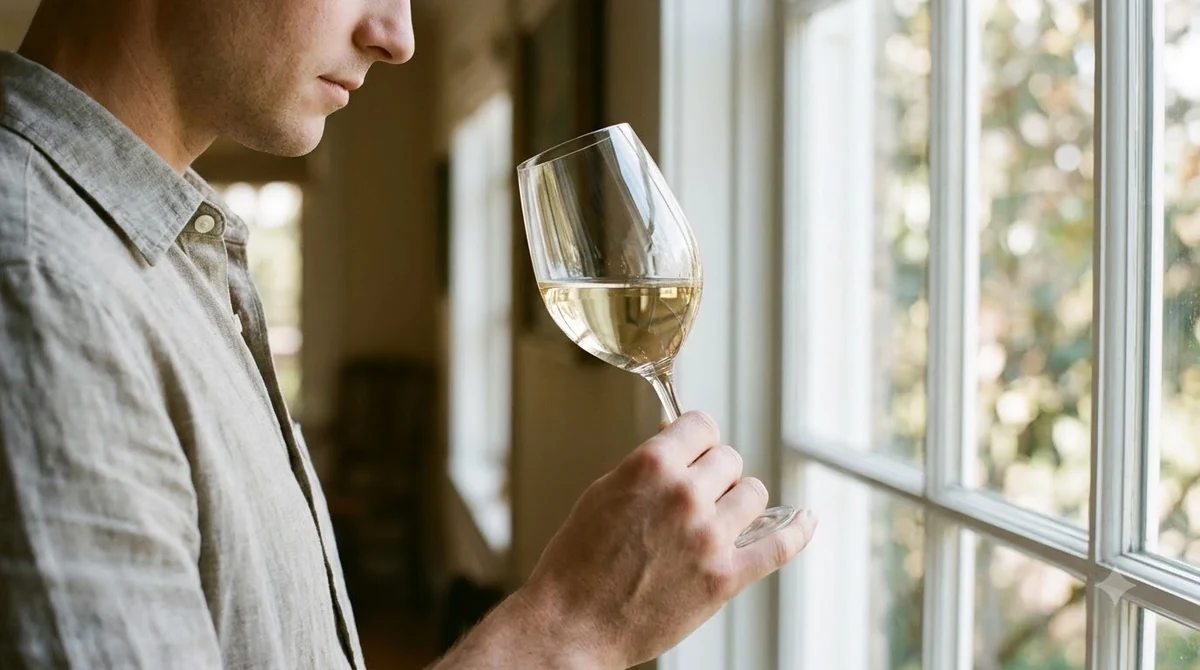
If you are opening a young bottle—under five years old—give it 30 to 45 minutes in a decanter before pouring. Exposure to oxygen softens the grape’s firm tannins and lets the floral, peppery bouquet open up in the glass. For older Reservas or cellared single-varietal bottles aged eight to fifteen years, decant gently just before serving mainly to separate any natural sediment that has formed in the bottle.
Choose a generous, tall-bowled stem such as a Bordeaux or Syrah glass. The extra surface area directs the wine toward the middle of the palate while concentrating its complex aromas of dark berries, dried herbs, and spice toward the rim. While white grapes like Catarratto or Colombard shine straight from the fridge, Graciano hits its sweet spot after about 20 minutes in the refrigerator prior to pulling the cork.
Tip: If your dining room sits around 72°F, place a bottle of Graciano in the refrigerator for 20 minutes before opening so it lands right in the 60°F to 64°F sweet spot.
Food Pairing With Graciano
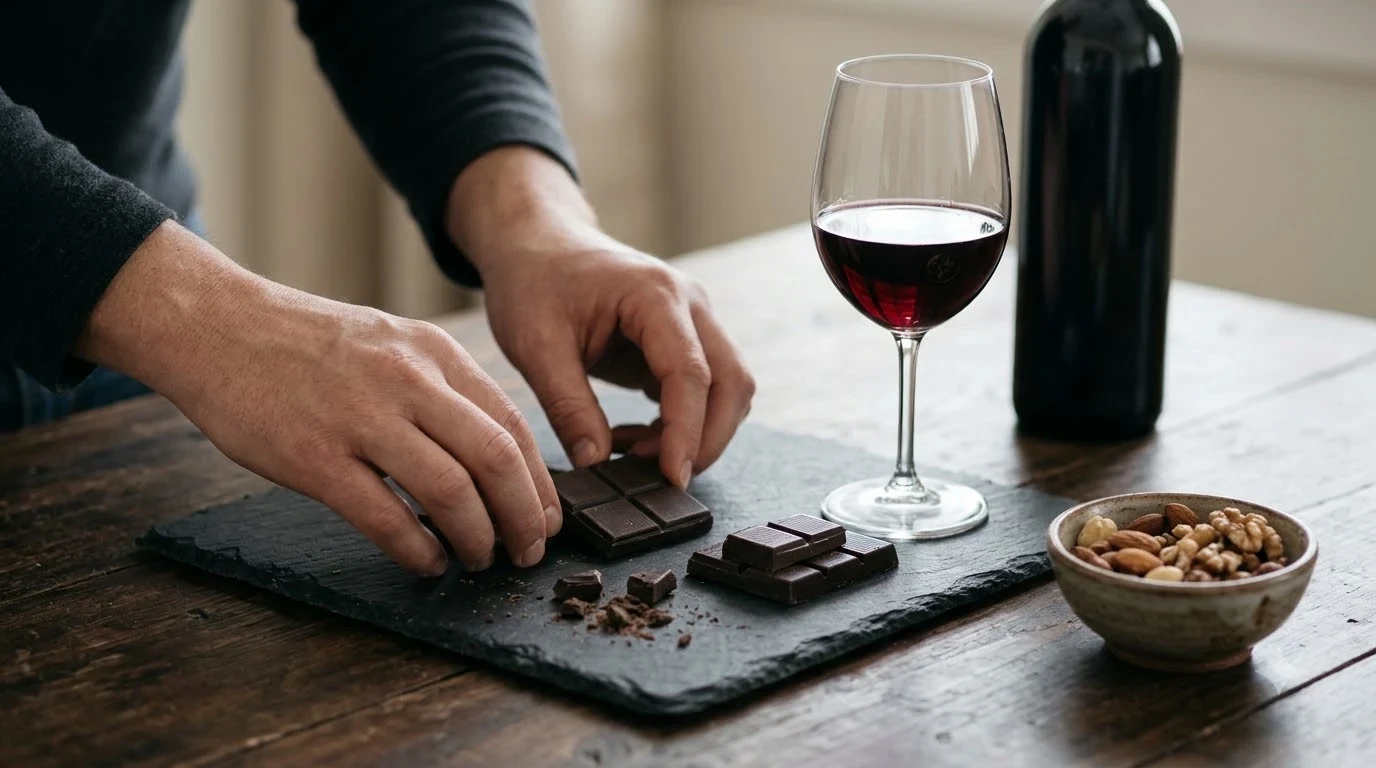
Graciano’s combination of high natural acidity, firm tannins, and savory spice makes it an exceptionally versatile partner for rich, grilled, and slow-cooked dishes. The bright acidity cuts cleanly through fats and oils, while the structured tannins bind to proteins in roasted and charred meats.
Traditional Spanish fare offers some of the most natural matches. Roast lamb chops seasoned with rosemary and garlic, wood-grilled chorizo, smoky morcilla, and cured Ibérico ham all play off the wine’s peppery, herbal streak. Hard, aged sheep’s milk cheeses like Manchego also mirror Graciano’s nutty, savory depth while softening its grip on the palate.
Beyond Spanish classics, look toward dishes built around char, smoke, and earthy aromatics. Charcoal-grilled ribeye, braised beef short ribs, lentil and sausage stews, mushroom ragù, and spiced Moroccan tagines all stand up effortlessly to the wine’s intensity. Even hearty, meaty seafood—such as grilled octopus with smoked paprika or blackened catfish—works remarkably well thanks to the grape’s citrus-like lift.
How to Choose a Bottle of Graciano
Shopping for Graciano comes down to deciding whether you want a pure single-varietal expression or a classic Rioja blend where Graciano supplies the lift behind Tempranillo. Both styles highlight what makes the grape special, but each offers a distinct drinking experience.
Look for the words “100% Graciano” or “Varietal Graciano” on the front or back label if you want to taste the grape unblended. Bottles from Navarra or younger-vine Rioja bottlings aged mostly in stainless steel or neutral oak tend to emphasize fresh black cherry, violet, and cracked pepper. Single-varietal wines labeled Crianza or Reserva in Rioja spend extended time in oak barrels, delivering deeper notes of cocoa, leather, and spice suited for cellaring.
If you prefer a softer, more familiar entry point, choose a traditional Rioja Reserva or Gran Reserva blend that lists Graciano on the back label alongside Tempranillo. Even a 5 to 15 percent splash of Graciano brings noticeable brightness, deep color, and aromatic complexity to the finished blend. Checking the vintage also helps: cooler, balanced growing seasons yield sharper, more floral wines, while warmer vintages produce riper, fuller-bodied bottles.
Frequently Asked Questions
Is Graciano wine sweet or dry?
Graciano wine is almost always made in a fully dry style. Its intense aromas of ripe blackberry, mulberry, and vanilla from oak aging can give an impression of richness, but there is virtually no residual sugar on the palate. High natural acidity and firm tannins keep the finish crisp and savory.
What does Graciano taste like compared to Tempranillo?
Compared to Tempranillo, Graciano is darker in color, higher in natural acidity, and more noticeably floral and peppery. While Tempranillo leans toward red cherry, dried fig, and mellow leather, Graciano brings vibrant violet aromatics, black fruit, licorice, and firmer tannic grip. That contrast is exactly why winemakers blend the two grapes together in Rioja.
Can Graciano wine age in the cellar?
Yes, Graciano is one of Spain’s best grapes for aging thanks to its high polyphenol content, firm tannins, and bright acidity. Well-made single-varietal bottles and Graciano-driven Rioja Reservas easily develop over 5 to 15 years in a cool cellar. Over time, primary blackberry and floral notes evolve into complex layers of leather, tobacco, dried fruit, and balsamic herbs.
Why is 100% Graciano wine harder to find than Rioja blends?
Graciano is low-yielding, late-ripening, and sensitive to weather conditions during harvest, which limits how much growers plant. In Rioja, it makes up only around 2 percent of vineyard area, so most fruit goes toward strengthening larger Tempranillo blends. As vineyard techniques have improved, however, more wineries in Spain, California, and Australia are releasing dedicated single-varietal bottlings.
Whether poured as a single-varietal bottle from Navarra or tasted as the secret backbone of an aged Rioja Reserva, Graciano wine rewards drinkers who appreciate structure, perfume, and vibrant acidity. Keep a bottle slightly chilled for your next grilled dinner or braised dish to see why winemakers prize this rare Spanish grape.
More in Wine Types & Grapes
 Zinfandel Sugar Content: Dry Red vs. White Zinfandel GramsUpdated Nov 21, 2026
 Best Zinfandel Substitute Options for Sipping and CookingUpdated Nov 21, 2026
 Zweigelt Food Pairing: Best Dishes, Cheeses, and Serving TipsUpdated Nov 21, 2026
 Zinfandel Tannins Explained: How Structure Shapes Every BottleUpdated Nov 21, 2026
 Zinfandel Sweetness Level: Dry Red vs. Sweet White Zin ExplainedUpdated Nov 21, 2026
 Xinomavro Food Pairing: Best Dishes, Styles, and Serving TipsUpdated Nov 21, 2026