

We may earn a commission when you buy through links on this page, at no extra cost to you. Learn more.
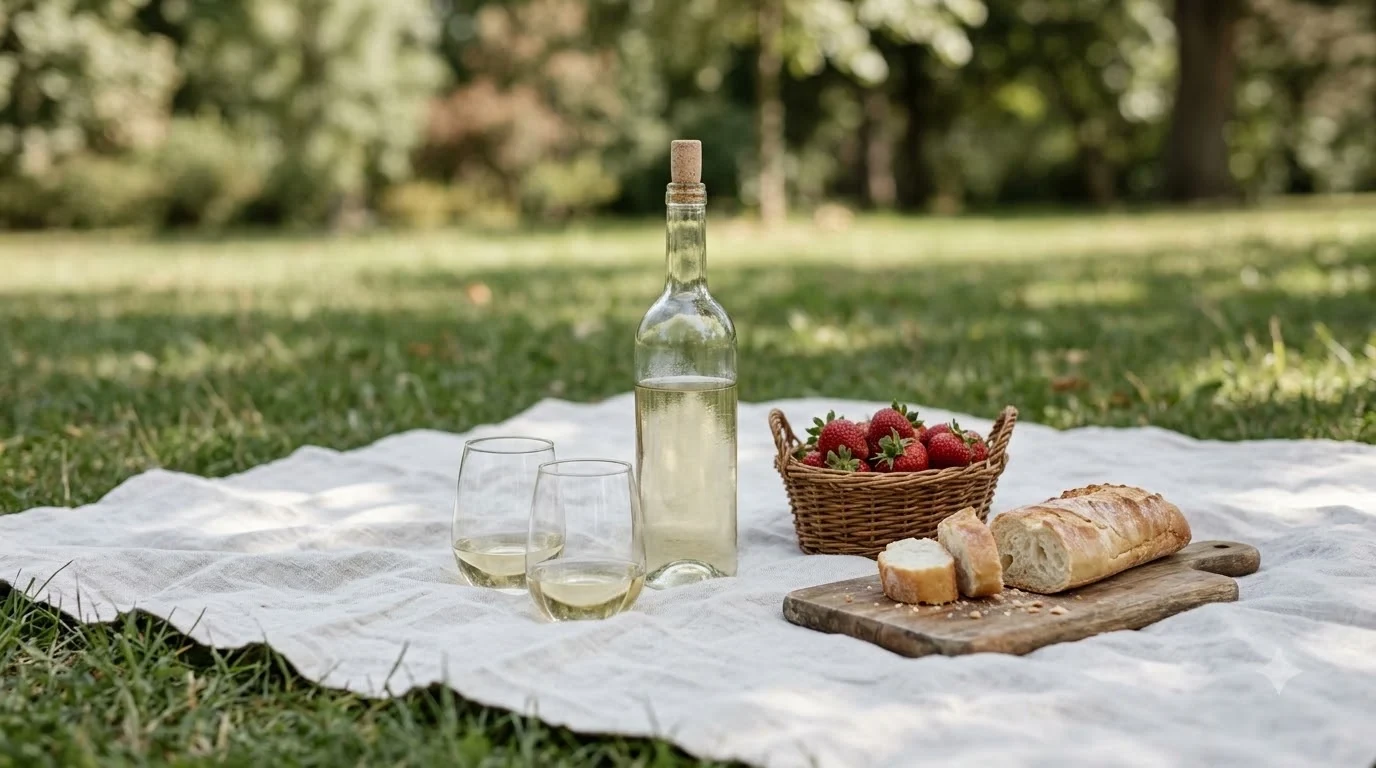
Godello food pairing works best with seafood, white fish, roast chicken, vegetables, rice dishes, and mild cheeses because this Spanish white wine combines refreshing acidity with a rounded, textured body. Its apple, pear, citrus, and stone-fruit flavors complement delicate ingredients, while its mineral and sometimes saline character makes it particularly appealing alongside shellfish. Serve Godello lightly chilled, around 45–50°F, and choose richer preparations for fuller-bodied or oak-aged bottles.
Godello is one of northwestern Spain’s most interesting white wine grapes, particularly associated with Galicia and the neighboring Bierzo region. It offers a useful middle ground between crisp, light-bodied whites and fuller, creamier wines. That balance gives it considerable flexibility at the dinner table, from a simple plate of grilled prawns to roast poultry, vegetable risotto, and cheese boards. Understanding its acidity, texture, and winemaking style makes choosing successful food combinations much easier.
Understanding Godello’s Flavor and Structure
Godello is generally a dry white wine with refreshing acidity, moderate to substantial body, and fruit flavors that work well with a wide range of savory foods. Its texture is an important part of its appeal: unlike some particularly lean whites, it can have enough weight to accompany richer sauces and substantial main courses.
The grape originates in northwestern Spain, particularly Galicia. According to the Museo do Viño de Galicia, Godello is the principal white grape in Valdeorras, Monterrei, and Ribeira Sacra. It also appears in Ribeiro and Rías Baixas. Its wines are known for good acidity, solid structure, a full mouthfeel, and fruity aromatic expression. The museum identifies approximately 12.5% ABV as the variety’s average alcohol level.
In the glass, common flavor impressions include green apple, ripe pear, lemon, peach, apricot, and subtle floral or herbal notes. Some wines also show a stony, saline quality that makes them particularly attractive alongside seafood. These characteristics vary with growing conditions, ripeness, and winemaking choices.
Oak aging and lees contact can make a meaningful difference. A stainless-steel version generally emphasizes freshness and straightforward fruit, while lees-aged wines can feel rounder and creamier. Oak-aged examples may develop additional spice, toasted notes, and a broader texture.
These differences matter when choosing food. A bright, unoaked Godello is particularly good with raw or simply cooked seafood, fresh vegetables, and light poultry preparations. A richer version can handle cream sauces, roasted chicken, and dishes with browned butter or mushrooms.
For a useful comparison, consider how grenache blanc food pairing also depends on balancing freshness with a fuller white-wine texture. Both varieties can work with substantial food, although their individual fruit and mineral characteristics create different combinations.
Seafood and Shellfish Are Natural Matches
Seafood is among the most reliable choices for Godello because the wine’s acidity, fresh fruit, and mineral character complement delicate fish and naturally sweet shellfish. Grilled shrimp, scallops, mussels, and white fish are particularly good starting points.
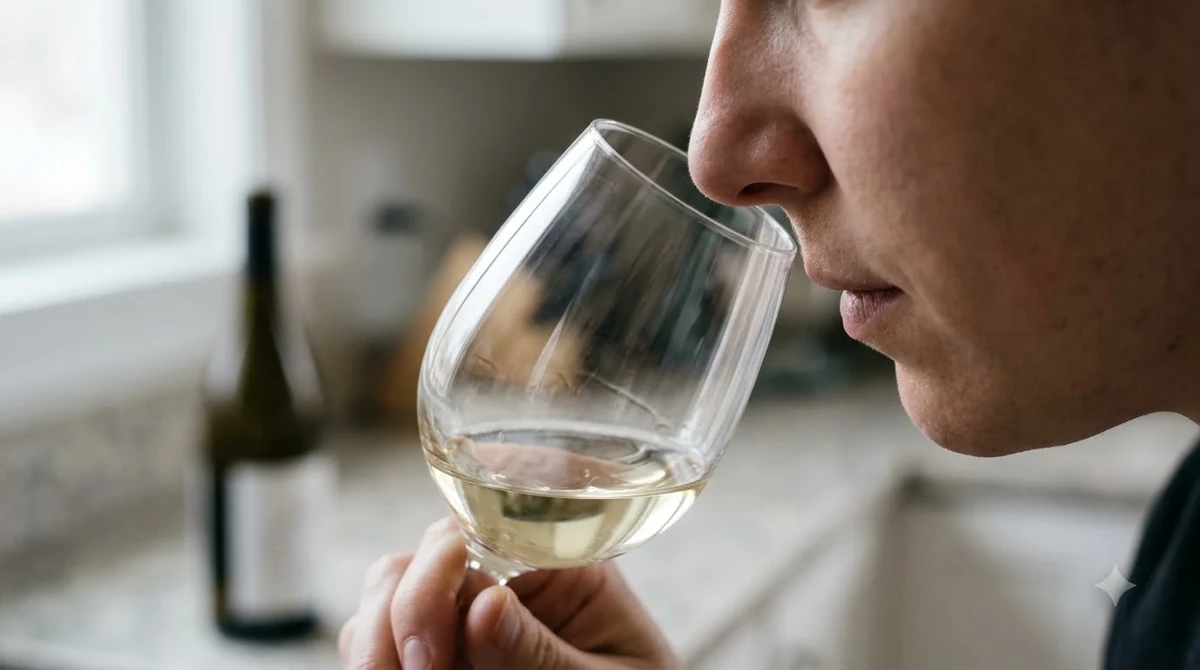
Grilled shrimp with lemon, garlic, parsley, and olive oil makes an excellent everyday pairing. The citrus echoes the wine’s fresh fruit character, while the garlic and lightly browned edges provide enough flavor to match its texture. Avoid excessively hot chili sauces, which can make the alcohol feel more pronounced and overwhelm the wine’s subtler aromas.
Scallops are another strong choice. Pan-seared scallops develop a caramelized surface and tender interior, creating a combination of sweetness and richness that works well with Godello’s acidity. Finish them with lemon, a little butter, and fresh herbs rather than a heavily spiced sauce.
Other seafood combinations worth trying include:
- Grilled octopus: Charred edges and a squeeze of lemon complement Godello’s mineral qualities.
- Mussels with garlic: Steamed mussels with parsley, white wine, and garlic bring out the wine’s fresh character.
- Crab cakes: Lightly seasoned crab cakes with lemon mayonnaise match the wine’s fruit and refreshing acidity.
- Oysters: Fresh oysters and a simple mignonette can highlight the saline impression found in some Godello wines.
- Clams: Clams cooked with garlic, olive oil, and parsley make an uncomplicated match.
- White fish: Cod, hake, sole, and halibut work particularly well when grilled, steamed, or baked with herbs.
Shellfish paella deserves particular attention. Its combination of seafood, rice, saffron, citrus, and seasoning gives Godello several flavors to connect with. Wine Enthusiast discusses this pairing alongside grilled octopus and garlic shrimp in its article on Godello and Spanish white wines.
For a simple dinner, prepare a seafood platter with shrimp, mussels, crab, and grilled white fish. Add lemon wedges, crusty bread, and a green salad. An unoaked or lightly lees-aged Godello should provide enough freshness for the seafood without disappearing beside the meal.
Tip: Match the cooking method to the wine’s weight. Raw oysters and steamed fish favor lighter, fresher Godello, while butter-seared scallops and seafood paella work particularly well with fuller-bodied or lees-aged examples.
Chicken, Turkey, and Other White Meats
Godello is a particularly useful wine for poultry because its body can match roasted or sautéed meat without overwhelming the relatively delicate flavors. Roast chicken, turkey, and pork tenderloin are all practical options, especially when prepared with herbs, citrus, or moderate amounts of butter.
Roast chicken is an excellent starting point. The combination of crisp skin, tender meat, and savory pan juices provides more flavor than a simple poached chicken breast, but it does not overpower the wine. Season the bird with thyme, rosemary, garlic, and lemon, and serve it with roasted potatoes or seasonal vegetables.
For a creamier preparation, chicken with mushrooms and a light cream sauce can work especially well with a Godello that has received lees aging or some oak treatment. Its fuller mouthfeel complements the sauce, while its acidity prevents the meal from feeling excessively rich.
Turkey is another versatile match. Roasted turkey breast with peach, apple, or fennel stuffing brings together fruit, herbs, and savory flavors that complement Godello’s aromatic profile. For a more straightforward meal, serve sliced turkey with sautéed green beans and lemon-seasoned potatoes.
Pork can also work, particularly when it is not heavily seasoned or smoked. Consider the following combinations:
- Pork tenderloin: Roast with rosemary, garlic, and a modest amount of lemon.
- Grilled pork chops: Use a mild herb marinade and avoid very sweet barbecue sauces.
- Chicken piccata: Lemon, capers, and a light butter sauce complement the wine’s acidity.
- Turkey meatballs: Serve with a light herb and tomato sauce rather than a heavily spiced preparation.
- Chicken and mushroom casserole: Choose a fuller Godello with noticeable texture to match the savory sauce.
Cooking technique makes a difference. Grilling and roasting introduce browned, savory flavors that help fuller Godello wines stand up to the food. Poaching and steaming preserve delicate flavors, making them better suited to younger, fresher bottlings.
For a dinner party, roast a whole chicken with lemon and herbs, prepare a tray of seasonal vegetables, and offer Godello as the main white wine. It is a flexible combination that works well without requiring complicated sauces or elaborate preparation.
Cheese, Creamy Pasta, and Rice Dishes
Godello’s combination of acidity and rounded texture makes it a good companion for mild cheeses, creamy pasta, and rice dishes. The key is to avoid preparations that are excessively heavy, sweet, or strongly flavored.
Soft cheeses are a natural starting point. Fresh goat cheese, young Manchego, mild Brie, and creamy cow’s-milk cheeses can all complement Godello. The acidity helps balance the richness of soft cheese, while the wine’s fruit flavors provide contrast.
For a cheese board, combine mild cheeses with sliced pear, green apple, toasted almonds, plain crackers, and a little honey. The fruit echoes the wine’s aromatic character, while the nuts add texture. Keep intensely blue cheeses and very pungent washed-rind varieties in smaller portions because their strong flavors can dominate a delicate white wine.
For pasta, try dishes built around seafood, vegetables, or moderate amounts of cream. Linguine with shrimp, lemon, parsley, and olive oil is particularly effective. So is fettuccine with chicken and mushrooms, provided the sauce is not excessively rich.
Risotto is another strong possibility. The creamy consistency of rice cooked with stock and finished with Parmesan can match Godello’s rounded texture. Mushroom risotto is especially suitable for a fuller, lees-aged example, while lemon and asparagus risotto works better with a fresher style.
Consider these combinations:
- Seafood risotto: Shrimp, mussels, parsley, and a light stock create a natural match.
- Asparagus risotto: Lemon zest and fresh herbs emphasize the wine’s acidity.
- Chicken Alfredo: A moderately creamy sauce suits fuller Godello, particularly when balanced with black pepper and herbs.
- Goat cheese pasta: Fresh goat cheese, lemon, and spinach provide tanginess and freshness.
- Manchego and almonds: A simple Spanish-inspired appetizer with contrasting textures.
- Crab ravioli: A light butter and lemon sauce allows the seafood to remain the focus.
Rice dishes beyond risotto also deserve consideration. Spanish seafood rice, chicken and vegetable rice, and mild mushroom rice can all work. The Faustino Rivero Ulecia winery specifically recommends its Bierzo Godello with mild rice dishes, white fish, shellfish, poultry, and soft cheeses.
When choosing a sauce, think about the wine’s acidity. A little butter or cream is usually manageable, but a very heavy cheese sauce can make a leaner Godello seem less expressive. Add lemon, herbs, or a small amount of acidity to keep the overall combination balanced.
Vegetables, Salads, and Vegetarian Meals
Godello pairs well with vegetables because its fresh acidity and fruit character complement green, earthy, and lightly sweet ingredients. Roasted vegetables, grilled zucchini, asparagus, corn, and salads with citrus-based dressings are especially suitable.
Grilled zucchini and summer squash are excellent choices. Their mild sweetness and lightly charred surfaces complement the wine without overpowering it. Add tomatoes, corn, olive oil, and fresh basil for a seasonal vegetable dish that can serve as either a side or a main course.
Asparagus can be more challenging with some wines because its green, sometimes bitter flavors can make certain pairings seem unpleasant. Godello’s fruit and acidity can help, especially when asparagus is grilled or roasted and served with lemon, olive oil, and a mild cheese.
Other vegetables worth serving include:
- Roasted cauliflower: Olive oil, garlic, and toasted almonds create a satisfying combination.
- Grilled eggplant: A little lemon and parsley keep the preparation fresh.
- Green beans: Serve with toasted almonds and a light butter dressing.
- Sweet corn: Grilled corn with lime and herbs complements the wine’s fruit character.
- Artichokes: Pair carefully with a lemon-forward preparation and a fresh, aromatic Godello.
- Mushrooms: Sautéed mushrooms with thyme suit wines with more body and lees-derived texture.
Salads are also easy to match. A salad with pear, goat cheese, walnuts, and mixed greens provides fruit, fat, acidity, and crunch. For a more savory version, use tomatoes, cucumbers, olives, and a lemon vinaigrette.
Pay attention to the dressing. Strong balsamic vinegar, excessive sweetness, or very acidic citrus dressings can throw off the balance. A moderate amount of lemon juice, olive oil, and herbs is usually more successful.
For a complete vegetarian dinner, serve mushroom risotto with roasted zucchini and a green salad. A fuller Godello can match the risotto’s texture, while its freshness keeps the meal from becoming too heavy.
Another useful approach is to build a meal around ingredients common in northwestern Spanish cooking. Think grilled vegetables, potatoes, white beans, mild cheeses, olive oil, and fresh herbs. These ingredients allow the wine’s regional character to complement the meal naturally.
Matching Godello with Different Cuisines and Flavors
Godello is not limited to Spanish food. Its acidity, fruit, and medium-bodied texture make it suitable for several international cuisines, including Mediterranean, Japanese, and moderately seasoned Asian dishes.
Spanish food is an obvious place to start. Try garlic shrimp, seafood paella, grilled octopus, or fish cooked with olive oil and herbs. These dishes combine familiar regional ingredients with the saline and mineral qualities often associated with Galician Godello.
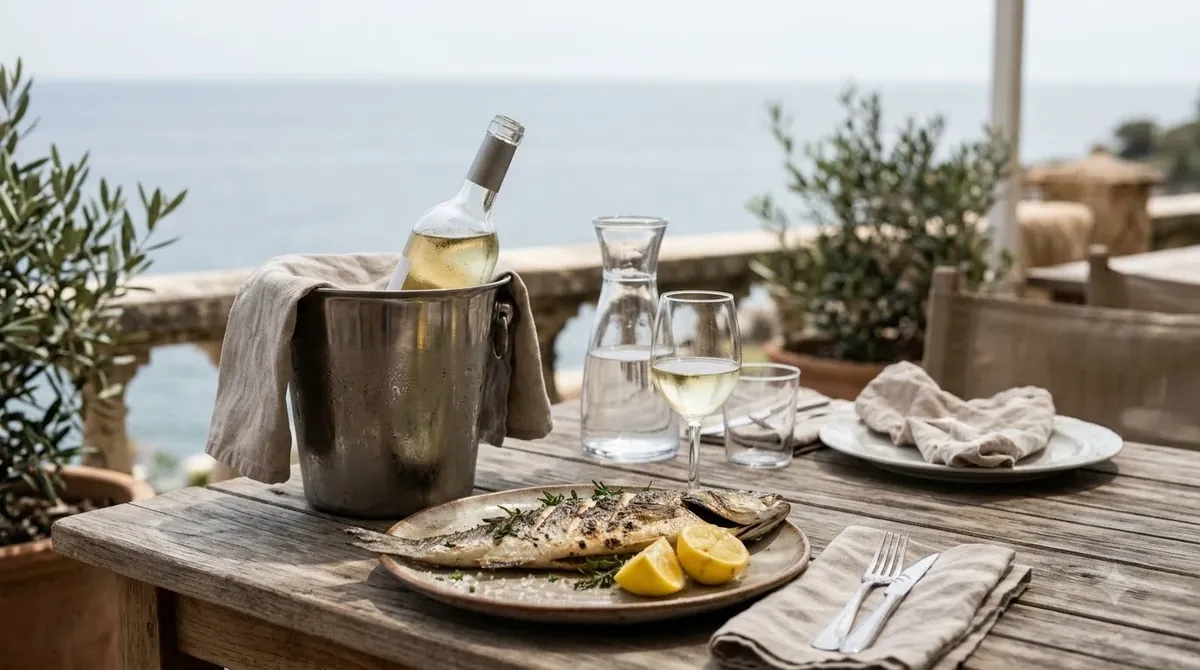
Mediterranean cuisine provides further opportunities. Grilled sea bass with lemon, chicken with rosemary, vegetable couscous, and seafood pasta all have the freshness and moderate richness that suit this wine.
Japanese food can work particularly well with fresher styles. Consider sushi made with white fish, shrimp tempura, grilled scallops, or steamed fish with ginger. Avoid pairing Godello with exceptionally hot wasabi preparations or heavily sweet sauces, which can make the wine seem less balanced.
For other Asian dishes, choose moderate seasoning rather than intense chili heat. Ginger, coriander, lemongrass, lime, and mild garlic sauces can complement the wine’s aromatic character. Thai-style shrimp with coconut milk and herbs may work with a fuller example, while steamed fish with ginger suits a fresher bottling.
Here is a practical comparison of different cuisines and preparations:
| Cuisine | Dish | Best Godello Style | Why It Works |
|---|---|---|---|
| Spanish | Garlic shrimp | Fresh, unoaked | Acidity complements garlic and citrus. |
| Spanish | Seafood paella | Medium-bodied | Texture matches rice and shellfish. |
| Mediterranean | Grilled sea bass | Fresh, mineral | Bright flavors complement delicate fish. |
| Japanese | White-fish sushi | Light, unoaked | Freshness preserves delicate seafood flavors. |
| Asian | Ginger shrimp | Medium-bodied | Fruit and acidity balance aromatic seasoning. |
| Italian | Mushroom risotto | Lees-aged | Rounded texture complements creamy rice. |
| French | Roast chicken | Medium-bodied or lightly oaked | Body matches browned skin and savory juices. |
One important consideration is chili heat. Alcohol and tannin can amplify the sensation of hot peppers, and Godello’s alcohol level can vary between bottles. Choose milder dishes and avoid very spicy preparations, particularly those with intense chili oil or hot pepper paste.
For wine lovers exploring other Spanish and Mediterranean varieties, carignan food pairing offers a useful contrast. Carignan is a red wine with more noticeable tannin, making it better suited to different dishes, including richer meats and savory preparations.
Godello Serving Temperature and Choosing the Right Style
Serve Godello chilled but not ice-cold so its fruit, acidity, and texture remain expressive. A temperature of 45–50°F is a practical starting point for most fresh and medium-bodied examples, with fuller or oak-aged wines benefiting from slightly warmer service.
Some producers recommend cooler temperatures. Faustino Rivero Ulecia lists 6–10°C, approximately 43–50°F, for its Bierzo Godello. This is a useful reference for a fresh, fruit-forward example with three months of lees aging.
Use the following guide to adjust the serving temperature to the wine’s style:
| Godello Style | Serving Temperature | Suitable Foods |
|---|---|---|
| Light and unoaked | 45–48°F | Oysters, sushi, white fish |
| Fresh and mineral | 46–50°F | Grilled shrimp, salads, vegetables |
| Lees-aged | 48–52°F | Scallops, chicken, risotto |
| Fuller or oak-aged | 50–55°F | Creamy pasta, roast chicken, mushrooms |
These temperatures are practical serving targets rather than strict rules. A bottle that has become too cold can lose some of its aromatic expression, while excessive warmth can make the alcohol feel more prominent.
For glassware, use a standard medium-sized white wine glass. It provides enough room for the aromas to develop without requiring the large bowl typically used for some mature red wines. Decanting is generally unnecessary for young Godello.
When choosing a bottle, consider the following characteristics:
- Unoaked Godello: Look for fresh apple, pear, citrus, and mineral notes. Choose this style for shellfish, salads, and simply prepared fish.
- Lees-aged Godello: Expect a rounder mouthfeel and additional texture. This is a good option for scallops, poultry, and risotto.
- Oak-aged Godello: Look for additional spice and a broader profile. Serve it with roasted poultry, mushrooms, and richer sauces.
- Higher-alcohol examples: Consider dishes with enough flavor and texture to match the wine without relying on excessive chili or sweetness.
Godello can also have good aging potential, particularly in carefully made examples. However, many fresh and aromatic bottlings are best enjoyed while their fruit and acidity remain prominent. Store unopened bottles on their sides in a cool, dark location near 55°F, away from direct sunlight and major temperature fluctuations.
Common Godello Food Pairing Mistakes
Godello is versatile, but some foods can make its balance less enjoyable. The most common problems involve excessive heat, sweetness, acidity, or powerful flavors that overwhelm the wine’s relatively delicate fruit and mineral character.
Very spicy dishes are one example. Chili heat can make alcohol feel more pronounced and reduce the impression of freshness. A mild ginger and lime sauce is generally easier to pair than a dish dominated by hot chili oil.
Extremely sweet food is another challenge. Dry Godello can taste sharp or sour next to a very sweet dessert because the sweetness changes the perceived balance of the wine. For dessert, choose a wine at least as sweet as the food rather than expecting dry Godello to perform like a dessert wine.
Other combinations that deserve caution include:
- Heavy barbecue sauce: Sweet, smoky, and intensely flavored sauces can overwhelm the wine. Use a lighter herb marinade instead.
- Very pungent blue cheese: Strong cheese flavors can dominate a relatively delicate white wine. Choose goat cheese, young Manchego, or mild Brie instead.
- Very rich fried food: Excessive oil and heavy coatings can make a lighter Godello seem less expressive. Add lemon and choose a fuller wine if the dish is substantial.
- Strong vinegar dressings: Excessively acidic dressings can make the wine seem less balanced. Use moderate amounts of citrus and olive oil.
- Intensely smoked fish: Heavy smoke can overwhelm delicate fruit and mineral notes. Lightly grilled or baked fish is generally more suitable.
- Oily fish with strong tannic accompaniments: Oily fish can clash with tannic red wines, so avoid making a heavily tannic red the alternative pairing simply because the dish is rich.
Another mistake is serving every Godello at the same temperature. A very cold bottle may hide the texture and aromatic complexity that make fuller versions attractive with food. Conversely, serving a light, unoaked example too warm can make it seem less refreshing.
It also helps to distinguish Godello from other white grapes. Albariño, for example, often emphasizes lively acidity and coastal freshness, while Godello can offer more body and a broader mouthfeel. The distinction is useful when planning a meal that includes both delicate seafood and richer poultry or rice dishes.
For additional grape comparisons and practical wine recommendations, explore Wine by Type. Understanding the relationship between acidity, body, fruit, and tannin makes it easier to choose the right wine for different meals.
Frequently Asked Questions
Is Godello similar to Chardonnay?
Godello and Chardonnay can share apple, citrus, and stone-fruit flavors, along with a rounded texture in certain winemaking styles. However, Godello is a distinct Spanish grape, not a type of Chardonnay. Its saline and mineral character can be particularly noticeable in wines from Galicia.
Is Godello always a single-variety wine?
No. Godello is bottled as a single-variety wine in regions such as Valdeorras and Monterrei, but it can also appear in blends with other native grapes. The Museo do Viño de Galicia specifically identifies both uses in its description of the variety. The exact composition depends on the wine’s origin and production requirements.
Does Godello have a bitter finish?
Some Godello wines have a subtle bitter or herbal impression toward the finish. This characteristic can provide additional contrast with sweet shellfish, olive oil, and savory vegetables. It is not necessarily a sign of a faulty bottle, particularly when the wine remains balanced and fresh.
Can Godello be aged in the cellar?
Yes. Although many examples are made for relatively early drinking, some carefully produced Godello wines can develop additional complexity with bottle age. The Galician wine museum describes the variety as having good keeping potential, and Wine Enthusiast notes that top examples can be age-worthy. The potential depends on the individual wine, its structure, and its winemaking.
What is the difference between Godello and Gouveio?
Gouveio is a Portuguese name associated with the Godello grape variety. Verdello is another name used in Galicia. These regional naming differences can be useful when exploring Portuguese and Spanish white wines, although the grape’s growing location and production style still influence the finished wine.
Godello is an excellent choice when a meal needs a white wine with both freshness and substance. Start with grilled seafood, roast chicken, mild cheeses, or vegetable risotto, then adjust the bottle’s style to the richness of the preparation. With its combination of acidity, fruit, and texture, Godello can comfortably accompany everything from a simple seafood lunch to a more elaborate dinner.
More in Wine Types & Grapes
 What Does Ruby Port Taste Like? Flavor Notes, Styles, and Serving TipsUpdated Nov 21, 2026
 What Does Ribolla Gialla Taste Like? Crisp White and Amber Styles ExplainedUpdated Nov 21, 2026
 What Does Semillon Taste Like? Flavor Profile, Styles & PairingsUpdated Nov 21, 2026
 What Does Scuppernong Taste Like? Flavor, Styles, and Pairing GuideUpdated Nov 21, 2026
 What Does Saperavi Taste Like? Flavors, Styles, and Pairing GuideUpdated Nov 21, 2026
 What Does Natural Wine Taste Like? Flavors, Styles, and Serving TipsUpdated Nov 21, 2026