

We may earn a commission when you buy through links on this page, at no extra cost to you. Learn more.
Godello wine is a dry Spanish white made from the godello grape in Galicia, grown mainly in the Valdeorras and Monterrei areas, and it makes dry wines with medium-high acidity, a silky texture, and flavors of citrus, green apple, and crushed stone. Wine Folly notes that the same grape is called Gouveio in Portugal. It is a good choice for people who want a white with more body than Albariño but more freshness than a heavily oaked Chardonnay.
Godello sits outside the usual lineup of wine shop favorites, which is part of its appeal. Few drinkers in the United States have tasted it, yet it offers a clear sense of place and pairs well with a wide range of meals. This guide covers where it grows, what it tastes like, how to serve it, and how to choose a bottle.
Where Godello Grows
Godello is a native of northwestern Spain, and its heartland is the Galician region. According to Wine Folly’s godello grape profile, the Valdeorras and Monterrei denominations account for most of the plantings in Galicia. The grape also grows in Portugal, where it goes by the name Gouveio. Wine Folly cites a 2021 University of Adelaide figure of about 1,406 hectares of vineyard in total, with roughly 2,031 acres in Spain and 1,443 in Portugal.
Because the grape is concentrated in a small area, most bottles you find will name a region on the label. Those regional names are useful because they tell you the style you can expect, even when two producers use the same grape.
What Godello Tastes Like
Godello is usually dry and has a personality that falls between a crisp Sauvignon Blanc and a richer Chardonnay. Wine Folly lists grapefruit, lemon zest, and quince as the leading flavors, with saline and crushed gravel notes that show up on the finish. On the nose, drinkers often pick up green apple, pear, citrus, and white flowers, along with fresh herbs.
Taste a godello wine next to a Sauvignon Blanc and the difference is easy to notice. The Sauvignon usually shows sharper green aromas, while the godello feels fuller on the palate and leaves a softer, more rounded impression. Both are dry and fresh, so they suit the same warm-weather meals, but the godello tends to hold up better with richer sauces.
The texture is one of the grape’s signature traits. The wine is described as medium-bodied with a silky, slightly creamy feel, but it still keeps good acidity so it does not feel heavy. When the wine is aged in oak, it can take on vanilla and toast, which gives a rounder profile without hiding the fruit.
| Characteristic | What to look for |
|---|---|
| Body | Medium, with a silky or slightly creamy texture |
| Acidity | Medium-high, so the wine feels fresh and lively |
| Sweetness | Usually dry |
| Core flavors | Grapefruit, lemon zest, quince, crushed gravel, saline |
| Oak-aged styles | Vanilla and toast, with a rounder mouthfeel |
How to Serve Godello
Serving temperature matters with Godello because the wine can taste flat when it is too cold and loose when it is too warm. Wine Folly recommends serving it between 45 and 55 degrees Fahrenheit, which is a little warmer than the chill used for many light whites. Pour it into a standard white wine glass with a moderate bowl so the aromas can open up.
Decanting is generally not needed for a young Godello. The grape is best enjoyed in its youth for its bright character, though Wine Folly suggests that some oak-aged examples can improve for three to five years in the cellar. If you buy a bottle to keep, check the producer’s notes for its aging potential.
Tip: Take the bottle out of the fridge about ten minutes before serving if it has been chilled too far. A slightly warmer glass lets the citrus and mineral notes come forward.
Food Pairing Ideas
Godello works well with food because its acidity cuts through rich or oily dishes and its saline edge complements seafood. Wine Folly suggests light proteins, grilled fruit, nuts, and citrus-based dishes. Its examples include grilled shrimp with a citrus and herb marinade, and roasted turkey with a peach and fennel stuffing.
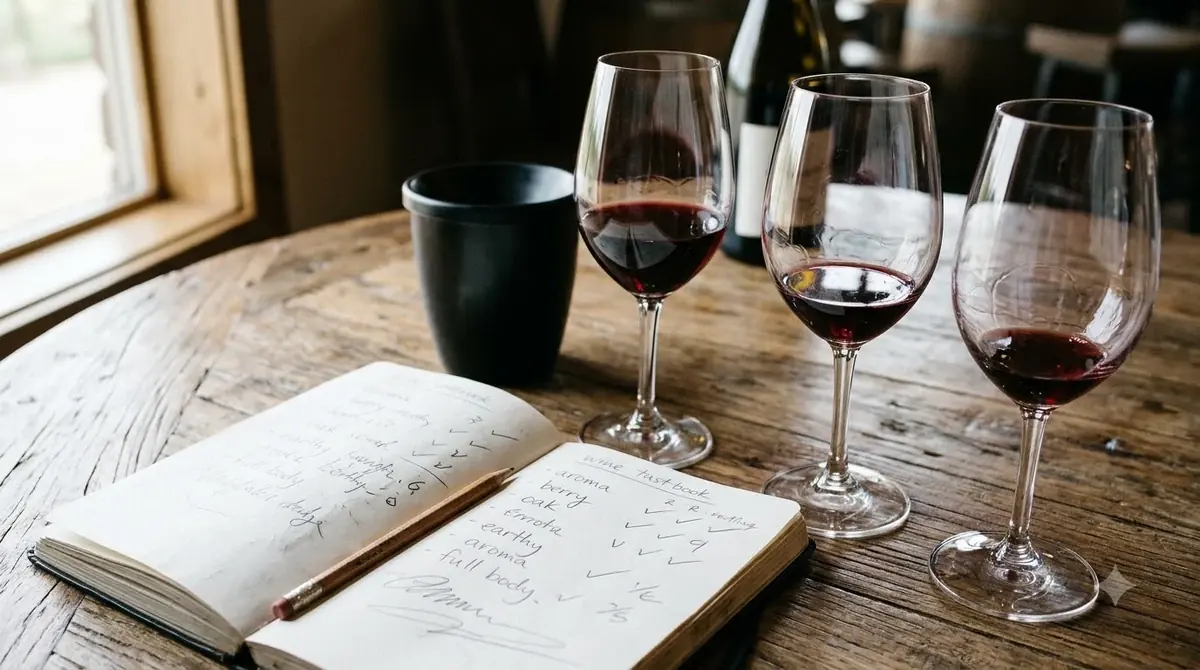
The herbal side of the wine also suits fresh cooking. Dishes with coriander, fennel, or parsley tend to match well, as do creamy polenta and toasted hazelnuts. For cheese, it can pair with mild styles that do not overpower the fruit. A simple plate of grilled vegetables with a squeeze of lemon is another easy match.
How Godello Compares With Other Whites
Many drinkers come to Godello from Albariño or Chardonnay, so a quick comparison helps. Godello is usually more textured than a crisp Albariño, yet it stays less rich and buttery than an oaked Chardonnay. That middle position makes it useful for a mixed dinner table where guests want different styles.
If you already like Sauvignon Blanc, try Godello for a step up in body. If you prefer lighter wines, Godello’s acidity will still feel refreshing. The grape rewards a bit of attention, so it is worth tasting two or three bottles from different producers before you decide.
For another white-wine style with its own character, see our guide to arizona wine and the broader Wine Regions hub, which covers how climate and place shape the glass.
How to Choose a Bottle
Choosing a godello wine is easier once you know what to look for on the label. Start with the label. Look for the word Godello and a region such as Valdeorras or Monterrei, since those names tell you a lot about the style. If the label says Gouveio, the wine may come from Portugal, where the grape has its own traditions.
Shops often group whites by grape, so a godello wine may sit beside Albariño or Verdejo on the shelf. Ask the staff which bottles are unoaked and which have spent time in barrel, since that single detail changes the glass more than almost anything else. A young, unoaked bottle is the easiest way to learn the grape’s clean citrus and mineral profile before you try a richer style.
Check the vintage and the producer’s description. Wine Folly’s profile suggests the grape is best when young, so a recent vintage is usually a good choice for drinking now. If you plan to keep a bottle, read the back label or the producer’s website to see whether it was oak-aged. Oak-aged bottles tend to be richer, while unoaked versions stay lean and bright.
Frequently Asked Questions
What does Godello taste like?
Godello is usually dry, with citrus, green apple, and quince flavors and a hint of saline or crushed stone on the finish. It has medium-high acidity and a silky texture, and oak-aged styles add vanilla and toast.
Is Godello the same as Gouveio?
Yes. Wine Folly notes that Godello is grown in Portugal under the name Gouveio. The grape is the same, but the wines are often made in different regional styles.
What temperature should I serve Godello at?
Wine Folly recommends serving Godello between 45 and 55 degrees Fahrenheit. Pour it into a standard white wine glass and let it warm slightly if it has been in a very cold fridge.
Is Godello a good wine for food?
It is a strong food wine. Its acidity and saline edge suit seafood, grilled dishes, citrus, and herb-driven recipes. It also works with creamy sides such as polenta when the wine is not heavily oaked.
Godello rewards curiosity. Try one bottle from Valdeorras and one from Monterrei, serve them at a cool but not icy temperature, and see which style suits your table. Once you know the grape, it is easy to find it on a restaurant list or in a specialist shop.
More in Wine Regions
 Willcox Wine Trail: Discover Arizona’s High-Elevation Wine CountryUpdated Nov 20, 2026
 Yakima Valley Wine Region: Find the Best Styles to TryUpdated Nov 20, 2026
 Vosne Romanee Wine Tasting: Identify Aromas and Choose Better PairingsUpdated Nov 20, 2026
 Yakima Valley Wine Festival: Find the Best Seasonal Wine EventsUpdated Nov 20, 2026
 Wales Vineyards: Discover Cool-Climate Wines and Where to VisitUpdated Nov 20, 2026
 Yountville Wine Festival: Discover Napa Wines and Local FoodUpdated Nov 20, 2026