

We may earn a commission when you buy through links on this page, at no extra cost to you. Learn more.
Gigondas wine grapes are led by Grenache Noir, supported by Syrah and Mourvèdre, which together create the southern Rhône appellation’s concentrated, aromatic red wines. Grenache supplies ripe red and black fruit, generous body, and warmth, while Syrah contributes color and structure and Mourvèdre adds savory spice and complexity. Smaller quantities of other authorized varieties provide additional blending possibilities, and the appellation now also includes white wine production.
Understanding the grapes behind Gigondas makes it easier to recognize what distinguishes these wines from other southern Rhône blends. The combination of grape variety, vineyard elevation, limestone, clay, and Mediterranean sunshine determines much of the character found in the bottle. Although Grenache remains the central variety in traditional red Gigondas, the supporting grapes and their proportions can produce noticeably different expressions from one producer to another. Here is how the principal varieties work together, which additional grapes are permitted, and what their contributions mean when choosing and enjoying a bottle.
Grenache Noir Is the Foundation of Traditional Gigondas
Grenache Noir provides the essential identity of traditional red Gigondas. It contributes ripe fruit, generous alcohol, a rounded mouthfeel, and the expressive character that makes these wines recognizable among southern Rhône reds.
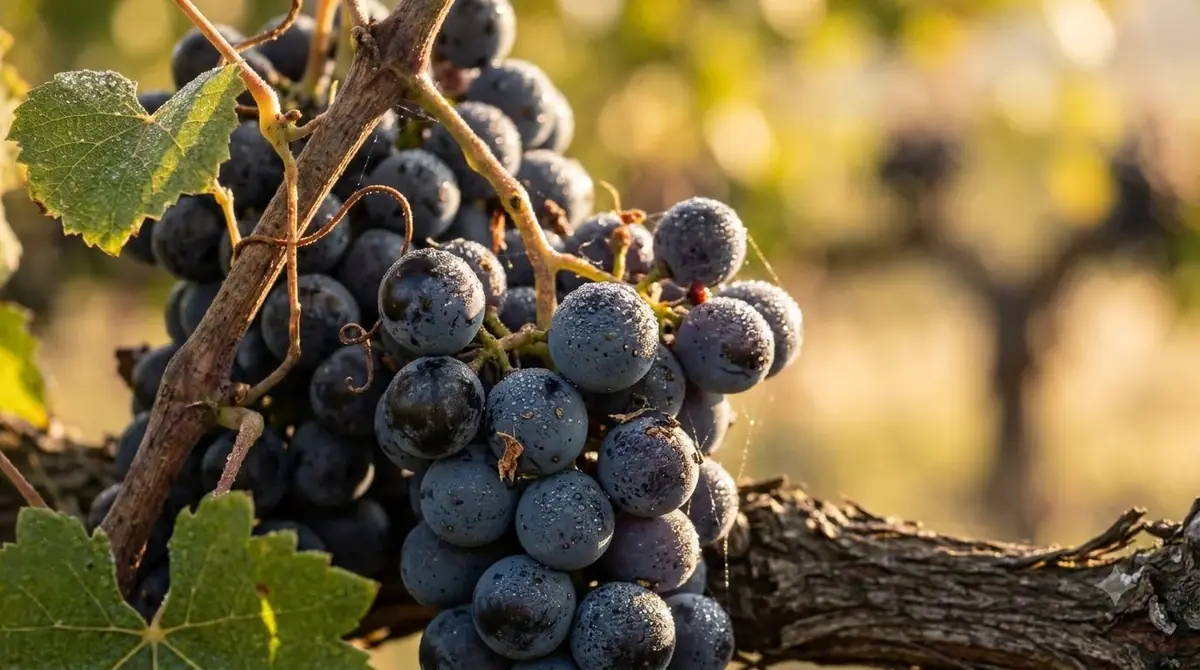
Grenache is particularly well suited to the warm Mediterranean conditions of the southern Rhône. It ripens relatively late and can accumulate substantial sugar as the growing season progresses. In Gigondas, however, the surrounding Dentelles de Montmirail help moderate its development. The mountain formations limit some morning sunlight and create airflow that helps extend the ripening period. According to the Gigondas appellation’s official information, this slower development gives Grenache additional time to express its characteristics.
In the vineyard, Grenache can produce wines with substantial body and a combination of red and dark fruit aromas. Young Gigondas frequently displays cherry, raspberry, crushed strawberry, blackberry, and blackcurrant. Depending on the site and ripeness, the fruit can appear fresh and lively or deeper and more concentrated. Supporting notes of dried herbs, licorice, and warm spice add complexity.
Grenache also has relatively thin skins compared with some other red varieties. Its tannins can therefore feel less forceful than those of Cabernet Sauvignon, even when the resulting wine has considerable alcohol and body. This distinction matters because a full-bodied wine is not necessarily an extremely tannic wine. Gigondas can feel generous and powerful while retaining a rounded texture.
The variety’s contribution is especially apparent in the middle of the palate. Ripe fruit, warmth, and a broad texture give the wine its characteristic fullness. Syrah and Mourvèdre provide additional structure, helping prevent Grenache’s richness from becoming one-dimensional.
Traditional red Gigondas regulations require Grenache to represent at least 50% of the relevant vineyard grape composition. This minimum helps preserve the variety’s leading position, although individual producers may use considerably higher proportions. Some bottles emphasize Grenache for a softer, fruit-driven expression, while others rely on a stronger supporting contribution from Syrah and Mourvèdre.
For readers exploring the wider southern Rhône, the Gigondas wine region offers a useful starting point for understanding the connection between local geography, vineyard practices, and the finished wines.
Syrah and Mourvèdre Supply Structure and Complexity
Syrah and Mourvèdre are the two principal supporting varieties in traditional red Gigondas. Syrah strengthens color and aromatic intensity, while Mourvèdre adds savory depth, spice, and a framework that can support extended maturation.
Syrah is generally responsible for some of the darker visual and aromatic elements in the blend. Its deeply pigmented skins help produce the garnet and dark ruby colors associated with Gigondas. It also contributes black fruit, pepper, floral notes, and a firmer tannic impression.
Compared with Grenache, Syrah generally brings more noticeable tannin and a different style of fruit expression. Blackberry, black plum, violet, and black pepper are common descriptors. These characteristics complement Grenache’s ripe cherry and strawberry notes. The result is a wine that can combine generous fruit with greater definition and structure. The official Gigondas explanation of Grenache and its supporting varieties describes Syrah’s contribution to color and aromatic intensity and Mourvèdre’s role in the appellation’s spicy complexity.
Mourvèdre performs a different function. It is a late-ripening grape that benefits from warm growing conditions and sufficient time to reach maturity. Its contribution often includes darker fruit, earthy notes, savory herbs, and complex spice. In Gigondas, the appellation’s official information particularly highlights its aromatic complexity and suitability for oak maturation.
Mourvèdre can also contribute considerable tannin. This makes it useful in blends intended for aging, because its structure helps support the wine as its youthful fruit develops into more complex aromas. With time, savory and earthy characteristics can become more prominent.
The proportions of these three varieties help determine the style of an individual wine. Consider the following simplified comparison of their typical blending roles.
| Grape variety | Typical contribution | Common characteristics | Blending purpose |
|---|---|---|---|
| Grenache Noir | Primary variety; at least 50% under traditional red-wine requirements | Cherry, raspberry, strawberry, ripe plum | Fruit, body, warmth, and generous texture |
| Syrah | Principal supporting variety | Blackberry, violet, pepper, dark color | Color, aromatic intensity, and tannin |
| Mourvèdre | Principal supporting variety | Black fruit, earthy spice, savory herbs | Structure, complexity, and aging potential |
| Cinsault | Permitted accessory variety | Red fruit and lighter aromatic character | Freshness and blending flexibility |
| Counoise | Permitted accessory variety | Fresh red fruit and herbal notes | Additional aromatic character |
The traditional red-wine composition rules require Grenache, Syrah, and Mourvèdre together to represent at least 90% of the relevant vineyard composition. Syrah and Mourvèdre together must account for at least 15%. These requirements establish a recognizable foundation without forcing every producer to make an identical wine.
For example, a Grenache-dominant blend may emphasize cherry, raspberry, and a rounded texture. A wine with a more substantial Syrah contribution can feel darker and more structured. A greater Mourvèdre presence may introduce deeper savory notes and firmer tannins.
Neither approach is automatically better. The balance depends on vineyard conditions, grape maturity, producer decisions, and the intended drinking window.
Additional Authorized Grapes Expand the Blending Possibilities
Although Grenache, Syrah, and Mourvèdre dominate traditional red Gigondas, the appellation recognizes several additional grape varieties. These include Cinsault, Counoise, Terret Noir, Vaccarèse, Muscardin, and Piquepoul Noir, among others.
These accessory varieties are generally used in smaller proportions than the three principal grapes. Their importance lies in the different aromatic and structural characteristics they can contribute. They also reflect the historical diversity of southern Rhône vineyards, where several grape varieties have traditionally grown alongside one another.
Cinsault
Cinsault is a traditional southern French red grape associated with relatively soft tannins, fresh red fruit, and an approachable texture. Strawberry, raspberry, and floral aromas are common descriptors. In a blend dominated by Grenache, Syrah, and Mourvèdre, Cinsault can provide a lighter aromatic dimension.
It can also help produce a less forceful impression on the palate. This is useful when the other varieties have produced particularly concentrated fruit or substantial tannin. Rather than competing with the principal grapes, Cinsault can contribute a different kind of freshness.
Counoise
Counoise is another traditional southern Rhône variety. It is associated with fresh red fruit, herbal notes, and relatively moderate color and tannin. Its contribution can add aromatic variation to blends built around richer Grenache.
The variety is especially interesting because it does not simply imitate Grenache or Syrah. Its fresher fruit profile can provide contrast, helping a complex blend retain a sense of lift alongside ripe fruit and spice.
Terret Noir, Vaccarèse, and Muscardin
Terret Noir is a lesser-known red variety that forms part of the historical grape heritage of the southern Rhône. Its lighter profile can contribute freshness and additional aromatic detail.
Vaccarèse, also known as Brun Argenté, is another traditional Rhône variety. It can provide floral and peppery characteristics, helping diversify the aromatic profile of a blend.
Muscardin is similarly uncommon outside its regional context. It is valued as part of the traditional collection of varieties available to southern Rhône growers. Its presence illustrates how appellation wines can preserve local grape diversity rather than relying exclusively on internationally familiar varieties.
Piquepoul Noir is also among the authorized varieties. Although the grape is far less prominent than Grenache, its inclusion provides another option for producers seeking to maintain traditional vineyard diversity.
These varieties should not be assumed to appear in every bottle. Their authorization means that producers can use them within the applicable rules, not that every wine must include them.
For comparison, readers interested in how grape combinations influence less conventional wine styles can also explore orange wine grapes, where white grape varieties are used to create wines with a very different skin-contact approach.
White Gigondas Grapes Introduce a New Appellation Style
Gigondas is historically associated with red wine, but the appellation expanded to include white wines in 2023. This development introduced another dimension to the region’s grape varieties, including Clairette, Grenache Blanc, Roussanne, and other authorized white grapes.
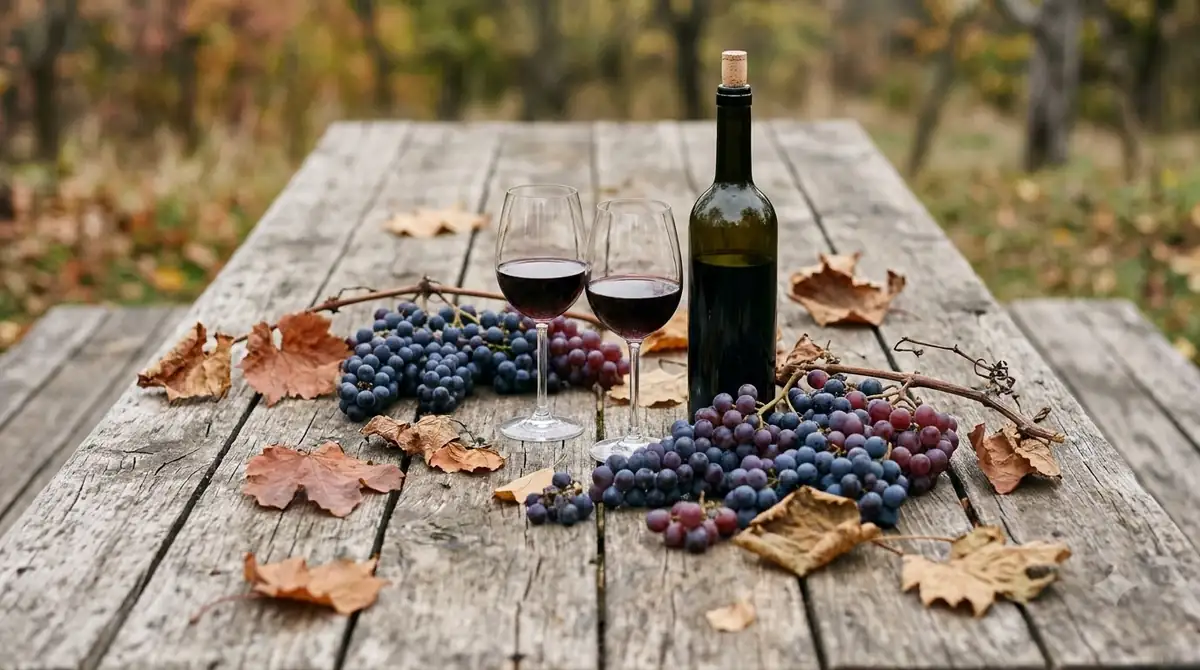
The distinction is important because older descriptions of Gigondas frequently identify it exclusively with red and rosé production. Wine Enthusiast’s guide to the wines of the Southern Rhône describes the traditional Grenache-based Gigondas blends, their supporting varieties, and the influence of the Dentelles de Montmirail. The later recognition of white wine represents an important change in the appellation’s identity.
The white varieties permitted in the official specifications include several grapes familiar throughout the southern Rhône:
- Clairette: A traditional southern French white variety that can contribute fresh orchard-fruit and floral aromas.
- Grenache Blanc: The white-skinned relative of Grenache Noir, generally associated with generous texture, ripe fruit, and moderate acidity.
- Roussanne: A variety known for floral aromas, stone fruit, and the potential to develop considerable complexity.
- Marsanne: A fuller-bodied grape that can contribute texture and ripe fruit characteristics.
- Bourboulenc: A traditional Rhône white variety valued for freshness and relatively restrained alcohol development.
- Viognier: An aromatic variety associated with peach, apricot, and floral notes.
- Grenache Gris: A grape that contributes another traditional Rhône blending option.
The precise blend and the proportion of each variety depend on the producer and the relevant white-wine specifications. It would be misleading to assume that white Gigondas follows the same grape proportions as traditional red Gigondas.
These varieties also help explain why the region’s wine identity should not be reduced to Grenache alone. Although Grenache Noir remains central to its historic red wines, the wider authorized grape collection reflects the diversity of the southern Rhône.
White Gigondas should also be distinguished from ordinary white Côtes du Rhône wines. Appellation designation depends on meeting specific geographical and production requirements, not simply growing a recognized Rhône grape in the general region.
The distinction is particularly useful for consumers comparing bottles from different parts of France. The same grape variety can produce very different wines depending on climate, elevation, soil, harvesting decisions, and blending practices.
Gigondas Soil and Climate Shape Grape Development
The grape varieties explain the basic composition of Gigondas, but the vineyards explain why those grapes develop their particular character here. Limestone, clay, marl, alluvial deposits, and the cooling influence of the Dentelles de Montmirail create a varied environment within a relatively compact appellation.
Gigondas is situated in the southern Rhône department of Vaucluse, around the village of the same name. Its vineyards occupy different elevations and exposures, with the Dentelles de Montmirail providing a distinctive geographical backdrop.
The appellation’s regional press book identifies approximately 2,800 hours of annual sunshine. This is a warm, sunny growing environment, but the terrain creates meaningful variations between individual vineyard sites.
Clay and Alluvial Soils
Clay-rich soils are particularly important because they can retain water and gradually make it available to vines during the growing season. This capacity can be valuable in a Mediterranean climate characterized by hot, dry summers.
Western vineyard areas include alluvial deposits associated with the Ouvèze River. These soils contain gravel and clay, with differences in drainage and water retention depending on their composition. The interaction between loose stones and underlying clay influences how vines access water and nutrients.
Some alluvial sites also contain a greater proportion of sand. These conditions can contribute to wines with a softer, more supple impression, depending on the grape varieties and vineyard management.
Limestone and Marl
The slopes around the Dentelles de Montmirail include limestone scree and marl. Limestone fragments improve drainage, while the underlying marl can retain water. This combination creates different conditions from those found on the lower alluvial terraces.
Marl is particularly relevant to the development of mature vines because its water-holding properties can help sustain growth during dry periods. The depth and structure of the soil influence how extensively roots can explore the ground.
The regional press book also describes sandy materials known locally as safres. These compact but fragile deposits break down through erosion and create sandy soils on certain hillsides. The regional descriptions associate these sites with red-fruit aromas, thyme, bay, and peppery characteristics.
The Dentelles de Montmirail and Ripening
The Dentelles are not simply a scenic feature. Their topography influences airflow, sunlight, and temperature across the vineyards. The mountains help create cooler conditions in some locations and reduce excessive heat during parts of the day.
This is particularly relevant to Grenache, which needs sufficient time to reach full maturity. By limiting some morning sunlight and contributing to a varied microclimate, the mountain formations help lengthen its ripening period.
Elevation and exposure also matter. Different vineyard positions can experience different temperatures and wind patterns, even within the same appellation. Consequently, two producers using similar grape proportions may produce wines with distinct aromatic and structural profiles.
These differences explain why Gigondas should be understood as a collection of vineyard sites rather than a single uniform growing environment. The grapes provide the foundation, while local geography influences their final expression.
Blending, Fermentation, and Aging Determine the Finished Wine
The grape composition establishes the potential style of Gigondas, but winemaking decisions determine how that potential is expressed. Producers can ferment varieties separately or together, adjust extraction, and choose different maturation vessels to balance fruit, tannin, and aromatic complexity.
According to the Gigondas appellation’s official information, traditional red-wine maceration generally lasts between two and four weeks. During this stage, grape skins remain in contact with the fermenting juice, allowing color, tannins, and aromatic compounds to enter the wine.
Syrah and Mourvèdre can contribute substantial structure during extraction, while Grenache supplies the fruit-rich foundation. The length of maceration and the intensity of extraction influence how firm or approachable the finished wine feels.
Whole Bunches and Destemming
Producers can choose to remove grape stems entirely, partially destem the harvest, or retain some whole clusters. These decisions affect the fermentation environment and the resulting wine’s texture and aromatic profile.
Stems can contribute tannins and additional herbal or savory characteristics. However, their use depends on grape maturity, stem condition, and the producer’s preferred style. A Grenache-heavy blend may be handled differently from a blend with a substantial Mourvèdre component.
There is no single method that defines all Gigondas wines. The appellation’s production information explicitly recognizes differences in the way individual growers handle their grapes.
Stainless Steel, Concrete, and Oak
Stainless-steel tanks can preserve fresh fruit characteristics without adding oak-derived aromas. They are useful for maintaining the expressive cherry, raspberry, and blackberry elements of Grenache.
Wooden vats and oak barrels offer a different maturation environment. They can help integrate tannins and allow the wine to develop greater aromatic complexity. Mourvèdre is particularly well suited to this type of maturation, although the choice of vessel depends on the desired result.
Oak influence varies significantly. Older or larger vessels generally contribute less obvious oak flavor than small new barrels. Producers can therefore use wood to refine texture without necessarily making vanilla, toast, or smoke the dominant characteristics.
The maturation period also influences the relationship between fruit and structure. A concentrated young Gigondas may initially show firm tannins and powerful dark fruit. With time, the wine can become more integrated, revealing dried herbs, forest floor, truffle, and developed spice.
The appellation’s production information gives a maximum permitted yield of 36 hectoliters per hectare for its traditional red and rosé wines. This production limit is one of the controls used to maintain the character and concentration expected from the appellation.
For readers comparing French regional styles with American growing conditions, Texas wine grapes provide an interesting contrast in how heat, growing-season conditions, and grape selection influence regional wine identity.
Flavor, Serving Temperature, and Food Pairings
Traditional red Gigondas generally delivers ripe fruit, noticeable body, moderate-to-firm tannins, and savory complexity. Serving it at approximately 60–65°F allows the fruit, spice, and structure to show without making the alcohol seem excessively prominent.
Young wines commonly display cherry, strawberry, blackberry, blackcurrant, and blueberry. With age, their aromatic range can expand toward forest floor, truffle, dried herbs, prune, fig, and licorice.
The relative contribution of each grape helps explain these differences. Grenache tends to emphasize ripe fruit and warmth, Syrah adds darker fruit and pepper, and Mourvèdre contributes earthy and savory complexity.
Pairing Grenache-Dominant Gigondas
Grenache-dominant Gigondas works particularly well with roasted and grilled meats. Roast lamb is a classic pairing because its richness complements the wine’s ripe fruit and full body. The meat’s savory character also works with the herbal and peppery notes of the blend.
Other suitable dishes include beef short ribs, roast pork, grilled sausages, and slow-cooked beef stew. Salt and fat soften the perception of tannin, making richer meat preparations particularly useful with more structured examples.
Herb-roasted lamb with rosemary, thyme, and garlic is another natural match. These ingredients echo the garrigue-like herbal characteristics often found in Gigondas while the roasted meat provides enough richness to balance the wine.
Pairing More Structured Blends
Wines with substantial Syrah and Mourvèdre contributions can work especially well with grilled beef, lamb shanks, and dishes containing black pepper or Mediterranean herbs. Their firmer tannins and darker fruit can stand up to intense savory flavors.
Slow-cooked dishes are particularly useful because their rich sauces and gelatinous textures soften the impression of tannin. Braised short ribs, beef daube, and lamb shoulder are suitable options.
Hard, aged cheeses can also work well, particularly those with enough salt and savory intensity to balance the wine. Avoid pairing highly tannic Gigondas with delicate, mild cheeses that may disappear beside its concentrated fruit and structure.
Serving and Decanting
Serve full-bodied red Gigondas at approximately 60–65°F. A cooler serving temperature helps retain freshness, while excessive warmth can make alcohol seem more pronounced and obscure the wine’s fruit and spice.
For a young, concentrated red, decanting for approximately 30–60 minutes can help open its aromas and soften the initial impression of firmness. Older bottles require more care because extended exposure to air may reduce their delicate developed aromas.
A standard 750 ml bottle provides approximately five 5-ounce servings. If the bottle is not finished, store the remaining wine in the refrigerator and generally aim to consume it within three to five days.
Tip: If a Gigondas tastes overly alcoholic or heavy, try serving it slightly cooler within the 60–65°F range. Pair it with roasted lamb, grilled beef, or another dish containing enough fat and salt to balance its tannins.
White Gigondas requires a different approach. Depending on its blend, it may emphasize floral aromas, stone fruit, and a fuller texture. Serve fuller-bodied white examples around 50–55°F and consider roasted poultry, creamy vegetable dishes, or grilled fish as food companions.
For additional background on French wine appellations and the grapes that define them, the broader Wine Regions collection provides useful context for comparing Gigondas with neighboring southern Rhône areas.
Frequently Asked Questions
Is Gigondas made from old vines?
Gigondas includes vineyards with vines of different ages, and some producers work with particularly old Grenache plantings. Older vines can have extensive root systems and may produce naturally limited crops, depending on their condition and growing environment. Vine age is not a universal appellation requirement, so it varies from estate to estate.
Is Gigondas related to Châteauneuf-du-Pape?
Both appellations are located in the southern Rhône and share important grape varieties, particularly Grenache, Syrah, and Mourvèdre. Their wines can have similar ripe-fruit and herbal characteristics, but their geographical boundaries and production specifications are distinct. Gigondas became an independent appellation in 1971.
Can Carignan be used in Gigondas wine?
Carignan is excluded from the traditional accessory grape allowance in Gigondas. This distinguishes its blending rules from those of certain other southern French appellations. The permitted accessory varieties instead include grapes such as Cinsault, Counoise, Terret Noir, and Vaccarèse.
What is the difference between Grenache Noir and Grenache Blanc?
Grenache Noir is a red grape used as the foundation of traditional red Gigondas, while Grenache Blanc is its white-skinned counterpart. They belong to the same broader grape family but produce wines with different color, aromatic, and structural characteristics. Grenache Blanc is among the authorized varieties for white Gigondas.
When did Gigondas first receive appellation recognition?
Gigondas received its original AOC recognition for red and rosé wines in 1971. Before that, it had been recognized as a Côtes du Rhône Villages appellation in 1966. The later recognition of white wine production in 2023 marked another important development in the appellation’s history.
Gigondas is defined by Grenache Noir, but its identity depends on the relationship between Grenache, Syrah, Mourvèdre, and the region’s additional authorized varieties. Limestone slopes, clay-rich soils, Mediterranean sunshine, and the Dentelles de Montmirail help shape how these grapes mature and express themselves. Understanding those connections makes it easier to appreciate the diversity of Gigondas, from its traditional structured reds to its newer white wines.
More in Wine Regions
 Willcox Wine Trail: Discover Arizona’s High-Elevation Wine CountryUpdated Nov 20, 2026
 Yakima Valley Wine Region: Find the Best Styles to TryUpdated Nov 20, 2026
 Vosne Romanee Wine Tasting: Identify Aromas and Choose Better PairingsUpdated Nov 20, 2026
 Yakima Valley Wine Festival: Find the Best Seasonal Wine EventsUpdated Nov 20, 2026
 Wales Vineyards: Discover Cool-Climate Wines and Where to VisitUpdated Nov 20, 2026
 Yountville Wine Festival: Discover Napa Wines and Local FoodUpdated Nov 20, 2026