

We may earn a commission when you buy through links on this page, at no extra cost to you. Learn more.
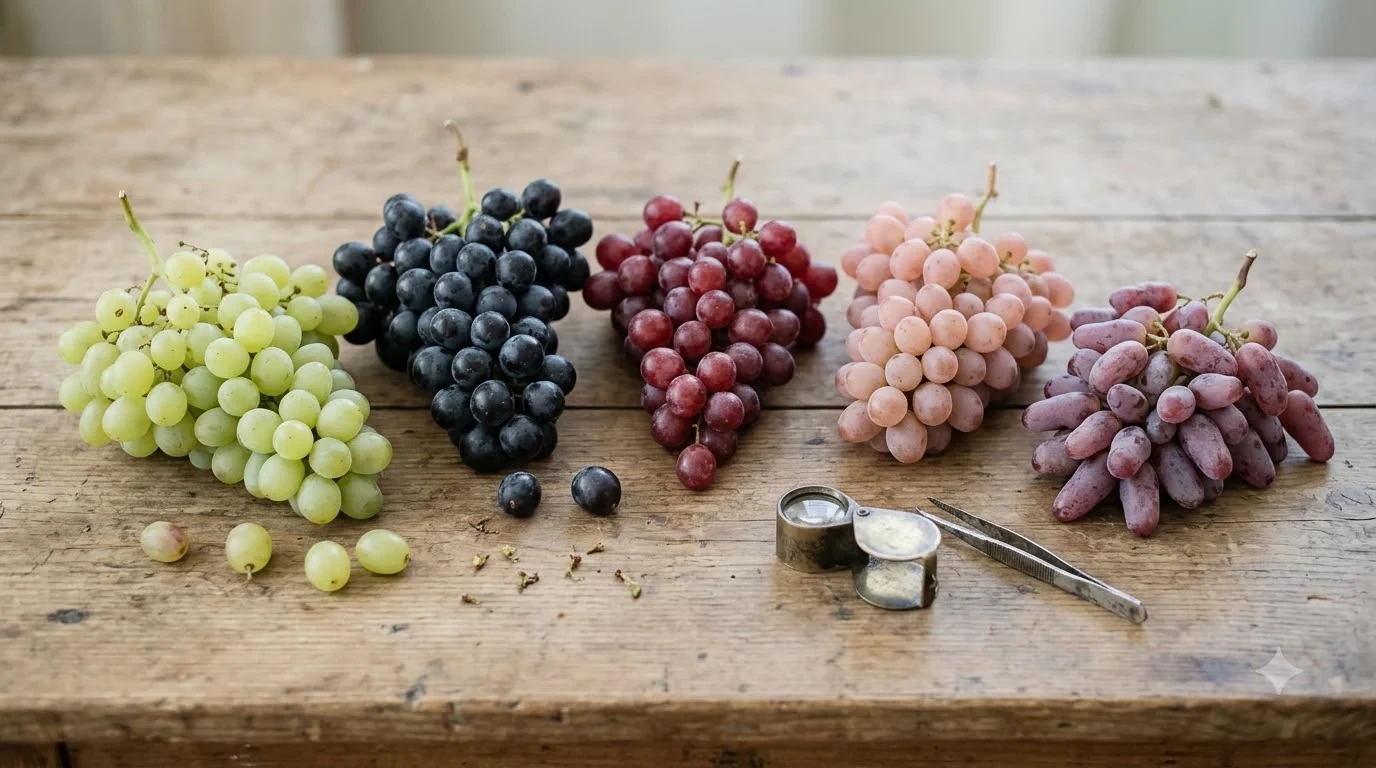
Texas wine grapes include Tempranillo, Mourvèdre, Cabernet Sauvignon, Viognier, Roussanne, and Blanc du Bois, varieties selected for their ability to thrive in the state’s diverse growing conditions. The Texas High Plains and Texas Hill Country are two important growing areas, each producing wines with distinct characteristics. Spanish, French, Italian, and American grape varieties all contribute to the state’s expanding wine identity.
Texas wine has a longer history than many American wine drinkers realize, but its modern identity is still developing. Growers have learned that traditional European varieties can succeed in suitable locations, while Mediterranean grapes and disease-resistant hybrids offer practical alternatives in challenging climates. Understanding the grapes, their growing regions, and their typical wine styles makes it easier to recognize what distinguishes a Texas bottle from wines produced elsewhere.
What Makes Texas Wine Grapes Different?
Texas grape growing is shaped by substantial differences in temperature, rainfall, elevation, soil, and disease pressure. These conditions explain why a variety that succeeds in the dry western part of the state may struggle in a humid vineyard closer to the Gulf Coast.
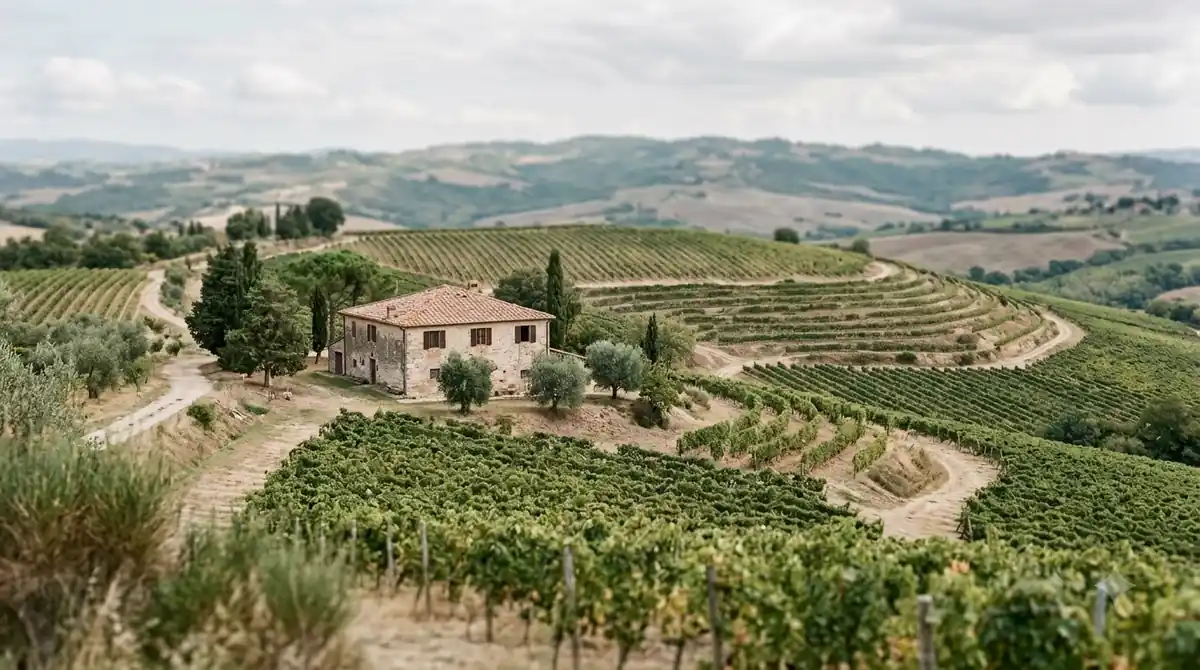
Texas stretches across several climatic zones, from relatively dry western landscapes to humid eastern areas. The growing season can bring intense sunshine and high summer temperatures, while some vineyards face damaging spring freezes, strong winds, hail, or excessive rainfall. These conditions require growers to match grape varieties to individual vineyard sites rather than rely on a single statewide planting strategy.
The state’s modern wine industry also draws on a remarkably broad collection of grape genetics. Traditional European Vitis vinifera varieties include Tempranillo, Cabernet Sauvignon, Merlot, Sangiovese, Viognier, and Chardonnay. American and French-American hybrids, including Blanc du Bois and Black Spanish, provide additional choices where humidity and Pierce’s Disease make conventional European varieties more difficult to cultivate.
According to the Texas Wine and Grape Growers Association, the state has approximately 4,500 acres of producing vineyard farmland. Its grape-growing history reaches back to approximately 1659, when Franciscan priests established an early vineyard in North America. The modern industry developed much later, with research and commercial planting helping establish the foundations of contemporary Texas wine.
One important distinction is that Texas wine does not have a single defining grape. Instead, its identity comes from the combination of warm-climate varieties, regional growing conditions, and winemaking decisions. Tempranillo might produce a structured red in one location, while Viognier from another vineyard can offer a fragrant, generous white wine. This diversity is one of the state’s most interesting characteristics.
Consumers should also distinguish between a grape’s ability to grow in Texas and its ability to produce consistently high-quality wine. A variety may survive the summer heat but struggle with spring frost, fungal pressure, or excessive sugar accumulation before its flavors and acidity reach an ideal balance. Successful vineyard selection considers all these factors together.
Texas Wine Regions and Their Most Important Grapes
The Texas High Plains and Texas Hill Country are two major wine-growing areas, but their climates and vineyard landscapes differ considerably. The High Plains is particularly important for grape production, while the Hill Country has a strong association with wineries, tasting rooms, and wine tourism.
The Texas High Plains AVA covers approximately eight million acres and extends through 24 counties, with Lubbock serving as an important regional center. Its vineyards sit at elevations of roughly 2,800 to 4,100 feet. Hot summer days help grapes ripen, while cooler nights help retain acidity. According to Wine Enthusiast, the area receives less than 20 inches of annual rainfall, making irrigation an important part of vineyard management.
The High Plains supports more than 75 wine grape varieties across over 3,700 planted acres, according to High Plains Winegrowers. Cabernet Sauvignon, Merlot, Tempranillo, Mourvèdre, Sangiovese, Malbec, Viognier, and Grenache are among the varieties found there. Chardonnay, Riesling, Chenin Blanc, and Roussanne also contribute to the region’s white wine production.
The Texas Hill Country, west of Austin and northwest of San Antonio, has a different landscape. Rolling hills, limestone, granite, clay, and sandstone contribute to varied vineyard conditions. Its wineries work with Tempranillo, Mourvèdre, Cabernet Sauvignon, Grenache, Viognier, and other Mediterranean-influenced varieties. The region’s visitor-friendly wine routes have also helped make it one of the state’s best-known wine destinations.
Other growing areas include West Texas, North Texas, and Southeast Texas. Each faces its own combination of weather and agricultural challenges. North Texas growers must consider winter cold and spring frost, while southeastern vineyards contend with humidity, rainfall, and Pierce’s Disease. Blanc du Bois and other suitable hybrids are especially useful in some of these warmer, wetter locations.
| Growing area | Important characteristics | Representative grapes |
|---|---|---|
| Texas High Plains | 2,800–4,100 feet elevation; dry conditions | Tempranillo, Cabernet Sauvignon, Viognier |
| Texas Hill Country | Rolling hills; limestone, granite, and clay | Mourvèdre, Grenache, Tempranillo |
| West Texas | Arid conditions; high-elevation vineyards | Syrah, Grenache, Cabernet Sauvignon |
| North Texas | Greater winter and spring frost considerations | Tempranillo, Merlot, hybrid varieties |
| Southeast Texas | Humidity, rainfall, and Pierce’s Disease pressure | Blanc du Bois, Black Spanish |
These regions are useful starting points, not rigid rules. A grape’s success depends on the vineyard’s exact elevation, exposure, soil drainage, water availability, and disease management. Two vineyards within the same AVA can produce noticeably different fruit, even when they grow the same variety.
For a broader explanation of these growing areas, see our article about the Texas wine region. It provides additional geographical context for understanding why Texas wine styles vary so much from one part of the state to another. The High Plains Winegrowers overview of the AVA also provides useful details about its elevation, soils, vineyard acreage, and grape varieties.
The Best-Known Red Grapes Grown in Texas
Red grapes are particularly important to Texas wine, with Tempranillo, Cabernet Sauvignon, Mourvèdre, Merlot, and Sangiovese among the varieties worth seeking out. Their different tannin levels, acidity, and fruit profiles give Texas winemakers plenty of options for single-variety wines and regional blends.
Tempranillo
Tempranillo is one of the most recognizable grapes in modern Texas wine. Originally associated with Spain, particularly Rioja and Ribera del Duero, it has found promising growing conditions in several Texas vineyards. The Texas Wine and Grape Growers Association specifically highlights its potential, particularly in northern parts of the state.
Texas Tempranillo commonly offers dark cherry, plum, blackberry, and earthy or savory notes. Depending on ripeness and winemaking, the wine can be medium-bodied or full-bodied, with moderate to noticeable tannins and enough acidity to accompany food. Oak aging may introduce vanilla, baking spice, and toasted wood characteristics.
Its versatility makes it a useful introduction to Texas reds. Try it with grilled beef, lamb, smoked brisket, or tomato-based pasta. The grape’s savory character can work particularly well with the browned, smoky flavors associated with Texas barbecue.
Cabernet Sauvignon
Cabernet Sauvignon is another important Texas red grape, particularly in the High Plains. Its naturally firm tannins, dark fruit flavors, and substantial structure suit full-bodied wines. Typical aromas include blackcurrant, blackberry, cedar, and herbal notes.
Texas conditions can produce ripe Cabernet fruit, although vineyard location and harvest timing matter greatly. Excessive heat can encourage sugar accumulation before the grape develops ideal flavor and acidity. Growers therefore pay close attention to canopy management, irrigation, and picking decisions.
Cabernet Sauvignon pairs well with grilled steak, smoked beef ribs, and aged hard cheeses. Its substantial tannins work with the fat and protein in these foods, while the wine’s dark fruit provides a complementary contrast to savory flavors.
Mourvèdre
Mourvèdre, also known as Monastrell or Mataro, is a Mediterranean variety that performs well in warm climates. It has become an interesting option for Texas growers looking for grapes suited to hot, sunny conditions.
Its wines commonly show blackberry, dark plum, dried herbs, and earthy notes. Mourvèdre can produce substantial tannins and a firm structure, although the exact profile depends on vineyard conditions and winemaking. It also works well in blends, particularly with Grenache and Syrah.
Try Mourvèdre with smoked sausage, grilled lamb, slow-cooked beef, or roasted vegetables. Its savory character makes it a natural partner for dishes featuring rosemary, black pepper, and other Mediterranean seasonings.
Merlot and Sangiovese
Merlot provides a softer alternative to Cabernet Sauvignon. It typically has medium tannins, generous plum and cherry flavors, and a rounder texture. Texas Merlot can be particularly appealing to drinkers who enjoy fruit-forward reds without the firmer structure of Cabernet.
Sangiovese brings a different profile. Originally associated with Tuscany, this Italian grape is known for cherry flavors, herbal notes, and refreshing acidity. Texas versions can work especially well with tomato-based dishes because the grape’s natural acidity complements the acidity in the sauce.
Other reds worth exploring include Malbec, Grenache, Syrah, Tannat, Cinsault, and Aglianico. Malbec often provides dark fruit and a generous texture, while Grenache offers ripe red fruit and spice. Syrah can show blackberry, pepper, and savory notes. Tannat is especially structured, with substantial tannins that suit rich meat dishes.
White Grapes That Thrive in Texas
Texas white wines deserve attention alongside the state’s reds. Viognier, Roussanne, Blanc du Bois, Chenin Blanc, and Sauvignon Blanc offer different combinations of fragrance, texture, acidity, and food compatibility.
Viognier
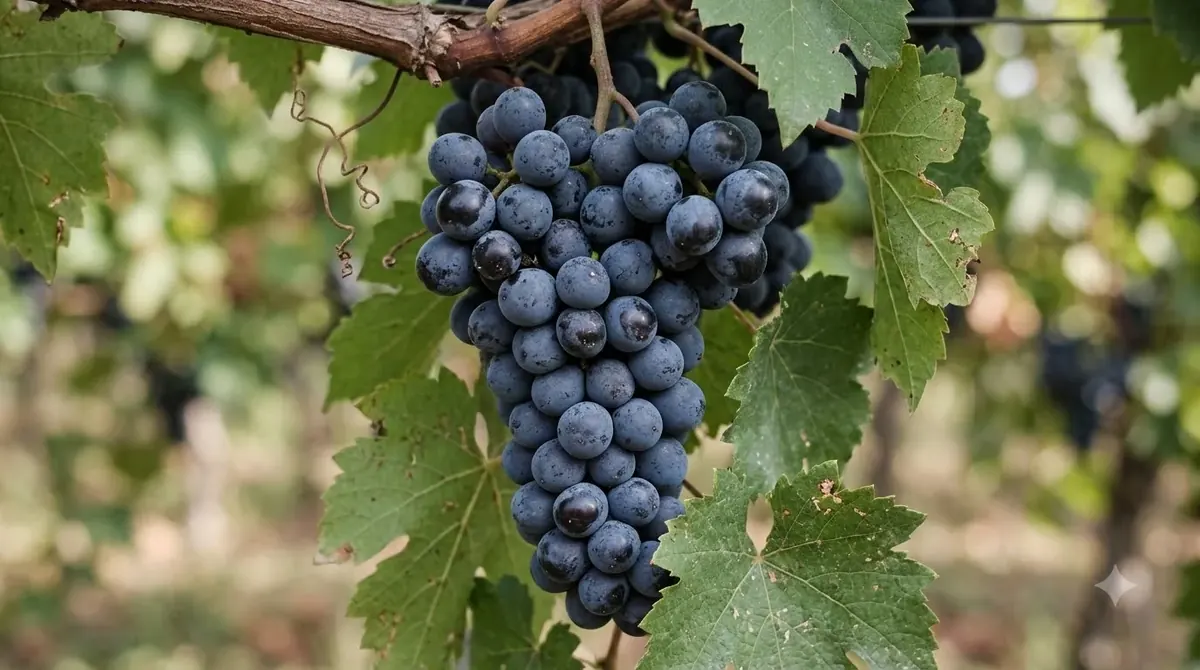
Viognier is frequently described as one of Texas’s signature white varieties. Originally associated with France’s Northern Rhône Valley, it is an aromatic grape that can produce full-bodied wines with peach, apricot, pear, and floral aromas.
Its relatively soft natural acidity and rich texture make it different from sharper, more citrus-driven white varieties. Texas Viognier may be fermented in stainless steel to preserve its fresh fruit character or aged in barrels to develop additional texture and complexity.
Serve it with roasted chicken, pork, seafood, or dishes featuring mild spices. A bottle with a fuller texture can also accompany creamy sauces and soft cheeses. For serving, aim for approximately 50–55 degrees Fahrenheit when the wine is full-bodied.
Roussanne and Marsanne
Roussanne is another Rhône variety that has attracted attention in Texas. It can develop aromas of pear, apple, flowers, herbs, and sometimes honeyed fruit. Its texture is often fuller than that of lighter white wines, making it suitable for barrel fermentation or aging on lees.
Marsanne is also used for both single-variety wines and blends. It tends to offer a rounder texture and relatively restrained aromatics. Blending it with Roussanne can provide a useful combination of body, fragrance, and structure.
These grapes are particularly interesting for people who prefer white wines with more weight than Sauvignon Blanc but do not necessarily want the pronounced oak character sometimes associated with Chardonnay.
Chenin Blanc and Sauvignon Blanc
Chenin Blanc offers versatility in both dry and sweeter styles. Depending on the growing conditions and winemaking approach, it can show green apple, pear, citrus, and floral characteristics. Its naturally high acidity provides freshness and makes it useful for blending.
Sauvignon Blanc is another option for drinkers who enjoy crisp, refreshing whites. Typical flavors include grapefruit, lime, green apple, and herbs. Its acidity makes it a practical pairing for salads, fresh seafood, goat cheese, and dishes featuring citrus-based dressings.
Blanc du Bois
Blanc du Bois deserves special recognition because it addresses some of the agricultural challenges facing southeastern Texas. It is an American hybrid with Italian Muscat heritage and is particularly valued for its resistance to Pierce’s Disease.
The variety can produce dry, off-dry, or sweeter white wines, depending on the producer’s approach. Its aromatic profile can include citrus, tropical fruit, and floral notes. It is especially useful in humid growing environments where traditional European grape varieties may face greater disease pressure.
Texas A&M AgriLife Extension identifies Blanc du Bois as a leading Pierce’s Disease-tolerant white grape in Texas. Its Blanc du Bois grape variety profile explains that the University of Florida developed the cultivar and released it in 1987. The profile also documents its use in sparkling, still, and fortified wines, illustrating its versatility beyond a single white wine style.
Blanc du Bois illustrates why Texas wine cannot be understood entirely through familiar European grape names. Hybrid varieties are an important part of the state’s agricultural adaptation and provide opportunities to make distinctive regional wines.
How Texas Climate and Soil Influence Grape Quality
Temperature, rainfall, elevation, and soil drainage have a direct effect on grape development in Texas. Understanding these factors helps explain why the same grape can produce different wines in the High Plains, Hill Country, and Gulf Coast growing areas.
Elevation is particularly important in the High Plains. Vineyards at approximately 3,000 to 4,100 feet experience warm summer days and cooler evenings. This difference between daytime and nighttime temperatures, often called diurnal variation, can help grapes ripen while retaining useful acidity.
The region’s rainfall is limited, with Wine Enthusiast reporting less than 20 inches annually. Growers therefore rely on irrigation, including water from the Ogallala Aquifer. Irrigation management is important because vines need sufficient water to support healthy development, but excessive water can encourage vigorous growth and complicate fruit management.
Soil conditions also vary considerably. The High Plains contains 31 identified soil associations. Five account for approximately 75% of the region’s acreage, according to High Plains Winegrowers. These include Pullman-Randall-Lofton and Amarillo-Acuff-Olton, among others.
Some vineyards have deep sandy loam over sandy clay loam, while other locations contain different combinations of sand, clay, limestone, and calcareous material. Drainage, soil depth, nutrient availability, and water-holding capacity all influence vine vigor and grape development.
The eastern part of Texas presents a different challenge. Higher humidity and rainfall can increase disease pressure, especially for grape varieties that are susceptible to fungal infections and Pierce’s Disease. Growers must pay close attention to vineyard airflow, canopy management, sanitation, and variety selection.
Important Vineyard Challenges
Several recurring agricultural concerns influence which varieties can succeed:
- Spring freezes: Late cold spells can damage emerging buds and reduce a vineyard’s crop potential.
- Summer heat: High temperatures can accelerate sugar accumulation and make acidity management more difficult.
- Pierce’s Disease: This bacterial disease can seriously damage susceptible grapevines, making resistant varieties valuable in affected areas.
- Humidity: Moist conditions can encourage fungal diseases and require careful canopy management.
- Soil drainage: Poorly drained sites can create problems for root health and vineyard longevity.
- Water availability: Dry western locations need dependable irrigation resources.
Texas A&M specifically emphasizes well-drained vineyard soils and appropriate rootstock selection. Its guidance also identifies cotton root rot and iron chlorosis as potential concerns in certain soil conditions.
Tip: When comparing two Texas wines made from the same grape, look at their growing regions before assuming they will taste alike. A High Plains Viognier and a Hill Country Viognier may differ in ripeness, texture, acidity, and aromatic intensity because their vineyard environments are not identical.
Texas Wine Blends, Growing Practices, and Grape Selection
Texas winemakers use both single-variety bottlings and blends to express the character of their grapes. Blending also offers a practical way to balance fruit concentration, acidity, tannins, and texture when individual varieties respond differently to local growing conditions.
Tempranillo can provide structure and dark fruit, while Grenache can contribute generous red fruit and a softer texture. Syrah adds darker fruit, pepper, and body. Together, these grapes can create a Mediterranean-inspired red blend that suits warm-climate fruit.
Another interesting combination involves Mourvèdre, Grenache, and Syrah. This familiar southern Rhône blending approach can produce wines with dark berries, herbs, spice, and varied tannin levels. Individual Texas producers may change the proportions depending on their available fruit and desired style.
White blends also have considerable potential. Roussanne and Marsanne can contribute body and texture, while Viognier adds fragrance and ripe stone-fruit character. Chenin Blanc can contribute acidity, making it useful when a blend needs additional freshness.
Growing practices influence these wines long before grapes reach the winery. Canopy management determines how much sunlight reaches the fruit, while pruning influences crop size and vine balance. Irrigation decisions affect vine growth and water stress, particularly in the dry High Plains.
Harvest timing is another important decision. Picking too early can result in green flavors and insufficient fruit development. Picking too late can produce high sugar levels, greater potential alcohol, and reduced freshness. Producers must balance ripeness, acidity, flavor development, and tannin maturity.
Winemaking decisions then shape the final result. Stainless steel fermentation generally helps preserve fresh fruit and aromatic qualities, while oak aging can introduce additional spice, vanilla, and texture. Some producers also use neutral barrels, which allow a wine to develop without strong new-oak flavors.
These choices mean that two wines made from the same Texas grape may have different levels of body, oak influence, and fruit intensity. A stainless-steel Viognier, for example, may emphasize peach and floral aromas, while a barrel-aged version may feel broader and richer.
Consumers interested in the wider range of grape varieties used around the world can also explore our guide to Croatia wine grapes and our explanation of orange wine grapes. Both offer useful comparisons for understanding how grape variety and winemaking choices influence wine styles.
How to Choose and Enjoy Texas Wine Grapes
The easiest way to explore Texas wines is to begin with recognizable grape varieties and gradually compare regional expressions. Tempranillo, Cabernet Sauvignon, Viognier, and Blanc du Bois provide four different starting points for understanding the state’s wine styles.
If you prefer full-bodied reds, begin with Cabernet Sauvignon, Tannat, or a structured Mourvèdre. These varieties can offer substantial tannins, dark fruit, and savory characteristics. Tempranillo is another strong option, particularly if you enjoy a combination of ripe cherry, plum, spice, and moderate structure.
For softer reds, consider Merlot or Grenache. Merlot generally has medium tannins and a rounder texture, while Grenache can emphasize ripe red fruit and spice. Sangiovese is a good alternative for people who enjoy wines with more pronounced acidity and savory cherry flavors.
White wine drinkers can start with Viognier if they prefer fragrant, fuller-bodied wines. Sauvignon Blanc and Chenin Blanc are more appropriate choices for those who enjoy higher acidity and a fresher style. Blanc du Bois is particularly interesting for discovering a grape associated with the agricultural conditions of southeastern Texas.
Food pairing can make these differences easier to appreciate. Tempranillo and Cabernet Sauvignon work well with grilled beef, lamb, and barbecue. Sangiovese pairs naturally with tomato-based pasta, while Viognier complements roasted poultry and seafood. Sauvignon Blanc is a useful match for salads, shellfish, and fresh cheeses.
Serving temperature also affects the experience. Light-bodied white wines generally show well at 45–50 degrees Fahrenheit, while fuller-bodied whites such as Viognier and Roussanne benefit from approximately 50–55 degrees. Light reds can be served around 55–60 degrees, and fuller reds generally work best around 60–65 degrees.
For a more systematic comparison, taste wines made from the same grape but grown in different Texas regions. Pay attention to fruit ripeness, acidity, tannin, body, and oak influence. Comparing a High Plains Tempranillo with a Hill Country Tempranillo, for instance, can reveal how growing conditions and winemaking decisions contribute to differences in style.
It is also useful to distinguish an AVA designation from a general Texas origin statement. The Texas Wine and Grape Growers Association explains that a wine using a specific AVA name must obtain at least 85% of its volume from grapes grown within that area. A broader Texas designation identifies a wider geographical origin rather than one specific growing area.
For additional background on American wine geography, our Wine Regions resource provides a starting point for comparing growing areas, regional terminology, and the factors that influence wine styles.
Frequently Asked Questions
What is the official grape of Texas?
Texas does not have a single legally designated official wine grape. Viognier is frequently called the state’s signature white variety, while Tempranillo is one of its best-known red grapes. Both have become important examples of how European varieties can adapt to Texas growing conditions.
Are Texas grapes used to make sparkling wine?
Yes. Texas producers can use grapes such as Chardonnay, Pinot Noir, and other suitable varieties for sparkling wine. The traditional method involves a second fermentation in the bottle, while the tank method conducts the second fermentation in a pressurized tank. The resulting wines can range from crisp and dry to noticeably fruity.
What does Texas AVA mean on a wine bottle?
AVA stands for American Viticultural Area, a federally recognized grape-growing region with defined geographical boundaries. The Texas High Plains, for example, is a recognized AVA with its own elevation, soil, and climate characteristics. An AVA designation communicates geographical origin rather than guaranteeing a particular grape variety or wine style.
Can Texas wine grapes be grown organically?
Yes, organic grape growing is possible in Texas, although vineyard location influences the difficulty of maintaining organic practices. Humid southeastern conditions can increase fungal disease pressure, while dry western vineyards may face different irrigation and soil-management challenges. Organic certification also involves requirements for vineyard inputs and production practices.
What is the difference between a grape variety and a varietal wine?
A grape variety is the actual type of grape, such as Tempranillo, Cabernet Sauvignon, or Viognier. A varietal wine is a wine identified primarily by one grape variety. In the United States, federal labeling rules generally require at least 75% of the named grape variety for a wine to use that varietal designation, subject to applicable exceptions and appellation rules.
Texas wine grapes reflect a distinctive combination of European varieties, American hybrids, and diverse growing conditions. From High Plains Tempranillo and Cabernet Sauvignon to Hill Country Mourvèdre and southeastern Blanc du Bois, the state’s vineyards offer plenty of styles to explore. Start with a familiar grape, compare wines from different regions, and discover which Texas expressions suit your palate.
More in Wine Regions
 Willcox Wine Trail: Discover Arizona’s High-Elevation Wine CountryUpdated Nov 20, 2026
 Yakima Valley Wine Region: Find the Best Styles to TryUpdated Nov 20, 2026
 Vosne Romanee Wine Tasting: Identify Aromas and Choose Better PairingsUpdated Nov 20, 2026
 Yakima Valley Wine Festival: Find the Best Seasonal Wine EventsUpdated Nov 20, 2026
 Wales Vineyards: Discover Cool-Climate Wines and Where to VisitUpdated Nov 20, 2026
 Yountville Wine Festival: Discover Napa Wines and Local FoodUpdated Nov 20, 2026