

We may earn a commission when you buy through links on this page, at no extra cost to you. Learn more.
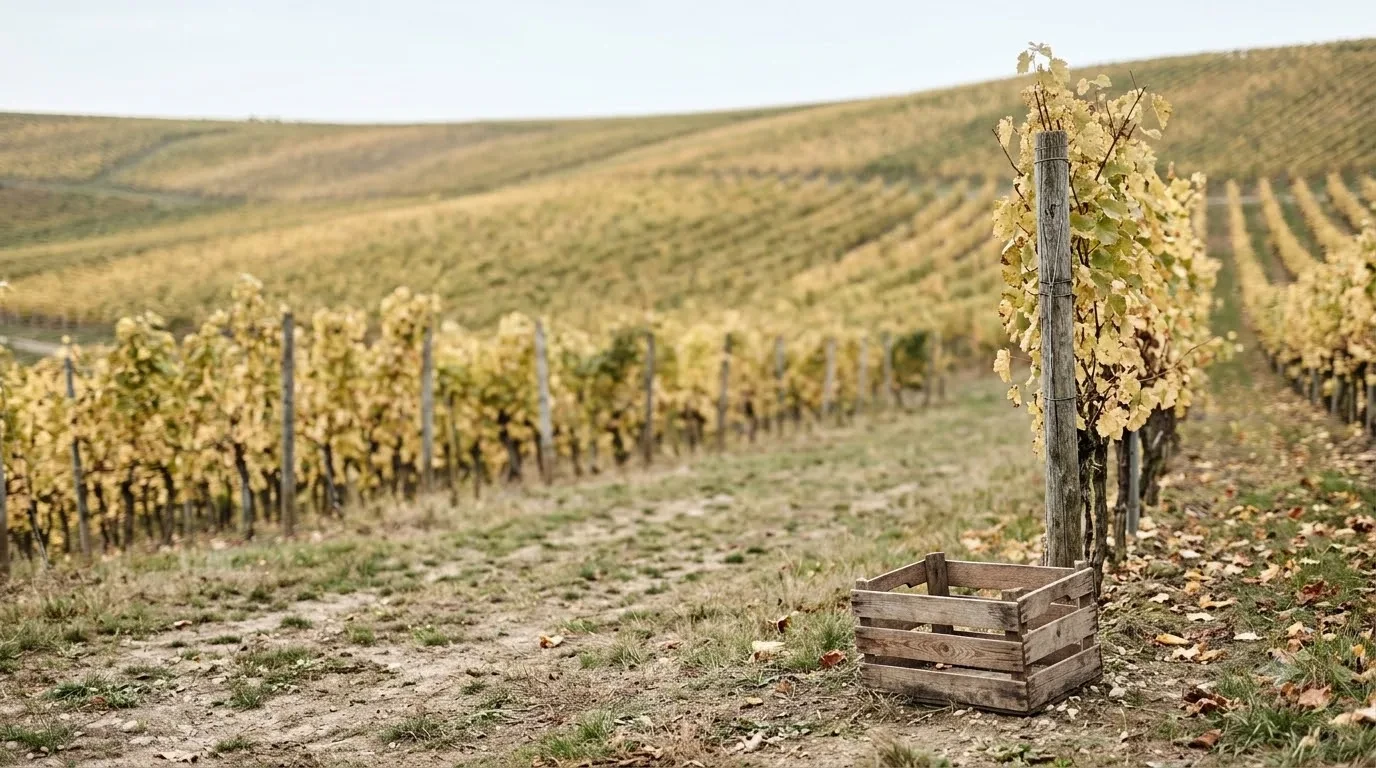
Texas vineyards are spread across three main wine regions, with the Texas Hill Country and the High Plains holding the most grape growing. The state’s climate is humid and hot in many areas, so growers rely on heat-tolerant and hybrid grapes as well as Cabernet Sauvignon and Tempranillo. Visiting the vineyards is one of the main ways to experience the region, since many estates offer tours and tastings.
This guide explains where Texas vineyards are, which grapes grow there, how the climate shapes the wines, and what to expect when you visit. It also covers how to choose a bottle and how to serve Texas wine well.
Where the Texas Vineyards Are
Texas has a long winemaking history. Spanish missionaries produced some of the earliest recorded Texas wines in the 1650s near El Paso, and the state later had a substantial industry before Prohibition nearly ended it. The modern revival began in the 1970s, and the industry has grown steadily since.
The state is usually described in three broad wine regions. The North-Central region includes the Texas High Plains, which has the highest concentration of grape growers in the state. The South-Eastern region includes the Texas Hill Country, where humidity makes vinifera vines harder to grow. The Trans-Pecos region in the west sits at high altitude and produces a large share of the state’s grapes.
Climate and Soils
Texas is mostly humid subtropical, and the climate becomes more continental in the northern Panhandle and some southwestern highlands. Humidity is the main challenge in the Hill Country, where fungal disease can be a problem for grape growers. Harvest often begins in July, so the growing season is long and warm.
Soils vary a great deal across the state. Some vineyards sit on sandy ground that drains well, which can suit grapes, while others use limestone and clay. Growers have to choose varieties that match the local soil and rainfall, and drainage is a constant concern. Another hot, dry American wine region with its own challenges is the Arizona vineyards scene, and comparing the two shows how water and altitude change what a grower can plant.
A good example of how Hill Country growers think about location is the account on the Texas Hill Country wine page, which describes vineyards that sit between the Hill Country and the High Plains and weigh the trade-offs of each climate.
Grapes Grown in Texas
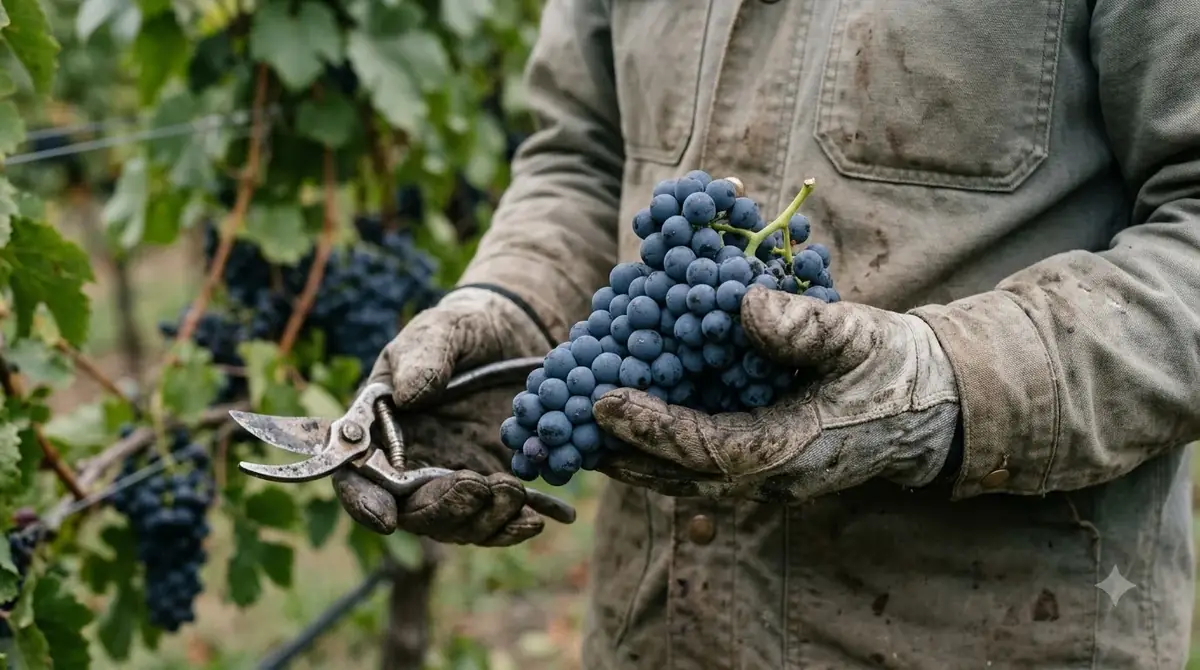
Cabernet Sauvignon and Tempranillo have the most plantings in Texas, reflecting their suitability for warm, dry sites. Merlot, Black Spanish and Blanc du Bois are also important, especially in the humid east. Hybrids and Muscadine-family vines are common in the Hill Country, where they handle heat and humidity better than many European varieties.
Because the state covers a large area and several climates, the same grape can taste very different from one vineyard to the next. Tasting a few regional examples side by side is one of the best ways to learn the local style.
| Area | Typical conditions | Grapes you may see |
|---|---|---|
| Texas Hill Country | Humid, with limestone and clay soils | Hybrids, Blanc du Bois, Tempranillo |
| Texas High Plains | Continental, high-plains sun | Cabernet Sauvignon, Merlot |
| Trans-Pecos | High altitude, dry and sunny | Warm-climate reds and whites |
Readers who want to compare Texas with other American regions can use the Wine Regions guide, which covers how climate and grape choice shape the wines across the country.
How to Serve Texas Wine
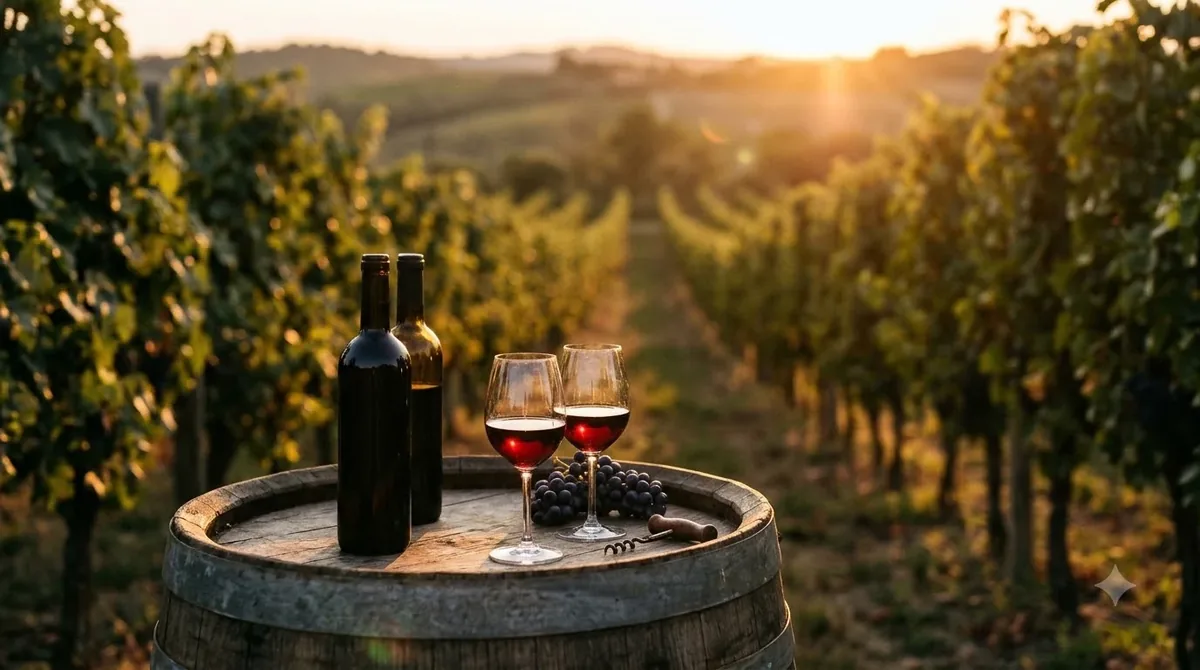
Serve white Texas wines well chilled, usually about 45 to 50 degrees Fahrenheit (7 to 10 degrees Celsius). Reds such as Tempranillo or Cabernet Sauvignon are best served slightly below room temperature, around 60 to 65 degrees Fahrenheit (15 to 18 degrees Celsius). Warm weather can push a red too far, so a short stop in the fridge helps.
Most Texas wines do not need decanting. A standard glass for each style is enough, and a short rest in the glass lets the aromas open. Keep opened bottles refrigerated, since the state’s heat can shorten the life of an open wine.
Tip: If you are visiting a vineyard in summer, ask for a tasting at a cool time of day and keep your bottle in a cooler on the drive home.
Food Pairing Ideas
Texas wine suits the state’s food. Barbecue, grilled meats and Tex-Mex dishes pair well with bold reds like Cabernet Sauvignon and Tempranillo, which handle smoke and spice. Lighter whites go well with seafood, salads and fresh goat cheese.
Hybrid and Muscadine-family wines can be sweeter and fruit-forward, so they match spicy dishes, pork and fruit desserts. A simple test is to match the wine’s weight to the dish. Light food suits light wine, while smoky, rich food calls for a fuller red.
| Wine style | Good pairing |
|---|---|
| Cabernet Sauvignon | Smoked brisket, grilled steak |
| Tempranillo | Grilled sausage, tacos, roast pork |
| Blanc du Bois (white) | Seafood, fresh salads, goat cheese |
| Sweet hybrid styles | Spicy barbecue, fruit desserts |
How to Choose a Bottle
Start by looking at the label for the appellation. Texas has several American Viticultural Areas, including Texas Hill Country, Texas High Plains and Fredericksburg in the Hill Country, and the name tells you where the grapes were grown. Wines labeled with a specific region usually reflect that area’s climate more closely than a generic state label.
Next, check the grape and the sweetness level. A dry Cabernet Sauvignon and a sweeter hybrid red are very different wines, so the back label or the winery’s description is worth reading. If you are new to the region, a tasting flight at a winery is the easiest way to find the styles you like.
Buy from a shop that keeps bottles cool and out of direct light. Heat is a real risk in Texas summers, and a bottle left in a hot car or a sunny display can taste dull even if it was good when it was made.
Visiting Texas Vineyards
Vineyard tours are a major part of the Texas wine experience, and the Hill Country is one of the most popular wine destinations in the country. Many estates offer tastings, tours and events, and visitors can see how the landscape changes from the rolling hills to the open plains.
Plan a route that includes a few different estates rather than one large stop, since that gives you a better sense of the range. Book ahead on weekends and during harvest, and ask staff about the vineyard’s climate and soils, since they often explain the reasons behind each wine.
Arrange a driver or a shuttle if you plan to taste at several estates. Distances between wineries can be longer than they look on a map, and a designated driver makes the day more enjoyable for everyone.
Frequently Asked Questions
What is the main wine region in Texas?
The Texas Hill Country and the High Plains are the most discussed regions, with the High Plains having the largest concentration of grape growers. The state is usually described in three broad regions.
Which grapes grow best in Texas?
Cabernet Sauvignon and Tempranillo have the most plantings, while hybrids and Blanc du Bois suit the humid east. The best grape depends on the specific site, soil and climate.
Is the Texas Hill Country a good place to visit vineyards?
Yes, the Hill Country is one of the most visited wine areas in the state. Many estates offer tours and tastings, and visiting in cooler months can make the trip more comfortable.
Should Texas wine be served chilled?
White wines are best well chilled, and reds are usually served slightly below room temperature. Keep opened bottles refrigerated, especially in the state’s warm weather.
Texas vineyards reward anyone who enjoys wines with a clear sense of place and a willingness to try new styles. Pick a bottle to share with a barbecue dinner or plan a winery visit, and enjoy it responsibly.
More in Wine Regions
 Willcox Wine Trail: Discover Arizona’s High-Elevation Wine CountryUpdated Nov 20, 2026
 Yakima Valley Wine Region: Find the Best Styles to TryUpdated Nov 20, 2026
 Vosne Romanee Wine Tasting: Identify Aromas and Choose Better PairingsUpdated Nov 20, 2026
 Yakima Valley Wine Festival: Find the Best Seasonal Wine EventsUpdated Nov 20, 2026
 Wales Vineyards: Discover Cool-Climate Wines and Where to VisitUpdated Nov 20, 2026
 Yountville Wine Festival: Discover Napa Wines and Local FoodUpdated Nov 20, 2026