

We may earn a commission when you buy through links on this page, at no extra cost to you. Learn more.
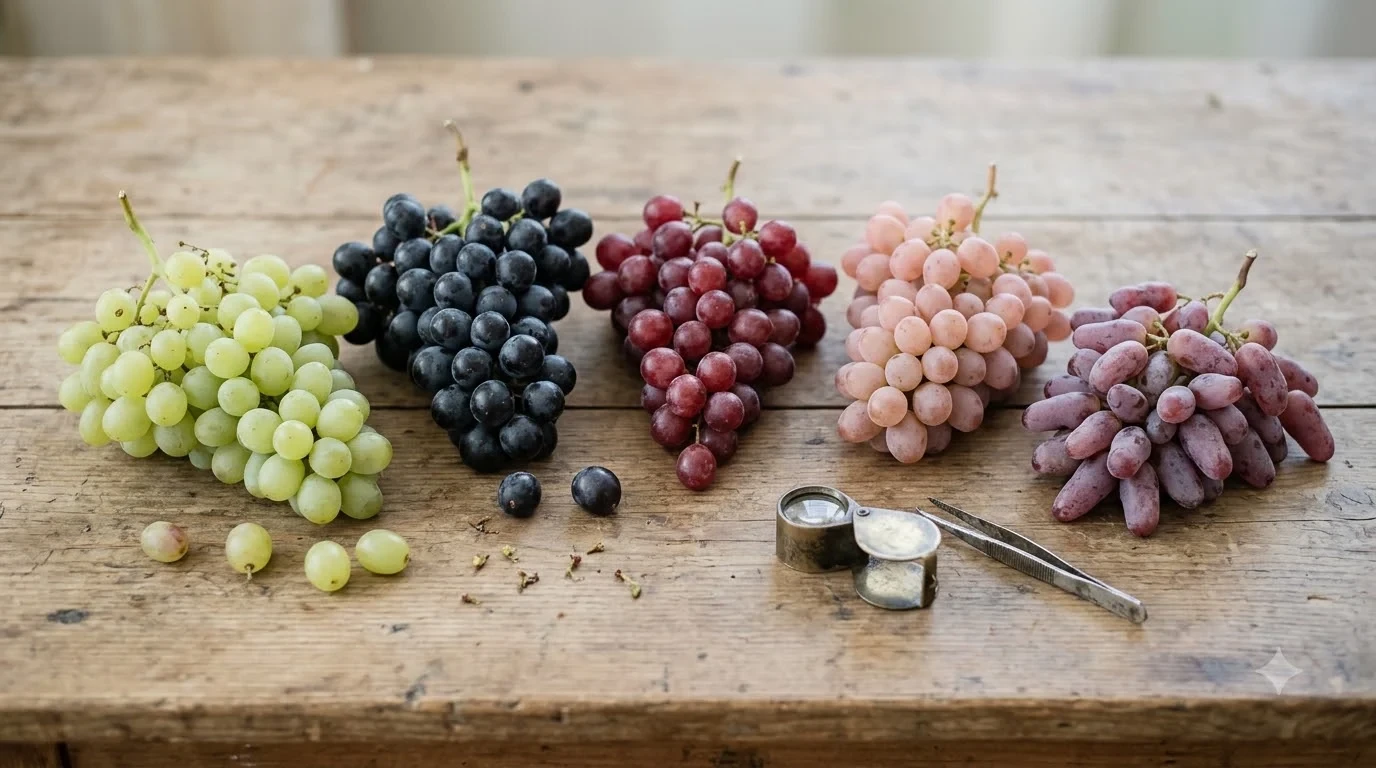
Orange wine grapes are white grape varieties fermented with their skins to produce amber-colored wines with additional texture, tannins and complex flavors. The most recognizable varieties include Ribolla Gialla from northeastern Italy and Slovenia, Rkatsiteli from Georgia, and Pinot Grigio, which produces a distinctive copper-colored style called ramato. Other grapes, including Malvasia, Friulano, Chardonnay and Gewürztraminer, also make excellent skin-contact wines. The grape variety, length of skin contact and winemaking method determine whether the finished wine tastes fresh and citrusy or deeply textured, nutty and savory.
Orange wine has become an increasingly familiar sight on restaurant wine lists and in independent wine shops, but its production draws on traditions that predate modern white winemaking. Rather than pressing white grapes immediately and separating their juice from the skins, producers allow the two to remain together during fermentation. This approach extracts color and phenolic compounds that change the wine’s appearance, aroma and structure. Understanding the grapes behind the style makes it easier to recognize regional differences, choose a bottle and find food pairings that bring out the wine’s best characteristics.
What Makes a White Grape Suitable for Orange Wine?
Orange wine begins with white grapes, but the grape variety has a significant influence on the finished wine. Skin thickness, aromatic intensity, natural acidity and phenolic composition all help determine how a variety responds to extended maceration.
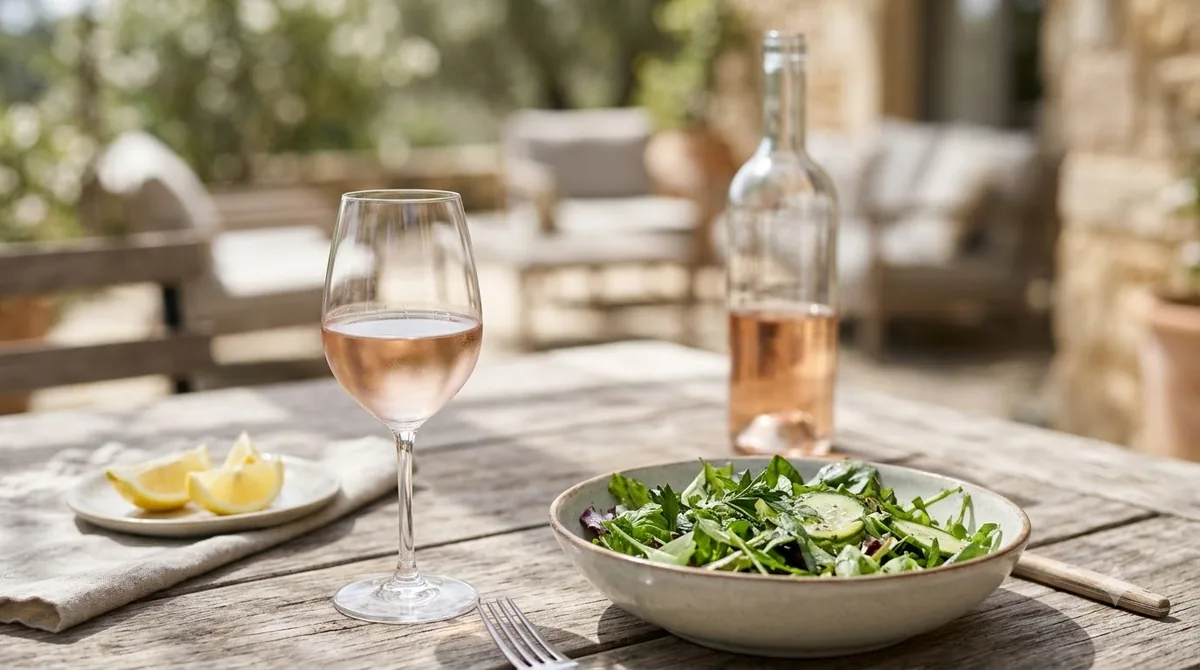
During conventional white winemaking, grapes are generally pressed relatively quickly to separate the juice from the skins. With orange wine, producers leave the juice in contact with the skins during fermentation, allowing compounds from the grape solids to enter the developing wine. The result is often darker in color and more structured than a conventional white wine made from the same variety.
Grape skins contain pigments, tannins and aromatic compounds. Seeds can contribute additional tannin, while stems may contribute further structure if the winemaker includes them. The amount extracted depends on the grape, fermentation conditions and length of contact. A few days can produce a relatively delicate wine, while several weeks or months can create a substantially more tannic, amber-colored style.
Acidity is another important consideration. Grapes with naturally refreshing acidity can help balance the additional texture and phenolic structure created during maceration. Ribolla Gialla and Rkatsiteli are particularly interesting examples because their regional traditions and grape characteristics have helped establish them as recognizable varieties for this style.
However, there is no single mandatory orange wine grape. Producers use varieties ranging from Pinot Grigio and Sauvignon Blanc to Chardonnay and Gewürztraminer. Some choose aromatic grapes to emphasize floral and citrus characteristics, while others favor varieties with more substantial skins and structure.
It is also important to distinguish orange wine from rosé. Rosé generally begins with red grapes that receive limited skin contact, while orange wine uses white grape varieties with extended skin contact. The two methods extract different combinations of pigments and phenolic compounds and produce distinct wine styles.
Ribolla Gialla: The Signature Grape of Friuli and Slovenia
Ribolla Gialla is one of the most historically significant orange wine grapes, particularly in northeastern Italy and neighboring Slovenia. Its association with Friuli-Venezia Giulia, Oslavia and Goriška Brda makes it an excellent starting point for understanding traditional skin-contact winemaking.
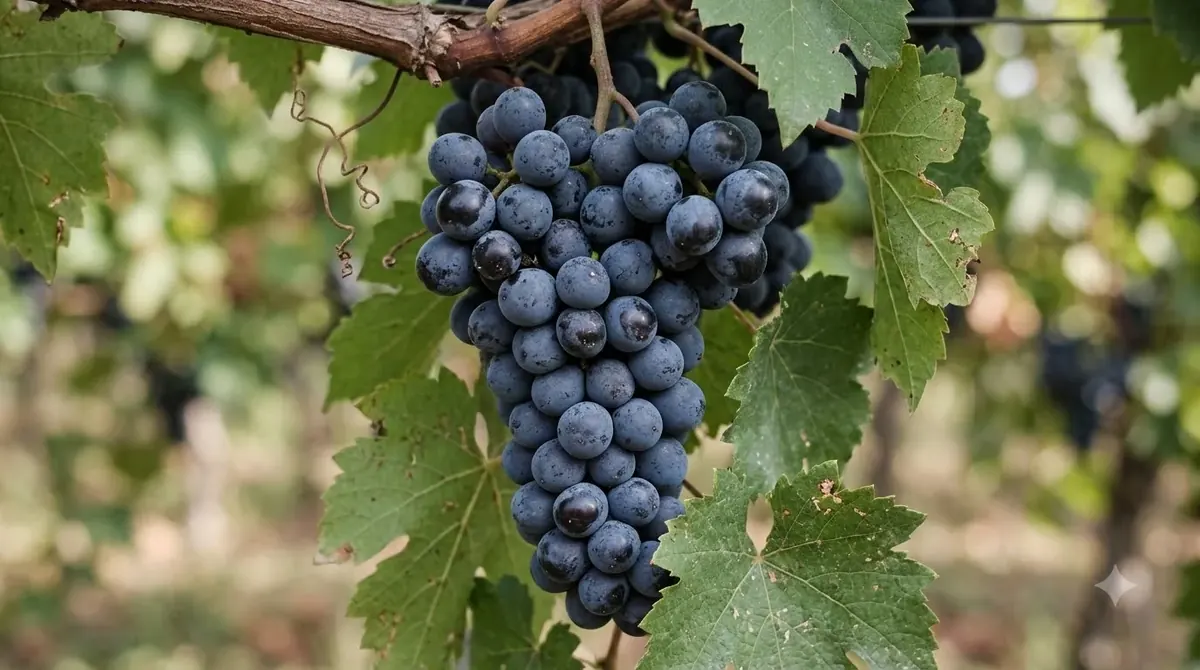
The grape is particularly associated with Oslavia, a small area near Gorizia in Friuli-Venezia Giulia. Across the border, the neighboring Slovenian region of Goriška Brda shares similar winemaking traditions and has also become known for skin-contact whites.
Ribolla Gialla is particularly interesting because it can produce wines with considerable structure without losing its recognizable white-wine character. In conventional winemaking, Ribolla Gialla can produce relatively restrained, refreshing wines. Extended skin contact changes that profile, creating deeper color, additional texture and more prominent savory characteristics.
Typical orange Ribolla Gialla may show dried citrus peel, ripe apple, honey, herbs and subtle earthy notes. Longer maceration and aging can introduce walnut, tea, dried fruit and more pronounced tannins. These characteristics make it different from a light, crisp white wine, even though the underlying grape variety remains the same.
Important Ribolla Gialla producers
Joško Gravner is among the most influential names associated with the modern revival of skin-contact white winemaking in Friuli. Following a hail-damaged harvest in 1996, Gravner experimented with extended maceration using Ribolla Gialla and subsequently traveled to Georgia to study traditional qvevri winemaking. His approach helped establish a connection between contemporary Italian orange wine and Georgian techniques.
Stanko Radikon and Dario Prinčič are other important producers associated with Oslavia. Across the border in Slovenia, producers including Movia and Aleks Klinec have helped maintain the region’s reputation for distinctive skin-contact wines.
Not every Ribolla Gialla is an orange wine. Many producers make conventional white versions, so the grape name alone does not guarantee skin contact. Look for descriptions such as skin-contact, macerated white, amber wine or orange wine when choosing a bottle.
For readers interested in the broader geography of wine production, our guide to Wine Regions provides useful context for understanding how neighboring areas can share grape varieties and winemaking traditions while developing individual regional identities.
Rkatsiteli: Georgia’s Traditional Orange Wine Grape
Rkatsiteli is one of Georgia’s most important white grapes and a particularly recognizable choice for traditional amber wine. Its association with the country’s ancient qvevri winemaking tradition makes it essential for anyone exploring the origins of orange wine.
Georgia has a long history of fermenting white grapes with their skins, seeds and sometimes stems. In the Kakheti region, this approach is closely associated with large clay vessels called qvevri, which are traditionally buried underground. The vessels provide an environment for fermentation and aging while preserving the connection between the wine and the grape solids.
Rkatsiteli is well suited to this traditional approach. Depending on growing conditions and winemaking decisions, it can produce wines with deep golden, copper, amber and reddish-orange colors. Its flavors can include citrus peel, dried apple, herbs, resinous notes and earthy characteristics.
Extended maceration gives Rkatsiteli additional tannin and a more substantial palate than many conventionally produced white wines. The wine may feel closer to a light red in structure, although it retains the acidity and aromatic qualities associated with white grapes.
Understanding Georgian qvevri wines
Qvevri are large earthenware vessels traditionally buried in the ground. They are used for fermenting and aging wine, and their shape and underground position are important features of the traditional Georgian method. Unlike modern stainless-steel fermentation, qvevri production can involve extended contact between juice, skins and seeds.
Skin contact can last several months, although the exact duration depends on the producer and intended style. According to Decanter’s explanation of Georgian qvevri production, fermentation can last up to 40 days, after which the skins and seeds settle before the vessel is sealed for further aging. The traditional process is described in its article From qvevri to glass: The fascinating journey of Georgian orange wine.
Rkatsiteli is not the only Georgian grape used for amber wine. Kisi, Khikhvi and Mtsvane Kakhuri are also relevant varieties. Kisi can produce particularly interesting skin-contact wines, while Mtsvane Kakhuri is another aromatic white grape that appears in Georgian winemaking.
Producers such as Pheasant’s Tears and Alaverdi Monastery are useful names to recognize when exploring Georgian qvevri wines. Their wines illustrate how traditional grape varieties and vessel choices contribute to the diversity of Georgian amber wine.
Rkatsiteli also has a presence outside Georgia. New York producers have experimented with the variety, demonstrating that its potential for skin-contact winemaking is not limited to the Caucasus. These wines can offer a useful comparison between traditional Georgian production and more contemporary interpretations.
Pinot Grigio, Friulano and Malvasia: Other Important Varieties
Several other white grapes have become important in orange wine production, particularly in Italy and the northern Adriatic region. Pinot Grigio, Friulano and Malvasia each contribute different combinations of aroma, color, acidity and texture.
Pinot Grigio is particularly interesting because its skin-contact expression has a recognizable regional name: ramato. The Italian word refers to its copper or auburn color. Instead of producing the pale appearance associated with many conventional Pinot Grigio wines, ramato can develop coppery-pink, amber and deeper orange tones through skin maceration.
Ramato is often a useful introduction for people who are curious about orange wine but prefer a less demanding starting point. Depending on the producer and maceration period, the wine can retain a recognizable fruit character while gaining additional weight, texture and subtle tannin. Flavors may include pear, citrus, orchard fruit, herbs and light spice.
Friulano is another important variety from northeastern Italy. It is sometimes referred to as Sauvignon Vert, although it should not be confused with Sauvignon Blanc. Skin-contact Friulano can develop more pronounced savory, herbal and nutty characteristics than a conventional white expression.
Malvasia is a broader grape family with numerous varieties cultivated across Mediterranean wine regions. Aromatic versions can provide floral, citrus and ripe-fruit characteristics that remain interesting after extended skin contact. In some wines, the maceration process adds a substantial tannic dimension to what would otherwise be a strongly aromatic white grape.
Comparing common orange wine varieties
The following comparison highlights the general characteristics associated with several varieties. Actual wines differ according to climate, harvest conditions, maceration time, fermentation vessels and aging choices.
| Grape variety | Associated region | Typical flavor profile | Common style |
|---|---|---|---|
| Ribolla Gialla | Friuli, Italy; Slovenia | Dried citrus, apple, honey, herbs | Structured, savory amber wine |
| Rkatsiteli | Kakheti, Georgia | Citrus, resin, dried fruit, herbs | Deep amber, tannic qvevri wine |
| Pinot Grigio | Friuli, Italy | Pear, citrus, orchard fruit, spice | Copper-colored ramato |
| Friulano | Friuli, Italy | Herbs, citrus, savory fruit | Textured, aromatic skin-contact white |
| Malvasia | Italy and Mediterranean regions | Floral notes, ripe fruit, citrus | Aromatic, sometimes deeply tannic |
| Gewürztraminer | Central Europe and beyond | Floral aromas, spice, citrus | Expressive, aromatic orange wine |
| Chardonnay | International | Apple, citrus, stone fruit | Variable, from subtle to structured |
| Sauvignon Blanc | International | Citrus, herbs, fresh fruit | Fresh, aromatic skin-contact wine |
These varieties demonstrate why orange wine should not be treated as a single flavor category. A ramato Pinot Grigio can be relatively approachable, while a long-macerated Ribolla Gialla or Rkatsiteli can have substantial tannin and a much more savory character.
Tip: If you are new to orange wine, begin with a Pinot Grigio ramato or a shorter-maceration Malvasia. Move on to Ribolla Gialla and traditional Georgian Rkatsiteli when you want more tannin, darker color and savory complexity.
Orange Wine Grapes Around the World’s Major Regions
Orange wine production extends well beyond Georgia, Italy and Slovenia. Producers in Croatia, Austria, France, the United States, Australia and other countries use local white grapes to create distinctive skin-contact wines.
The northern Adriatic is one of the most recognizable areas for the style. Its winemaking landscape connects Friuli and Collio in Italy with Brda, the Vipava Valley and the Karst in Slovenia, continuing toward Istria in Croatia. Ribolla Gialla, Malvasia and Pinot Grigio are among the varieties associated with this wider region.
Croatia is particularly interesting because Istria has a strong tradition of growing Malvasia Istriana. The variety is used for conventional white wine as well as skin-contact interpretations. These wines can combine Mediterranean fruit characteristics with herbal, mineral and savory notes.
Readers exploring regional Croatian varieties can also learn more through our article about Croatia wine grapes. Understanding the country’s native grapes helps explain why its orange wine production is not simply a copy of Italian or Georgian styles.
Austria has also developed an identity for skin-contact wines, particularly in the country’s southern and eastern wine-growing areas. Producers experiment with traditional white varieties and different fermentation vessels, producing wines that can range from lightly textured to deeply amber and tannic.
Other international examples
In France, the Jura deserves particular attention, although it is important not to confuse every oxidative white wine with orange wine. Vin Jaune, made from Savagnin and aged under a layer of yeast, develops distinctive oxidative aromas but is not technically an orange wine because it does not rely on extended skin-contact fermentation.
In the United States, New York has become an interesting location for skin-contact winemaking. Rkatsiteli is particularly relevant because it performs well in cooler growing conditions and can produce expressive wines in both conventional and skin-contact styles. Producers in California have also explored varieties such as Pinot Gris and other white grapes.
Australia offers further examples, including skin-contact Sauvignon Blanc. Producers in regions such as Adelaide Hills have experimented with this style, showing that grapes commonly associated with crisp conventional whites can develop a more textured and savory character.
South Africa, Germany, Greece, Spain and Hungary also have producers experimenting with orange wine. The choice of grape varies from region to region, making local varieties an important part of the category’s continuing development.
The broader lesson is that orange wine is a production method rather than a single appellation or grape designation. Its regional character comes from the combination of local varieties, climate, farming and fermentation choices. For a comparison with another regional wine-growing tradition, see our guide to Texas wine grapes, which explores the relationship between grape selection and local growing conditions.
How Skin Contact Changes Flavor, Color and Tannin
Skin contact is the defining feature of orange wine, and its duration is one of the biggest influences on the finished style. Short maceration can create a gently textured white wine, while extended contact can produce deep amber colors, stronger tannins and more complex savory flavors.
When grapes are crushed, the juice comes into contact with the skins and sometimes seeds and stems. During fermentation, this contact allows phenolic compounds to enter the wine. These include tannins and pigments that would normally be separated from the juice during conventional white winemaking.
Color depends on several factors, including the grape variety, skin composition, maceration period and exposure to oxygen. Some wines are pale golden or coppery, while others are deep amber, orange-brown or tea-colored. The term orange wine therefore describes a broad visual spectrum rather than a standardized shade.
Shorter skin contact can emphasize fresh fruit and floral characteristics. Longer maceration often increases the wine’s tannic structure and can introduce dried citrus, tea, nuts, herbs and earthy notes. Aging in clay or wooden vessels may further influence the final character.
Understanding maceration periods
The following ranges are useful illustrations of how skin contact can influence style. They are practical examples rather than universal rules, since the response varies according to grape variety and cellar conditions.
- Several days: Often produces a lighter skin-contact expression with subtle color and relatively restrained tannin.
- One to two weeks: Can create more noticeable copper or amber color, additional texture and a stronger aromatic profile.
- Three to four weeks: Often results in a more structured wine with recognizable tannins and more pronounced savory characteristics.
- Several months: Can produce deeply colored, substantial wines with firm tannins, dried-fruit notes and complex aromas.
The distinction between skin contact and oxidation is also important. Extended maceration can increase a wine’s exposure to oxygen, but oxidation is not the defining requirement for orange wine. Some wines are deliberately made with greater protection from oxygen, while others embrace a more oxidative approach.
Vessels also matter. Stainless steel generally allows producers to control fermentation conditions without adding the same vessel-derived flavors associated with oak. Clay qvevri provide a traditional environment for extended fermentation and aging. Wooden barrels can introduce additional texture and, depending on their age and use, oak-related flavors.
Joško Gravner’s approach provides an unusually detailed example of extended maceration. His described process includes fermentation in buried amphorae ranging from 1,300 to 2,600 liters, six months on the skins, further amphora aging and six years in large Slavonian oak casks. This is an individual producer’s approach, not a requirement for all orange wines.
The most important point for consumers is that the grape and the production method must be considered together. Two wines made from Ribolla Gialla can taste dramatically different if one is fermented without extended skin contact and the other spends months on its skins.
Choosing, Serving and Pairing Orange Wine
The best orange wine for a particular meal depends on its grape variety, tannin level, acidity and maceration period. Lighter skin-contact Pinot Grigio can work with delicate dishes, while structured Ribolla Gialla and Rkatsiteli can stand up to richly flavored foods.
For a first bottle, consider what kind of white wine you normally enjoy. Drinkers who prefer fresh citrus and orchard fruit may appreciate a shorter-maceration Pinot Grigio or Sauvignon Blanc. Those who enjoy full-bodied whites and savory flavors may prefer Ribolla Gialla, Malvasia or Georgian Rkatsiteli.
Orange wine is generally most interesting when served cool rather than extremely cold. A temperature of approximately 50–55 F works well for fuller, more structured examples. Lighter expressions can be served around 45–50 F, depending on their weight and tannin.
Very cold temperatures can make aromatic details less apparent and emphasize the sensation of tannin. Allowing a wine to warm slightly in the glass can reveal additional layers of dried fruit, herbs, citrus and spice.
Food pairings for different orange wine grapes
Ribolla Gialla with extended skin contact is a natural partner for roasted poultry, mushroom dishes, aged cheeses and herb-seasoned vegetables. Its combination of acidity and tannin provides structure for foods that might overpower a delicate conventional white wine.
Rkatsiteli can be particularly effective with Georgian-inspired dishes, grilled meats, walnut-based sauces and richly seasoned vegetables. Its savory characteristics make it useful with foods containing herbs, spices and fermented ingredients.
Pinot Grigio ramato can be a good match for grilled seafood, roast chicken, vegetable dishes and moderately rich pasta. Its texture provides more weight than a conventional light Pinot Grigio, while its fruit character keeps it versatile.
Malvasia and Gewürztraminer can work well with aromatic dishes, including spiced curries, roasted vegetables and aromatic poultry. Their expressive aromas can complement fragrant herbs and spices.
Orange wines also have a place alongside fermented foods. Kimchi, pickled vegetables and other tangy ingredients can work particularly well with wines that combine refreshing acidity and noticeable structure.
There are a few pairing principles to remember. Acidic foods need wines with equal or higher acidity, while salt and fat can soften the perception of tannin. Chili heat is amplified by alcohol and tannin, so particularly powerful, tannic orange wines may not be the best choice for very hot dishes. Oily fish can also clash with wines that have substantial tannin.
For serving, a standard wine pour is 5 ounces, and a 750 ml bottle provides approximately five glasses. Use a regular white wine glass for lighter expressions or a larger glass for structured wines that benefit from additional room to release their aromas.
Once opened, keep the bottle refrigerated and use a suitable closure. Most still wines are best consumed within approximately three to five days after opening, although the actual period depends on the wine’s condition and exposure to oxygen. A wine with noticeable oxidative characteristics may be more tolerant of air than a particularly delicate example, but refrigeration remains useful for preserving freshness.
Frequently Asked Questions
Are orange wine grapes genetically different from regular white wine grapes?
No. Orange wine is made from familiar white grape varieties rather than a special botanical category of grapes. Ribolla Gialla, Rkatsiteli and Pinot Grigio can all produce conventional white wines or skin-contact wines depending on how the producer handles the grapes. The winemaking technique, not a genetic change in the fruit, creates the orange wine style.
Can orange wine be made from grapes with pink or grayish skins?
Yes. Pinot Grigio is a good example because its grape skins can have a grayish-pink appearance. Skin contact can produce ramato wines with a coppery or pink-orange hue. This demonstrates why the color of the finished wine depends partly on the pigments available in the grape skins.
Does orange wine have a recognized international production definition?
The International Organisation of Vine and Wine recognizes the category called white wine with maceration. Its technical terminology distinguishes this production method from conventional white winemaking. The everyday term orange wine remains widely used by producers, importers and wine professionals, even though individual markets may use different labeling conventions.
Can orange wine be made from organically grown grapes?
Yes. Some orange wine producers work with organically or biodynamically farmed grapes, particularly among small estates in the northern Adriatic and Georgia. However, skin-contact winemaking does not automatically mean that a wine is organic, biodynamic or made without additives. Vineyard certification and cellar practices are separate considerations.
Why do some orange wines have sediment in the bottle?
Some producers choose minimal filtration or bottle their wines with limited clarification. This can leave naturally occurring grape solids, yeast deposits and other wine components in the bottle. Sediment does not automatically indicate a fault, although the appearance and amount can vary considerably between producers and vintages.
Orange wine grapes offer a remarkable range of styles, from copper-colored Pinot Grigio ramato to deeply structured Georgian Rkatsiteli and savory Ribolla Gialla. Exploring these varieties alongside their regional traditions is one of the best ways to understand why skin-contact wine has developed such a distinctive identity. Start with a familiar grape, compare different maceration styles and gradually explore the more traditional amber wines of Georgia, Italy and Slovenia.
More in Wine Regions
 Willcox Wine Trail: Discover Arizona’s High-Elevation Wine CountryUpdated Nov 20, 2026
 Yakima Valley Wine Region: Find the Best Styles to TryUpdated Nov 20, 2026
 Vosne Romanee Wine Tasting: Identify Aromas and Choose Better PairingsUpdated Nov 20, 2026
 Yakima Valley Wine Festival: Find the Best Seasonal Wine EventsUpdated Nov 20, 2026
 Wales Vineyards: Discover Cool-Climate Wines and Where to VisitUpdated Nov 20, 2026
 Yountville Wine Festival: Discover Napa Wines and Local FoodUpdated Nov 20, 2026