


We may earn a commission when you buy through links on this page, at no extra cost to you. Learn more.
What is skin contact in wine? It is the winemaking process of leaving grape skins in contact with grape juice or fermenting wine to extract color, tannins, aromas, and flavor. The technique is used in red wines, rosé, and certain white wines. When white grapes ferment with their skins, the result is commonly called orange wine or amber wine. The length of contact can change a wine’s color, body, texture, and overall character.
Grape skins play a much bigger role in winemaking than their thin appearance suggests. They contain pigments, tannins, and aromatic compounds that influence how wine looks, smells, and feels. Understanding skin contact makes it easier to distinguish traditional white wine from orange wine, recognize different wine styles, and choose bottles that suit your preferences.
What Skin Contact Means During Winemaking
Skin contact is the period when crushed grapes, their juice, and their skins remain together during some stage of winemaking. The technical term for this process is maceration. As the juice sits with the grape solids, it absorbs compounds that influence the finished wine’s appearance, aroma, flavor, and structure.
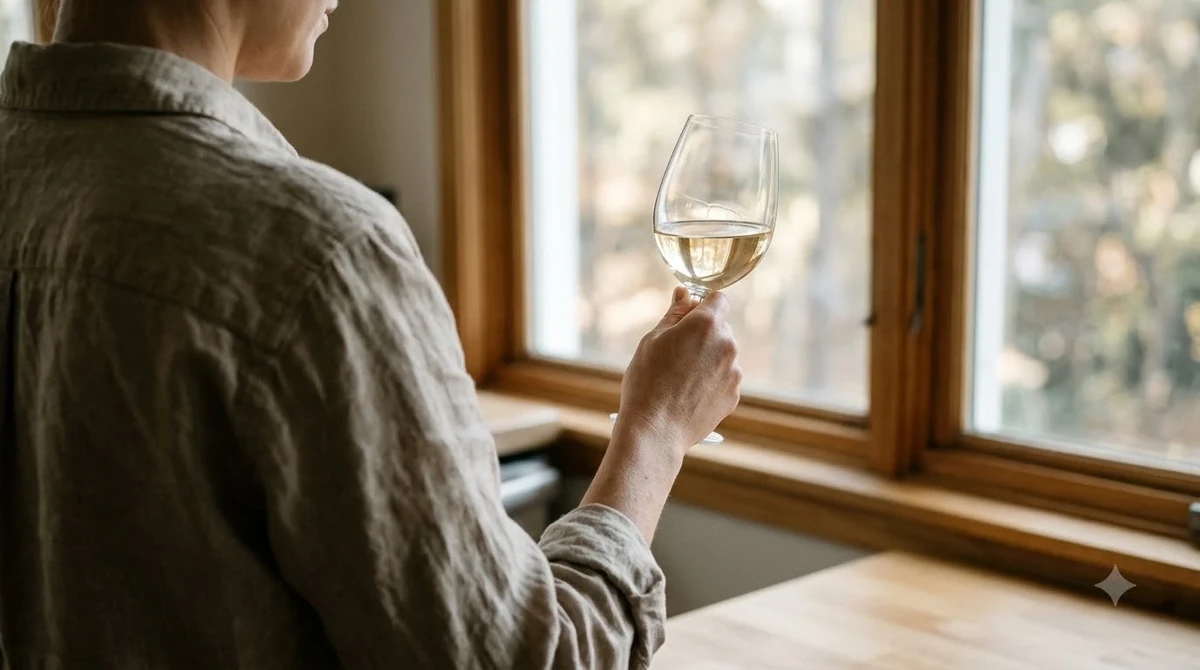
Most conventional white wines undergo little skin contact. After harvesting, winemakers usually crush or press the grapes and separate the juice from the skins before fermentation. The relatively clear juice then ferments into a wine that typically has a pale yellow or straw color, fresh fruit aromas, and little noticeable tannin.
Red wine production follows a different approach. Red grapes generally ferment with their skins because the skins contain most of the pigments responsible for the wine’s color. They also contribute tannins, which create the drying sensation associated with structured red wines. Winemakers can adjust extraction by controlling fermentation conditions and the amount of time the juice remains with the grape solids.
Skin contact does not necessarily mean that a wine will become dark, bitter, or heavily textured. A short period of contact can produce subtle aromatic changes without noticeably changing the color. A longer period can create more pronounced extraction, although grape variety, temperature, and winemaking decisions also influence the result.
Another important distinction is that skin contact describes a technique rather than a specific grape variety or finished wine category. Pinot Gris, Riesling, Chardonnay, Sauvignon Blanc, and many other white grapes can undergo skin contact. The resulting wines can be quite different depending on how the producer handles the fruit.
What Grape Skins Add to Wine
Grape skins contribute several important components that influence wine’s sensory characteristics. Their pigments, phenolic compounds, and aromatic precursors help explain why two wines made from the same grape can taste and feel noticeably different.

Color is one of the most visible effects. Red grape skins contain anthocyanins, pigments that give red wines their characteristic colors. The amount extracted depends on factors such as grape variety, temperature, fermentation conditions, and contact time. White grape skins generally contain much lower concentrations of these pigments, but prolonged contact can still create golden, copper, amber, or orange hues.
Tannins influence structure and mouthfeel. These phenolic compounds can come from grape skins, seeds, and stems. They create a drying, gripping sensation that is familiar in Cabernet Sauvignon and Syrah. Skin-contact white wines can also contain noticeable tannins, giving them more structure than many conventional white wines.
Aromatic compounds contribute complexity. Skin contact can extract compounds and aroma precursors that add floral, herbal, fruity, and savory characteristics. Depending on the grape, a skin-contact wine might show apricot, citrus peel, dried herbs, tea, nuts, or baking spices.
The Australian Wine Research Institute explains that skin contact can increase flavor intensity and viscosity, making a wine feel fuller in the mouth. However, more extraction is not automatically better. Excessive contact can produce bitterness and coarse astringency, especially when the grapes are handled too aggressively or exposed to unsuitable temperatures.
These components work together rather than independently. A wine with noticeable tannin might also have concentrated fruit aromas and a fuller texture. Another wine made with the same grape might have relatively subtle tannins but more pronounced floral characteristics.
How Skin Contact Changes Red, White, and Rosé Wine
Skin contact is not exclusive to orange wine. It is an important part of red winemaking, a controlled step in many rosé wines, and an optional technique for white wines.
Red wine
Most red wines undergo fermentation with grape skins. During this process, the juice extracts pigments and tannins that contribute to the finished wine’s color and structure. Winemakers may also keep the wine in contact with skins after fermentation to develop its tannin profile.
For example, Cabernet Sauvignon commonly develops substantial tannin structure through skin extraction. Pinot Noir generally has lower to medium tannin levels and can benefit from a gentler extraction approach. The winemaker’s objective is to balance color, fruit character, and structure without extracting excessive bitterness.
Rosé wine
Rosé typically receives much shorter skin contact than red wine. The juice remains with red grape skins until it reaches the desired pink color, after which the producer separates the juice and completes fermentation.
According to Wine Enthusiast, rosé wines usually spend less than 12 hours macerating on their skins, although some examples can remain in contact for as long as a week. This relatively short extraction helps create the lighter color and fruit-forward profile associated with many rosés.
White wine and orange wine
Traditional white wine production usually involves separating the juice from the skins before fermentation. Skin-contact white wine takes a different route, allowing the juice to remain with the skins for a longer period. When white grapes ferment on their skins, the wine is commonly described as orange or amber wine.
The distinction matters because not every white wine with some skin contact becomes orange wine. A producer might use a short pre-fermentation maceration lasting several hours to enhance aroma while preserving a relatively pale appearance. Extended fermentation on skins creates a more recognizable amber-wine style.
The Australian Wine Research Institute distinguishes pre-fermentation skin contact from amber winemaking, in which white grapes ferment on their skins and may remain in contact with them after fermentation. Both techniques extract compounds from grape solids, but they produce different styles.
How Long Does Skin Contact Last?
Skin contact can last from several hours to several months, depending on the grape variety, wine style, and winemaker’s goals. There is no single standard duration that applies to every wine.
For conventional white wines, skin contact is usually minimal. Some producers deliberately allow a short maceration period before pressing to enhance aromatic expression and mouthfeel. Wine Enthusiast notes that periods of 12 to 24 hours can contribute noticeable aromatic benefits without necessarily making the finished wine visibly orange.
Longer maceration can produce a more pronounced change in texture and flavor. The Australian Wine Research Institute describes a Chardonnay trial involving 72 hours of pre-fermentation skin contact. The research also explains that amber wines can involve post-fermentation contact periods lasting several months.
Rosé provides another useful comparison. Its skin contact commonly lasts less than 12 hours, while red wines generally remain with their skins throughout alcoholic fermentation. Some red wines undergo additional extended maceration after fermentation has finished.
| Wine style or technique | Typical skin contact | Primary purpose |
|---|---|---|
| Conventional white wine | Minimal or none | Preserve freshness and delicate aromas |
| Short white maceration | 12–24 hours | Enhance aroma and texture |
| Rosé | Usually under 12 hours | Extract pink color and fruit character |
| Red wine | Usually several days to weeks | Extract color, flavor, and tannins |
| Extended amber wine | Days to several months | Develop deeper color and structure |
These are illustrative production patterns rather than mandatory rules. Some producers use shorter or longer periods, and different stages of maceration can have different purposes. The same number of hours can also produce different results depending on the grape and temperature.
Temperature is particularly important. Warmer conditions generally accelerate extraction, potentially increasing phenolic content and astringency. Cooler conditions allow winemakers to manage extraction more gradually. According to the Australian Wine Research Institute, temperatures between 15 and 20 degrees Celsius can produce favorable results in certain pre-fermentation white-wine skin-contact applications.
Tip: When comparing two skin-contact wines, look at the grape variety and maceration duration together. A Pinot Gris with a short overnight maceration may remain relatively delicate, while a Georgian Rkatsiteli fermented on its skins for an extended period can have a much more pronounced amber color and tannic texture.
What Skin-Contact Wine Tastes Like
Skin-contact wine can taste more concentrated, savory, and textured than a conventional white wine made from the same grape. However, the exact profile depends on the variety, length of maceration, fermentation method, and maturation vessel.
Fruit flavors can include apricot, peach, ripe pear, citrus peel, and dried apple. Some bottles also show floral aromas, including chamomile and orange blossom. Longer skin contact may introduce more developed notes of dried fruit, tea, herbs, nuts, and spice.
Texture is another defining feature. A conventional Pinot Grigio often has a light, crisp mouthfeel with little tannin. A skin-contact Pinot Gris can feel broader and more structured, with a noticeable drying sensation. This difference comes partly from phenolic compounds extracted from the skins.
Some orange wines have a slightly bitter finish reminiscent of grapefruit pith, black tea, or dried citrus peel. That characteristic can be pleasant when balanced by fruit and acidity. However, excessive bitterness or aggressive tannins may indicate that extraction was not well controlled.
Acidity also varies. A skin-contact Sauvignon Blanc can retain the grape’s naturally high acidity while gaining additional texture and savory character. A skin-contact Chardonnay may feel rounder and broader, depending on its production and maturation choices.
Sweetness is a separate consideration. Skin contact does not automatically make wine dry or sweet. A skin-fermented white wine can be bone-dry, off-dry, or sweet depending on how much residual sugar remains after fermentation. Its amber color and tannic texture should not be treated as indicators of sweetness.
For someone accustomed to light, refreshing white wines, a heavily macerated orange wine might initially feel closer to a light red. It can have enough tannin and body to stand up to foods that would overpower a delicate white wine.
Orange Wine Origins, Natural Winemaking, and Common Misconceptions
Skin-contact white wine has historical roots in Georgia and is also strongly associated with northeastern Italy. Modern interest in orange wine has spread the technique to producers in countries including the United States, France, Spain, Australia, and Slovenia.
Georgia is particularly important to the history of amber wine. Traditional Georgian winemaking uses large clay vessels called qvevri, which are often buried underground. White grape varieties such as Rkatsiteli can ferment with their skins in these vessels, creating wines with pronounced texture and distinctive savory characteristics.
Italy’s Friuli-Venezia Giulia region is another important center of skin-contact winemaking. Producers working with grapes such as Ribolla Gialla and Pinot Grigio helped renew international interest in the style. The term ramato, meaning copper-colored, is associated with certain copper-hued wines made from Pinot Grigio.
Although orange wine is sometimes associated with natural wine, the two terms do not mean the same thing. Skin contact is a production technique. Natural wine generally refers to a broader approach to viticulture and winemaking, often emphasizing lower intervention.
A skin-contact wine can be made with conventional commercial yeast, controlled fermentation temperatures, filtration, and sulfur dioxide additions. Conversely, a white wine made without extended skin contact can be produced using low-intervention methods.
Other common misconceptions deserve clarification:
- Orange wine contains oranges: No. It is made from white grapes, not orange fruit.
- Every skin-contact wine is orange: No. Short maceration can leave the wine pale or straw-colored.
- Skin-contact wine is always cloudy: No. Some producers clarify and filter their wines, while others leave visible sediment.
- All orange wines are highly tannic: No. Tannin levels vary according to grape variety and extraction.
- Amphora is required: No. Skin-contact wines can be fermented or matured in stainless steel, concrete, wood, or clay vessels.
These distinctions are useful when shopping for a bottle. A wine’s production method tells you something about its potential structure, but it does not reveal every detail about sweetness, acidity, alcohol, or quality. For more terminology, the Wine Glossary provides a useful starting point for understanding common wine descriptions.
For a more technical explanation of extraction, the Australian Wine Research Institute’s skin-contact overview explains how contact time, temperature, and grape handling affect wine composition.
How to Serve and Pair Skin-Contact Wine
Skin-contact white wines are versatile at the table because they combine some of the freshness of white wine with the structure of red wine. Their tannins, savory flavors, and fuller mouthfeel can work with dishes that are challenging for delicate whites.
For serving temperature, begin with approximately 50–55 degrees Fahrenheit for fuller-bodied skin-contact whites. Lighter examples may be more enjoyable around 45–50 degrees Fahrenheit. A heavily structured amber wine can benefit from slightly warmer service than a crisp conventional white, allowing its aromas and texture to become more expressive.
Avoid serving every orange wine directly from a warm kitchen counter. Excessive warmth can make alcohol seem more prominent and reduce the impression of freshness. If the wine is too cold, however, its aromatic complexity and tannic structure may be less apparent.
Food pairing ideas
Cheese is a reliable starting point. Skin-contact wines can work with both mild and ripe cheeses because their combination of fruit, acidity, and texture offers flexibility. A structured amber wine can also complement aged hard cheeses, while lighter examples suit fresh or semi-soft varieties.
Spiced dishes are another good option. Coconut curry, jerk chicken, and moderately seasoned Asian-inspired dishes can complement the aromatic intensity of skin-contact whites. Their fuller body often provides more support than a very delicate white wine.
Vegetarian dishes are equally suitable. Spanakopita, lentil stew, roasted vegetables, and mushrooms bring earthy or savory flavors that can match the herbal and dried-fruit notes found in many orange wines.
Consider the intensity of the dish when choosing a bottle. A lightly macerated Pinot Gris may work well with roasted vegetables and fresh cheese, while a deeply structured Georgian amber wine can stand up to richer stews and strongly seasoned dishes.
Acidity remains important. If a dish contains substantial lemon juice, vinegar, or tomato, choose a wine with enough acidity to match the food. Salt and fat can soften tannin, making a structured skin-contact wine feel more approachable alongside rich dishes.
Be cautious with very hot chili dishes. Alcohol and tannin can amplify the sensation of heat, so a strongly alcoholic, heavily structured orange wine may not be the best match for an intensely spicy meal. Similarly, oily fish can clash with highly tannic wines; a fresher, lighter skin-contact white is usually a safer choice.
For entertaining, consider serving a skin-contact wine alongside a conventional white and a light red. A standard 750 ml bottle provides approximately five 5-ounce glasses, making it easy to offer a small comparison tasting. If you are organizing a larger gathering, planning how much wine for 100 guests can help you estimate the number of bottles required.
For additional wine vocabulary and serving guidance, it also helps to understand basic wine styles and characteristics before choosing bottles for a menu.
Frequently Asked Questions
Can red grapes make white wine through skin contact?
Yes. Many red grape varieties have pale-colored flesh, even though their skins are dark. Pressing the grapes quickly and separating the juice from the skins can produce a pale wine, a technique used to make Blanc de Noirs Champagne from Pinot Noir or Pinot Meunier.
Does skin contact increase the alcohol content of wine?
Skin contact itself does not automatically increase alcohol content. Alcohol is primarily produced when yeast converts grape sugar into ethanol during fermentation. Skin contact can influence other aspects of fermentation and wine composition, but the final alcohol level depends mainly on the sugar available and how fermentation proceeds.
Can skin-contact wine age in the bottle?
Yes. Some structured amber wines can develop additional complexity through bottle aging. Their acidity, tannin, oxidation management, alcohol, and overall balance influence their aging potential. However, not every skin-contact wine is intended for long-term cellaring.
Are grape stems always included during skin contact?
No. Winemakers can destem grapes before maceration or retain some whole clusters and stems. Stem inclusion can contribute additional tannins and herbal characteristics, but it is a separate production decision from simply leaving juice in contact with grape skins.
Is skin-contact wine suitable for people who prefer familiar white grapes?
Yes. Familiar varieties such as Chardonnay, Riesling, Sauvignon Blanc, and Pinot Gris can all be made with skin contact. Trying a lightly macerated version of a grape you already enjoy can provide an accessible introduction before exploring more intensely structured amber wines.
Skin contact is one of the most influential choices a winemaker can make because it changes the way wine develops color, aroma, tannin, and texture. Whether you prefer traditional red wine, delicate rosé, or richly textured Georgian amber wine, understanding maceration helps explain what makes each style distinctive. Start with a lightly skin-contacted white wine, then explore longer macerations to discover how dramatically grape skins can shape the finished bottle.
More in Wine Basics
 What Is The Best Wine For Mimosas? Choose Bubbly That Balances Orange JuiceUpdated Nov 20, 2026
 Which Prosecco Is Best for Your Taste and OccasionUpdated Nov 20, 2026
 Which Wine Is Best For Health? Understand the Risks and BenefitsUpdated Nov 20, 2026
 Which Champagne Is Best for Your Taste and OccasionUpdated Nov 20, 2026
 What To Put In A Wine Gift Basket For A Thoughtful, Memorable GiftUpdated Nov 20, 2026
 What Is the Best Wine for Mulled Wine? Choose a Smooth, Fruity RedUpdated Nov 20, 2026