

We may earn a commission when you buy through links on this page, at no extra cost to you. Learn more.
The texas wine region is a diverse collection of eight American Viticultural Areas (AVAs), led by the Texas High Plains for grape growing and the Texas Hill Country for winery visits. Its wines range from bright Picpoul Blanc and aromatic Viognier to Tempranillo, Tannat, and Rhône-inspired blends. Knowing where the grapes grow and what each area does best makes it easier to choose bottles and plan a visit.
Texas wine is not one uniform style. Vineyards span dry, high-altitude plains, rolling Hill Country terrain, and warmer western districts, while many wineries and tasting rooms cluster around Fredericksburg. This guide explains the main growing areas, grapes to seek out, label terms, and practical ways to serve and pair Texas bottles.
How Texas Wine Country Is Organized
Texas has eight federally recognized AVAs, but the places where grapes are grown and the places where visitors taste finished wine are not always the same. The distinction matters: a bottle’s origin describes its grapes, not necessarily the address of the winery that bottled it.
Wine Enthusiast reported well over 500 wineries operating across the state’s eight AVAs and noted that more than 90 percent of Texas wine is consumed within Texas. A small Hill Country winery may make wine from fruit trucked in from the High Plains, where the vineyard base is much larger than the local tasting-room scene. This is normal in Texas and explains why a bottle’s named vineyard or AVA can be far from its producer’s tasting room.
An AVA, or American Viticultural Area, is a defined grape-growing place with geographic features that distinguish it from neighboring areas. The Texas Wine and Grape Growers Association explains that at least 85 percent of the wine in a bottle must come from grapes grown inside the named AVA for the wine to carry that AVA on its label. The name is a regulated clue about grape origin, although it does not dictate variety, sweetness, oak use, or winemaking style. For a broader explanation of American appellations, start with Wine Regions and the Texas Wine and Grape Growers Association’s AVA overview.
Texas High Plains: The State’s Vineyard Engine
The Texas High Plains AVA, west of Lubbock, supplies more than 80 percent of the state’s wine grapes. Its altitude of roughly 3,000 to 4,000 feet, dry climate, and broad, open terrain create conditions unlike those around the Hill Country tasting rooms.
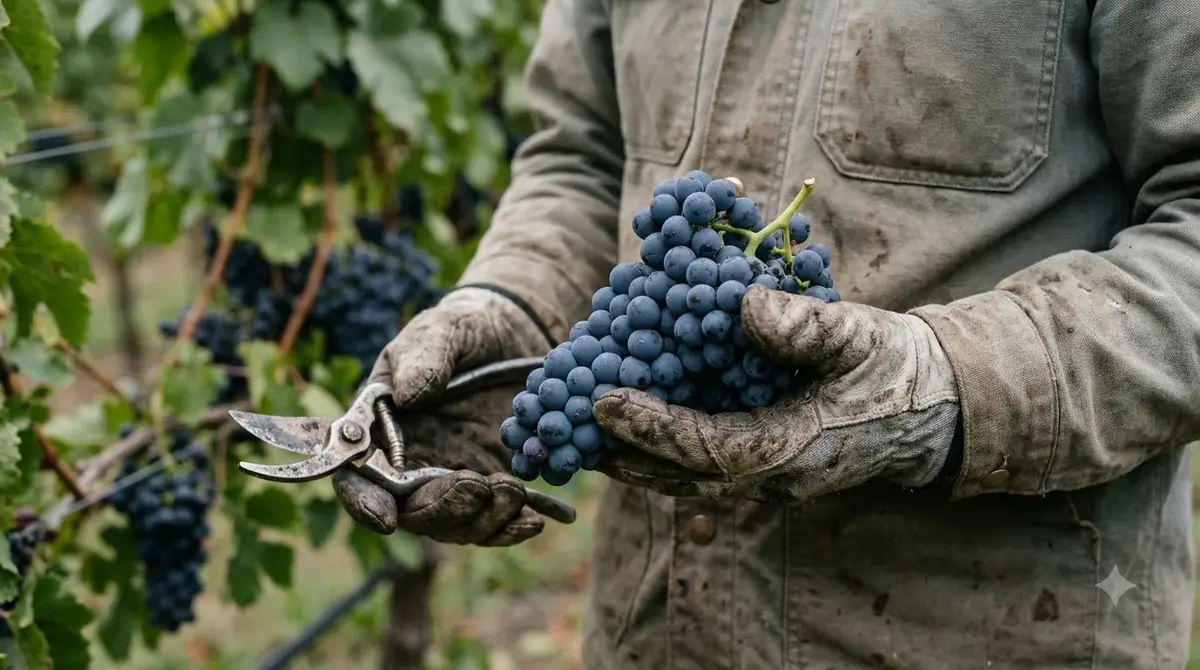
The AVA covers more than 8 million acres across 24 counties, although planted vineyards occupy only a small portion of that geographic area. The Llano Estacado plateau is unusually flat and high, between drier landscapes to the west and more humid areas to the southeast. Wine Enthusiast reports annual rainfall below 20 inches in parts of the High Plains, making irrigation important. The Ogallala Aquifer is a major water source in the wider agricultural region, so water availability is a key consideration for growers.
Warm days help grapes ripen, while cooler nights can preserve freshness. Strong winds are another defining feature; Wine Enthusiast notes that winds above 20 miles per hour can create distinct air movement through vineyards. Sandy soils, often low in natural nutrients, give growers room to manage vine nutrition carefully. The combination supports many varieties, but the season is not free of risk: late-spring freezes, heat, drought, and fast weather changes can compress harvest decisions into a short window.
Tempranillo, Cabernet Sauvignon, Syrah, Grenache, Mourvèdre, Viognier, Roussanne, Marsanne, and Picpoul Blanc are among the varieties associated with the region. Growers supply fruit to wineries around the state, so a High Plains vineyard may contribute to a wine bottled in Fredericksburg or another Texas town. Look for the AVA on the label when you want to identify fruit from this high-altitude source; a producer’s tasting-room location does not tell the full story.
Texas Hill Country: The Center of Wine Tourism
The Texas Hill Country AVA is the state’s best-known tasting destination, with Fredericksburg serving as a convenient base for winery visits. It covers well over 9 million acres and is the third-largest certified viticultural area in the United States, but the vast boundary contains smaller named areas and varied vineyard sites.
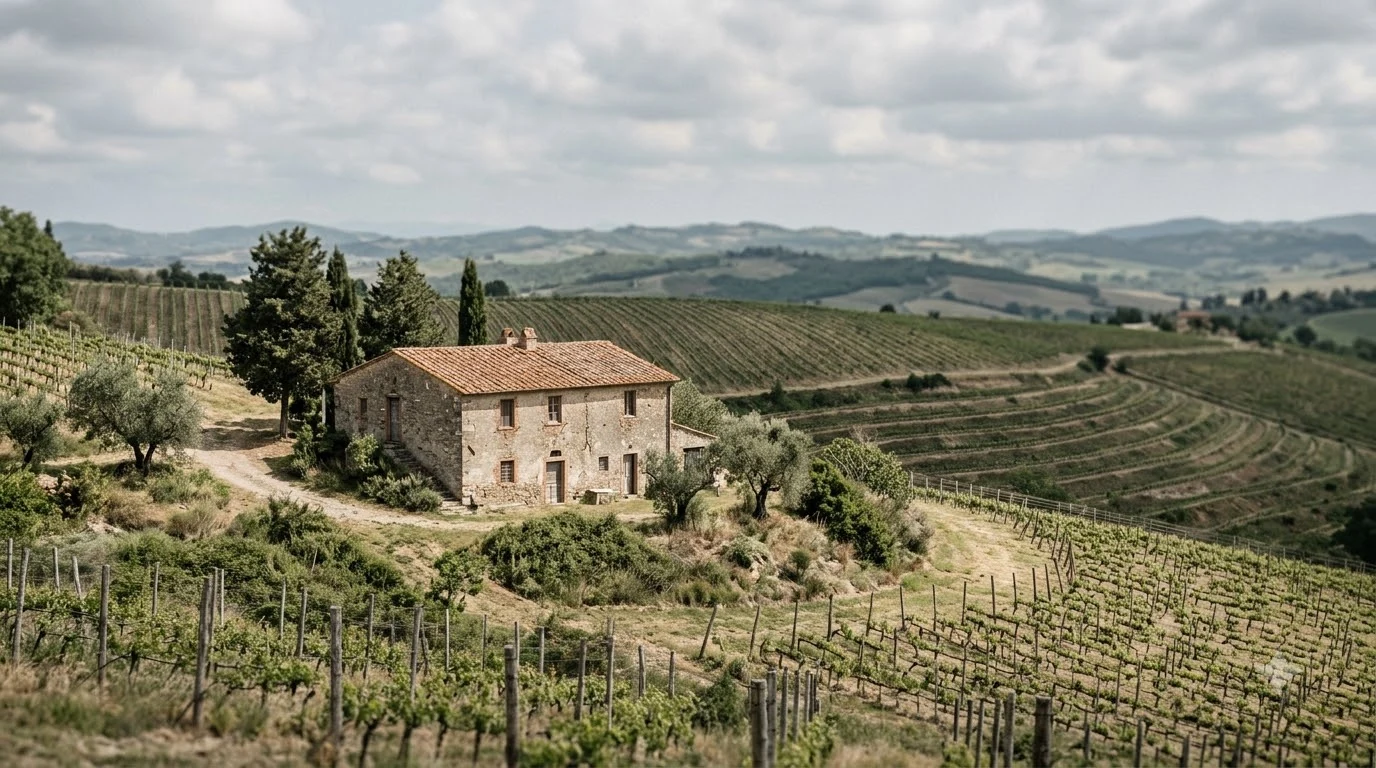
Fredericksburg lies west of Austin and north of San Antonio, amid rolling hills, varied soils, and a concentration of tasting rooms. Wine Enthusiast describes the area as home to most Texas producing wineries, even though the High Plains grows most of the grapes. Travelers can visit several Hill Country tasting rooms without assuming every wine poured there was grown nearby. Ask whether a wine is estate-grown, sourced from another Texas AVA, or blended from several origins.
The region’s soils and terrain vary by site, and producers work with Bordeaux varieties, Italian grapes, Rhône varieties, and cooler-climate options. Tempranillo, Sangiovese, Mourvèdre, Vermentino, Viognier, and Cabernet Sauvignon can all appear. Some producers emphasize structured red blends; others focus on aromatic whites, lighter reds, or varietal bottlings. A tasting flight can be more informative than choosing only one familiar grape.
Visitor facilities range from casual counter service to reserved seated tastings, restaurants, and larger estate venues. Before setting out, check each winery’s current hours, reservation policy, food service, and group rules. Distances between properties can be longer than they appear on a map, and three or four appointments are often more enjoyable than trying to fit in every stop. The Hill Country is the easiest place to build a tasting-focused trip, while the High Plains offers a closer look at vineyard agriculture.
Six Other Texas AVAs and Their Distinctive Sites
Beyond the two major regions, Texas has six other named AVAs, including several small or geographically unusual designations. They show why a single statewide description cannot capture every Texas wine-growing environment.
Bell Mountain is a compact five-square-mile AVA about 15 miles north of Fredericksburg, within the larger Texas Hill Country area. Fredericksburg in the Texas Hill Country is another smaller designation, covering about 110 square miles. These nested areas identify specific places inside a much larger boundary. They can help shoppers find a narrower origin, although style still depends on grape, vintage, site, and cellar decisions.
Farther west, Escondido Valley covers about 50 square miles in Pecos County near Fort Stockton. Mesilla Valley reaches the far western tip of Texas near El Paso, where the climate is hot and dry and the growing season is long. The Texas Davis Mountains AVA is higher and cooler, with elevations from roughly 4,500 to 8,300 feet. These western designations are not interchangeable: elevation, water, exposure, and temperature all affect what can be grown and how growers manage the season.
Texoma lies along the Texas-Oklahoma line and spans approximately 3,650 square miles in north-central Texas. It receives less attention from first-time wine visitors than the High Plains or Hill Country, but its AVA status gives it a clear geographic identity. For context, Texas’s high, dry western vineyards differ from the alpine Savoie wine region and the maritime conditions associated with Tasmania wine region. These comparisons are orientation, not claims that the regions share grapes or climate.
Texas Grapes and Wine Styles to Look For
Texas growers work with a broad mix of grapes, but several varieties are useful starting points. Picpoul Blanc and Viognier are worth seeking in whites, while Tempranillo, Tannat, and Rhône-influenced blends introduce the state’s red-wine range.
Picpoul Blanc is a high-acid white that often shows citrus, green fruit, and a brisk finish. It makes sense with Gulf seafood, shellfish, fried fish, and lighter meals. Viognier is more aromatic, with ripe stone-fruit and floral notes; it can feel broader and softer than Picpoul. Marsanne and Roussanne may appear as single-variety wines or blends, adding texture and richer fruit. Chenin Blanc, Albariño, and other whites also appear in Texas vineyards, so a tasting need not be limited to Chardonnay or Sauvignon Blanc.
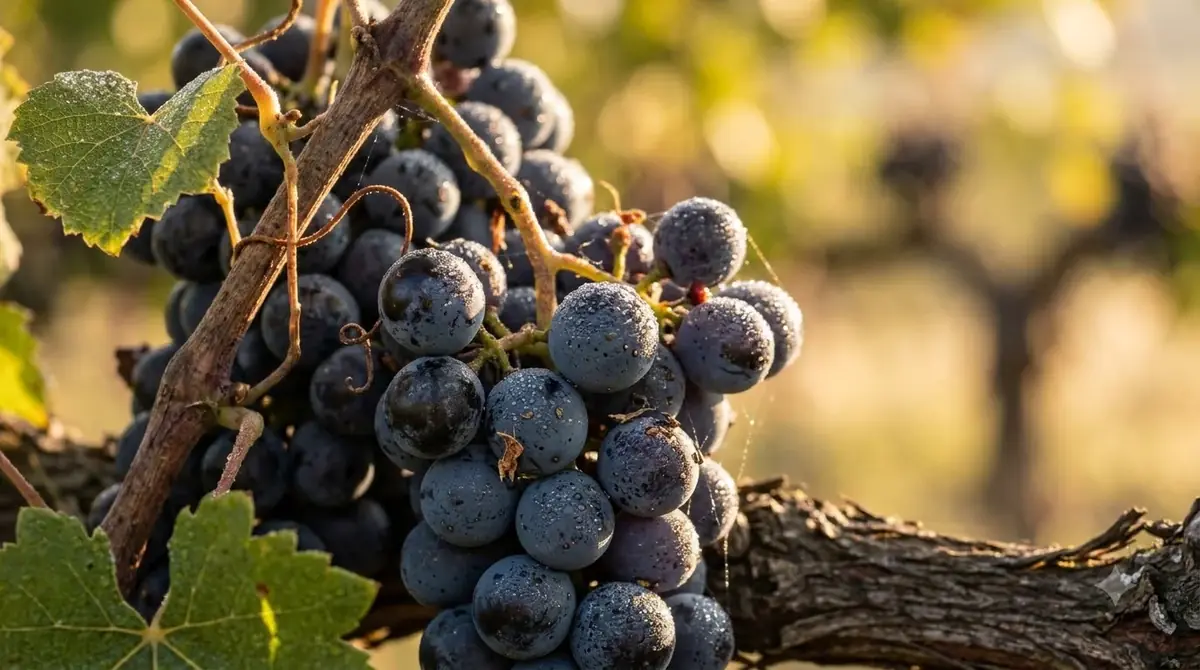
Tempranillo connects Texas producers with the Iberian wine tradition and responds well to warm, high-altitude growing conditions. Its flavors can range from fresh cherry and red berry to savory herbs and spice, depending on ripeness and oak. Tannat offers deeper color, firm tannin, and dark-fruit character; it can stand up to grilled beef and lamb. Grenache, Syrah, Mourvèdre, Carignan, Cinsault, and Counoise add Rhône-inspired possibilities, from fuller reds to chillable styles and rosé.
Italian varieties such as Sangiovese, Montepulciano, Aglianico, and Touriga Nacional are also part of the picture. They may bring tart cherry, plum, pepper, herbs, or assertive tannin. Producers also make Bordeaux-style blends, varietal Cabernet Sauvignon, and lighter reds. The diversity is a strength, but “Texas red” is not a reliable flavor description on its own. Read the grape and producer notes, then choose based on body, acidity, and tannin rather than the state name alone. For a snapshot of current styles, see Wine Enthusiast’s Texas wine selections.
Buying, Serving, and Pairing Texas Wine
Start with the occasion and the food, then use the grape and AVA to narrow the choice. Texas wines range from crisp seafood whites to deeply colored reds, so matching weight, acidity, tannin, and sweetness is more useful than choosing by region alone.
For seafood, try Picpoul Blanc or another high-acid white with oysters, shrimp, ceviche, or fried fish; acidic dishes need a wine with equal or higher acidity or the wine can taste flat. Viognier or a Marsanne-Roussanne blend may suit grilled fish, roast chicken, or dishes with cream and herbs, while dry rosé or light-bodied Cinsault can work with barbecue chicken and sausages. For smoked brisket, grilled steak, lamb, or charred mushrooms, consider Tempranillo, Syrah, Tannat, or a structured red blend: salt and fat soften tannin, helping firmer reds work with rich barbecue. Very spicy chili can make alcohol and tannin feel hotter, so choose a lower-tannin, moderate-alcohol wine. Sweet wines should be at least as sweet as the dessert.
Serve wine cool enough to preserve freshness, but not so cold that aromas disappear. A light white such as Picpoul is best around 45 to 50 degrees Fahrenheit; fuller whites work around 50 to 55 degrees. Light reds can be served at 55 to 60 degrees, while fuller reds are better around 60 to 65 degrees. These are starting points, and a warm room may call for a slightly cooler bottle.
| Wine style | Serving temperature | Pairing direction |
|---|---|---|
| Picpoul Blanc and other light whites | 45–50°F | Oysters, shrimp, fried fish |
| Fuller whites and textured blends | 50–55°F | Grilled fish, roast chicken |
| Light reds and chillable Cinsault | 55–60°F | Barbecue chicken, sausages |
| Full-bodied reds such as Tannat | 60–65°F | Brisket, steak, lamb |
| Sweet whites | 43–50°F | Fruit desserts and pastries |
A standard pour is 5 ounces, so a 750-milliliter bottle provides about five glasses. Young, full-bodied reds may benefit from 30 to 60 minutes in a decanter, especially with grilled meat. Store unopened bottles on their sides in a cool, dark place near 55 degrees Fahrenheit; once opened, keep still wines in the refrigerator and aim to finish them within three to five days. When buying, look beyond the front label: an AVA name gives a specific geographic claim, while a grape name tells you more about expected structure and flavor. A producer’s notes may explain whether the wine was fermented in stainless steel, aged in neutral oak, or blended from several varieties.
Tip: When comparing two bottles, taste them at the same temperature and with the same food. A chilled Picpoul beside oysters and a Tannat beside brisket will show more clearly what each wine does well than a random tasting without food.
Frequently Asked Questions
These quick answers add history and label context to the regional overview. They also place the modern Texas wine industry in a longer timeline.
Did Texas have vineyards before the modern wine industry?
The Texas Wine and Grape Growers Association traces an early vineyard near a Franciscan mission to about 1662. That colonial-era planting predates the modern commercial industry by centuries and is part of the state’s long, interrupted viticultural history.
When was the Texas High Plains AVA established?
The Texas High Plains AVA was established on March 2, 1993. Its designation followed work documenting the area’s climate, geology, and suitability for wine grapes, with Lubbock serving as the region’s central city.
Who helped start modern winegrowing in the Texas High Plains?
Texas Tech colleagues Clinton “Doc” McPherson and Bob Reed began cultivating Sangiovese in Lubbock in 1962, using a planting on Reed’s patio. They had grapes by 1966 and later helped establish Llano Estacado Winery in 1976, a key step in the region’s post-Prohibition wine revival.
Which Texas AVA was designated first?
Bell Mountain was designated in 1986, making it the first established AVA in Texas. It is a five-square-mile area north of Fredericksburg, within the larger Texas Hill Country AVA.
Is all Texas-grown wine produced inside an AVA?
No. The Texas Wine and Grape Growers Association notes that many vineyards sit outside the boundaries of the state’s eight AVAs. A wine can still be made from Texas-grown grapes without carrying one of those smaller geographic designations on its label.
The best way to understand Texas wine is to taste across its regions rather than expect one house style. Start with a High Plains white and a Hill Country red, compare the grape varieties, and let the label tell you where the fruit was grown.
More in Wine Regions
 Willcox Wine Trail: Discover Arizona’s High-Elevation Wine CountryUpdated Nov 20, 2026
 Yakima Valley Wine Region: Find the Best Styles to TryUpdated Nov 20, 2026
 Vosne Romanee Wine Tasting: Identify Aromas and Choose Better PairingsUpdated Nov 20, 2026
 Yakima Valley Wine Festival: Find the Best Seasonal Wine EventsUpdated Nov 20, 2026
 Wales Vineyards: Discover Cool-Climate Wines and Where to VisitUpdated Nov 20, 2026
 Yountville Wine Festival: Discover Napa Wines and Local FoodUpdated Nov 20, 2026