

We may earn a commission when you buy through links on this page, at no extra cost to you. Learn more.
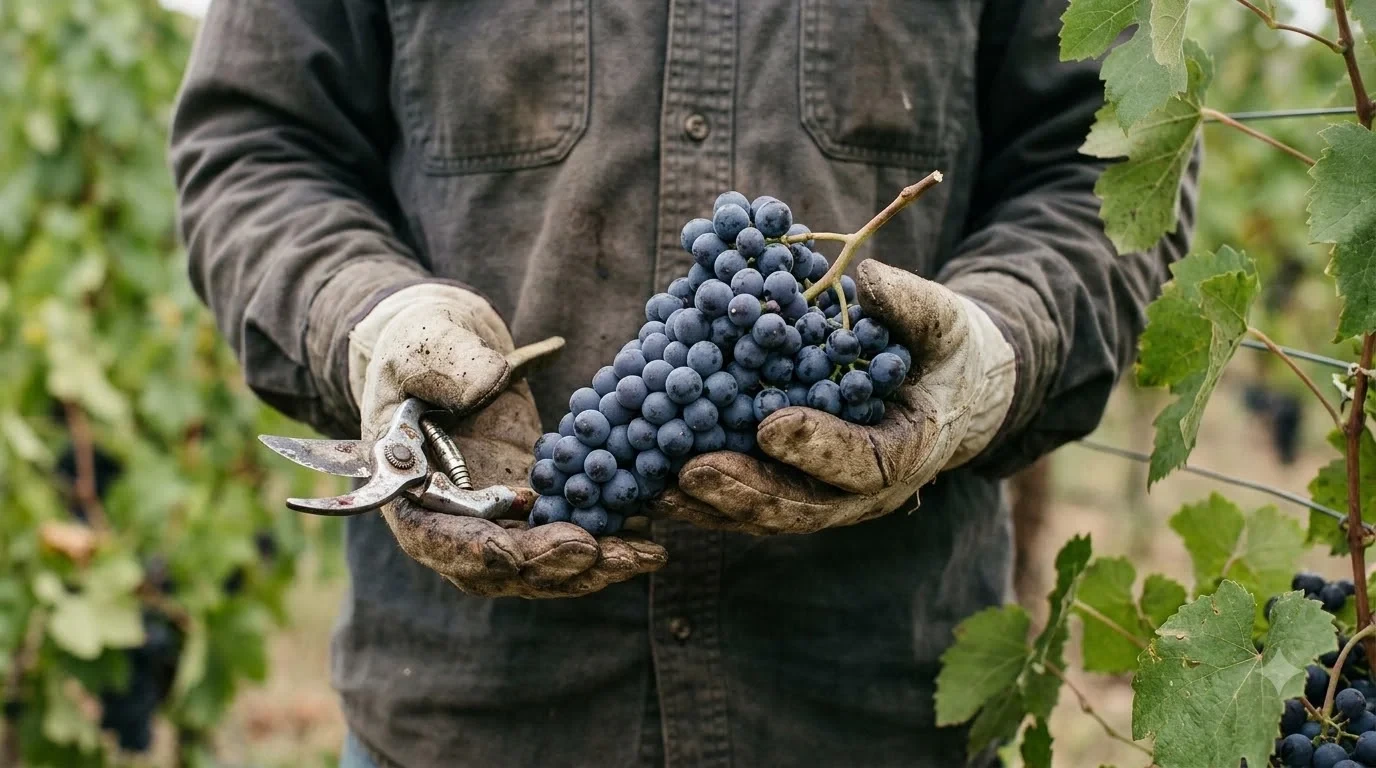
The cinsault grape is a red variety valued for its heat tolerance and its light, fruity style, and it is most often found in rosé from Provence and in blends from the south of France. Wine Folly describes the wines as fresh, fruity, and floral, with notes of raspberry, red currant, tart cherry, and violet. The grape is widely planted in hot, dry regions, and it appears in many countries, from South Africa to Lebanon and the United States.
Cinsault is one of those grapes that many wine drinkers have tasted without noticing. It rarely stars on its own label, but it shows up in the pale rosés of the French coast and in blends that need softness and aroma. This guide explains where the grape comes from, what its wines taste like, how to serve them, and what to look for on the bottle.
Where Cinsault Comes From and Where It Grows
Cinsault is an old variety, and its origins are not fully clear. Historical accounts suggest it may have developed in the Hérault region of France, or that traders may have carried it from the eastern Mediterranean. Its strongest identity is in France, especially in Languedoc-Roussillon and in Provence, where it is widely used for rosé.
The grape has spread far beyond France. In South Africa it is one parent of Pinotage, the crossing of Cinsault with Pinot Noir, and the variety was historically called “Hermitage” there. In North Africa, growers in Algeria, Morocco, and Tunisia value it for drought resistance. It is also an important component of Château Musar in Lebanon, and Chile has seen quality producers rediscover old vines in the Itata Valley.
In the United States, Cinsault is grown in California, Washington, and Texas, including the Texas High Plains. One of the oldest continuous Cinsaut vineyards is said to be the Bechtold vineyard in Lodi, California, planted in 1886. That long history is part of why the grape keeps showing up in warm places where other varieties struggle.
What Cinsault Tastes Like
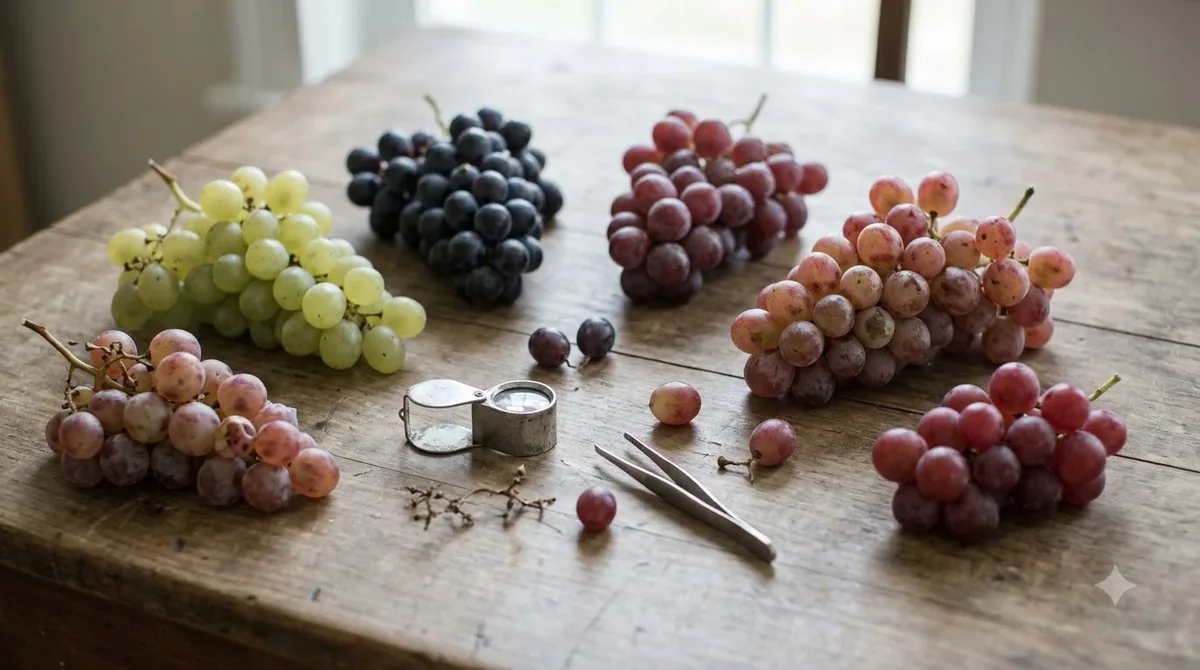
Wine Folly’s grape guide describes Cinsault as a fresh, fruity, and floral red. It lists raspberry, red currant, tart cherry, violet, and black tea as common aromas, and it notes a spicy and somewhat smoky edge in some examples. The wines are dry, with a medium-light body, low tannins, and medium acidity. The page gives an alcohol range of about 11.5 to 13.5 percent, which is lighter than many reds from the same region.
That light structure is the grape’s defining feature. Cinsault wines are easy to drink, and they tend to be more about perfume and freshness than about power. When the yields are controlled, the flavors become more concentrated, and the wine can show more depth. When yields are high, the wine can taste thin, which is one reason producers pay attention to vineyard management.
| Trait | What to expect |
|---|---|
| Body | Dry and medium-light |
| Tannin | Low |
| Acidity | Medium |
| Aromas | Raspberry, red currant, tart cherry, violet, black tea |
| Alcohol | Roughly 11.5 to 13.5 percent |
Cinsault in Blends and Rosé
Cinsault is most often a supporting grape. Wine Folly describes it as one of the minor grapes in Rhône blends and in Provençal rosés. In Rhône-style red blends, it is typically used alongside other varieties to add aroma and a soft texture rather than to carry the wine on its own.
In rosé, Cinsault gives a pale color, fresh red fruit, and a delicate finish. Many of the best-known Provençal pinks rely on it for that lightness. If you enjoy a dry rosé on a warm evening, there is a good chance Cinsault is one of the grapes in the glass, even if the label does not say so.
The grape also appears in South Africa, where winemakers have been experimenting with it in recent years. The Wikipedia article on Cinsault notes that some South African labels offer crunchy red-berry flavors at low alcohol levels, which shows how the grape can be shaped for a lighter, brighter style.
How to Serve Cinsault
Serving temperature suits a light red. Wine Folly recommends serving Cinsault at 60 to 68 degrees Fahrenheit (15 to 20 degrees Celsius), which keeps the fruit lively and the aromas clear. The same guide recommends an aroma-focused glass, so the perfume has room to show.
Decanting is optional for most bottles. Wine Folly suggests about 30 minutes of air for a Cinsault if you want to open it up, but most everyday examples are ready to pour straight from the bottle. Because the wine is low in tannin, it does not need the long breathing time that a bold Cabernet or Aglianico might.
Food Pairings for Cinsault
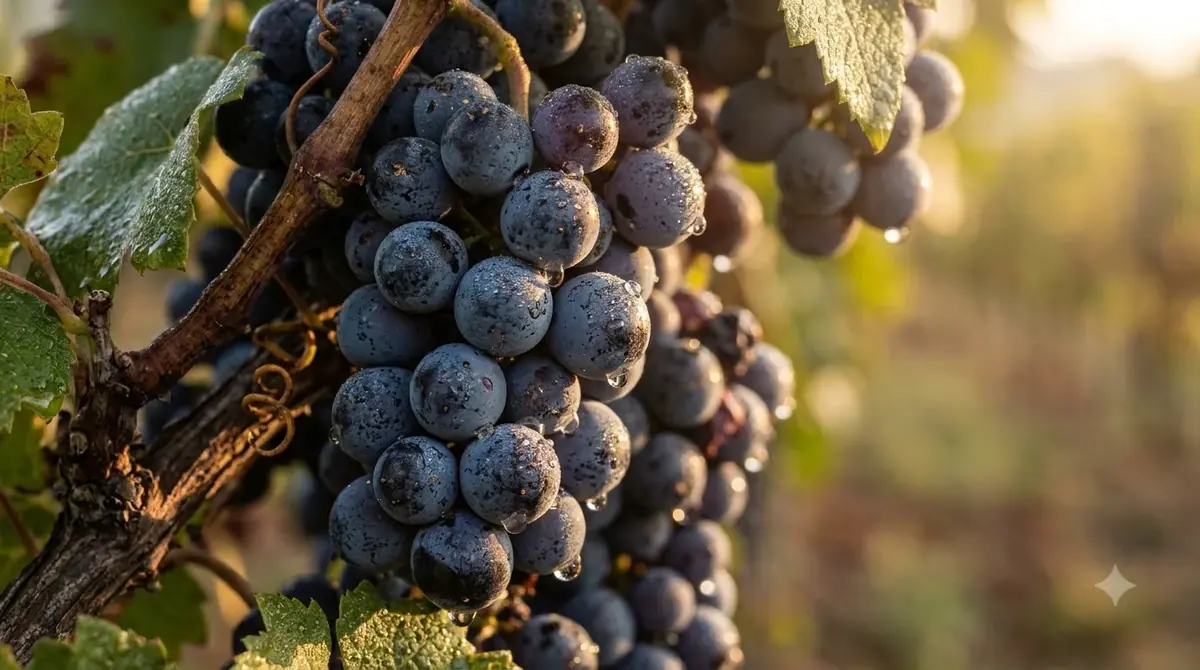
Cinsault’s softness and fruit make it flexible at the table. Wine Folly names escargot as the classic pairing, but it also suggests that a stew or boeuf bourguignon can work even better, because the grape’s spicy, fruity, and smoky character handles the richness of a braised dish. The wine’s freshness keeps the meal from feeling heavy.
For lighter meals, Cinsault suits grilled vegetables, roasted chicken, and charcuterie. A chilled rosé made from the grape is a natural match for seafood, salads, and summer dishes with herbs. Because the wine is easy to drink, it also works as a relaxed glass with food that does not need a major wine.
How to Choose a Cinsault Bottle
Cinsault often appears in blends, so the label may not say its name prominently. Look for the phrase “Rhône-style” or the names of the blend partners, and check whether the wine is a rosé or a red before you buy. A Provençal rosé that lists Cinsault on the back label is a good place to start if you want to taste the grape in its most typical form.
When you are comparing Cinsault with other light reds, consider how much fruit you want and how much structure. The grape is softer than many Italian or Spanish reds, so it is a good choice for a casual evening. For a broader look at how varieties differ, the Wine by Type section explains the main families, and pecorino grape shows another Italian variety with a distinct character. If you enjoy aromatic whites, assyrtiko grape offers a contrast in style, and catawba grape covers a different family of American varieties.
For grape-level details such as serving temperature and pairings, the Wine Folly Cinsault page is a clear reference, and it is worth reading alongside a bottle’s own tasting notes.
Frequently Asked Questions
Is Cinsault a white or red grape?
Cinsault is a red grape. It is used for light red wines, for blends, and for many dry rosés, especially in Provence.
Where is Cinsault grown the most?
It is especially important in France, including Languedoc-Roussillon and Provence. It is also grown in South Africa, North Africa, Lebanon, Chile, Australia, and the United States, including parts of California and Texas.
Does Cinsault taste like Pinot Noir?
They can share a light, fresh style, but Cinsault usually has more floral and spicy notes and is less delicate. The two grapes are related in a different way: Pinot Noir is one of the parents of Pinotage, which also includes Cinsault.
Should I decant a Cinsault?
Usually not. Most everyday bottles are ready to pour, though Wine Folly suggests about 30 minutes of air if you want to open the wine further.
Cinsault is a grape that rewards an open mind. Pour a rosé from Provence, then a light red from a blend, and notice how the same grape can show up in different ways. Its fresh red fruit and gentle structure make it a good companion for many meals.
More in Wine Types & Grapes
 Zinfandel Sugar Content: Dry Red vs. White Zinfandel GramsUpdated Nov 21, 2026
 Best Zinfandel Substitute Options for Sipping and CookingUpdated Nov 21, 2026
 Zweigelt Food Pairing: Best Dishes, Cheeses, and Serving TipsUpdated Nov 21, 2026
 Zinfandel Tannins Explained: How Structure Shapes Every BottleUpdated Nov 21, 2026
 Zinfandel Sweetness Level: Dry Red vs. Sweet White Zin ExplainedUpdated Nov 21, 2026
 Xinomavro Food Pairing: Best Dishes, Styles, and Serving TipsUpdated Nov 21, 2026