

We may earn a commission when you buy through links on this page, at no extra cost to you. Learn more.
Gaja wine price typically ranges from around $60 to nearly $1,000 per 750 ml bottle in the US, depending on the wine, vineyard, and vintage. The standard Barbaresco is one of the estate’s best-known purchases, while single-vineyard bottlings such as Costa Russi, Sorì Tildìn, and Sorì San Lorenzo occupy a considerably higher price tier. Less expensive options, including Sito Moresco and Barolo Dagromis, provide ways to explore the producer without starting with a prestigious Barbaresco cru.
Gaja is among the most recognizable names in Italian fine wine, and its reputation has a direct effect on what buyers pay. Its wines come from several important Italian growing areas, but the estate’s Piedmont Nebbiolo bottlings attract particular attention from collectors and serious wine drinkers. Understanding the differences between the estate blend, individual vineyard wines, and other labels makes it easier to decide whether a particular bottle justifies its asking price. This guide examines American retail price ranges, explains what drives those differences, and provides practical advice for buying Gaja with confidence.
Who Should Buy Gaja Wine?
Gaja is a good choice for buyers who appreciate structured Italian wines, distinctive vineyard character, and producers with a long history in Piedmont. The range includes accessible introductions as well as collectible bottles, so shoppers do not need to begin with the most expensive Barbaresco to experience the producer’s approach.

The estate was founded in 1859 in Barbaresco, a village in the Langhe area of Piedmont. Angelo Gaja took over the family business in 1961 and helped establish Barbaresco as an internationally respected source of premium Nebbiolo. His emphasis on vineyard expression, careful cellar practices, and individual vineyard bottlings contributed to the estate’s reputation.
Buyers interested in traditional Italian red wine should pay particular attention to the Piedmont range. Nebbiolo is known for its high acidity, substantial tannin, and aromas that can develop from fresh red fruit into dried flowers, herbs, earth, and savory notes with bottle age. These characteristics make the wines particularly suitable for drinkers who enjoy structured reds rather than soft, immediately approachable styles.
Gaja also makes wines outside its most famous Barbaresco and Barolo categories. Its wider portfolio includes wines from Tuscany and other parts of Italy, which gives shoppers more options across grape varieties and wine styles. Someone seeking a polished Tuscan red or a white wine from Piedmont may find an appealing alternative without purchasing one of the estate’s most expensive Nebbiolo bottlings.
Collectors may be drawn to single-vineyard wines because their individual vineyard identities, limited availability, and vintage differences create additional interest. However, buying a prestigious label makes the most sense when the bottle will be stored properly and opened for an appropriate occasion. A less expensive Gaja wine can be a more sensible purchase for someone primarily interested in drinking rather than collecting.
Before choosing, consider the intended occasion. A bottle for a special anniversary dinner may justify a larger budget, while a dinner with friends might call for a more accessible selection. The right choice depends on the style, drinking window, and personal preference, not simply the prestige of the label.
Key Factors That Determine Gaja Wine Price
The largest differences in Gaja pricing come from vineyard designation, appellation, vintage, availability, and bottle condition. A standard estate Barbaresco and a single-vineyard Barbaresco may share the same principal grape variety, but they occupy different positions in the producer’s portfolio.
US retail listings provide a useful starting point, although different databases do not always track identical vintages or retailers. WinesRate displays Gaja Barbaresco listings around $349 to $359, Barolo Dagromis around $119 to $135, and Sito Moresco around $60 in its last recorded listing. Its displayed single-vineyard offers extend considerably higher, with Costa Russi around $449 to $598, Sorì Tildìn around $525 to $775, and Sorì San Lorenzo around $600 to $1,000. These are observed listing bands rather than guaranteed transaction prices. WinesRate’s Gaja price listings provide a useful comparison across its displayed wines.
For a separate vintage-specific reference, Caveau reports a US retail range of approximately $327 to $460 for 750 ml bottles of Gaja Barbaresco across its tracked 2017, 2018, and 2020 vintages. Its observed range for the 2020 bottle is approximately $305 to $350. The differences between these sources illustrate why shoppers should compare the same vintage and bottle format rather than relying on one broad producer average. Prices vary by state and retailer.
| Gaja wine or category | Approximate US retail range | What affects the price |
|---|---|---|
| Sito Moresco | About $60-$80 | Entry-level availability and vintage |
| Barolo Dagromis | About $120-$135 | Vintage and retailer inventory |
| Standard Barbaresco | About $305-$460 | Vintage, shop listings, and availability |
| Costa Russi | About $449-$600 | Single-vineyard designation and vintage |
| Sorì Tildìn | About $525-$775 | Vineyard reputation and vintage |
| Sorì San Lorenzo | About $600-$1,000 | Scarcity, vintage, and retailer listings |
The table summarizes observed US retail listings reported by WinesRate and Caveau, not fixed winery prices or guaranteed offers. The figures are approximate comparison bands, and the two sources may track different vintages and bottle availability. Prices vary by state and retailer, and older bottles may carry additional premiums based on provenance and condition.
Vineyard designation is one of the most important considerations. The estate’s standard Barbaresco combines fruit from vineyards across Barbaresco and Treiso, whereas Costa Russi, Sorì Tildìn, and Sorì San Lorenzo each represent a specific vineyard. Single-vineyard wines generally attract more attention because they offer a more focused expression of a particular site.
Vintage also matters. Growing-season weather affects ripeness, acidity, tannin, and the overall character of Nebbiolo. A highly regarded vintage may attract stronger demand, while an older vintage may command more money because fewer bottles remain available. Neither factor automatically makes an individual bottle a better purchase for every drinker.
Finally, condition can be just as important as the label. An older bottle with uncertain storage history may be a less attractive purchase than a younger bottle from a reputable retailer. Fill level, capsule condition, label condition, provenance, and the seller’s storage practices deserve attention whenever the purchase involves substantial money.
Step-by-Step: How to Choose a Gaja Bottle
A sensible purchase begins with the budget and intended drinking occasion. Compare the exact wine and vintage before looking at the producer’s most famous labels, and pay attention to how the bottle has been stored.
- Set a realistic budget. Decide how much you are comfortable spending before browsing. A bottle of Sito Moresco or Dagromis may suit a more moderate budget, while standard Barbaresco and the single-vineyard bottlings require substantially more money.
- Choose the wine category. Decide whether you want Nebbiolo from Barbaresco, Nebbiolo from Barolo, or a wine from another part of the estate’s portfolio. The category helps narrow the selection before vintage comparisons begin.
- Identify the exact vineyard or label. Look for the complete wine name rather than relying on the Gaja name alone. Costa Russi, Sorì Tildìn, and Sorì San Lorenzo are distinct wines, not interchangeable versions of a generic Barbaresco.
- Compare the same vintage across retailers. Check several established US merchants for the same bottle size and vintage. Comparing a 2020 bottle with a 2017 bottle can give a misleading impression of which retailer offers better value.
- Examine the bottle’s condition. For older vintages, ask about storage temperature, provenance, fill level, capsule condition, and whether the bottle has been stored in a professional cellar.
- Consider the drinking window. Young Nebbiolo can be firm and tannic. Decide whether you want to open the wine soon or keep it in appropriate storage for further development.
- Buy from a reputable seller. Choose a merchant that provides clear bottle descriptions, transparent shipping practices, and a reasonable policy for damaged or incorrectly described wine.
One practical point deserves special attention: the vintage on the front label is not a minor detail. Gaja’s wines can differ considerably between growing seasons, and the price of a particular bottle often reflects both its vintage reputation and the amount of stock still available.
Tip: When comparing two Gaja bottles, match the producer, wine name, vintage, and bottle size first. A 750 ml standard Barbaresco should not be compared directly with a magnum or a single-vineyard bottling. For older vintages, ask the seller for storage and provenance information before paying a collector-level premium.
Buyers can also compare the producer’s broader range through our Gaja wine overview. It is useful for understanding how the estate’s different labels fit together before committing to a particular bottle.
Gaja Wine Types and Styles Explained
Gaja’s range includes estate-blended Barbaresco, single-vineyard Barbarescos, Barolo, and wines from other Italian regions. Understanding the distinctions helps explain why two bottles bearing the same producer name can have very different prices and drinking characteristics.
Standard Gaja Barbaresco
The estate Barbaresco is a natural starting point for buyers interested in Gaja’s signature Nebbiolo style. Its fruit comes from vineyards in Barbaresco and Treiso, creating a broader expression than the individual vineyard bottlings. It is a significant wine in its own right, rather than simply a lesser version of the more expensive crus.
Its combination of acidity, tannin, and aromatic complexity makes it a strong partner for food. Roasted beef, braised short ribs, mushroom dishes, and aged hard cheeses are useful pairing options. For buyers who want a recognizable Gaja bottle without immediately moving into the most expensive single-vineyard category, this is an important label to consider.
Costa Russi, Sorì Tildìn, and Sorì San Lorenzo
These three wines represent Gaja’s best-known single-vineyard Barbaresco bottlings. Their individual vineyard origins distinguish them from the estate blend, and their reputation has helped establish them as sought-after wines among collectors and experienced Nebbiolo drinkers.
Amsterdam Vintage Wine identifies the three vineyard sites as south- or southwest-facing locations at approximately 230 to 260 meters in elevation. The producer’s decision to bottle these sites separately helped emphasize vineyard identity in a region where blending had traditionally played an important role.
Their higher retail prices make sense within that context, although a high asking price does not guarantee that an individual vintage will match every buyer’s taste. Those considering the wines should compare vintage character and condition as carefully as the vineyard name.
Gaja Barolo: Sperss and Conteisa
Gaja also produces important wines from Barolo. Sperss comes from Serralunga d’Alba, while Conteisa comes from La Morra. These wines offer a different expression of Nebbiolo from the estate’s Barbaresco bottlings, with their own vineyard origins and regional identities.
Sperss is particularly interesting for buyers who want to explore Gaja’s Barolo production. Its vineyard site sits at approximately 370 meters, with a south-southwest exposure. Conteisa adds another perspective through its origins in La Morra. Comparing the two can help buyers understand the diversity within Barolo itself.
Dagromis and Other More Accessible Bottlings
Barolo Dagromis offers another route into the producer’s Piedmont portfolio. It is worth considering for someone who wants a Gaja Barolo but does not necessarily want to begin with Sperss or Conteisa. The price difference between these labels can be substantial, making the exact wine name particularly important when shopping.
Sito Moresco is another label to consider. It offers an alternative to the estate’s most prestigious Nebbiolo bottlings and is useful for shoppers who want to explore a different style. Gaja’s wider portfolio also includes wines from Tuscany and white wines from Piedmont, giving the brand a broader identity than its famous Barbaresco labels alone.
For a closer look at the red-wine selection, our Gaja red wine overview provides another useful starting point. Buyers specifically interested in the flagship appellation can also compare the labels in our Gaja Barbaresco article.
Common Mistakes When Buying Gaja
The most common buying mistakes involve treating every Gaja wine as equivalent, overlooking vintage differences, and paying a premium without checking bottle condition. A little research before ordering can prevent an expensive mismatch.
Assuming the most expensive bottle is always the best choice: A single-vineyard Barbaresco may be more prestigious, but the standard Barbaresco can be more appropriate for a buyer who wants to experience the producer’s style without paying for additional rarity. The right choice depends on what the buyer values.
Confusing Barbaresco with Barolo: Both appellations are closely associated with Nebbiolo, but they are not identical. Gaja’s Barbaresco and Barolo wines originate from different places and vineyard sites. Their names communicate important information about where the grapes were grown.
Ignoring older label classifications: Gaja’s history includes an unusual period between 1996 and 2012. During that time, several famous single-vineyard wines were labelled Langhe Nebbiolo instead of Barbaresco or Barolo because of the estate’s decision to incorporate a small proportion of Barbera. The wines returned to their respective appellations beginning with the 2013 vintage.
This history is particularly important when buying older bottles. A Langhe Nebbiolo label from that period does not necessarily indicate an unrelated or lower-quality wine. Buyers should identify the vineyard and vintage rather than judging the bottle exclusively by the appellation printed on the front.
Comparing different vintages as if they were identical: A price difference may reflect vintage quality, bottle age, remaining inventory, or seller expectations. Comparing the same wine and vintage provides a much clearer picture of the retail market.
Buying from an unknown seller: Expensive wines can be attractive targets for counterfeiters and misrepresentation. Look for clear photographs, reliable merchant information, consistent label details, and a documented storage history. A suspiciously low asking price deserves additional scrutiny rather than an automatic purchase.
Forgetting the drinking occasion: A young, structured Nebbiolo may not be the ideal bottle for someone seeking a soft red to drink immediately. Consider the food, serving conditions, and expected maturity of the wine before deciding which label to buy.
Care, Storage, and Serving Tips
Proper storage protects the qualities that make premium Gaja wines appealing. Stable temperatures, suitable humidity, darkness, and minimal movement are particularly important for bottles intended to age over several years.
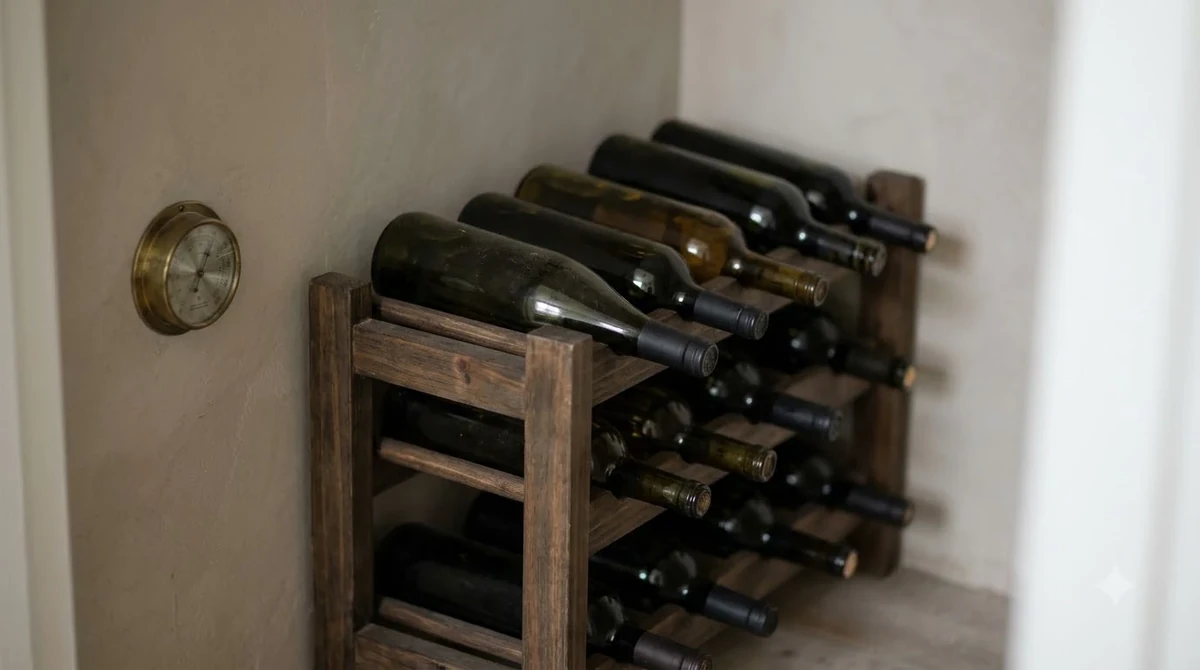
Store cork-finished bottles on their sides in a dark location near 55 F. Avoid placing valuable wine near radiators, kitchen appliances, windows, or other areas where temperatures fluctuate. Repeated exposure to heat can damage the wine, and direct sunlight can accelerate unwanted changes.
Older bottles deserve especially careful handling. Keep them in their existing storage environment for as long as practical before opening, and avoid unnecessary movement immediately before serving. If the bottle has been transported, allowing it to rest can help any disturbed sediment settle.
Serving temperature affects the balance between aroma, acidity, alcohol, and tannin. For Gaja’s full-bodied Nebbiolo reds, approximately 60 to 65 F is a useful serving range. Serving a structured red too warm can make its alcohol feel more prominent, while serving it too cold can make its tannins seem harder.
Young full-bodied reds can benefit from 30 to 60 minutes of decanting. This allows the wine to meet oxygen and can make its aromas more expressive. Older bottles require more caution because prolonged aeration may reduce delicate aromas. Pour slowly and watch for sediment, especially with mature Nebbiolo.
Food pairing is another part of getting the most from a bottle. Gaja Barbaresco and Barolo work particularly well with roasted meats, braised beef, lamb, mushroom risotto, and aged cheeses. The wine’s acidity helps balance rich dishes, while protein and fat soften the perception of tannin.
A standard 750 ml bottle provides approximately five servings when each pour is 5 oz. For a special dinner, consider the number of guests and the other wines being served before deciding how many bottles to purchase. After opening, keep unfinished still wine refrigerated and aim to drink it within three to five days for the best overall quality.
Storage and serving cannot transform a poorly stored bottle into a great one, but good handling helps preserve the qualities already present. That matters especially with premium wines whose value depends on both the original vintage and the condition of the individual bottle.
Frequently Asked Questions
Is Gaja considered a luxury wine producer?
Yes. Gaja is widely recognized as a prestigious Italian producer, particularly for its Barbaresco and Barolo wines. Its reputation is closely associated with Angelo Gaja’s influence on modern Piedmont winemaking and the estate’s focus on individual vineyard bottlings.
What does the name Sorì mean on a Gaja wine label?
Sorì is a Piedmontese term associated with a sunny, south-facing vineyard slope. The name reflects the local importance of vineyard exposure in determining growing conditions. Sorì San Lorenzo and Sorì Tildìn are two of Gaja’s famous single-vineyard wines carrying this designation.
Can Gaja wines be purchased in magnum bottles?
Yes. Gaja Barbaresco and other prestigious labels can appear in larger formats such as magnums. A 1.5-liter magnum holds twice the wine of a standard 750 ml bottle, and its price should be evaluated separately because availability and collector demand can differ substantially.
Why do some older Gaja bottles say Langhe Nebbiolo?
Some famous single-vineyard wines carried the Langhe Nebbiolo designation from 1996 through 2012 after Gaja chose to incorporate a small amount of Barbera. The estate returned those wines to their respective appellations starting with the 2013 vintage. The older classification is part of the producer’s winemaking history rather than evidence that the bottle is necessarily an imitation.
Does Gaja produce white wine as well as red wine?
Yes. The portfolio includes white wines such as Gaia & Rey, Rossj-Bass, and Alteni di Brassica. These wines offer alternatives for people who want to explore the estate beyond its better-known Nebbiolo reds, and their grape varieties and regional origins differ from the Barbaresco and Barolo selections.
Gaja offers more than one route into premium Italian wine, from accessible labels such as Sito Moresco and Dagromis to the highly sought-after single-vineyard Barbarescos. Compare the exact wine, vintage, retailer, and bottle condition before purchasing, rather than relying on the producer’s reputation alone. With those details in mind, it becomes easier to choose a Gaja bottle that suits both your budget and the occasion.
More in Wine Brands
 Underwood Wine Price: Compare Bottles, Cans, and Pack SizesUpdated Nov 21, 2026
 Zenato Wine Price: Compare Styles and Choose the Right BottleUpdated Nov 21, 2026
 Zuccardi Wine Price: Compare Bottles and Find the Right RangeUpdated Nov 21, 2026
 Yellow Tail Moscato Review: Taste, Sweetness and Serving TipsUpdated Nov 21, 2026
 Wolf Blass Yellow Label Review: Choose Your Best StyleUpdated Nov 21, 2026
 Wolffer Estate Rose Review: Choose the Right Bottle for Your TableUpdated Nov 21, 2026