


We may earn a commission when you buy through links on this page, at no extra cost to you. Learn more.
Freixenet wine price typically falls around $10 to $20 for many standard 750 ml sparkling wine bottles in the United States, depending on the variety, retailer, and location. Cordon Negro Cava is a familiar entry point, while Freixenet Prosecco and other sparkling selections offer alternatives for different preferences. Comparing the wine style, sweetness, bottle size, and retailer pricing helps identify which bottle offers the right balance of quality and value.
Freixenet is a recognizable name in sparkling wine, particularly for its Spanish Cava and Italian Prosecco. Its range includes crisp Brut styles, softer Extra Dry expressions, and sweeter sparkling options. Although the black Cordon Negro bottle is often the first product shoppers encounter, it is not the only Freixenet wine worth considering. The following guide explains typical US retail price ranges, what influences the cost, and how to choose a bottle for everyday occasions, dinner parties, or celebrations.
Who Should Buy Freixenet Wine?
Freixenet is worth considering for shoppers who want accessible sparkling wine with recognizable regional styles and several sweetness options. Its Cava and Prosecco selections provide different approaches to sparkling wine without requiring buyers to move into premium Champagne pricing.

For everyday entertaining, Freixenet Cordon Negro is a practical starting point. The wine comes from Spain’s D.O. Cava appellation and uses three traditional Penedès grapes: Parellada, Macabeo, and Xarel·lo. According to Freixenet, the wine undergoes nine months of aging and has an alcohol content of 11.5%. These details make it a recognizable example of traditional Spanish sparkling wine.
Buyers who prefer Italian sparkling wine can consider Freixenet Prosecco instead. Its producer identifies Glera as the grape variety and Veneto as its regional origin. The wine carries DOC Prosecco designation and has 11% ABV. This distinction matters because Cava and Prosecco are different regional products with different production traditions, even though both are popular choices for celebrations.
Freixenet can also suit shoppers who are still deciding how much sweetness they prefer. Brut is generally a better choice for people who enjoy crisp, dry sparkling wine, whereas Extra Dry has a noticeably softer impression. Those who prefer sweeter wine can look at sweeter Cava expressions rather than assuming every sparkling bottle from the brand tastes alike.
The brand is particularly relevant for several types of buyers:
- Casual sparkling wine drinkers: Cordon Negro offers a familiar Spanish Cava style for informal gatherings.
- Prosecco enthusiasts: The Italian Glera-based selection provides a different regional expression.
- Party hosts: Standard 750 ml bottles provide approximately five traditional 5 oz pours.
- Sweetness-conscious shoppers: Brut, Extra Dry, Seco, and sweeter expressions offer different levels of perceived sweetness.
- Food-focused buyers: Sparkling acidity works well with fried foods, seafood, appetizers, and salty snacks.
Freixenet may be less suitable for someone specifically seeking vintage Champagne, an extended-aged prestige sparkling wine, or a particularly complex bottle for long-term cellaring. Those shoppers should compare traditional-method wines from other producers rather than treating every sparkling wine as interchangeable. For a broader overview of the producer and its different offerings, see this guide to Freixenet wine.
Key Factors That Determine Freixenet Wine Price
The biggest differences in Freixenet wine price come from the sparkling wine category, production origin, sweetness, bottle format, and retailer. A standard Cava, an Italian Prosecco, and a more specialized sparkling selection should not automatically be expected to occupy the same retail price bracket.
For a practical US shopping comparison, many mainstream Freixenet 750 ml bottles fall around $10 to $20. This is an approximate retail range rather than a fixed brand-wide price. For example, Total Wine’s Cordon Negro Extra Dry listing provides a retailer-specific reference point, with a standard 750 ml bottle and a product description identifying peach, melon, and candied citrus characteristics. Retailer listings also explain that prices and availability can vary by store. Prices vary by state and retailer.
The following table provides useful budgeting categories. The ranges are planning estimates for common US retail purchases, not guaranteed prices for every Freixenet product or store.
| Wine category | Typical US retail range | What influences the cost | Best shopping consideration |
|---|---|---|---|
| Cordon Negro Brut, 750 ml | About $10–$16 | Retailer, location, and availability | Dry Spanish sparkling wine |
| Cordon Negro Extra Dry, 750 ml | About $10–$16 | Retailer and bottle availability | Softer sweetness impression |
| Carta Nevada, 750 ml | About $10–$18 | Local distribution and style | Alternative Spanish Cava |
| Freixenet Prosecco, 750 ml | About $12–$20 | Italian origin and retailer assortment | Glera-based Italian sparkling wine |
| Other specialty sparkling selections | About $15–$30 or more | Product category and production positioning | Compare the individual wine rather than the brand name alone |
These estimated ranges are not a substitute for checking a retailer’s current listing. As a concrete reference, Total Wine lists Cordon Negro Extra Dry in a standard 750 ml format, while its product description identifies peach, melon, and candied citrus characteristics. Retailer listings also explain that prices and availability can vary by store. Prices vary by state and retailer.
Several factors deserve attention before choosing a bottle:
1. Wine category and origin
Cava comes from Spain, while Prosecco comes from Italy. Freixenet’s Cordon Negro is a Spanish Cava made with traditional regional grapes. Its Prosecco uses Glera from Veneto. Production region and wine category influence the character of the bottle and the pricing expectations shoppers should have.
2. Sweetness designation
Brut is drier than Extra Dry in the sparkling wine classification system. This can be confusing because Extra Dry sounds drier than Brut in ordinary conversation. The actual terminology follows a defined sweetness progression, so buyers should pay attention to the designation instead of relying on the English meaning of the words.
3. Bottle size
A 750 ml bottle provides approximately five standard 5 oz glasses. Smaller bottles can be convenient for individual servings, while larger bottles may be more practical for celebrations. Comparing the cost per milliliter can help determine whether a different format makes financial sense.
4. Retailer and local availability
Large retailers, independent wine shops, and local liquor stores may carry different selections. One store may stock Cordon Negro Brut and Extra Dry but not Carta Nevada or Prosecco. Comparing equivalent bottle sizes is essential because a lower shelf price does not necessarily represent better value if the bottle is substantially smaller.
Step-by-Step: How to Compare Freixenet Wine Before Buying
A sensible buying process starts with the occasion and preferred sweetness, then moves to bottle size and retailer comparison. Following these steps makes it easier to avoid paying for a style that does not match the intended meal or gathering.
-
Decide what kind of sparkling wine you want.
Start by choosing between Spanish Cava and Italian Prosecco. Cordon Negro is a useful choice for shoppers interested in Spanish sparkling wine, while Freixenet Prosecco is appropriate for someone who prefers the Italian Glera-based style.
-
Choose the sweetness level.
Look for Brut if you prefer a dry, crisp profile. Choose Extra Dry if you want a softer impression with more noticeable fruitiness. For a sweeter preference, explore Seco, Semi-Seco, or other sweeter selections where available.
-
Set a realistic spending range.
Use approximately $10 to $20 as a starting budget for many standard Freixenet bottles. Specialty selections may cost more, so avoid assuming that every bottle carrying the brand name belongs in the same category.
-
Compare identical bottle sizes.
Compare 750 ml bottles with other 750 ml bottles. If one retailer offers a smaller format, calculate the equivalent cost per 750 ml before deciding which listing represents better value.
-
Consider the food pairing.
Brut Cava is particularly useful with fried foods, seafood appetizers, and salty snacks. Prosecco can work with tomato bruschetta, ceviche, and salmon with avocado.
-
Check retailer availability and final pricing.
Look at nearby wine retailers and established online store listings. Confirm that the selected bottle is available in the appropriate size and that the final checkout amount reflects applicable taxes and delivery charges.
-
Plan the serving temperature.
Freixenet recommends serving its Cordon Negro and Prosecco at 6–8°C. Chilling the bottle before opening helps preserve freshness and makes the wine more enjoyable at the table.
Tip: If you are buying Freixenet for a mixed group, choose a dry Brut Cava as the main sparkling wine and consider an Extra Dry bottle for guests who prefer a softer, fruitier impression. This provides two different sweetness experiences without buying several bottles of nearly identical wine.
For a gathering of ten people, two standard 750 ml bottles provide approximately ten 5 oz glasses. If sparkling wine is only one part of the drinks selection, that may be sufficient; if it is the main drink throughout the event, additional bottles may be necessary.
Freixenet Wine Types and Styles Explained
Freixenet offers several sparkling wine styles, and understanding the difference between them is more useful than choosing by bottle color alone. Cava and Prosecco have different regional identities, while Brut and Extra Dry describe sweetness classifications rather than grape varieties.
Cordon Negro Brut Cava
Cordon Negro Brut is one of the most recognizable Freixenet selections. According to the producer, it uses Parellada, Macabeo, and Xarel·lo, with nine months of aging and 11.5% ABV. Its Brut dosage is listed at 9 grams per liter.
The dry style makes it suitable for appetizers, fried chicken, fish and chips, and salty party snacks. Its acidity provides a useful contrast to rich or oily foods, while the bubbles help refresh the palate between bites.
For someone who wants a versatile bottle for a dinner gathering, Brut is a sensible first choice. It is also an appropriate starting point for shoppers who are unfamiliar with sparkling wine sweetness classifications.
Cordon Negro Extra Dry
Extra Dry offers a softer sweetness impression than Brut. Freixenet lists its Cordon Negro Extra Dry at 15 g/l dosage and 11.5% ABV. The wine also shares the three traditional Cava grapes used in the Brut expression.
The producer describes its profile through fresh fruit, citrus, and subtle sweet-fruit notes. Total Wine’s product description additionally mentions peach, melon, and candied citrus. This makes Extra Dry an interesting option for drinkers who find very dry sparkling wine too austere.
It can accompany mildly spicy Mexican dishes, lentil stews, and vegetable-based meals. However, very hot chili dishes may make the alcohol and perceived acidity more noticeable, so a moderately spiced meal is a safer pairing.
Carta Nevada
Carta Nevada is another Spanish Cava selection made from Parellada, Macabeo, and Xarel·lo. Freixenet lists nine months of aging and 11.5% ABV for its product.
The range includes several sweetness options, including Brut, Seco, Semi-Seco, and Dulce. That selection makes Carta Nevada relevant for buyers who want to explore different sweetness levels within the same broad Spanish sparkling wine category.
It also offers flexibility for food matching. The producer suggests pairings with spicy Mexican food, vegetable stews, and roast turkey with sweet accents. Shoppers interested in this category can explore the dedicated Freixenet white wine overview for additional context.
Freixenet Prosecco
Freixenet Prosecco is an Italian sparkling wine made with Glera grapes from Veneto. Its DOC designation distinguishes it from the producer’s Spanish Cava selections.
Freixenet lists the Prosecco at 11% ABV and 17 g/l dosage. Its recommended serving temperature is 6–8°C. The producer suggests pairing it with tomato and basil bruschetta, fresh ceviche, and salmon and avocado tartare.
Prosecco is a useful choice for aperitifs and lighter appetizers. Buyers who specifically want Italian sparkling wine should compare it with other DOC Prosecco options rather than treating it as a direct substitute for every Cava expression.
Understanding sparkling wine sweetness
For shoppers comparing labels, the standard sweetness order from driest to sweetest is:
- Brut Nature: Very dry, with little or no added dosage.
- Extra Brut: Very dry, but slightly more flexible in sweetness.
- Brut: Dry and generally a versatile food-pairing choice.
- Extra Dry: Slightly sweeter than Brut.
- Dry: Sweeter than Extra Dry.
- Demi-Sec: Noticeably sweet.
- Doux: Very sweet.
This classification is important because the word Extra Dry can mislead first-time sparkling wine shoppers. It is not drier than Brut under the established sparkling wine terminology.
Common Mistakes When Comparing Freixenet Prices
The most common shopping mistakes involve comparing different sparkling wine categories, misunderstanding sweetness labels, and overlooking bottle sizes. A little attention to the product description can prevent an inexpensive-looking bottle from becoming the wrong purchase.
Assuming Cava and Prosecco are interchangeable
Both are sparkling wines, but they come from different regions and use different grapes. Freixenet Cordon Negro uses three traditional Spanish varieties, whereas its Prosecco uses Glera from Veneto.
The difference affects more than the label. Buyers may prefer the character of one category over the other, and the food pairing can also influence the decision. A seafood appetizer menu might work well with either, but a shopper seeking a Spanish Cava specifically should not select Prosecco simply because the bottle appears similarly priced.
Thinking Extra Dry is drier than Brut
This is a frequent misunderstanding. Brut has less residual sugar than Extra Dry under the standard sparkling wine classification. A shopper seeking the driest option among these two should generally choose Brut.
Freixenet’s published dosage figures illustrate the distinction. Cordon Negro Brut is listed at 9 g/l, while its Extra Dry counterpart is listed at 15 g/l. The difference helps explain why the latter can taste rounder and fruitier.
Comparing different bottle formats
A 187 ml bottle, a 375 ml half bottle, and a 750 ml standard bottle do not provide the same amount of wine. Even when a smaller bottle has a lower total price, the cost per milliliter may be considerably higher.
Use the following basic comparison:
- 187 ml: approximately 1.25 standard 5 oz servings.
- 375 ml: approximately 2.5 standard 5 oz servings.
- 750 ml: approximately 5 standard 5 oz servings.
- 1.5 liters: approximately 10 standard 5 oz servings.
These are approximate serving calculations. Actual pours may differ depending on the glassware and how much wine is served at each occasion.
Choosing based on bottle appearance alone
Freixenet’s black Cordon Negro bottle is visually distinctive, but packaging should not replace the product description. Brut and Extra Dry are different expressions, and a shopper should establish which version is inside the bottle before purchasing.
Expecting every retailer to carry the full range
Retailer inventory varies considerably. A supermarket might carry Cordon Negro Brut and Extra Dry but have no Carta Nevada or Freixenet Prosecco. A specialist wine store may have a wider selection.
Buyers looking for a particular sweetness level or wine category should compare product names and descriptions rather than relying exclusively on the brand name. This is particularly useful when shopping online, where several Freixenet listings can appear together.
Ignoring food and occasion
A dry Cava can be excellent with salty appetizers, fried foods, and seafood, but it may not be the best match for a very sweet dessert. Wine should generally be at least as sweet as the dessert it accompanies.
Similarly, acidic food generally needs wine with equal or higher acidity. A bright sparkling wine can work well with ceviche and tomato-based appetizers, while a softer Extra Dry expression may appeal to guests who prefer a rounder fruit profile.
Freixenet Serving, Storage, and Buying Tips
Proper serving and storage help preserve the freshness of sparkling wine. Freixenet’s recommended serving temperatures for Cordon Negro and Prosecco are 6–8°C, making advance chilling one of the simplest ways to prepare a bottle for entertaining.
Chill before serving
Freixenet recommends 6–8°C for its Cordon Negro and Prosecco selections, equivalent to approximately 43–46°F. This temperature range is appropriate for sparkling wine because it keeps the wine refreshing while maintaining its aromatic character.
For practical preparation, refrigerate the bottle before the event rather than relying on a few minutes in the freezer. A properly chilled bottle is easier to serve consistently throughout a meal.
Use appropriate glassware
Flutes help retain the visual effect of bubbles, while tulip-shaped sparkling wine glasses provide additional room for aromas. Either can work for Cava and Prosecco.
Fill each glass moderately rather than pouring to the rim. A standard 5 oz serving from a 750 ml bottle provides approximately five glasses, making it easier to estimate how many bottles are needed for a gathering.
Open the bottle carefully
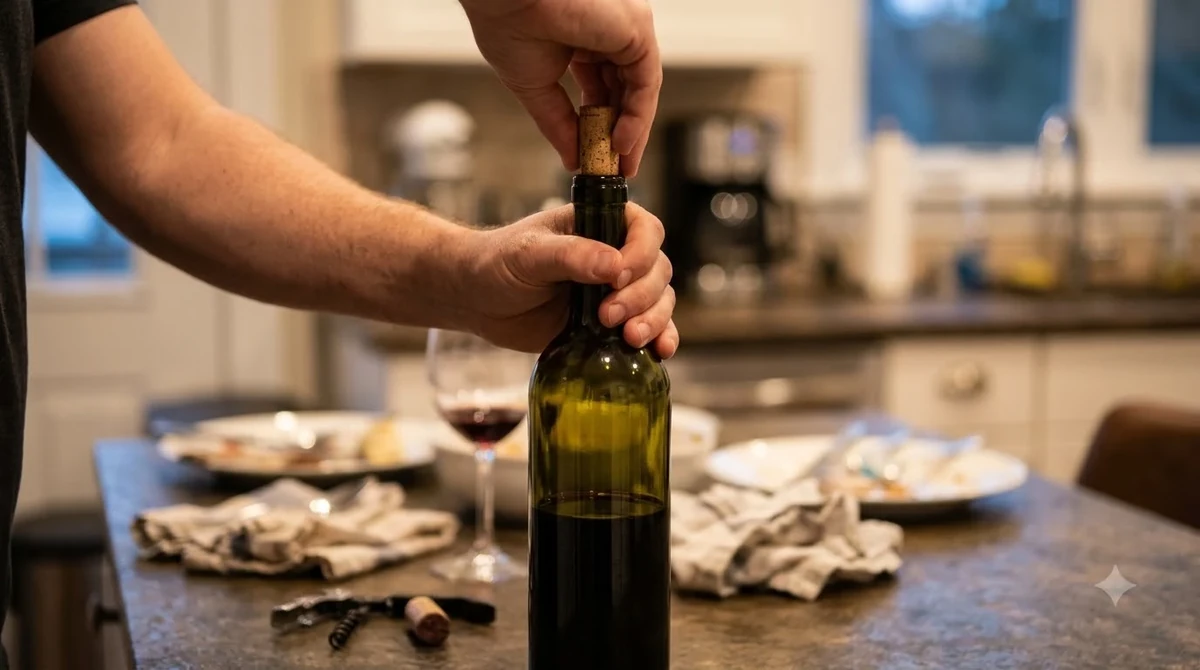
Remove the foil and loosen the wire cage while keeping a hand over the cork. Hold the bottle at an angle of approximately 45 degrees and rotate the bottle slowly while controlling the cork.
The aim is a gentle release rather than a loud pop. This approach reduces the risk of spills and helps retain more carbonation in the wine.
Store unopened bottles correctly
Unopened sparkling wine should be kept away from direct sunlight, heat, and significant temperature fluctuations. A cool storage area near 55°F is a useful general target for wine storage.
For longer storage, bottles with natural cork closures are commonly kept on their sides to help maintain cork moisture. Avoid placing bottles near ovens, radiators, or windows where repeated temperature changes can affect wine quality.
Preserve an opened bottle
Once opened, sparkling wine loses carbonation over time. Refrigeration and a purpose-built sparkling wine stopper can help preserve its bubbles, although they cannot restore carbonation already lost.
As a general guideline, opened sparkling wine is best consumed within one to three days when refrigerated and properly sealed. For a bottle intended to remain fresh for another occasion, minimize the time it spends at room temperature and avoid repeatedly opening it.
Match the bottle to the occasion
For a casual dinner, one or two standard Cordon Negro bottles can provide a convenient sparkling wine option. For a lighter appetizer gathering, Freixenet Prosecco is another possibility, especially with bruschetta and seafood.
For guests who prefer a less dry profile, Extra Dry or a sweeter Carta Nevada selection may be more appropriate. A thoughtful combination of two styles can provide more flexibility than buying several bottles of the same expression.
Shoppers interested in expanding beyond sparkling wine can also consult the Freixenet red wine overview. For additional producer comparisons and category information, the broader Wine Brands section provides another starting point.
Frequently Asked Questions
Is Freixenet considered an inexpensive sparkling wine?
Freixenet is generally positioned as an accessible sparkling wine brand rather than a luxury Champagne specialist. Its Cava and Prosecco selections are designed for everyday enjoyment and celebrations. The traditional-method production of Cava also distinguishes it from sparkling wines made using simpler production approaches.
What does Cordon Negro mean on a Freixenet bottle?
Cordon Negro is the name of Freixenet’s recognizable Spanish Cava range. The name identifies the product family rather than a grape variety or a sweetness classification. Buyers should look for the additional Brut or Extra Dry designation to distinguish the individual expression.
Does Freixenet Cava use the traditional method?
Yes. Cava is produced using the traditional method, in which the second fermentation takes place inside the bottle. This is different from the tank method commonly associated with Prosecco. The production method contributes to the differences in texture and sparkling wine character between these categories.
Can Freixenet sparkling wine be used for mimosas?
Yes. Brut Cava and Prosecco are both practical choices for mimosas. A dry sparkling wine provides a useful contrast to orange juice, while an Extra Dry expression can produce a softer drink. Chill both ingredients before mixing and pour the sparkling wine gently to preserve its bubbles.
Is Freixenet wine suitable for vegetarian and vegan drinkers?
Freixenet identifies its Cordon Negro, Carta Nevada, and Prosecco selections as suitable for vegetarian and vegan diets on the corresponding product pages. This is a useful distinction because fining practices can differ between wine producers and individual products. Buyers with specific ingredient requirements should consult the information for the exact bottle they intend to purchase.
Freixenet wine offers several accessible sparkling styles, from Spanish Cordon Negro Cava to Italian Prosecco, with sweetness options for different preferences. For many US shoppers, a standard 750 ml bottle in the approximate $10 to $20 range is a sensible starting point, although retailer and regional differences matter. Compare the wine category, sweetness designation, bottle size, and food pairing before buying to find the Freixenet selection that best suits the occasion.
More in Wine Brands
 Underwood Wine Price: Compare Bottles, Cans, and Pack SizesUpdated Nov 21, 2026
 Zenato Wine Price: Compare Styles and Choose the Right BottleUpdated Nov 21, 2026
 Zuccardi Wine Price: Compare Bottles and Find the Right RangeUpdated Nov 21, 2026
 Yellow Tail Moscato Review: Taste, Sweetness and Serving TipsUpdated Nov 21, 2026
 Wolf Blass Yellow Label Review: Choose Your Best StyleUpdated Nov 21, 2026
 Wolffer Estate Rose Review: Choose the Right Bottle for Your TableUpdated Nov 21, 2026