

We may earn a commission when you buy through links on this page, at no extra cost to you. Learn more.
If you are wondering what is xarel lo, it is a crisp, earthy white wine grape native to Catalonia in northeastern Spain. Best known as the structural backbone of traditional Spanish Cava alongside Macabeo and Parellada, it also produces complex, age-worthy still white wines with bright acidity and savory herbal notes. Pronounced roughly “shah-rell-oh,” the grape thrives in the limestone-rich soils of the Penedès region near Barcelona.
While casual wine drinkers often encounter this variety inside a bottle of celebratory Spanish bubbly without ever seeing its name on the front label, winemakers across Catalonia have spent recent decades proving it deserves solo billing. Whether bottled as a crisp single-varietal sparkling wine, an oak-aged white, or a textured skin-contact pour, this distinctive grape bridges the gap between bright refreshment and serious gastronomic structure.
What It Is
Xarel-lo (also spelled Xarel·lo with a Catalan interpunct or simply Xarello) is an indigenous Spanish white grape variety historically rooted in Catalonia, with documented cultivation in the coastal town of Sitges dating back to at least 1785. Within the world of Wine by Type, it sits comfortably among structured, medium-bodied aromatic whites that prize acidity and minerality over plush tropical fruit.
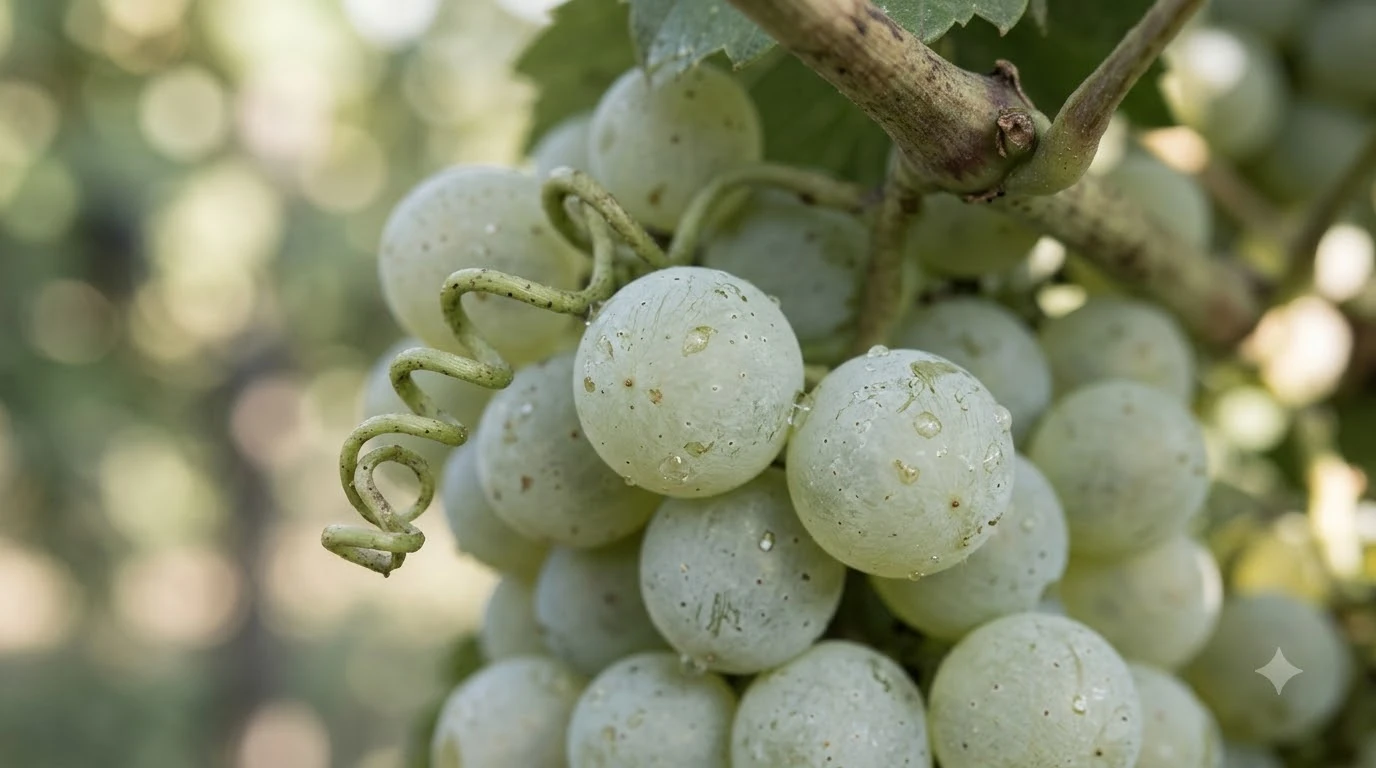
In the vineyard, the xarel lo grape features medium-sized, light-colored berries protected by thick skins, a physical trait that contributes subtle phenolic grip and texture in the finished wine. Its growing cycle is steady—neither budding dangerously early in spring nor ripening overly late in autumn—though vineyard managers must prune carefully to control yields and protect against powdery and downy mildew.
Historically, its primary claim to fame has been its role in the classic Cava triad. While Macabeo brings floral softness and Parellada contributes delicate green-apple freshness, Xarel-lo supplies the essential acidity, alcohol backbone, and earthy complexity that allow top traditional-method Spanish sparkling wines to age gracefully on their lees for years. Outside of Catalonia, it is occasionally known by regional synonyms such as Pansa Blanca in Alella or Cartoixà in Tarragona.
Flavor and Styles
In the glass, Xarel-lo delivers a compelling balance of tart citrus, orchard fruit, and savory Mediterranean herbs, framed by vibrant acidity and a subtly bitter raw-almond finish. Depending on how a winemaker handles fermentation and aging, the grape spans everything from razor-sharp sparkling wines to rich, barrel-fermented whites.
According to Wine Folly, primary tasting notes typically center on lemon, white peach, lime blossom, ginger, and raw almond. Unlike more overtly fruity white varieties such as airen grape blends from central Spain, Xarel-lo leans decidedly savory, frequently displaying aromas of wild fennel, dried thyme, wet stone, and sea spray. Its natural phenolic structure gives even unoaked bottlings a firm, persistent mid-palate that feels substantial without heavy alcohol.
Winemakers express this versatility across several distinct stylistic categories, each highlighting a different facet of the grape’s character:
| Wine Style | Winemaking Approach | Key Tasting Notes | Typical Body & Feel |
|---|---|---|---|
| Traditional Cava / Corpinnat | Secondary bottle fermentation with extended lees aging | Lemon pith, baked apple, brioche, toasted hazelnut, sea salt | Crisp, creamy mousse, high acidity |
| Young Unoaked Still White | Temperature-controlled fermentation in stainless steel | Key lime, green pear, white peach, fennel, crushed wet chalk | Light-to-medium body, snappy, dry finish |
| Lees- or Oak-Aged Still White | Fermented or aged in French oak, chestnut, or concrete eggs | Quince, candied orange peel, ginger, vanilla, roasted almond | Medium-plus body, textured, rich mouthfeel |
| Skin-Contact (Brisat) | Extended maceration on the thick grape skins before pressing | Dried apricot, wild herbs, orange blossom, tea leaf | Structured, grippy tannins, savory depth |
Where It Grows
Almost the entire global supply of Xarel-lo grows in northeastern Spain, concentrated heavily within the rolling hills and coastal plains of Catalonia around Barcelona. The Penedès Denominación de Origen (DO) serves as its undisputed spiritual and viticultural home, offering a patchwork of elevations and microclimates that shape the grape’s acidity and ripeness.
Penedès stretches from the warm Mediterranean coast up into cooler inland slopes exceeding two thousand feet in elevation, divided broadly into Baix Penedès near the sea, Medio Penedès in the central valley, and Alt Penedès in the highlands. Xarel-lo performs best in the central and lower zones where calcareous clay and limestone soils retain just enough moisture during dry Mediterranean summers while imparting a distinct saline, mineral edge to the fruit.
Beyond Penedès and the broader DO Cava zone, smaller pockets thrive in neighboring Catalan appellations. In coastal DO Alella, just north of Barcelona, old vines planted on decomposed granite soils known as sauló produce brisk, mineral-driven bottlings under the local name Pansa Blanca. Further south in DO Tarragona and DO Costers del Segre, producers increasingly bottle single-vineyard still wines from forty- to eighty-year-old bush vines that showcase the grape’s remarkable longevity.
How to Serve
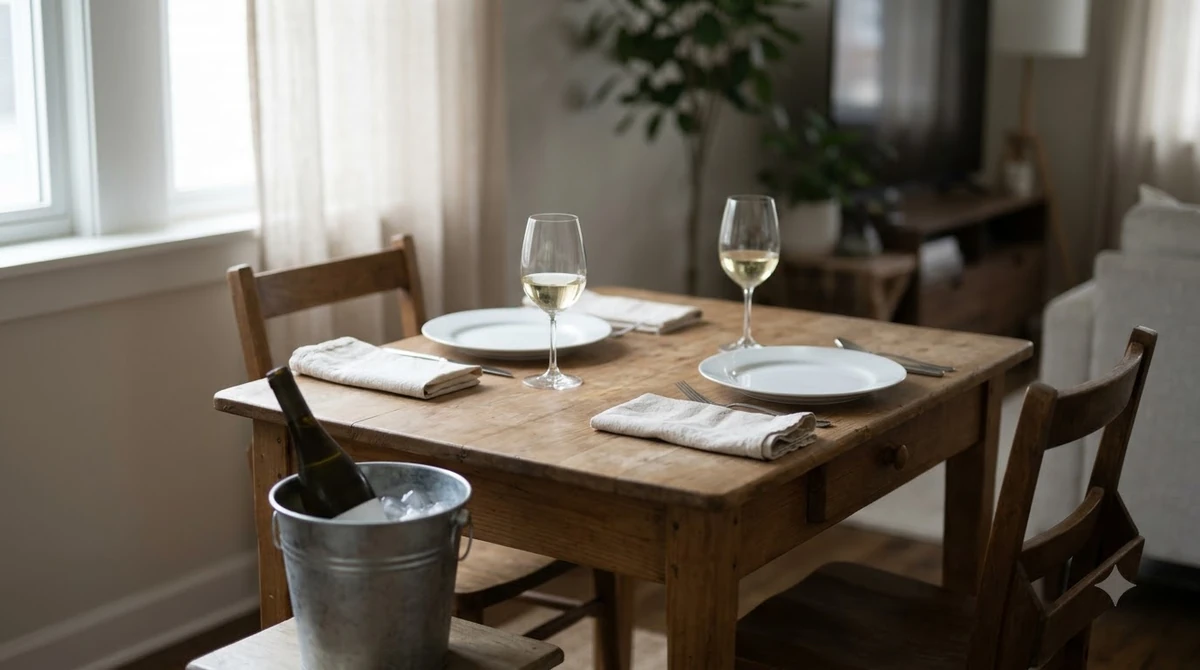
Serve sparkling and young still Xarel-lo well chilled at 38 to 45°F (3 to 7°C) to preserve its brisk acidity and crisp citrus aromatics. Richer, oak-aged or extended-lees still bottlings benefit from a slightly warmer serving temperature around 48 to 52°F (9 to 11°C) so their herbal, nutty complexity can fully open up.
Glassware makes a noticeable difference with this variety. For sparkling styles, skip narrow traditional flutes that trap subtle herbal and brioche aromas; instead, reach for a tulip-shaped sparkling glass or a standard universal white wine glass that allows the aromatics to breathe while preserving the bead of bubbles. Still versions shine in a classic medium-bowled white wine glass.
Tip: While young, crisp bottles need no decanting, giving an oak-aged or skin-contact Xarel-lo twenty to thirty minutes in a decanter softens its firm phenolic grip and brings out nuanced notes of ginger and toasted almond.
Most entry-level still bottlings and non-vintage sparkling wines are crafted for immediate enjoyment within two to three years of release. However, serious single-vineyard still wines and long-aged Gran Reserva sparkling styles possess the natural acid structure to develop honeyed, nutty complexity in a cool cellar for five to ten years.
Food Pairing
Thanks to its lively acidity, medium body, and savory herbal edge, Xarel-lo is an exceptionally versatile food wine that excels alongside seafood, fried dishes, and green vegetables. Its subtle almond bitterness acts like a squeeze of fresh lemon, cutting through rich olive oil and briny coastal flavors without overpowering delicate ingredients.
In its Catalan homeland, sparkling and still bottlings are natural companions to tapas spreads featuring Marcona almonds, jamón ibérico, pan con tomate, and crisp fried croquetas. The wine’s salty, mineral streak mirrors the ocean flavors in grilled sardines, seared scallops, garlic shrimp, and traditional saffron seafood paella.
One of Xarel-lo’s standout talents is handling green and slightly bitter vegetables that often clash with fruitier white wines. Dishes built around grilled asparagus, roasted fennel, artichokes, pesto pasta, or herb-crusted goat cheese lock right into the grape’s native notes of thyme, lime blossom, and raw almond.
How to Choose a Bottle
Finding a great bottle starts with checking the front and back labels for regional designations and production cues that indicate whether the wine is sparkling or still. Because the grape rarely appears in giant block letters on traditional bubbly, knowing a few key Catalan terms will steer you directly to Xarel-lo-dominant wines.
If you want sparkling wine with high Xarel-lo character, look for bottles labeled Corpinnat, Clàssic Penedès, or Cava de Guarda Superior (which covers Reserva and Gran Reserva tiers). According to Wine Enthusiast, Xarel-lo’s balanced acidity and earthy aromatics give the finest traditional-method Spanish sparkling wines their long-term aging potential, and single-varietal 100 percent Xarel-lo sparkling bottlings are increasingly easy to spot on specialty wine shop shelves.
For still white wines, look for DO Penedès or DO Alella on the label—many producers proudly print “100% Xarel·lo” or “Pansa Blanca” right on the front. Check the back label for clues about vessel aging: terms like sobre lies (aged on the lees) signal a creamier, broader texture, while stainless-steel bottlings promise a leaner, zesty aperitif style.
Frequently Asked Questions
How do you pronounce Xarel-lo?
In Catalan, it is pronounced roughly “shah-rell-oh,” with a soft “sh” sound at the start and a lightly rolled “r” in the middle. The dot between the two L’s (written as Xarel·lo) is a Catalan punctuation mark called an ela geminada that tells speakers to pronounce both L sounds distinctly rather than blending them into a Spanish “y” sound. Check out our full guide on how to pronounce xarel lo for audio tips and regional variations.
Is Xarel-lo always a sparkling wine?
No, while Xarel-lo is famous as the backbone of Spanish Cava, winemakers in Catalonia also produce exceptional still white wines from the grape. Still bottlings range from crisp, unoaked stainless-steel whites to rich, barrel-fermented and skin-contact wines that showcase its savory herbal and mineral character.
Is Xarel-lo dry or sweet?
Virtually all still Xarel-lo wines are fermented completely dry, offering crisp citrus, green orchard fruit, and a distinctly savory, mineral finish. Sparkling Cava and Corpinnat bottlings featuring Xarel-lo are also predominantly dry, most commonly labeled as Brut Nature (zero added sugar) or Brut.
What grape is Xarel-lo most similar to?
Xarel-lo shares the zesty citrus drive and coastal salinity of Spanish Albariño, though it typically has a slightly fuller mid-palate and more pronounced herbal notes. Wine drinkers who enjoy dry Chenin Blanc, textured Pinot Blanc, or savory Grüner Veltliner usually appreciate Xarel-lo’s combination of bright acidity and phenolic structure.
Whether you encounter it inside a long-aged bottle of Catalan sparkling wine or poured still alongside fresh Mediterranean seafood, Xarel-lo offers a refreshing alternative to everyday white varieties. Exploring both its bubbly and still expressions is one of the most rewarding ways to experience modern Spanish winemaking.
More in Wine Types & Grapes
 Zinfandel Sugar Content: Dry Red vs. White Zinfandel GramsUpdated Nov 21, 2026
 Best Zinfandel Substitute Options for Sipping and CookingUpdated Nov 21, 2026
 Zweigelt Food Pairing: Best Dishes, Cheeses, and Serving TipsUpdated Nov 21, 2026
 Zinfandel Tannins Explained: How Structure Shapes Every BottleUpdated Nov 21, 2026
 Zinfandel Sweetness Level: Dry Red vs. Sweet White Zin ExplainedUpdated Nov 21, 2026
 Xinomavro Food Pairing: Best Dishes, Styles, and Serving TipsUpdated Nov 21, 2026