

We may earn a commission when you buy through links on this page, at no extra cost to you. Learn more.
Fre red wine is an alcohol-removed California red blend with black-cherry fruit, a subtle smoky note, and less than 0.5% alcohol by volume. It starts as fermented wine, then undergoes a process that removes most of its alcohol. Expect a lighter, fruit-forward style rather than the firm tannin and warmth of a typical full-strength red.
If you want a red-wine ritual with a meal but prefer a very low-alcohol option, FRE’s Red Blend offers familiar cues: dark fruit, a ruby hue, and pairings suited to chicken, pasta, and savory dishes. The details below explain what is in the bottle, how alcohol removal works, and how to serve it with realistic expectations.
What the FRE Red Blend is
FRE’s Red Blend is made from red grape varieties sourced from California vineyards. The producer does not name the blend’s specific grapes on its product page, so it is best understood as a California red blend rather than as a Cabernet Sauvignon, Merlot, or other single-variety bottling. FRE says the wine is made using traditional methods before the alcohol-removal step.
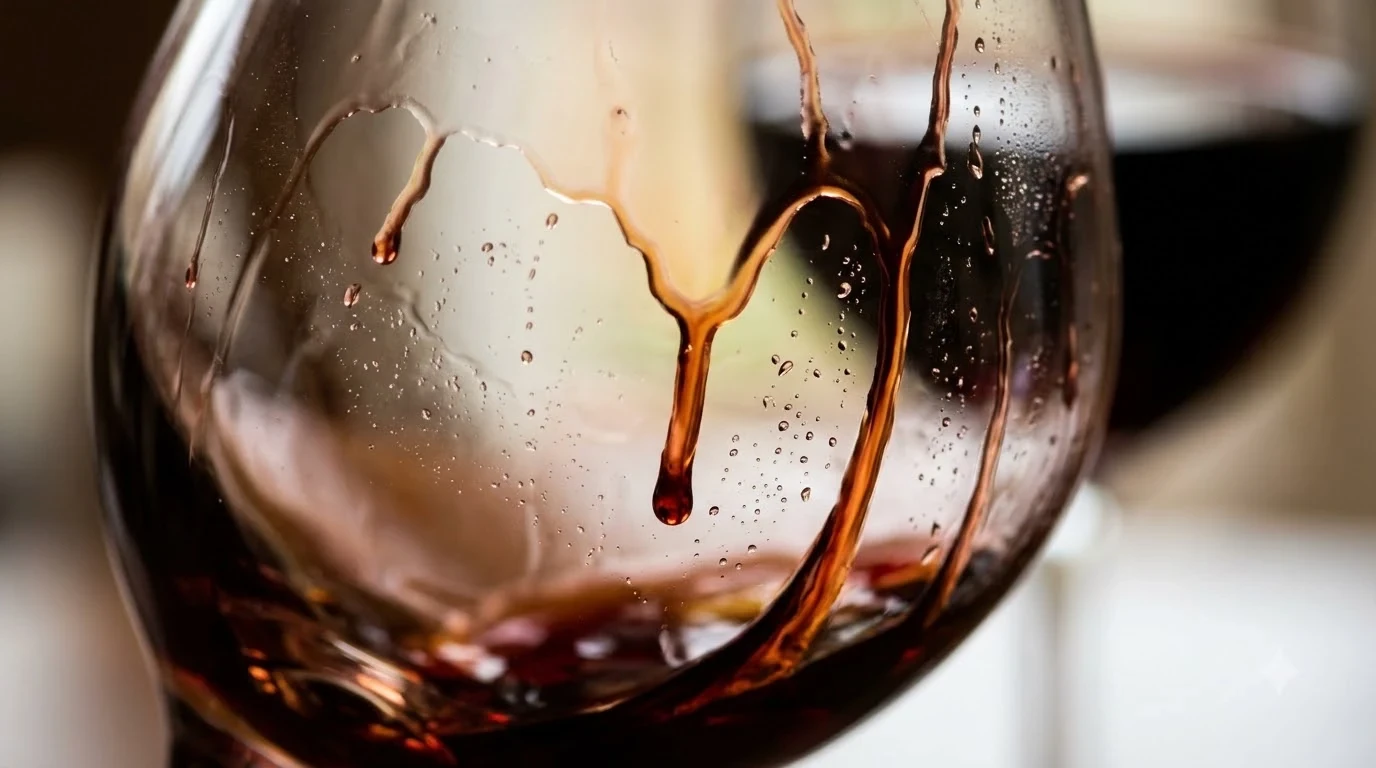
The producer describes a deep ruby color, ripe black-cherry aromas, bright fruit flavors, a subtle smoky character, and a lingering finish. Those notes point to a fruit-led profile. They do not promise the same depth, tannin, or alcohol warmth as a conventional red wine. In a non-blind tasting of about a dozen dealcoholized wines, Wine Spectator’s tasting account characterized FRE’s red blend as straightforward, with light fruit and secondary flavors.
That lighter impression is useful context rather than a flaw to hide. Alcohol contributes body and carries aromas, while tannins provide grip. Removing alcohol can change both the structure and the way aromas register. If you approach the glass as a lower-alcohol alternative with red-fruit character, rather than a one-for-one stand-in for a bold Cabernet, its style makes more sense.
The name also matters: FRE calls this an alcohol-removed wine. It begins with fermented wine, not simply grape juice poured into a bottle. That distinction helps explain why it retains wine-like flavors while still tasting different from a full-strength red. For other labels and styles, browse Wine Brands to compare how producers describe their bottles.
How alcohol removal changes the wine
FRE first makes wine from grapes and then uses spinning-cone and vacuum-distillation technology to remove alcohol. The order is important: fermentation comes first, so the starting liquid has undergone the central step that turns grape sugars into wine. FRE describes a multi-stage process designed to recover aromas and return them to the finished blend.
In the spinning-cone column, rotating cones spread the wine into a thin film. FRE says nitrogen helps draw off delicate aroma compounds while reducing oxidation; later, the wine passes through the equipment again to remove alcohol. The extracted aroma and flavor essences are recombined with the dealcoholized wine. The producer also says unfermented varietal grape juice is blended in to replace lost volume.
This is a practical response to a technical challenge. Wine Spectator explains that spinning-cone equipment separates aroma compounds before alcohol and returns the aroma fraction after alcohol removal. The aromas may be present in the finished liquid, but without alcohol they can be less volatile, so less scent reaches the nose. The process also can reduce tannin and body, which helps explain why some alcohol-removed reds seem softer or lighter than their conventional counterparts.
FRE states that the finished Red Blend contains less than 0.5% alcohol by volume. That is a very low level, but “alcohol-removed” is more precise than “zero alcohol.” If you need to avoid all alcohol, do not treat the product name as proof that the bottle has none; the producer’s stated specification is less than 0.5% ABV. For background on the category and its different approaches, Wine Enthusiast’s overview of non-alcoholic reds distinguishes dealcoholized wines from alternatives designed to imitate wine.
Flavor, aroma, and nutrition at a glance
Expect a dark-fruit first impression rather than a highly tannic, oak-driven red. FRE lists black cherry, bright grape and cherry flavors, a smoky accent, and a lingering finish. Wine Spectator’s tasting description offers a second point of reference: light fruit notes and straightforward secondary flavors. Together, these accounts suggest an approachable profile that may suit casual meals better than a tasting built around dense, structured reds.
FRE’s published nutrition information uses an 8-ounce serving. The figures below are the producer’s listed amounts; they are not a comparison of equal-sized pours with other beverages.
| Producer-listed item | Amount | What it tells you |
|---|---|---|
| Serving size | 8 oz | The basis for the listed nutrition figures |
| Alcohol | Less than 0.5% ABV | Very low alcohol, but not stated as zero |
| Calories | 70 | Amount listed per 8-ounce serving |
| Carbohydrates | 22 g | Amount listed per 8-ounce serving |
| Juice | 13% | Share listed by the producer |
The 8-ounce measure is larger than the standard 5-ounce wine pour, so keep serving size in mind when comparing the nutrition figures with another bottle. The listed 22 grams of carbohydrates and 70 calories apply to that serving, not to every glass size. The product page does not specify the individual grape varieties or publish a sweetness scale, so tasting it yourself is the best way to judge how its fruit-forward profile fits your preferences.
For the table, the key expectation is a blend with wine-derived flavors, but a lighter structure. It may work for drinkers who enjoy ripe fruit and want less alcohol. Someone looking specifically for pronounced grip, concentrated oak, or the long finish of a tannic full-strength red may find it too soft. That difference comes from the style and process, not from a claim that it should taste identical.
Serving temperature and glassware
Serve FRE Red Blend slightly chilled, not warm and not ice-cold. A practical starting point is 55–60°F, the usual range for light reds. If the bottle has been stored at room temperature, a short time in the refrigerator can bring it closer to that range; if it comes out too cold, give it a few minutes in the glass so the fruit aromas can open.
Temperature changes how the wine reads. Too much chill can mute the black-cherry aromas and make the texture feel tighter. Too much warmth can emphasize sweetness and make the finish seem less fresh. A small adjustment is enough: chill the bottle, pour a modest amount, and taste before deciding whether it needs a little time on the counter.
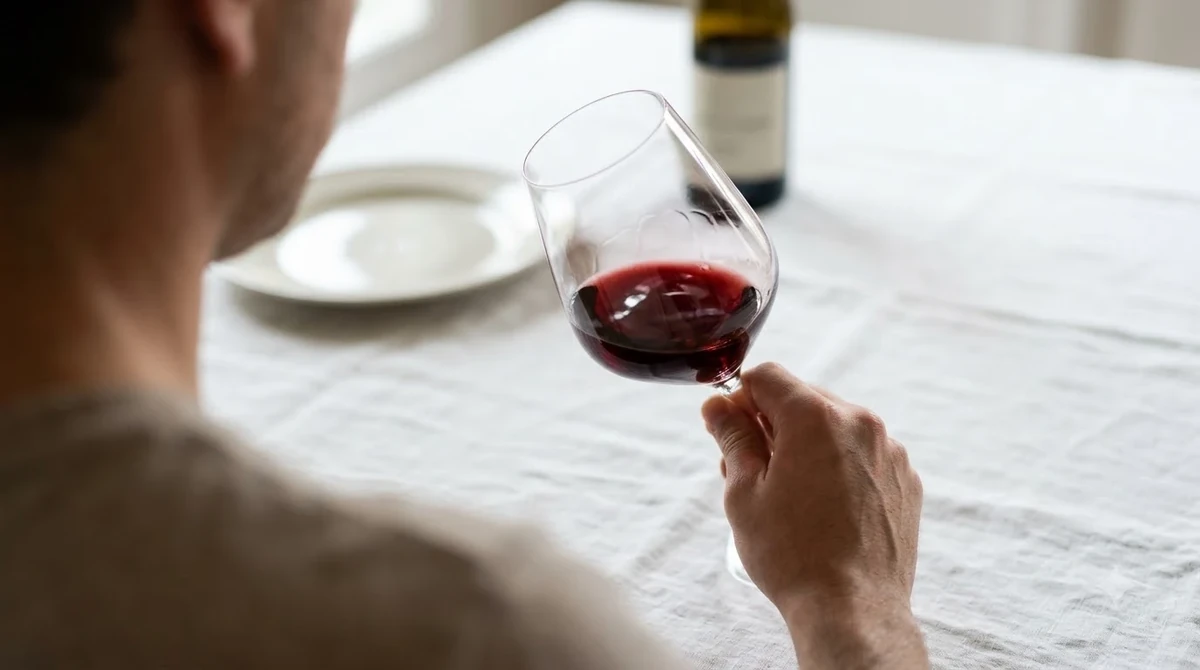
A regular red-wine glass is suitable, but a smaller glass can also work if you want to keep the pour modest and focused. Swirl gently rather than vigorously, then smell before sipping. The producer’s tasting notes emphasize black cherry and a smoky character, so notice whether those aromas appear at your chosen temperature. Do not expect the alcohol warmth of a conventional red; that sensation is absent or greatly reduced in an alcohol-removed wine.
Tip: Start with the bottle cool and serve at 55–60°F. If the fruit seems muted, let the glass warm slightly rather than adding ice.
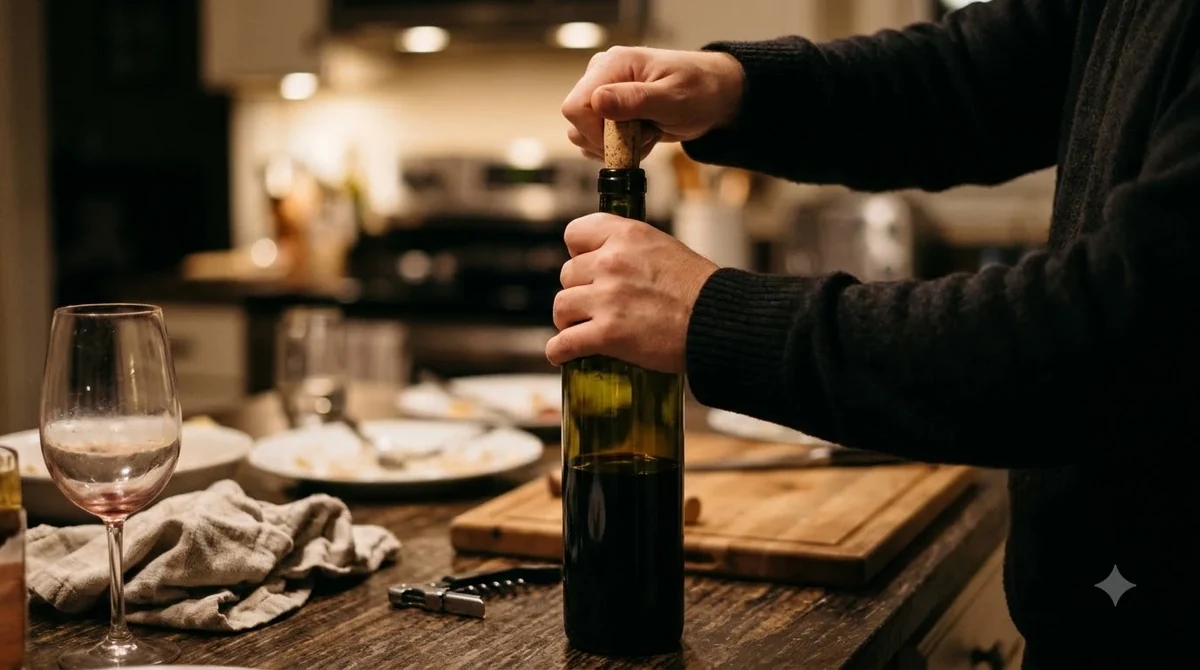
There is no need to decant this blend for a long period. Decanting is commonly useful for young, full-bodied reds that benefit from 30–60 minutes of air, but FRE describes its Red Blend as smooth and fruit-forward, and its product page does not recommend extended aeration. Open, pour, and assess; a few minutes in the glass is a reasonable first step if the aromas seem closed.
Food pairings for fruit-forward red wine
FRE recommends grilled salmon, roast chicken, mushroom risotto, tomato-based pasta, and glazed ham. These choices span savory, earthy, and gently sweet flavors, so the blend can accompany a range of weeknight dishes. The fruit and soft structure are likely to sit more comfortably beside moderate seasoning than beside a heavily charred steak or a very hot chili dish.
For tomato-based pasta, the sauce’s acidity matters. Acidic food usually calls for a wine with equal or higher acidity, or the wine can taste flatter next to the food. Since the product page does not publish an acidity figure, pair it with a balanced tomato sauce rather than one made especially sharp with vinegar or citrus. Mushroom risotto is another natural match: its earthy flavor connects with the blend’s subtle smoky note, while the creamy rice complements a softer red.
Roast chicken is a versatile option because its mild flavor does not overpower a lighter wine. Add roasted mushrooms, herbs, or a savory pan sauce to echo the wine’s fruit and smoky edge. Glazed ham can work when the glaze is not much sweeter than the wine; a wine should generally be at least as sweet as the dish. If a dish is very sweet, the wine may come across as sour or thin beside it.
Grilled salmon may sound unusual beside red wine, but FRE specifically lists it as a pairing. Keep the fish simply seasoned and avoid a heavy, tannic sauce. Oily fish can clash with tannic reds, and a leaner, alcohol-removed blend has less grip than many full-bodied reds. For another approachable red comparison, see 14 Hands red wine or 19 Crimes red; those are different wine styles, so compare them by body and structure rather than assuming they taste alike.
Seasoning can shift the match. Salt and fat soften tannin, which can help with savory foods, but strong chili heat is amplified by alcohol and tannin. The alcohol level here is low, yet hot peppers can still dominate delicate fruit flavors. Choose mild spice, roasted vegetables, or a tomato-and-herb sauce when you want the wine’s cherry notes to remain noticeable.
Choosing a bottle and setting expectations
Start by deciding whether your priority is a wine made through fermentation with alcohol later removed, or a non-alcoholic beverage built to evoke wine. FRE belongs to the first group. Wine Enthusiast notes that the broader non-alcoholic category includes both dealcoholized wine and alternatives whose ingredients or production approach may differ. Knowing which style you want makes product descriptions easier to interpret.
Then match the bottle to the occasion. FRE Red Blend makes sense when you want a red-colored, grape-based drink with wine-like aromas for a meal, but not the strength of a standard red. It may be a fit for a mixed table where some guests want a low-alcohol choice, or for a recipe pairing where the beverage is not expected to supply the same tannin and alcohol-driven structure as a full-strength wine.
Set expectations around texture as well as flavor. A red wine’s alcohol and tannins contribute weight and grip, and those elements can be reduced during alcohol removal. The result can have a recognizable cherry aroma yet feel less full in the mouth. That is why tasting it next to a conventional red may highlight differences more than similarities. Enjoy it on its own terms, and select food that supports its lighter frame.
Compare labels carefully if you are choosing among styles. FRE’s product information calls out its California origin, red-grape blend, less-than-0.5% ABV, and nutrition details, but it does not list the blend’s grape varieties or a specific vintage. The product page is the reliable place to confirm the producer’s stated composition and serving facts. For related white wine alternatives, 19 Crimes white wine offers a separate point of comparison, though it is not the same alcohol-removed style.
Once opened, keep the bottle in the refrigerator and use it promptly. The producer’s product page does not state an opened-bottle window for this Red Blend, and general opened-wine guidance is not a product-specific guarantee. Recap it tightly, refrigerate it, and check the aroma and flavor before pouring another glass. A smaller pour also makes it easier to enjoy the bottle while its fruit character is fresh.
Frequently Asked Questions
Does FRE Red Blend list the grape varieties in its blend?
No specific grape varieties are named on FRE’s Red Blend product page. The producer describes it only as a blend of red grape varieties from California vineyards. That means it should not be assumed to be a particular varietal blend.
Is FRE Red Blend vintage-dated?
The product page does not give a vintage year for this bottling. The label and bottle in hand are the best places to see any batch or production details that apply to that specific purchase. The absence of a vintage on the product description does not establish that every bottle is identical.
Does FRE provide a percentage juice figure for Red Blend?
Yes. The producer lists 13% juice for the Red Blend. That figure is separate from the listed 22 grams of carbohydrates per 8-ounce serving, and it should not be read as a measure of sweetness.
Can the Red Blend be used in a recipe calling for red wine?
It can be used where a recipe calls for red-wine flavor, but it will not contribute the same alcohol or cooking behavior as standard wine. In a sauce that reduces for a long time, the balance may differ because alcohol and other volatile components are reduced or absent. Add it gradually and taste the dish as it cooks.
Does FRE identify the Red Blend as organic?
The product page does not identify this Red Blend as organic. No organic certification should be inferred from its California origin or its alcohol-removal method. Look for a specific certification on the bottle if that designation is important to your choice.
FRE Red Blend is best approached as a lighter, fruit-forward California alcohol-removed wine, not as a replica of a full-bodied red. Serve it slightly cool with savory food, and use the producer’s stated alcohol and nutrition figures to decide whether it suits your needs.
More in Wine Brands
 Underwood Wine Price: Compare Bottles, Cans, and Pack SizesUpdated Nov 21, 2026
 Zenato Wine Price: Compare Styles and Choose the Right BottleUpdated Nov 21, 2026
 Zuccardi Wine Price: Compare Bottles and Find the Right RangeUpdated Nov 21, 2026
 Yellow Tail Moscato Review: Taste, Sweetness and Serving TipsUpdated Nov 21, 2026
 Wolf Blass Yellow Label Review: Choose Your Best StyleUpdated Nov 21, 2026
 Wolffer Estate Rose Review: Choose the Right Bottle for Your TableUpdated Nov 21, 2026