

We may earn a commission when you buy through links on this page, at no extra cost to you. Learn more.
A flowers wine review points to a Sonoma Coast specialist worth considering if you enjoy Pinot Noir and Chardonnay with bright acidity, savory coastal detail, and a clear sense of vineyard. Flowers focuses on those two grapes rather than a sprawling catalog of unrelated styles. The most useful buying decision is whether to start with the regional Sonoma Coast bottlings or move to the more specific Camp Meeting Ridge and Sea View Ridge wines.
Flowers is closely tied to the far Sonoma Coast, where Pacific influence, elevation, rocky ground, and fog shape a cool-climate profile. That identity gives the wines a recognizable direction, but the bottle name matters: an appellation wine and a single-vineyard wine can offer different levels of site detail, weight, and complexity.
Who This Is For: Coastal Pinot Noir and Chardonnay Buyers
Flowers is a strong match for drinkers who prefer freshness and savory detail over obvious ripeness or sweetness. The two central grapes are Pinot Noir and Chardonnay, and the winery’s far-coastal vineyards bring them into focus through cool ocean air, high elevations, and long growing conditions.
Start with Flowers if you enjoy Pinot Noir with red and dark berries, forest-floor notes, tea-like spice, and lively acidity. Reviews of its Sonoma Coast Pinot Noir mention red and blue fruit, dried herbs, black tea, violet, and a saline finish. Its savory character suits roast chicken, duck, salmon, mushrooms, and pork. Pinot Noir’s lower-to-medium tannin also makes it more adaptable at the table than Cabernet Sauvignon.
The Chardonnay is a better starting point for someone who likes citrus, green apple, floral aromas, and a mineral or gently savory edge. Independent reviews of recent Sonoma Coast bottlings have noted lemon blossom, Meyer lemon, lime, green apple, pineapple, quince, herbs, and toasted hazelnut. The general impression is energetic and fresh rather than overtly buttery or heavy. It can suit drinkers who want Chardonnay’s texture but still expect a clear line of acidity.
Flowers may be less suitable if your priority is sweet wine, soft low-acid whites, or powerful oak flavors. Its identity is focused on Pinot Noir and Chardonnay from cool coastal sites. Use this Wine Brands overview to compare California producers, or visit the Flowers wine page for a label-by-label starting point.
Key Factors to Compare Before You Buy
The most useful comparisons are grape, vineyard designation, vintage, alcohol level, and serving plan. A regional Flowers Pinot Noir and a single-vineyard Pinot Noir share a grape, but they do not communicate the same level of origin detail; Chardonnay brings a different balance of fruit, acidity, and texture.
| Factor | Flowers example or reference | How to use it |
|---|---|---|
| Regional Pinot Noir | 2023 Sonoma Coast; 14.1% ABV; 750 ml | Expect a savory red with berry fruit, forest notes, spice, and coastal freshness. |
| Regional Chardonnay | 2023 Sonoma Coast; 13.5% ABV; 750 ml | Look for citrus, blossom, green apple, and a lively acid line. |
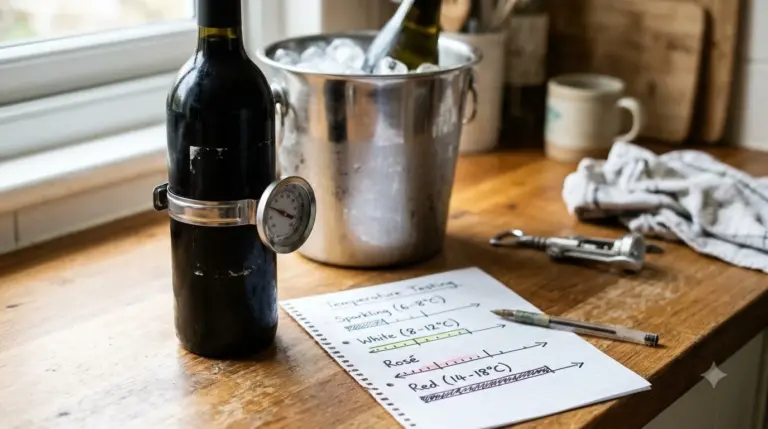
| Typical serving temperature | Pinot Noir: 55–60°F; Chardonnay: 50–55°F | Cool the red slightly and avoid serving the white too cold. |
| Standard bottle yield | 750 ml; about five 5-oz pours | Plan one standard bottle for roughly five guests having one glass each. |
| Estate elevation context | Flowers says its organically farmed estate vineyards range from 1,200 to 1,875 feet | Elevation and coastal exposure help explain the fresh, structured style. |
These figures are examples, not guarantees for every vintage. K&L lists the alcohol levels for specific 2023 regional bottlings; the elevation range comes from the winery’s description of its estate vineyards. Vintage conditions and vineyard selection can shift the balance from one release to another.
Vineyard designation is another key distinction. Flowers describes its regional Pinot Noir as a selection of family-owned coastal sites, while Camp Meeting Ridge and Sea View Ridge bottlings are tied more closely to individual estate locations. The Flowers vineyard history explains the winery’s origin and site details.
Vintage also deserves attention. A cool-climate wine can feel more tart and firm in one growing season, while another may show riper fruit or a broader texture. Rather than treating the brand name as a guarantee of an identical flavor, compare the vintage, the grape, and whether the bottle is regional or vineyard-designated.
Step-by-Step: Choose the Right Flowers Bottle
A practical buying decision starts with the occasion and the food, then narrows to grape and vineyard. Use the following sequence to avoid choosing a bottle solely because the producer name or vineyard designation looks familiar.
- Choose red or white. Select Pinot Noir for red-berry, darker-fruit, forest, and tea-like notes. Choose Chardonnay for citrus, green apple, blossom, and a fresher white-wine profile.
- Decide how specific you want the origin to be. The Sonoma Coast bottlings are the sensible entry point for understanding the house style. Camp Meeting Ridge Chardonnay or Pinot Noir and Sea View Ridge Pinot Noir offer a narrower view of particular estate sites.
- Match the wine to the meal. Pinot Noir works with roast poultry, pork, duck, grilled salmon, and mushroom dishes. Chardonnay can suit roast chicken, seared scallops, crab, grilled halibut, and creamy vegetable dishes. When the food is acidic, choose a wine with equal or higher acidity so the wine does not taste flat.
- Consider weight and tannin. Pinot Noir generally has lower-to-medium tannin than Cabernet Sauvignon, but the specific Flowers bottling may still have enough structure for richer food. Chardonnay is not tannic; its acidity and body are the main matching considerations.
- Check the serving plan. A 750 ml bottle provides about five standard 5-oz glasses. Chill Chardonnay to about 50–55°F and serve Pinot Noir around 55–60°F, adjusting slightly for room conditions and personal preference.
For a multi-course dinner, regional Pinot Noir can move between roast meat and lighter dishes. Chardonnay is often easier with seafood and poultry, especially with lemon, herbs, or a creamy sauce. Take care with spicy food because chili heat can feel stronger alongside alcohol and tannin.
A vineyard name is not automatically the right choice for every meal. Start with a regional bottling for a first introduction; choose an estate wine when the recipient is interested in comparing individual sites.
Types and Styles Explained: Regional and Estate Wines
Flowers’ range has two main layers: regional Sonoma Coast wines and more specific estate bottlings. Pinot Noir and Chardonnay form the core, while vineyard names identify distinct sites.
Sonoma Coast Pinot Noir
The regional Pinot Noir is the broadest expression of Flowers’ coastal approach. The winery says it draws on a small selection of family-owned sites to express the Sonoma Coast rather than one block. Reviews of the 2023 wine note red and blue berries, forest character, dried herbs, black tea, spice, and a saline finish.
This is a straightforward first bottle for a red-wine drinker. Its relatively restrained tannin and fresh acidity work with roasted mushrooms, grilled salmon, turkey, and duck, especially when a heavier Cabernet Sauvignon would dominate the plate. Serve it slightly cool so fruit and savory notes remain distinct.
Sonoma Coast Chardonnay
The regional Chardonnay shows the other side of the brand’s style. Wine Enthusiast has noted citrus blossom, lemon, lime, green herbs, green apple, Meyer lemon, pineapple, quince, and toasted hazelnut. K&L’s summary of 2023 reviews adds lemon verbena, ginger, salty ocean air, pomelo, yuzu, apple blossom, and savory almond. The common thread is freshness and texture rather than sweetness.
Chardonnay suits shellfish, roast chicken, grilled white fish, or vegetables finished with butter and herbs. Reviewers describe the coastal examples as fresh enough to work with lemon and other bright flavors. Wine Enthusiast’s 2024 Flowers Chardonnay review highlights citrus, herbs, and nutty details.
Camp Meeting Ridge and Sea View Ridge
Camp Meeting Ridge is the flagship estate vineyard, first planted in 1991 about two miles from the Pacific at nearly 1,500 feet. It supplies both Camp Meeting Ridge Chardonnay and Pinot Noir. Above the fog line, the site combines cool coastal conditions with high-elevation sunlight.
Sea View Ridge is a separate coastal estate site: Flowers says 43 acres were planted in 1998, almost entirely to Pinot Noir. The winery describes its blocks as a mosaic with varied traits. Camp Meeting Ridge supplies both grapes, while Sea View Ridge is especially associated with Pinot Noir.
Other appellation selections
Flowers’ membership release information also identifies Russian River Chardonnay and Pinot Noir, as well as Fort Ross-Seaview Pinot Noir, within its broader selection. These names matter because Sonoma County is not one uniform growing area: a Russian River bottling and a far-coastal estate bottling communicate different origins. Buyers who see one of these wines should compare its appellation and vineyard designation rather than assuming every Flowers bottle comes from the same coastal ridge.
Common Mistakes When Buying Flowers Wine
The biggest buying mistake is treating every Flowers wine as interchangeable. The brand has a focused grape range, but the difference between a regional blend and a named estate site is meaningful, and Pinot Noir and Chardonnay call for different serving temperatures and food pairings.
One error is assuming “coastal” means light or simple. Flowers’ regional Pinot Noir can show a medium-bodied frame, forest notes, spice, and freshness. Reviews of the 2023 bottling mention black plum, clove, blackberry, black tea, and a saline finish. It can handle flavorful dishes, even though it is generally less tannic than Cabernet Sauvignon.
A second mistake is expecting all Chardonnay to taste buttery. Recent Flowers examples reviewed by Wine Enthusiast lean toward lemon, lime, blossom, green apple, herbs, and vibrant acidity. Toasted hazelnut may appear, but the style is not defined by heavy butter or sweetness.
Do not treat the vineyard name as decoration. Camp Meeting Ridge was planted in 1991 and supplies both grapes; Sea View Ridge was planted in 1998 across 43 acres and is almost entirely Pinot Noir. Those are practical distinctions, not just label details. Also avoid serving the wines too warm or too cold: Pinot Noir at 70°F can seem more alcoholic, while very cold Chardonnay can hide aroma and texture. Salt and fat soften tannin, and oily fish can clash with heavily tannic reds, making Pinot Noir a more suitable red choice than Cabernet.
Care and Storage Tips for Pinot Noir and Chardonnay
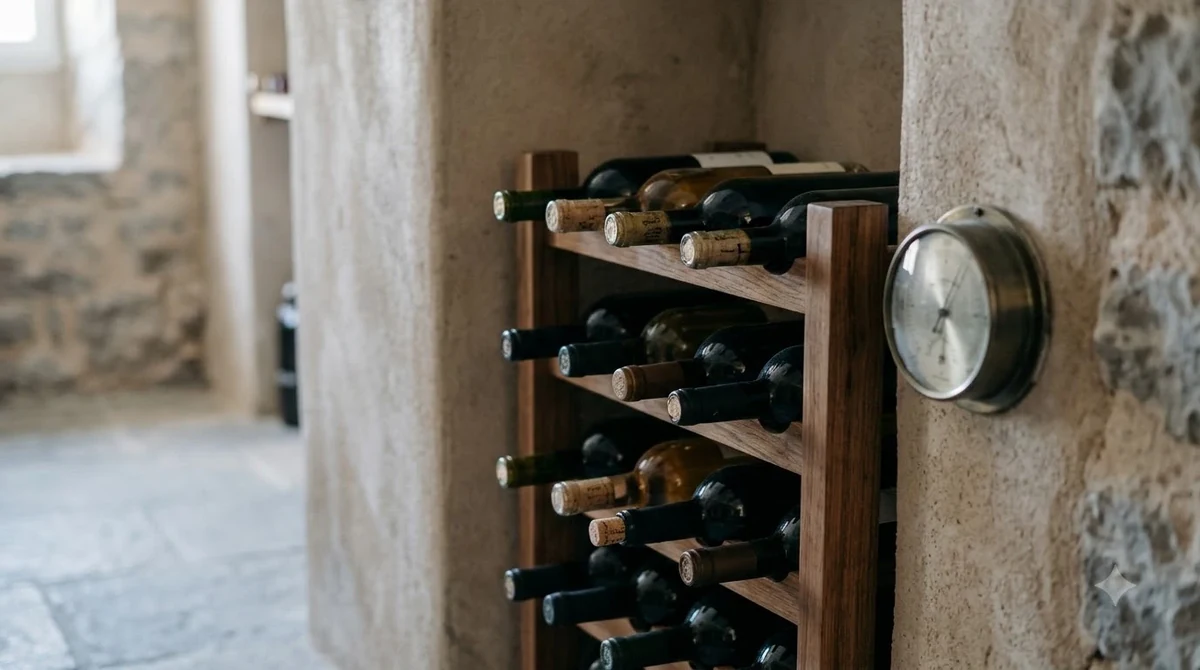
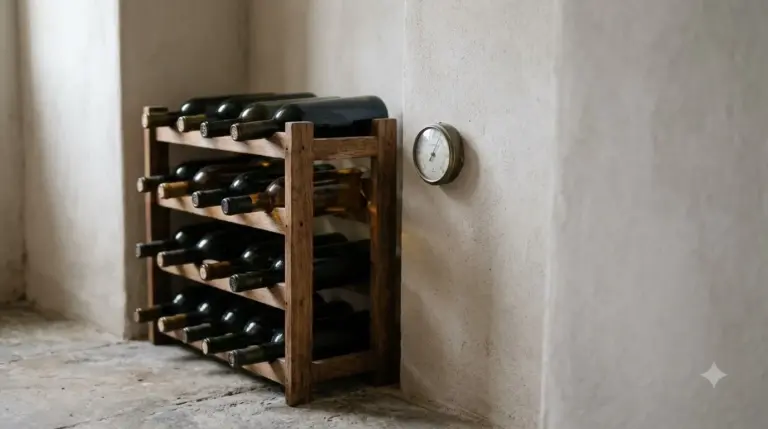
Store unopened bottles in a cool, dark place near 55°F, away from sunlight, radiators, and temperature swings. Keep cork-finished bottles on their sides so the cork does not dry out.
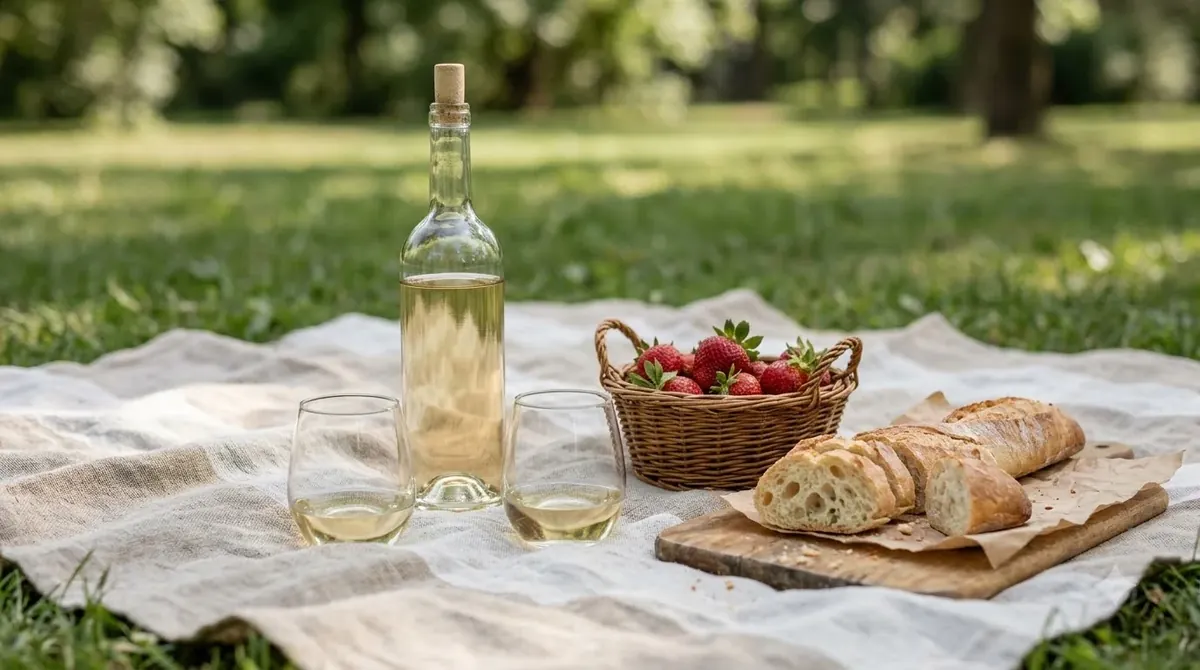
Aim for 50–55°F for Chardonnay and 55–60°F for Pinot Noir. A white served too cold can seem muted, while a red served too warm can feel broader and more alcoholic. Chill Chardonnay ahead of dinner and give Pinot Noir a short refrigerator rest before pouring.
Tip: Open the bottle shortly before serving, pour a small taste, and give the wine several minutes in the glass. If a young, fuller Pinot Noir seems tight, try 30–60 minutes in a decanter; for Chardonnay, begin with a moderate chill and allow the glass to warm slightly as you eat.
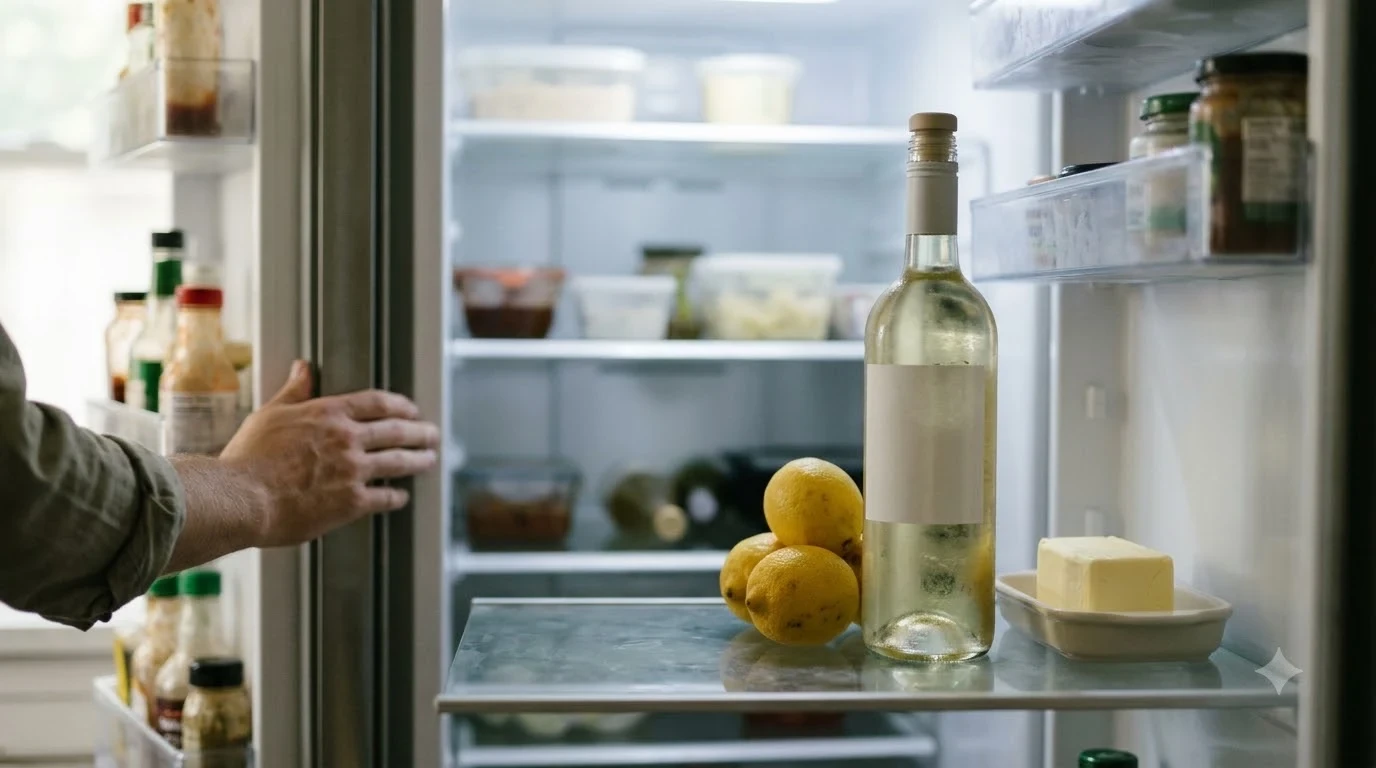
One 750 ml bottle supplies about five standard 5-oz glasses, so plan on more than one bottle for six adults expecting a full glass each. After opening, keep still wine in the refrigerator with a closure; most opened still wines are best used within 3–5 days. Refrigeration slows oxidation for both red and white still wines, and remaining Pinot Noir can warm slightly in the glass before serving again. For a sparkling celebration bottle, compare Flowers’ still-wine focus with La Marca Prosecco, a different style served colder.
Frequently Asked Questions
These quick answers cover practical details beyond the bottle-by-bottle choice. They are especially useful for visitors and buyers considering the winery’s direct membership offerings.
Where can visitors experience Flowers wines?
Flowers welcomes visitors at House of Flowers in Healdsburg, California. The winery describes the setting as a home among gardens and towering redwood trees, separate from the remote coastal vineyard sites near Jenner.
Does Flowers offer a wine club or membership?
Yes. Flowers describes a membership program with two or three releases each year, featuring Pinot Noir and/or Chardonnay. The program is designed around advance access to limited-production wines and winery experiences rather than a generic mixed-wine subscription.
How many bottles are in a Flowers membership shipment?
The Ridgetop membership is listed as 12 bottles per shipment. Sea View and River are each listed as six bottles per shipment, so shipment size is an important part of comparing the available membership levels.
What benefits can Flowers members receive beyond wine?
The winery lists invitations to estate celebrations, access to behind-the-scenes winemaking, and member experiences at House of Flowers. Benefits vary by membership level and include different guest allowances for winery experiences and events.
Can members choose Pinot Noir only or Chardonnay only?
Flowers provides enrollment choices for a combined Pinot Noir and Chardonnay membership, a Pinot Noir-only option, and a Chardonnay-only option. That allows members to receive a preferred grape rather than taking both styles in every shipment.
Flowers is best approached as a focused Sonoma Coast producer: choose Pinot Noir for savory red-fruit character and Chardonnay for citrus-driven freshness, then decide whether a regional or estate bottle better fits the occasion. For a first purchase, a Sonoma Coast bottling gives a clear introduction; the named vineyard wines are the next step for drinkers interested in the details of place.
More in Wine Brands
 McGuigan Wine Review: Find the Right Australian Bottle for Your TasteUpdated Nov 21, 2026
 Mer Soleil Wine Price: Compare Bottles and Find the Right ChardonnayUpdated Nov 21, 2026
 Masi Costasera Wine Price: What to Expect Before You BuyUpdated Nov 21, 2026
 McGuigan Wine Price: Compare Bottles and Find the Right ValueUpdated Nov 21, 2026
 Matua Wine Review: Find the Right New Zealand Wine for Your TasteUpdated Nov 21, 2026
 Meerlust Wine Price: Compare Bottles and Find Your FitUpdated Nov 21, 2026